Real Celebrities Never Die!
Enter your birthday to meet your past celebrity birthday twins.
OR
Famous Birth Today in History

Ben Lewis
Date of Birth
27 Sep, 1979
Date of Death
05 Oct, 2025
Age at time of Death
46 years
Cause of Death
Colorectal Cancer
Nationality
Australian
Gender
Male
Ben Lewis's Quotes
Did You Know?
Ben Lewis was born into a family of opera singers, with both of his parents working professionally in opera.
He rose to fame after playing the Phantom in the original Australian production of Love Never Dies.
He later went on to portray the Phantom again in the West End production of The Phantom of the Opera in 2017–2018.
He was diagnosed with incurable bowel cancer in 2024 and passed away in 2025 at the age of 46.
Famous Death Today in History
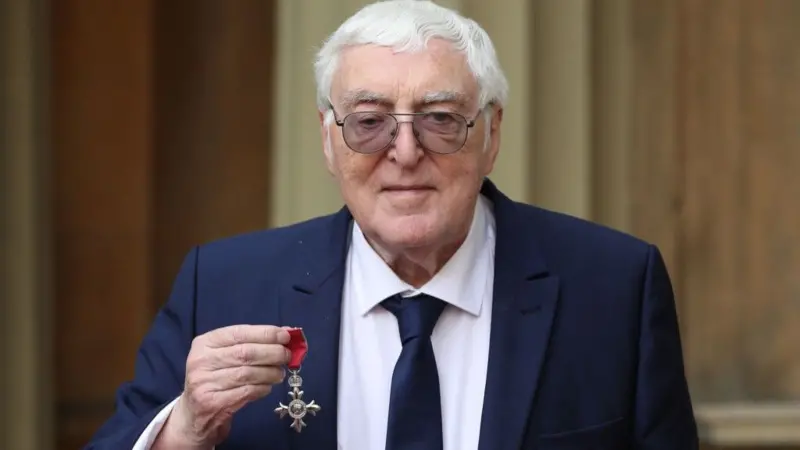
Clive Harold Everton
Date of Birth
07 Sep, 1937
Date of Death
27 Sep, 2024
Age at time of Death
87 years
Cause of Death
Unknown
Nationality
English
Gender
Male
Clive Harold Everton 's Quotes
Did You Know?
Before becoming a commentator, he was a professional snooker player and also won several amateur championships.
Beyond snooker, he is an accomplished author, having written numerous books on the history and strategy of cue sports.
Clive Everton is a legendary snooker commentator known for his distinctive voice and deep knowledge of the game.
Everton founded the popular snooker magazine Snooker Scene, which has been influential in the sport for decades.











:max_bytes(150000):strip_icc():focal(669x349:671x351):format(webp)/gene-hackman-portrait-022725-1-a40ebde6f61848abb6d71d9e31e62966.jpg)