Real Celebrities Never Die!
OR
Search For Past Celebrities Whose Birthday You Share
Died Age: 56
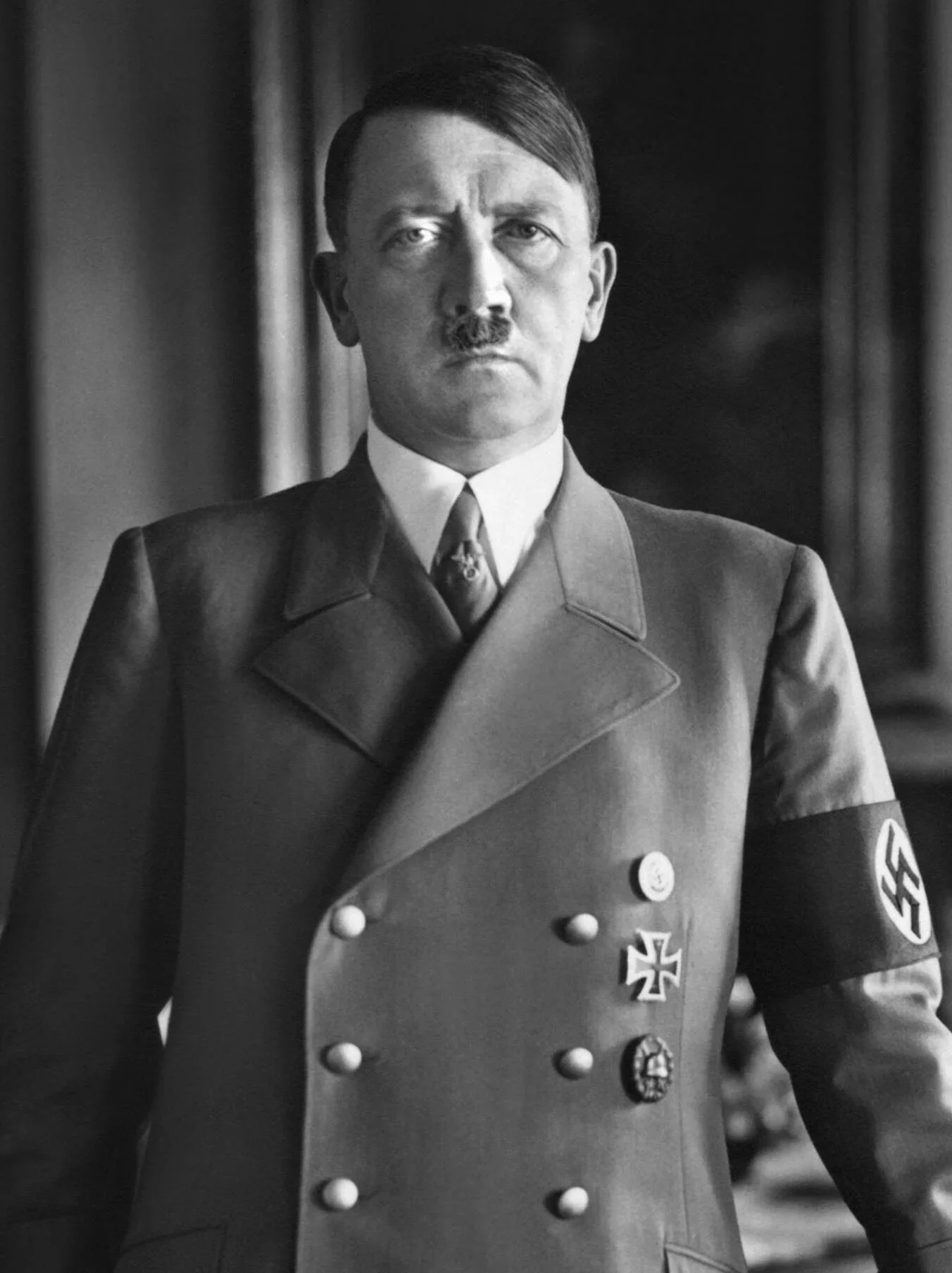
wikimedia.org
Adolf Hitler
Birthday:
19 Apr, 1889
Date of Death:
30 Apr, 1945
Cause of death:
Suicide
Nationality:
Austrian , German
Famous As:
Dictator
Age at the time of death:
56
Adolf Hitler's Quote's

“The victor will never be asked if he told the truth.”
Adolf Hitler
🔗 deadcelebrityhub.com
Adolf Hitler: Early Life and Family Background
Adolf Hitler came into the world on April 20, 1889, in Braunau am Inn, Austria-Hungary, growing up to become one of the 20th century’s most notorious figures. Leading Nazi Germany from 1933 to 1945, his ideas and decisions sparked World War II and the Holocaust, forever changing the course of history. His climb from a nobody to a man with total control is a tale woven with ambition, cunning, and ruin. Adolf was the fourth kid born to Alois Hitler, a mid-level customs worker, and Klara Pölzl, Alois’s third wife. Out of their six children, only Adolf and his little sister Paula made it to adulthood. The family bounced around a lot in his early years because of his dad’s job, finally planting roots near Linz, Austria. Alois ruled the house with a heavy hand, often butting heads with Adolf, who pushed back hard against his father’s demands. Klara, though, was the softer touch, and her death in 1907 hit Adolf like a ton of bricks. Raised Roman Catholic, Hitler didn’t care much for faith as he got older. School wasn’t his strong suit either—smart as he was, he couldn’t stay focused and his grades showed it. While in Linz, he got hooked on German nationalism, thanks to teachers preaching anti-Semitic and pan-German views.
Formative Years and Aspirations
After his dad passed, Adolf ditched school at sixteen, chasing a dream of being an artist. He took a shot at the Academy of Fine Arts Vienna in 1907 and 1908, but they turned him down both times. Scraping by in Vienna from 1909 to 1913, he painted postcards and ads to keep afloat. That’s when he started soaking up the racist, anti-Semitic vibes swirling in the city’s political scene. In 1913, he skipped out to Munich to dodge Austria-Hungary’s draft. But when World War I kicked off in 1914, he signed up with the German Army instead. Running messages on the Western Front, he showed guts and earned medals like the Iron Cross First Class. The war twisted his outlook—he pinned Germany’s loss on Jews and communists, a grudge that would fuel everything he did later.
Personal Life
Hitler’s personal ties were messy and often hush-hush. He was tight with his half-niece Geli Raubal, and her suicide in 1931 crushed him. Then came Eva Braun, a Munich shop girl who stuck by him even though he kept her out of the spotlight. On April 29, 1945, with the end closing in, they tied the knot in Berlin’s Führerbunker—just a day before they’d both be gone. Their bond was more about loyalty than love.
Rise to Power
After the war, Hitler jumped into politics with the German Workers’ Party (DAP) in 1919. By 1921, he’d turned it into the Nazi Party and took the reins as Führer. His wild speeches—ripping into the Treaty of Versailles, Jews, and communists—struck a chord with Germans fed up with hard times. In November 1923, he tried to seize power with the Beer Hall Putsch, but it flopped, landing him in jail for nine months. There, he wrote Mein Kampf, laying out his plans for a Germany built on racial purity and conquest. Riding the wave of the Great Depression’s chaos, he promised a comeback for the nation. The Nazis swept the 1932 elections, and in January 1933, he became chancellor. With propaganda, crushed rivals, and the Enabling Act, he grabbed dictatorial power. By August 1934, after President Hindenburg died, he crowned himself Führer und Reichskanzler.
Contributions and Impact
Hitler turned Germany into a locked-down state under Nazi rule. He poured everything into beefing up the military and grabbing land through bold moves and invasions. In September 1939, he sent troops into Poland, lighting the fuse for World War II. His forces steamrolled across Europe until the Allies pushed back. His darkest mark is the Holocaust—six million Jews, plus millions more, wiped out in a calculated genocide driven by his twisted racial ideas. The pain he unleashed was staggering.
Death and Legacy
By April 1945, with Soviet troops closing in on Berlin, Hitler holed up in his bunker under the Reich Chancellery. On April 30, less than two days after marrying Eva Braun, he shot himself while she took cyanide. He’d ordered their bodies burned to dodge the Soviets. Hitler’s shadow is one of pure wreckage. His war claimed over fifty million lives—the deadliest clash ever—and left Europe in tatters. Historians see him as the face of modern tyranny, a grim reminder of where unchecked power can lead.
Profile Snapshot
Name:
Adolf Hitler
Popular Name:
Adolf Hitler
Gender:
Male
Cause of Death:
Suicide
Spouse:
Eva Braun
Place of Birth:
Braunau am Inn, Austria-Hungary (now Austria)
Place of Death:
Berlin, Nazi Germany (now Germany)
Occupation / Profession:
Dictator
Politician
Soldier
Writer
Personality Type
Commander Bold, imaginative and strong-willed leaders, always finding a way – or making one. Hitler’s strategic vision, authoritarian leadership, and manipulative charisma suggest a commanding, goal-oriented personality driven by control and ambition, though distorted by paranoia and extremism.
Adolf Hitler's Interesting Facts
Adolf Hitler was the leader of the National Socialist German Workers’ Party (Nazi Party) and ruled Germany from 1933 until his death in 1945.
As Allied forces closed in on Berlin in 1945, Hitler retreated to his underground bunker, where he died by suicide on April 30, effectively ending the Nazi regime.
He was born in Braunau am Inn, Austria, and moved to Germany as a young man, where he rose to power through political propaganda and mass rallies.
His bunker, the Führerbunker, was destroyed post-war; its site is now a parking lot.
Hitler’s regime orchestrated the Holocaust, the systematic genocide of six million Jews, along with millions of others including Roma people, disabled individuals, and political dissidents.
Rejected twice from Vienna’s Academy of Fine Arts, fueling his resentment.
Survived over 40 assassination attempts, including the 1944 July 20 plot.
Under his leadership, Nazi Germany invaded Poland in 1939, triggering World War II, a conflict that claimed tens of millions of lives.
Vegetarian and anti-smoking advocate, ironically amidst his regime’s brutality.
Achievements & Awards
Appointed Chancellor of Germany in 1933.
Architect of the Nazi regime’s early economic recovery
Led Nazi Party to power, unifying Germany and Austria
Named Time magazine’s Man of the Year in 1938 .
Received the Iron Cross, Second Class (1914) and First Class (1918) during WWI as a soldier.
External Links
Additional Links
https://encyclopedia.ushmm.org/content/en/article/adolf-hitler-early-years-1889-1913https://en.wikipedia.org/wiki/Military_career_of_Adolf_Hitlerhttps://simple.wikipedia.org/wiki/Adolf_Hitlerhttps://www.britannica.com/biography/Adolf-Hitlerhttps://www.historyextra.com/period/second-world-war/eva-braun-life-death-adolf-hitler-mistress-wife-who-was-she-pictures-born-marriage-wedding-holocaust/https://www.saintconstantine.org/connect/blog/blog-post/~board/blog/post/wisdom-education-and-adolph-hitler
Latest Profiles
People also viewed
July 11, 1899
Born11 Jul, 1899
Died01 Oct, 1985
NationalityAmerican
Age at time of death86
Dale Carnegie
Born24 Nov, 1888
Died01 Nov, 1955
NationalityAmerican
Age at time of death66
Zora Neale Hurston
Born07 Jan, 1891
Died28 Jan, 1960
NationalityAmerican
Age at time of death69
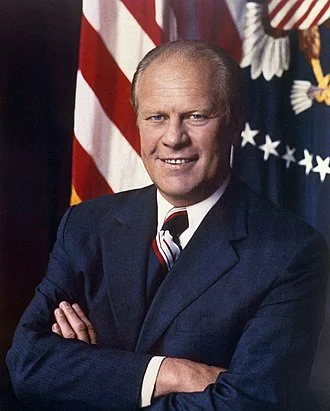
Gerald Ford
Born14 Jul, 1913
Died26 Dec, 2006
NationalityAmerican
Age at time of death93
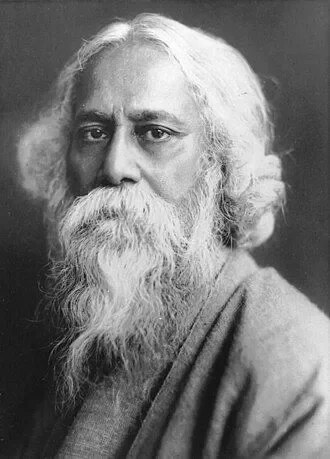
Rabindranath Tagore
Born07 May, 1861
Died08 Aug, 1941
NationalityIndian
Age at time of death80
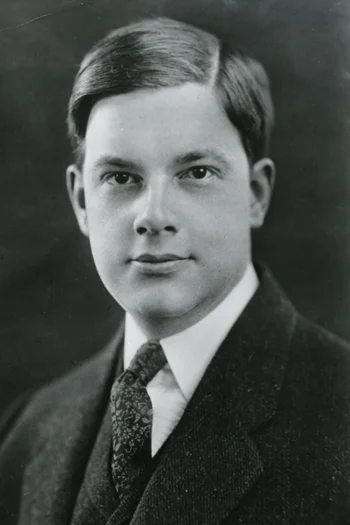
Joyce Kilmer
Born06 Dec, 1886
Died30 Jul, 1918
NationalityAmerican
Age at time of death31
Cicely Saunders
Born22 Jun, 1918
Died14 Jul, 2005
NationalityEnglish
Age at time of death87
Victor Hugo
Born26 Feb, 1802
Died22 May, 1885
NationalityFrench
Age at time of death83
Joseph Pilates
Born09 Dec, 1883
Died09 Oct, 1967
NationalityGerman
Age at time of death83
George Murphy
Born04 Jul, 1902
Died03 May, 1992
NationalityAmerican
Age at time of death89
P. T. Barnum
Born05 Jul, 1810
Died07 Apr, 1891
NationalityAmerican
Age at time of death80
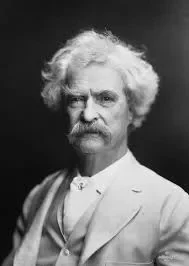
Mark Twain
Born30 Nov, 1835
Died21 Apr, 1910
NationalityAmerican
Age at time of death74
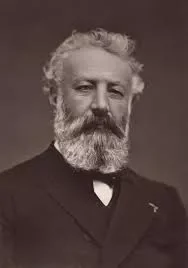
Jules Verne
Born08 Feb, 1828
Died24 Mar, 1905
NationalityFrench
Age at time of death77
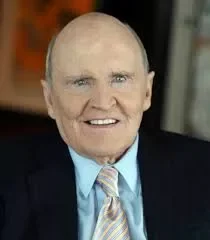
Jack Welch
Born19 Nov, 1935
Died01 Mar, 2020
NationalityAmerican
Age at time of death84
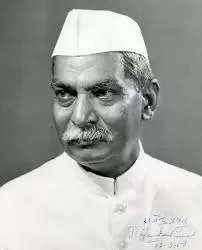
Rajendra Prasad
Born03 Dec, 1884
Died28 Feb, 1963
NationalityIndian
Age at time of death78
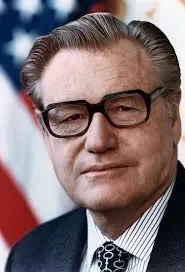
Nelson Rockefeller
Born08 Jul, 1908
Died26 Jan, 1979
NationalityAmerican
Age at time of death70
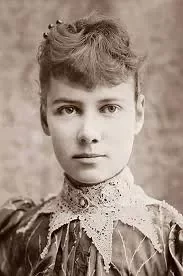
Nellie Bly
Born05 May, 1864
Died27 Jan, 1922
NationalityAmerican
Age at time of death57
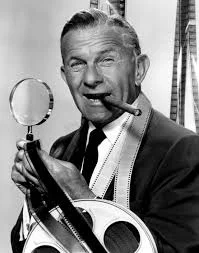
George Burns
Born20 Jan, 1896
Died09 Mar, 1996
NationalityAmerican
Age at time of death100

Ethan Allen
Born21 Jan, 1738
Died12 Feb, 1789
NationalityAmerican
Age at time of death51
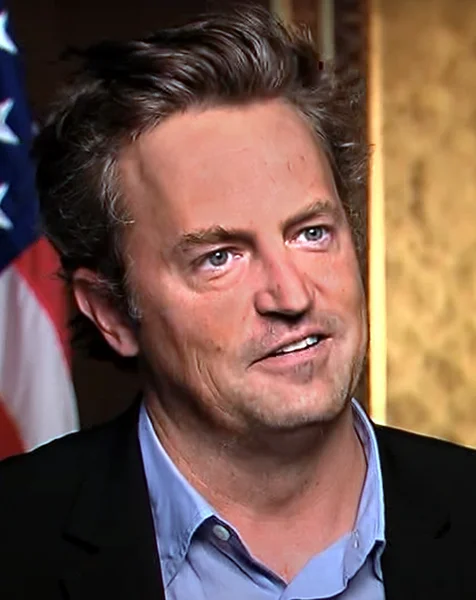
Matthew Perry
Born19 Aug, 1969
Died28 Oct, 2023
NationalityAmerican, Canadian
Age at time of death54