Real Celebrities Never Die!
OR
Search For Past Celebrities Whose Birthday You Share
Died Age: 26
wikipedia.org
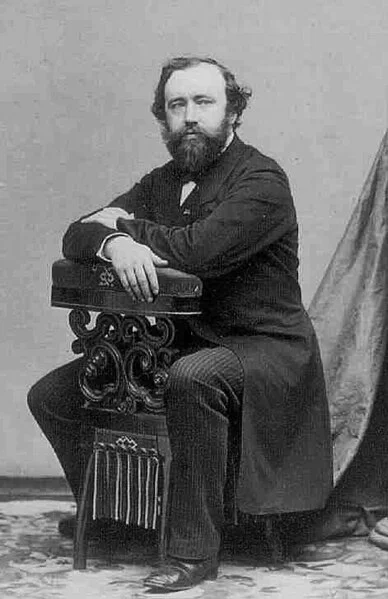
Adolphe Sax
Birthday:
05 Nov, 1814
Date of Death:
06 Feb, 1841
Cause of death:
Pneumonia
Nationality:
Belgian
Famous As:
Instrument Maker
Age at the time of death:
26
Antoine-Joseph Sax's Quote's
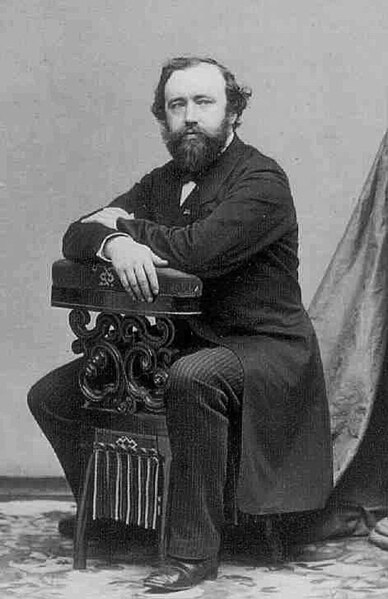
“Music is the language of the soul, and I aim to give it new expression.”
Antoine-Joseph Sax
🔗 deadcelebrityhub.com
Early Life and Background
Antoine-Joseph “Adolphe” Sax was born in Dinant, Belgium, on November 6, 1814, to Charles-Joseph Sax and Marie-Joseph Masson. Antoine’s father was a highly respected maker of musical instruments, giving young Adolphe early exposure to the arts and music.
Near-Fatal Childhood Accidents
When a child, Sax had several near-fatal accidents, including falling, ingesting acid, being severely burned during a gunpowder explosion, and drowning. The incidents were such that the neighbors began to refer to him as “little Sax, the ghost” as they felt that he appeared unkillable.
Musical Education and Early Talent
He learned flute and clarinet at the Brussels Royal Conservatory. He entered two flutes and a clarinet in a competition when he was 15, demonstrating his initial talent and technical skill.
Early Innovations in Instrument Design
During the 1830s, Sax started experimenting with designs for musical instruments. Specifically, he significantly refined the bass clarinet keywork and acoustic mechanism. In 1842, he transferred to Paris, where he opened a workshop and developed his innovations further, which gave birth to the saxophone.
Invention of the Saxophone
The saxophone was patented on June 28, 1846. Mixing brass and woodwind instruments’ characteristics, it produced a distinct sound that greatly changed music. Sax created an entire family of saxophones in different sizes and pitches, from soprano to bass.
Challenges and Legal Battles
In spite of his innovation success, Sax had many challenges. Competing instrument manufacturers, who felt threatened by his success, tried to steal his patents and destroy his company. Between 1846 and 1854, he defended 14 lawsuits to safeguard his inventions. He also faced major financial hardships during his career, going bankrupt three times.
Teaching and Continued Innovations
He started teaching in 1857 at the Paris Conservatory, which helped add legitimacy to the saxophone as a classical music instrument. He continued to invent other musical instruments, such as the family of brass instruments called the saxhorns.
Impact of War on His Business
His company struggled through the Franco-Prussian War of 1870, since military bands—the largest consumers of his instruments—were reorganized, resulting in decreased demand. Despite this, he continued to have an impact on music. It wasn’t until the twentieth century, when he had passed away, that the saxophone became incredibly popular in jazz.
Other Musical Contributions
Sax also greatly improved other instruments, including brass instruments such as the trombone and valved bugle. He won numerous prizes for his innovations, one of which was a first-class medal at the Paris Industrial Exhibition of 1849.
Later Years and Death
During his later years, Sax experienced financial hardship and had lip cancer but recovered miraculously. His son, Adolphe-Edouard, handled most of the business in his last years. Adolphe Sax passed away on February 7, 1894, in Paris at the age of 79, plagued by poverty.
Profile Snapshot
Name:
Antoine-Joseph Sax
Popular Name:
Adolphe Sax
Gender:
Male
Cause of Death:
Pneumonia
Spouse:
Louise-Adèle Maor
Place of Birth:
Dinant, United Kingdom of the Netherlands (now Belgium)
Place of Death:
Paris, France
Occupation / Profession:
Instrument Maker
Inventor
Musician
Personality Type
Logician: Innovative inventors with an unquenchable thirst for knowledge. She was known for ingenuity, problem-solving, and independence.
Antoine-Joseph Sax's Interesting Facts
He faced lawsuits from competitors over his saxophone patent.
He went bankrupt twice due to business struggles.
His instruments were adopted by French military bands in the 1840s.
Sax survived several near-death experiences as a child, including falls and poisoning, earning the nickname "ghost-child."
Achievements & Awards
Appointed musical instrument instructor at the Paris Conservatory.
Developed the saxhorn, influencing brass band music.
Invented the saxophone in the early 1840s.
Patented the saxophone in 1846.
Won a gold medal at the 1849 Paris Industrial Exposition.
Latest Profiles
People also viewed
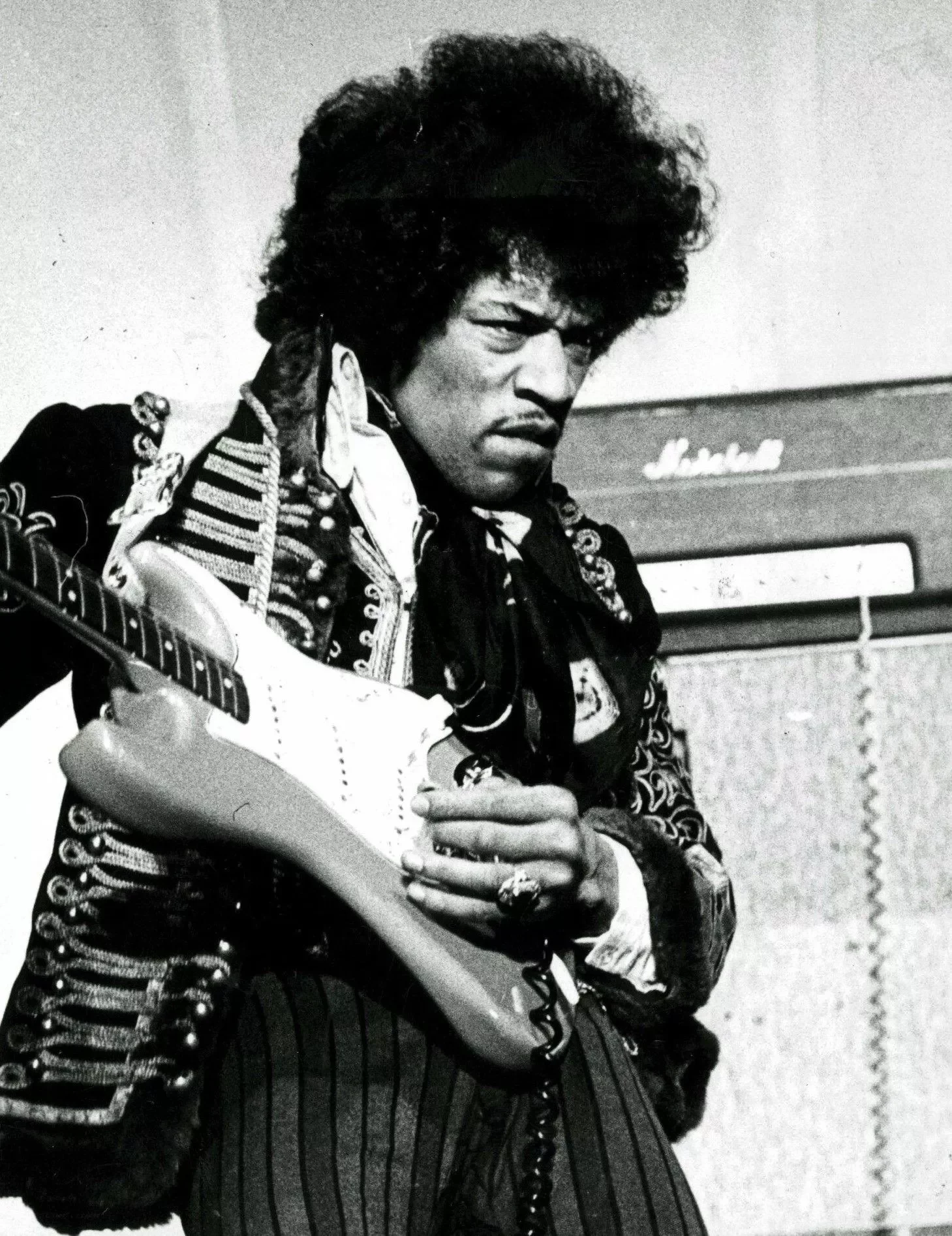
Jimi Hendrix
Born27 Nov, 1942
Died18 Sep, 1970
NationalityAmerican
Age at time of death27
Otto Frederick Rohwedder
Born28 Jul, 1880
Died08 Nov, 1960
NationalityAmerican
Age at time of death80
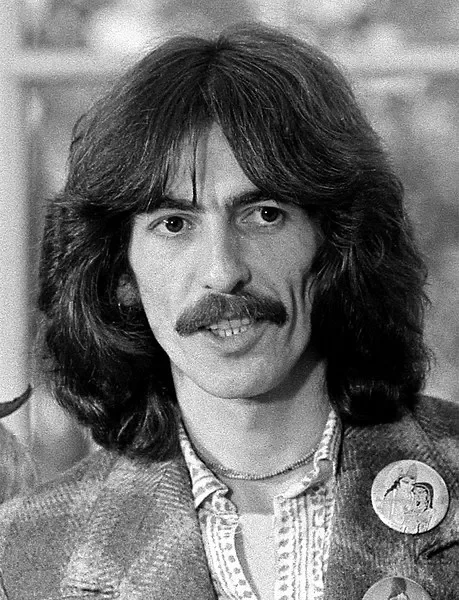
George Harrison
Born25 Feb, 1943
Died29 Nov, 2001
NationalityBritish
Age at time of death58
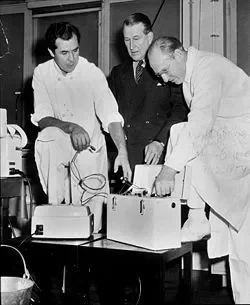
Rune Elmqvist
Born01 Dec, 1906
Died15 Dec, 1996
NationalitySwedish
Age at time of death90
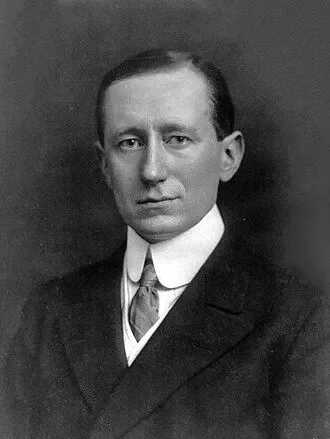
Guglielmo Marconi
Born25 Apr, 1874
Died20 Jul, 1937
NationalityItalian
Age at time of death63
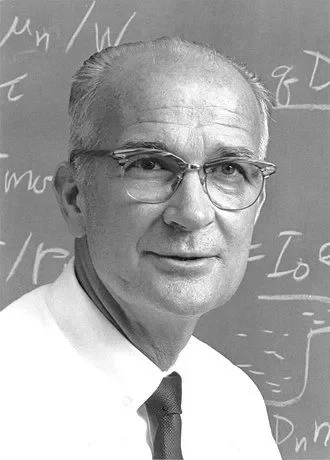
William Shockley
Born13 Feb, 1910
Died12 Aug, 1989
NationalityAmerican
Age at time of death79
Johnny Ace
Born09 Jun, 1929
Died25 Dec, 1954
NationalityAmerican
Age at time of death25
Alfred Nobel
Born21 Oct, 1833
Died10 Dec, 1896
NationalitySwedish
Age at time of death63
Phyllis Diller
Born17 Jul, 1917
Died20 Aug, 2012
NationalityAmerican
Age at time of death95
Clarence Birdseye
Born09 Dec, 1886
Died07 Oct, 1956
NationalityAmerican
Age at time of death69
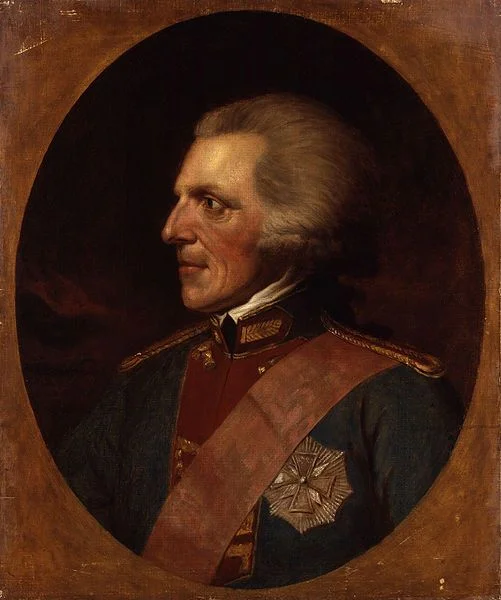
Colonel Sir Benjamin Thompson, Count Rumford
Born26 Mar, 1753
Died21 Aug, 1814
NationalityAmerican, British
Age at time of death61
Thomas Newcomen
Born28 Feb, 1664
Died05 Aug, 1729
NationalityEnglish
Age at time of death65

Cory Monteith
Born11 May, 1982
Died13 Jul, 2013
NationalityCanadian
Age at time of death31
Joseph Pilates
Born09 Dec, 1883
Died09 Oct, 1967
NationalityGerman
Age at time of death83

Adam Yauch
Born05 Aug, 1964
Died04 May, 2012
NationalityAmerican
Age at time of death47
Waylon Jennings
Born15 Jun, 1937
Died13 Feb, 2002
NationalityAmerican
Age at time of death64
Nils Bohlin
Born17 Jul, 1920
Died26 Sep, 2002
NationalitySwedish
Age at time of death82
Robert Fulton
Born14 Nov, 1765
Died24 Feb, 1815
NationalityAmerican
Age at time of death49
Chuck Berry
Born18 Oct, 1926
Died18 Mar, 2017
NationalityAmerican
Age at time of death90
Karen Carpenter
Born02 Mar, 1950
Died04 Feb, 1983
NationalityAmerican
Age at time of death32