Real Celebrities Never Die!
OR
Search For Past Celebrities Whose Birthday You Share
Died Age: 94
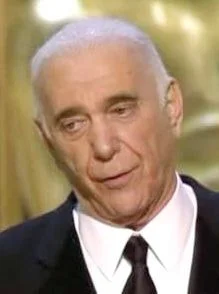
wikimedia.org
Albert S. Ruddy
Birthday:
28 Mar, 1930
Date of Death:
25 May, 2024
Cause of death:
Natural causes
Nationality:
Canadian, American
Famous As:
Film producer
Age at the time of death:
94
Albert Stotland Ruddy's Quote's

“Francis [Coppola] could have sold me the Brooklyn Bridge that day.”
Albert Stotland Ruddy
🔗 deadcelebrityhub.com
Albert S. Ruddy: Early Life and Family Background
Albert Stotland Ruddy came into the world on March 28, 1930, in Montreal, Quebec, Canada. He grew up to become a Canadian-American film and television producer whose career stretched across six remarkable decades. You probably know him best for bringing us gems like The Godfather and Million Dollar Baby. Ruddy had this knack for tackling tough challenges and turning them into timeless pieces of art. His story—from modest roots to Hollywood heavyweight—shows just how far grit and clever thinking can take you. Ruddy was born into a Jewish family, with his mom, Ruth (née Rudnikoff) Hertz, designing clothes, and his dad, Hy Stotland, making uniforms. When he was just six, his parents split up. He moved with his mother to New York City, and later they landed in Miami Beach, Florida. Those early years hopping between places gave him a broad view of the world that stuck with him. In school, Ruddy shone bright. He went to Brooklyn Technical High School and did so well that he snagged a scholarship to study chemical engineering at City College of New York. But his heart wasn’t in it—design and creativity kept tugging at him. So, he switched gears and headed to the University of Southern California (USC), graduating in 1956 with a degree in architectural design. That creative foundation ended up shaping how he approached movies later on.
Formative Years and Career Beginnings
Ruddy didn’t exactly take the straight road to Hollywood. After USC, he supervised construction projects in New Jersey, then jumped into systems programming at the RAND Corporation in Santa Monica. But everything changed when he crossed paths with Jack L. Warner, the big shot at Warner Bros. Warner saw Ruddy’s passion for entertainment and tossed him an entry-level gig at the studio. Talk about a lucky break! His first real win came in 1965 when Marlon Brando Sr.—yep, the famous actor’s dad—brought him on to produce Wild Seed. That gig put Ruddy on the map as a producer and paved the way for bigger things. Soon after, he teamed up to create the CBS sitcom Hogan’s Heroes (1965–1971), which turned into a huge hit over its six seasons.
Personal Life
Early in his career, Ruddy tied the knot with Françoise Ruddy, who stood by him during the whirlwind of making The Godfather. They eventually parted ways, and Françoise later joined the Rajneeshpuram Commune in Oregon. In 1981, Ruddy married Wanda McDaniel, a powerhouse at Giorgio Armani who helped put the Italian brand on the map. They had two kids together and built a strong partnership that lasted until Ruddy’s passing. With his charm and knack for cutting deals, Ruddy juggled a hectic career and family life while keeping tight bonds with his Hollywood pals.
Professional Career and Achievements
Ruddy’s career hit legendary status with The Godfather in 1972. Based on Mario Puzo’s novel, the film wasn’t an easy ride—Italian-American groups worried about stereotypes, and production hit all sorts of roadblocks. But Ruddy worked his magic, negotiating with Paramount Pictures and even chatting with Mafia figures like Joseph Colombo Sr. to get it done. The result? The Godfather became a cinematic titan, racking up eleven Oscar nods and winning three—including Best Picture for Ruddy. It rewrote the rules for gangster flicks and cemented his name as a top-tier producer. Fast forward to 2004, and Ruddy struck gold again with Million Dollar Baby. Directed by Clint Eastwood and starring Hilary Swank, this boxing drama nabbed four Academy Awards—including another Best Picture for Ruddy. It showed he could nail any genre he touched. He didn’t stop at movies, either. Ruddy brought shows like Walker, Texas Ranger (1993) and How the West Was Won (1979) to TV, proving he could tell stories in any format.
Contributions and Impact
Albert S. Ruddy changed the game in film and television. He had this way of making stories feel real, obsessing over details and fearlessly hashing out deals. The Godfather shook up Hollywood, blending big ideas with box-office success. Ruddy also had a soft spot for creative freedom, backing directors like Francis Ford Coppola. That approach inspired countless filmmakers. He knew how to keep the art alive while playing the industry game, earning him a spot as one of Hollywood’s most admired producers.
Death and Legacy
Albert S. Ruddy left us on May 25, 2024, at Ronald Reagan UCLA Medical Center in Los Angeles. He was 94, and his passing was due to natural causes. The entertainment world lit up with tributes, with folks calling him “a visionary dealmaker” who shaped today’s cinema. His legacy lives on through masterpieces like The Godfather and Million Dollar Baby, which still spark inspiration in filmmakers everywhere. Ruddy’s life proves that with enough creativity and hustle, you can conquer just about anything.
Profile Snapshot
Name:
Albert Stotland Ruddy
Popular Name:
Albert S. Ruddy
Gender:
Male
Cause of Death:
Natural causes
Spouse:
Francoise Glazer
Wanda McDaniel
Place of Birth:
Montreal, Quebec, Canada
Place of Death:
Los Angeles, California, USA
Occupation / Profession:
Film producer
Screenwriter
Television producer
Personality Type
Commander Bold, imaginative and strong-willed leaders, always finding a way – or making one. Ruddy’s ability to navigate Hollywood obstacles, negotiate with the mob for The Godfather, and produce landmark films aligns with this personality type.
Albert Stotland Ruddy's Interesting Facts
Albert S. Ruddy was a Canadian-born American film and television producer best known for creating some of Hollywood’s most iconic works.
During the making of The Godfather, Ruddy famously negotiated with real-life mob figures to ease tensions about the film’s portrayal of organized crime.
He produced The Godfather (1972), which won him the Academy Award for Best Picture. He later won another Oscar for Million Dollar Baby (2004), making him one of the few producers with Oscars decades apart.
His career lasted over six decades, with projects ranging from lighthearted comedies to gritty dramas, marking him as one of Hollywood’s most enduring and adaptive producers.
Achievements & Awards
Co-created Hogan’s Heroes, which ran for six seasons.
Earned a Producers Guild of America Award (2005).
Won two Academy Awards for Best Picture for The Godfather (1972) and Million Dollar Baby (2004).
Won two Golden Globes for The Godfather.
External Links
Additional Links
https://apnews.com/article/albert-ruddy-producer-godfather-dead-52660154133a4ef099bf07d8a2ae9a08https://kids.kiddle.co/Albert_S._Ruddyhttps://mabumbe.com/people/albert-s-ruddy-life-story-career-and-achievements/https://streaming.fetishoasis.com/person/40379-albert-s-ruddyhttps://www.encyclopedia.com/education/news-wires-white-papers-and-books/ruddy-albert-s-1934-al-ruddyhttps://www.famousbirthdays.com/people/albert-ruddy.htmlhttps://www.fandango.com/people/albert-s-ruddy-581899/biographyhttps://www.nytimes.com/2024/05/30/movies/albert-s-ruddy-dead.htmlhttps://www.wikidata.org/wiki/Q280490
Latest Profiles
People also viewed
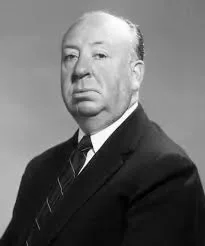
Alfred Hitchcock
Born13 Aug, 1899
Died29 Apr, 1980
NationalityAmerican, British
Age at time of death80
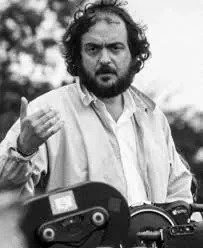
Stanley Kubrick
Born26 Jul, 1928
Died07 Mar, 1999
NationalityAmerican, British
Age at time of death70
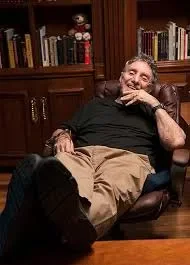
William Peter Blatty
Born07 Jan, 1928
Died12 Jan, 2017
NationalityAmerican
Age at time of death89
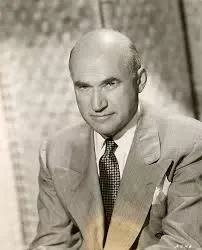
Samuel Goldwyn
Born27 Jul, 1882
Died31 Jan, 1974
NationalityPolish, American
Age at time of death91
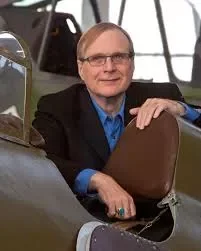
Paul Allen
Born21 Jan, 1953
Died15 Oct, 2018
NationalityAmerican
Age at time of death65
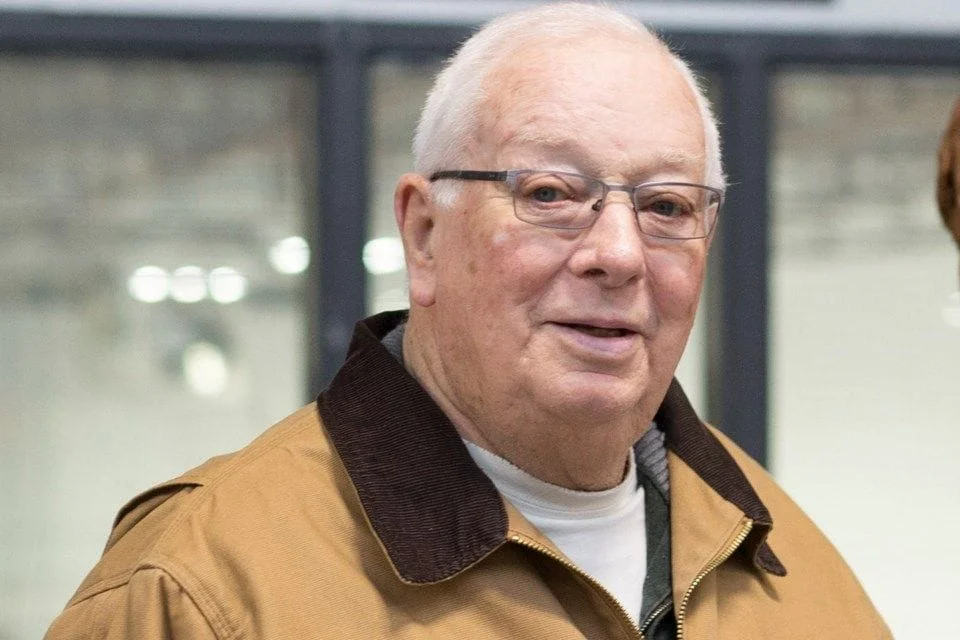
Bob Clark
Born05 Aug, 1939
Died04 Apr, 2007
NationalityAmerican
Age at time of death67
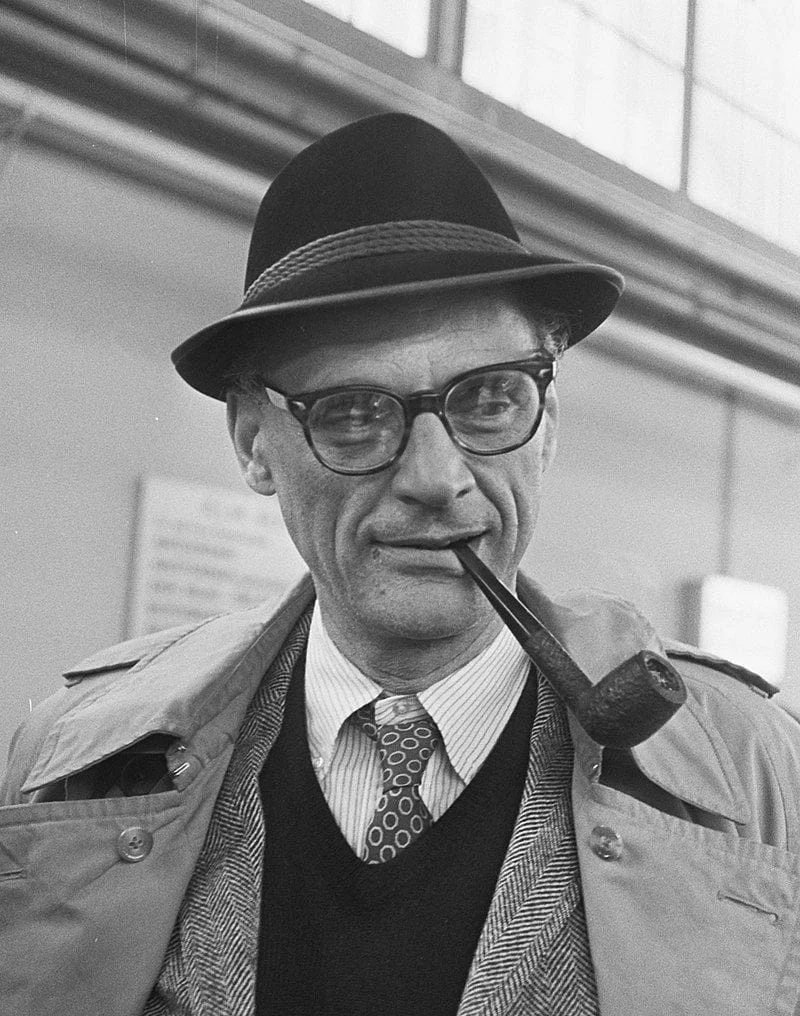
Arthur Miller
Born17 Oct, 1915
Died10 Feb, 2005
NationalityAmerican
Age at time of death89
Walt Disney
Born05 Dec, 1901
Died15 Dec, 1966
NationalityAmerican
Age at time of death65
Lata Mangeshkar
Born28 Sep, 1929
Died06 Feb, 2022
NationalityIndian
Age at time of death92
Frank Moorhouse
Born21 Dec, 1938
Died26 Jun, 2022
NationalityAustralian
Age at time of death83
Zoe Akins
Born30 Oct, 1886
Died29 Oct, 1958
NationalityAmerican
Age at time of death71
Gabriel Márquez
Born06 Mar, 1927
Died17 Apr, 2014
NationalityColombian, Mexican
Age at time of death87
Charlie Chaplin
Born16 Apr, 1889
Died25 Dec, 1977
NationalityBritish
Age at time of death88
Akira Kurosawa
Born23 Mar, 1910
Died06 Sep, 1998
NationalityJapanese
Age at time of death88
Bruce Lee
Born27 Nov, 1940
Died20 Jul, 1973
NationalityAmerican
Age at time of death32
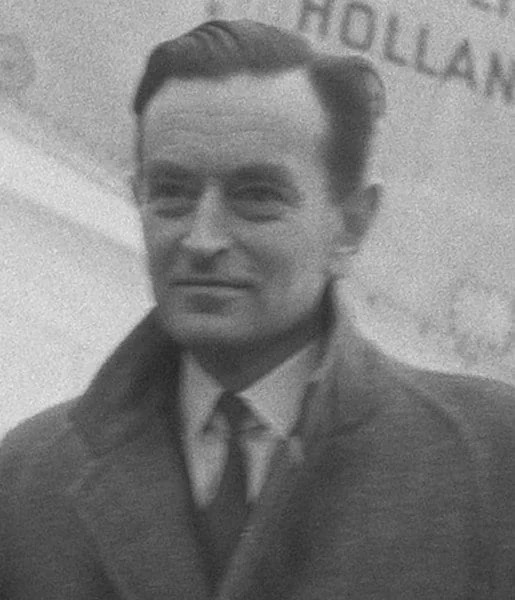
David Lean
Born25 Mar, 1908
Died16 Apr, 1991
NationalityBritish
Age at time of death83
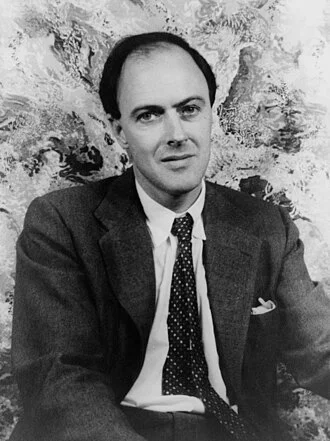
Roald Dahl
Born12 Sep, 1916
Died22 Nov, 1990
NationalityBritish
Age at time of death74
Jeff Baena
Born29 Jun, 1977
Died03 Jan, 2025
NationalityAmerican
Age at time of death47
Pamela Bach
Born16 Oct, 1963
Died05 Mar, 2025
NationalityAmerican
Age at time of death61
Peter Yarrow
Born31 May, 1938
Died07 Jan, 2025
NationalityAmerican
Age at time of death86