Real Celebrities Never Die!
OR
Search For Past Celebrities Whose Birthday You Share
Died Age: 69
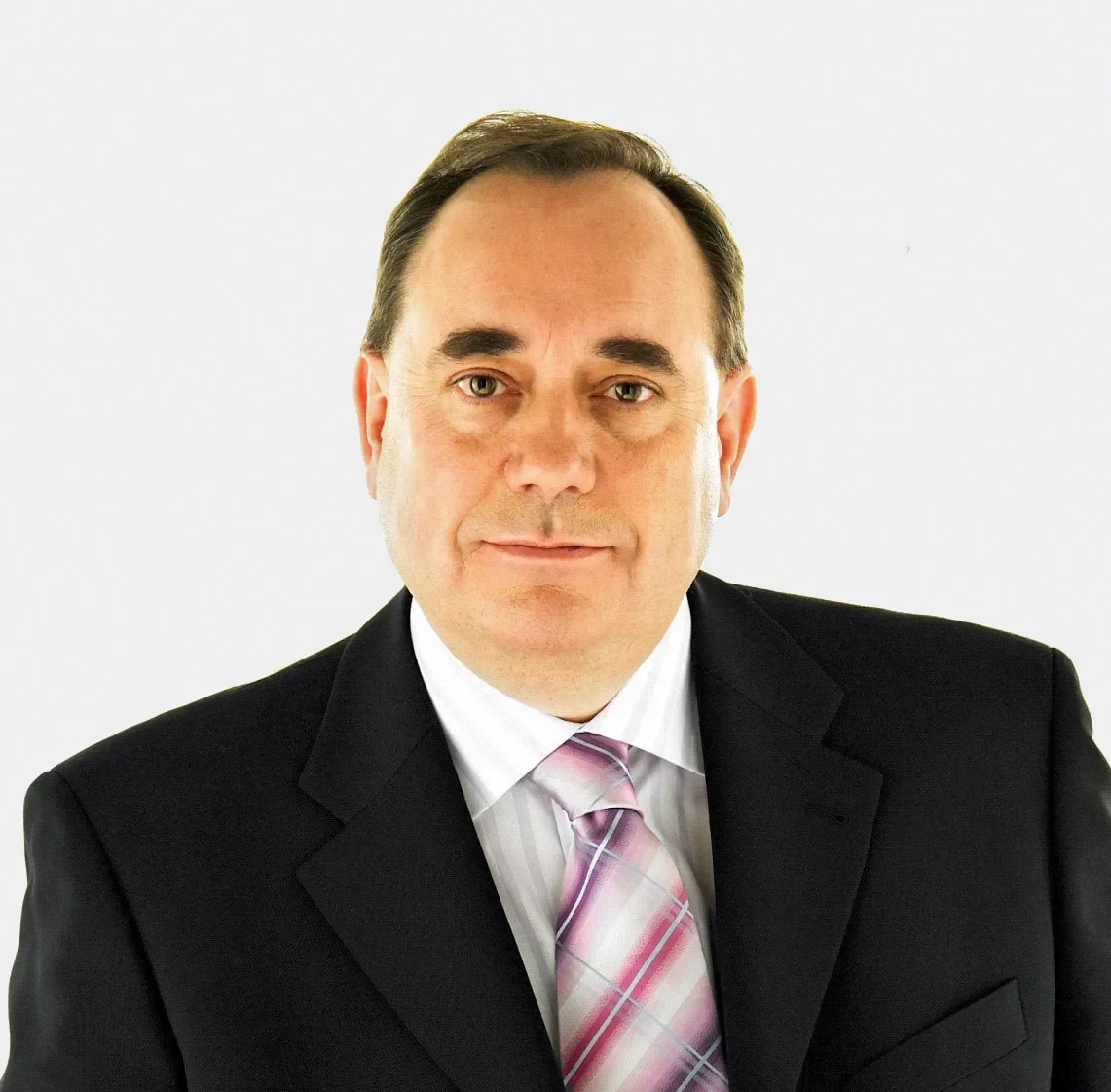
cdn.britannica.com
Alex Salmond
Birthday:
31 Dec, 1954
Date of Death:
12 Oct, 2024
Cause of death:
Natural Causes
Nationality:
Scottish
Famous As:
Scottish politician
Age at the time of death:
69
Alexander Elliot Anderson Salmond's Quote's

“[After being asked by LBC presenter Iain Dale if he had experimented with drugs while studying economics and medieval history at St Andrews University] I didn't exhale. I think there's lots of dabblers, including yourself Iain. [Dale replied that he had never taken drugs] For goodness sake, what a life you've led. Until Iain Dale got on the radio he did nothing at all exciting, folks.”
Alexander Elliot Anderson Salmond
🔗 deadcelebrityhub.com
Early Life: The Son of Civil Servants with a Fierce Independent Streak
Alex Salmond is a towering figure in modern Scottish political history — a charismatic strategist whose name became synonymous with the movement for Scottish independence. At once a gifted orator, policy wonk, and political lightning rod, Salmond reshaped the political landscape of Scotland, ushering in the era of the Scottish National Party (SNP) as a major force. But his journey, marked by brilliance, bold bets, and bitter controversies, reads like a gripping political drama — one that continues to divide, inspire, and fascinate in equal measure.
Alexander Elliot Anderson Salmond was born on December 31, 1954, in the small town of Linlithgow, West Lothian. He was the second of four children in a working-class family grounded in public service. His father, Robert, was a civil servant and World War II veteran; his mother, Mary, a school librarian. Their household was steeped in intellectual curiosity and civic engagement — qualities that would shape young Alex from an early age.
Raised during a time of cultural and political flux in post-war Scotland, Salmond was drawn to history, debate, and the idea that Scotland’s future could be different — self-determined. Though shy as a boy, he was fiercely intelligent, once winning a national quiz competition on Scottish history in his teens. Friends remember him as competitive, witty, and already politically minded. As a bit of trivia: during university, he once worked as an economist for the Royal Bank of Scotland — a job that gave him a taste for both numbers and power.
Education: Shaping a Political Mind
Salmond attended Linlithgow Academy before enrolling at the University of St Andrews — Scotland’s oldest university. There, he studied economics and medieval history, a pairing that reflected both his analytical acumen and deep appreciation for Scotland’s past.
It was at St Andrews that he first sharpened his debating skills and political instincts. Though he briefly flirted with the Labour Party during his student days, it wasn’t long before he found a more natural home in the Scottish National Party, drawn by its call for sovereignty and self-rule. He joined the SNP in 1973 — a quiet decision at the time, but one that would alter the course of his life.
Career Journey
Early Career: The Rise of a Political Provocateur
After graduating, Salmond entered the Scottish civil service and later took a post as an economist with the Royal Bank of Scotland. But by the late 1980s, politics had fully claimed him. In 1987, he was elected as the SNP MP for Banff and Buchan, a largely rural constituency in northeast Scotland.
From the start, Salmond was combative and clever — famously expelled from the House of Commons in 1988 for protesting the poll tax, introduced in Scotland before England. His boldness won him supporters and critics alike. He soon earned a reputation as a master strategist, blending economic literacy with nationalist fervor.
SNP Leadership and Ascent
In 1990, at just 35, Salmond became leader of the SNP. He was, by all accounts, a transformative force — modernizing the party’s image, refining its message, and preparing it for governance. Under his leadership, the SNP moved from the political margins to the mainstream, especially after devolution brought a Scottish Parliament in 1999.
But his leadership wasn’t without drama. In 2000, amid internal tensions, Salmond stepped down — only to return triumphantly in 2004 and lead the party to its first historic victory three years later.
First Minister: The Independence Campaigner
In 2007, Alex Salmond became First Minister of Scotland, heading a minority SNP government. It was a turning point — the first time in modern history that nationalists, rather than unionists, held the reins of power in Edinburgh.
His government introduced popular policies like free university tuition and prescription charges, boosting the SNP’s popularity. In 2011, they won a majority — something previously thought impossible under Scotland’s proportional voting system.
This set the stage for the moment Salmond had long been working toward: the 2014 Scottish Independence Referendum. It was the political fight of his life.
He campaigned with passion and clarity, crisscrossing the country with the message that Scotland could and should govern itself. Though the "Yes" campaign lost narrowly — 55% to 45% — it was a seismic moment in UK politics. The referendum energized a generation and cemented Salmond’s role as the architect of Scotland’s modern independence movement.
Later Career: Controversy and Reinvention
After the referendum defeat, Salmond resigned as First Minister and SNP leader, passing the torch to his longtime deputy, Nicola Sturgeon. He later returned to Westminster as an MP in 2015, but lost his seat in the 2017 election.
His post-SNP years were tumultuous. In 2018, he launched a legal battle against the Scottish Government over its handling of sexual harassment complaints made against him — which he won, on grounds of procedural unfairness. In 2020, he was tried on 13 charges of sexual misconduct and was acquitted of all.
In 2021, he launched a new political party, Alba, aiming to further the cause of independence from outside the SNP fold. Though the party has yet to make significant electoral inroads, it reflects Salmond’s enduring belief that the fight for Scottish independence is far from over.
Personal Life: Private Behind the Politics
Though often in the public eye, Salmond has always kept his personal life relatively private. He married Moira McGlashan, a civil servant 17 years his senior, in 1981. Their marriage has been described as a deeply loyal partnership, with Moira playing a key — albeit quiet — role behind the scenes of his political life.
Known for his love of horse racing, whisky, and Burns poetry, Salmond also had a stint as a radio host and remains a popular — if polarizing — public speaker. A keen trivia: in 2004, he even made a cameo on the political satire show The Thick of It, showcasing his sly sense of humor.
Legacy: Architect of a Movement
Alex Salmond’s legacy is both formidable and fraught. He is widely credited with turning the Scottish National Party into a legitimate party of government and mainstreaming the cause of independence in a way few thought possible. Under his leadership, the SNP moved from protest to power — and though the 2014 referendum ended in defeat, it shifted the political axis of the UK.
Yet his later years have been marred by legal battles, political feuds, and party schisms. To supporters, he remains a visionary leader and the father of modern Scottish nationalism. To critics, a divisive figure whose time has passed.
Profile Snapshot
Name:
Alexander Elliot Anderson Salmond
Popular Name:
Alex Salmond
Gender:
Male
Cause of Death:
Natural Causes
Spouse:
Moira McGlashan
Place of Birth:
Linlithgow, West Lothian, Scotland
Place of Death:
Ohrid, North Macedonia
Occupation / Profession:
Scottish politician
Personality Type
Commander: Bold, imaginative and strong-willed leaders, always finding a way – or making one. Alex Salmond is a bold, strategic, and assertive leader, known for his unwavering determination and ability to shape political movements with vision and conviction.
Alexander Elliot Anderson Salmond's Interesting Facts
Alex Salmond served two terms as First Minister of Scotland, leading the country during the pivotal 2014 independence referendum.
Before entering politics full-time, Salmond worked as an economist at the Royal Bank of Scotland.
He was once suspended from the House of Commons in 1988 for protesting against the government's policies on Scotland.
Salmond returned to politics in 2021 with a new pro-independence party called Alba, after previously leading the Scottish National Party.
Achievements & Awards
Alex Salmond received several honorary doctorates, including from the University of St Andrews and the University of Glasgow, in recognition of his impact on Scottish politics. He was named Spectator’s Parliamentarian of the Year in 2007 for leading the SNP to a major electoral victory.
In 1998, he was also awarded Political Strategist of the Year for his leadership and political foresight.
External Links
Additional Links
Latest Profiles
People also viewed
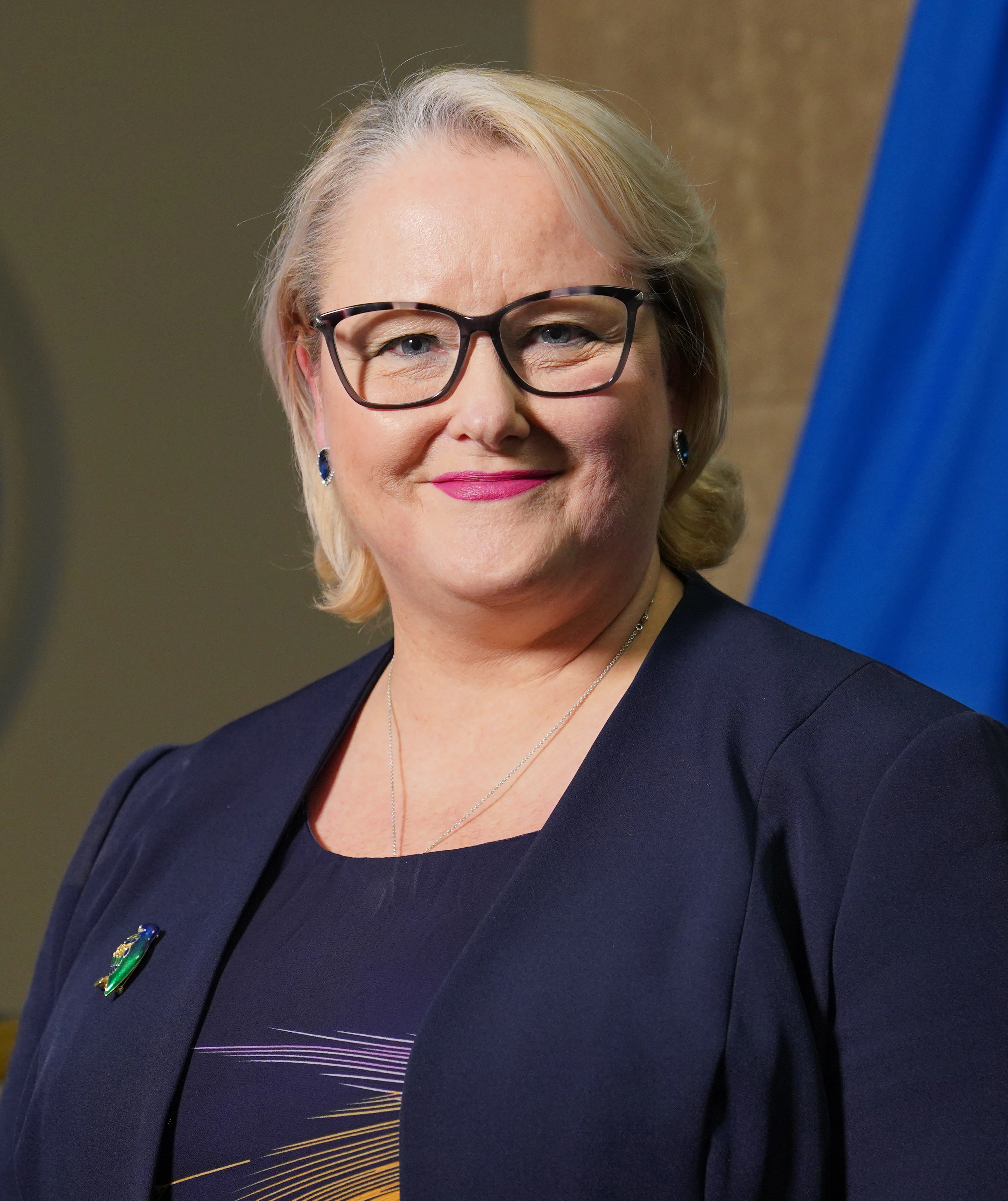
Christina McKelvie
Born04 Mar, 1968
Died27 Mar, 2025
NationalityScottish
Age at time of death57