Real Celebrities Never Die!
OR
Search For Past Celebrities Whose Birthday You Share
Died Age: 81

wikimedia.org
António de Oliveira Salazar
Birthday:
27 Apr, 1889
Date of Death:
27 Jul, 1970
Cause of death:
Cerebral hemorrhage
Nationality:
Portuguese
Famous As:
Economist
Age at the time of death:
81
António de Oliveira Salazar's Quote's

“"I know what I want and where I am going.”
António de Oliveira Salazar
🔗 deadcelebrityhub.com
Biography of António de Oliveira Salazar
António de Oliveira Salazar, a towering yet divisive name in Portugal’s past, came into the world on April 28, 1889, in the quiet village of Vimieiro near Santa Comba Dão in central Portugal. He was the only boy in a modest family, growing up alongside four older sisters. His dad, António de Oliveira, started out working the fields before managing land for a well-off local family. His mom, Maria do Resgate Salazar, hailed from similar humble roots. Raised in a home where Catholic faith ran deep, Salazar soaked up a sense of discipline and devotion that stuck with him for life.
Early Life and Education
Salazar’s sharp mind stood out even as a kid. He went to the village school before heading to Viseu to study at the seminary, dreaming of priesthood. For eight years, he dug into theology, but in the end, he chose a different path. In 1910, with Portugal’s First Republic stirring up trouble, he landed at the University of Coimbra to study law. There, he found his passion for economics and finance, graduating with flying colors in 1914. By 1917, he was teaching political economy at Coimbra’s law school. His knack for breaking down complex ideas made him a standout professor. Students and peers admired his clear, no-nonsense style. Even as his reputation grew, Salazar stayed quiet and kept his distance from the political mess swirling around Portugal back then.
Personal Life
António de Oliveira Salazar never settled down with a wife and lived a simple, almost monk-like life. His Catholic beliefs shaped everything—he stuck to a strict moral code and turned his back on flashy things. Even when he held power, he kept it modest, supposedly owning just two suits. His Lisbon home? It belonged to the state, not him. That lone-wolf vibe showed off his deep principles and his laser focus on running the country.
Rise to Power and Political Career
Salazar stepped into the political spotlight in 1926 after a military coup swept away years of chaos under the First Republic. Known for his money smarts, he took the Finance Minister gig in 1928 under the military’s Ditadura Nacional. In no time, he’d sorted out Portugal’s budget and steadied its currency with some tough, smart moves. People couldn’t stop talking about how he’d pulled it off, cementing his image as a no-frills problem-solver. By 1932, he’d climbed to President of the Council of Ministers—basically Portugal’s top boss. The next year, he rolled out the Estado Novo, a strict setup built on Catholic values and a love for the homeland. It was all about keeping things orderly and stable, even if it meant silencing critics with censorship and a secret police force called PIDE. Salazar kept Portugal out of World War II’s mess but cozied up to the West during the Cold War. He pushed for modern growth while holding tight to old ways. Still, plenty say he kept too many folks poor while the big shots thrived.
Major Contributions and Controversies
Salazar’s biggest mark was crafting an authoritarian system that hung on from 1933 to 1974—one of Europe’s longest. He steadied Portugal’s wallet during wild global times, but it came at a steep price. His crew shut down opposition with jail, exile, and heavy-handed control, keeping Portugal stuck in its own bubble. He also clung to Portugal’s colonies like Angola and Mozambique, even as the world moved on. That stubbornness sparked long, costly independence wars that wore Portugal down and tarnished its name abroad.
Final Years and Death
In September 1968, Salazar’s life took a hard turn when he fell from a chair at his summer place, triggering a stroke that left him helpless. Marcelo Caetano stepped in as Prime Minister, but no one told Salazar—he was too frail to handle it. Even sidelined, he thought he was still in charge right up to the end. António de Oliveira Salazar died on July 27, 1970, at 81 in Lisbon. Tens of thousands lined up to say goodbye as his body made its way back to Santa Comba Dão for burial near his kin. After all those years ruling with an iron grip, he left this world with barely a penny to his name—a twist compared to the greed you’d expect from a dictator.
Legacy
Salazar’s story still splits Portugal down the middle. Some folks praise him for steadying a shaky nation in the early 1900s; others can’t forgive how he stomped out freedom and kept inequality alive. His Estado Novo lingered four years past his death, until the Carnation Revolution of 1974 flipped the script.
Profile Snapshot
Name:
António de Oliveira Salazar
Popular Name:
António de Oliveira Salazar
Gender:
Male
Cause of Death:
Cerebral hemorrhage
Spouse:
Never married
Place of Birth:
Vimieiro, Santa Comba Dão, Portugal
Place of Death:
Lisbon, Portugal
Occupation / Profession:
Economist
Prime Minister of Portugal
Professor
Personality Type
Architect Imaginative and strategic thinkers, with a plan for everything. Salazar’s strategic thinking, preference for long-term planning, and introverted nature align with “Architect”: traits. His focus on order, control, and intellectual solutions defined his leadership style.
António de Oliveira Salazar's Interesting Facts
António de Oliveira Salazar was the Prime Minister and dictator of Portugal, ruling the country from 1932 to 1968.
His regime was deeply conservative, nationalist, and anti-communist, marked by censorship, secret police, and suppression of political opposition.
In 1968, Salazar suffered a brain hemorrhage. Unaware that he had been removed from office, he lived out his final years believing he was still running the country.
Originally a university professor of economics, Salazar rose to power by stabilizing Portugal's finances—eventually turning his technocratic success into a long-lasting dictatorship.
Salazar refused to decolonize, leading Portugal into costly and unpopular colonial wars in Africa (Angola, Mozambique, and Guinea-Bissau), which lasted beyond his rule.
Achievements & Awards
Established the Estado Novo regime in 1933.
Kept Portugal neutral during World War II.
Received the Grand Cross of the Order of Saint Gregory the Great from the Vatican.
Stabilized Portugal’s economy as Finance Minister in 1928.
External Links
Additional Links
https://mises.org/mises-wire/salazar-dictator-who-refused-diehttps://simple.wikipedia.org/wiki/Ant%C3%B3nio_de_Oliveira_Salazarhttps://www.britannica.com/biography/Antonio-de-Oliveira-Salazarhttps://www.myheritage.com/names/ant%C3%B3nio_salazarhttps://www.newworldencyclopedia.org/entry/Ant%C3%B3nio_de_Oliveira_Salazarhttps://www.oxfordreference.com/display/10.1093/oi/authority.20110803100437701https://www.wikidata.org/wiki/Q151394
Latest Profiles
People also viewed
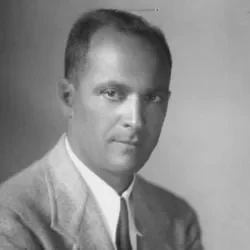
Henry Schultz
Born04 Sep, 1893
Died26 Nov, 1938
NationalityAmerican
Age at time of death45
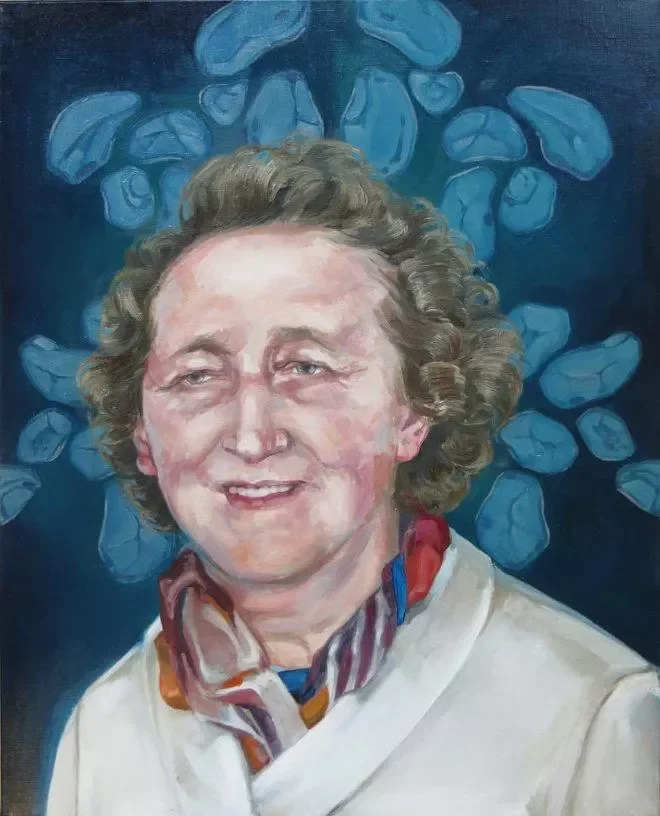
Phyllis Clinch
Born12 Sep, 1901
Died19 Oct, 1984
NationalityIrish
Age at time of death83
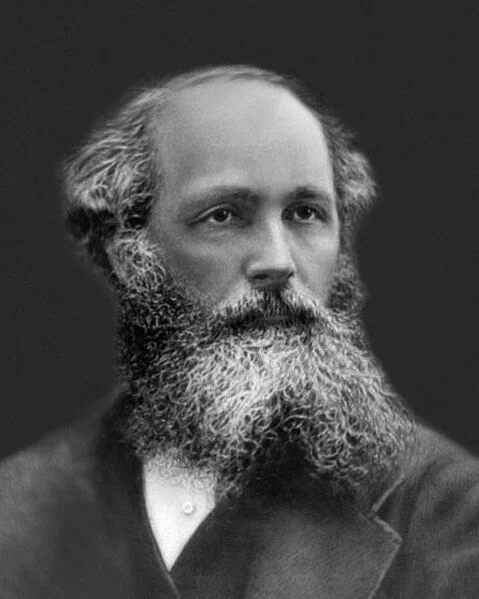
James Clerk Maxwell
Born13 Jun, 1831
Died05 Nov, 1879
NationalityScottish
Age at time of death48
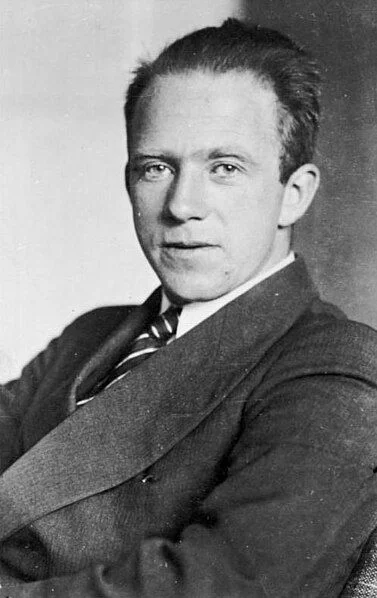
Werner Heisenberg
Born05 Dec, 1901
Died01 Feb, 1976
NationalityGerman
Age at time of death74
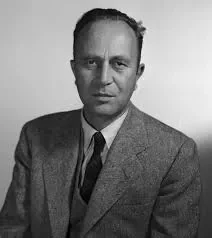
Joseph Gilbert Hamilton
Born11 Nov, 1907
Died18 Feb, 1957
NationalityAmerican
Age at time of death49
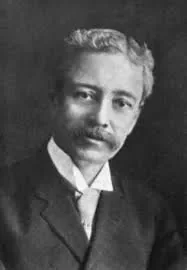
Henry Louis Smith
Born30 Jul, 1859
Died17 Feb, 1951
NationalityAmerican
Age at time of death91
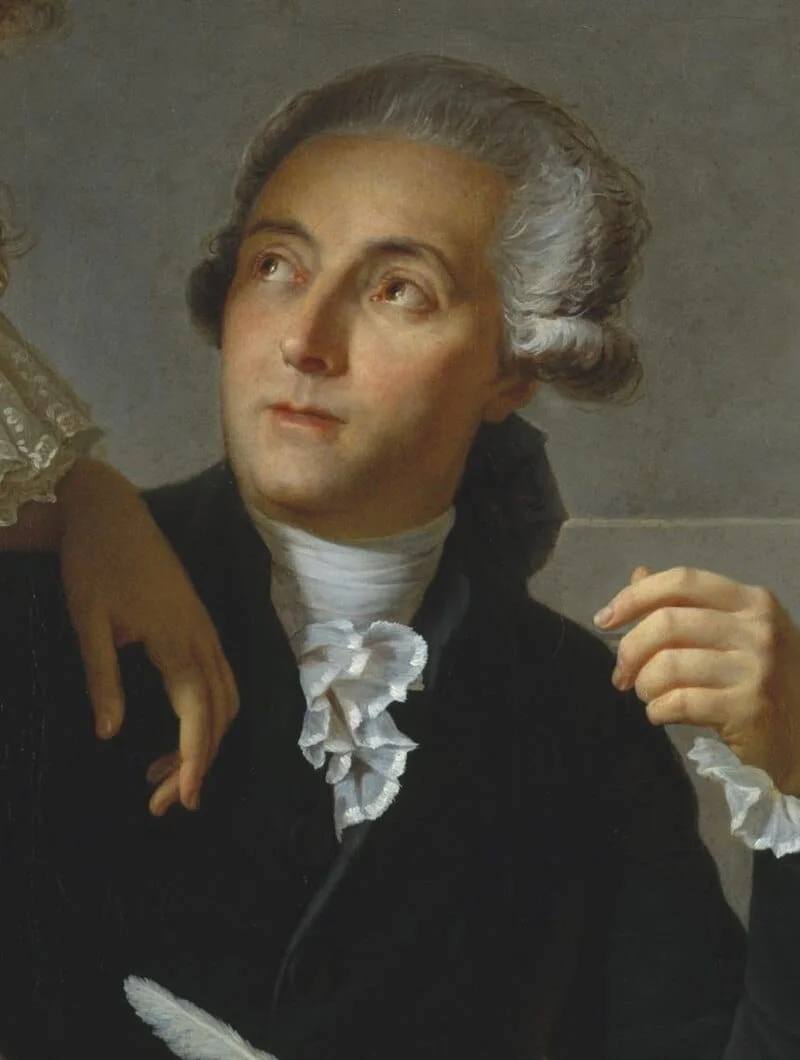
Antoine Lavoisier
Born26 Aug, 1743
Died08 May, 1794
NationalityFrench
Age at time of death50
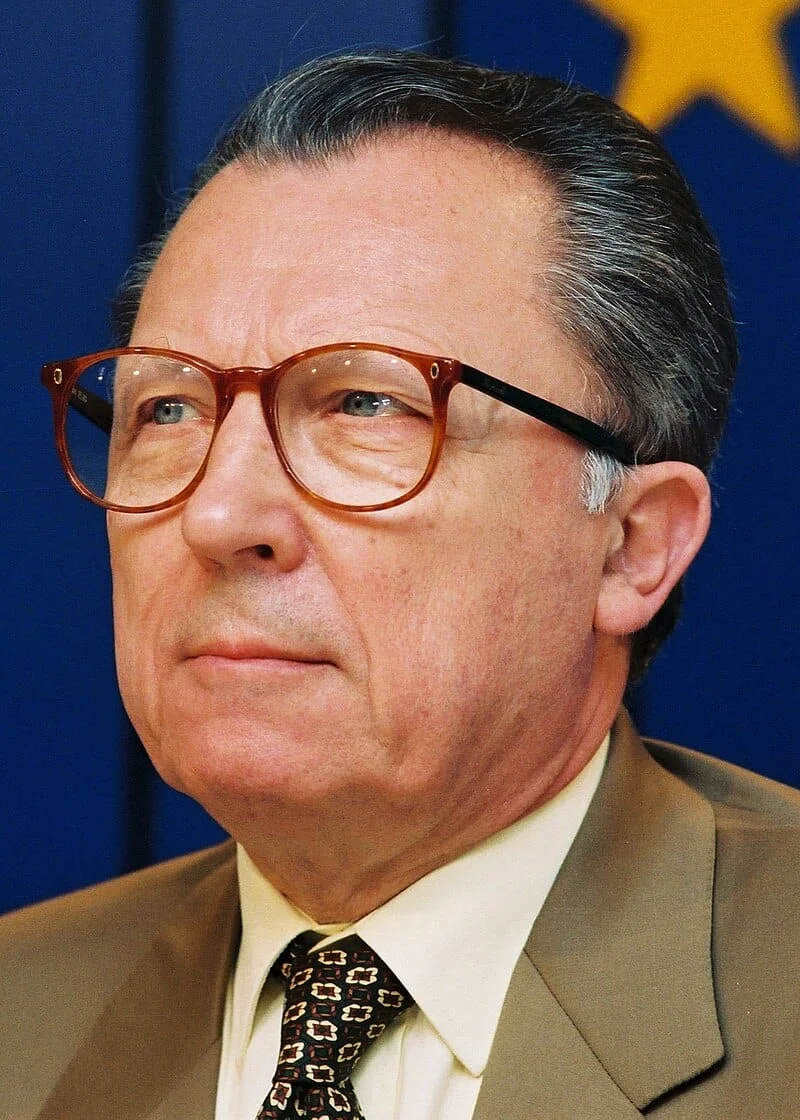
Jacques Delors
Born20 Jul, 1925
Died27 Dec, 2023
NationalityFrench
Age at time of death98
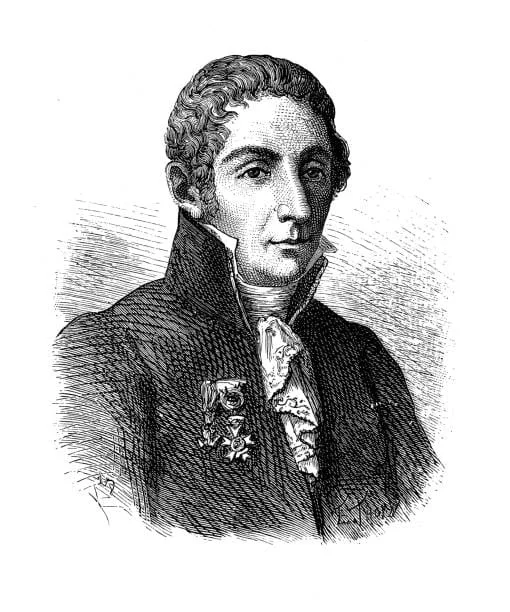
Alessandro Volta
Born18 Feb, 1745
Died05 Mar, 1827
NationalityItalian
Age at time of death82
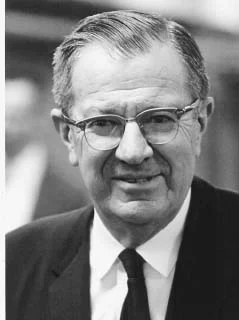
Frederick Emmons Terman ( Father of Silicone Valley)
Born07 Jun, 1900
Died19 Dec, 1982
NationalityAmerican
Age at time of death82
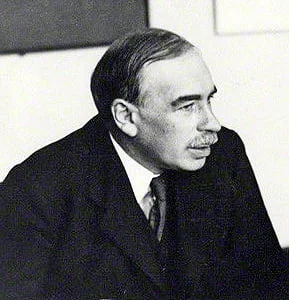
John Maynard Keynes
Born05 Jun, 1883
Died21 Apr, 1946
NationalityBritish
Age at time of death62
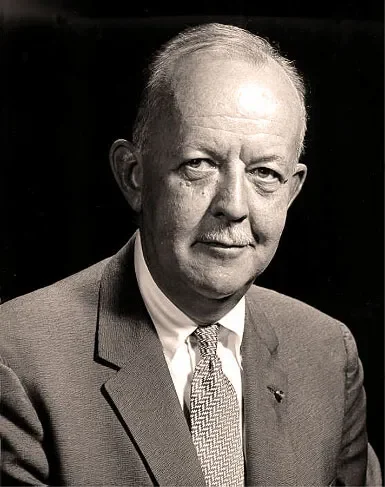
Howard Engstrom
Born23 Apr, 1902
Died08 Mar, 1962
NationalityAmerican
Age at time of death59
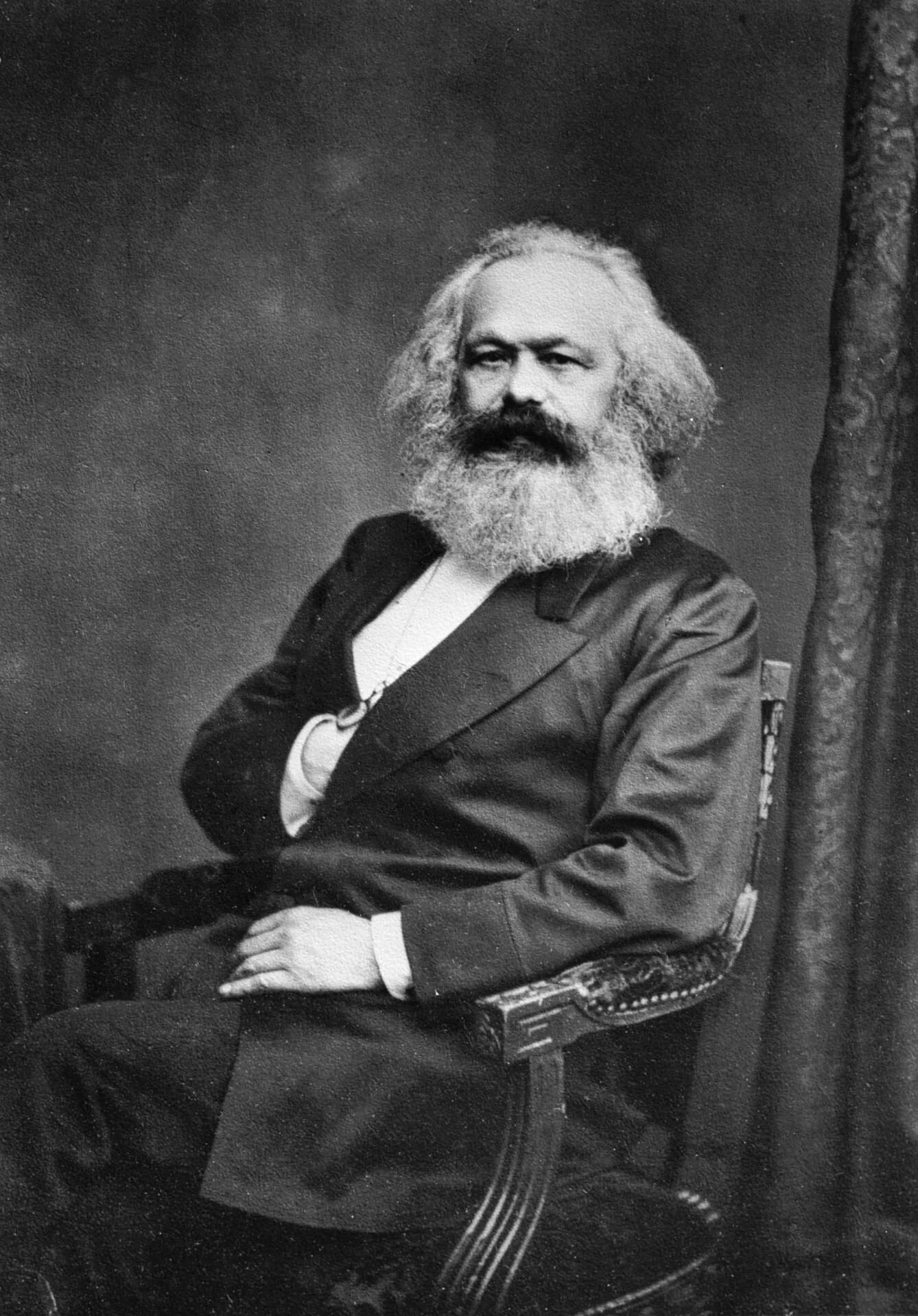
Karl Marx
Born05 May, 1818
Died14 Mar, 1883
NationalityGerman, Prussian
Age at time of death64
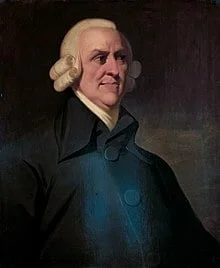
Adam Smith
Born05 Jun, 1723
Died17 Jul, 1790
NationalityScottish
Age at time of death67
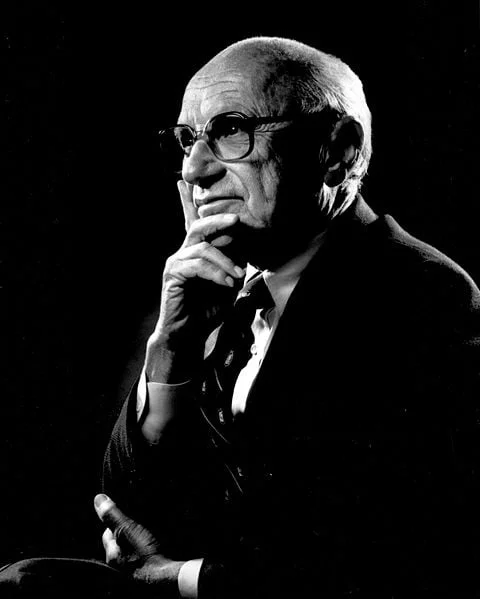
Milton Friedman
Born31 Jul, 1912
Died16 Nov, 2006
NationalityAmerican
Age at time of death94
Jean Piccard
Born28 Jan, 1884
Died28 Jan, 1963
NationalitySwiss, American
Age at time of death79
Isaac Asimov
Born02 Jan, 1920
Died06 Apr, 1992
NationalityRussianAmerican
Age at time of death72
Robert H. Goddard
Born05 Oct, 1882
Died10 Aug, 1945
NationalityAmerican
Age at time of death62
Toni Morrison
Born18 Feb, 1931
Died05 Aug, 2019
NationalityAmerican
Age at time of death88
Alexander Graham Bell
Born03 Mar, 1847
Died02 Aug, 1922
NationalityAmerican, Canadian, Scottish
Age at time of death75