Real Celebrities Never Die!
OR
Search For Past Celebrities Whose Birthday You Share
Died Age: 61
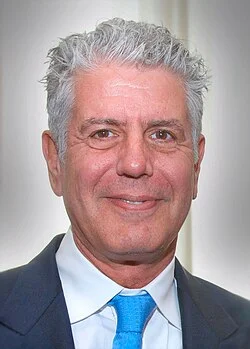
wikipedia.org
Anthony Bourdain
Birthday:
24 Jun, 1956
Date of Death:
07 Jun, 2018
Cause of death:
Suicided by Hanging
Nationality:
American
Famous As:
American celebrity chef
Age at the time of death:
61
Anthony Michael Bourdain's Quote's

“Travel changes you. As you move, you learn.”
Anthony Michael Bourdain
🔗 deadcelebrityhub.com
Early Life: A Restless Curiosity Begins
Anthony Bourdain was a chef who became far more than a chef—an unlikely philosopher of the road, a storyteller who used food as a lens to understand humanity, and a restless explorer whose curiosity reshaped how the world thinks about culture, travel, and taste. His voice—gravelly, wry, fearless—became one of the most recognizable in modern culinary storytelling. Yet his journey to that place of global influence was anything but straightforward.
Anthony Michael Bourdain was born on June 25, 1956, in New York City and raised in suburban New Jersey in a home filled with books, music, and spirited debate. His mother, Gladys, was a copy editor at The New York Times, known for her sharp intellect and even sharper editing pencil. His father, Pierre, was a classical music executive with a gentle, open-minded sensibility that Bourdain later credited for his appreciation of culture.
The family spent summers in France, where young Anthony discovered his first real romance—not with a person, but with flavor. A bowl of vichyssoise on a French ocean liner became, as he later recalled, a moment of revelation. That taste—cold, silky, quietly confident—hinted at a larger world beyond suburban routine. It was his first yes to adventure.
Trivia lovers appreciate this: Bourdain’s earliest culinary misdeed was stealing a raw pearl from an oyster he was shucking with friends as a teenager. He kept it for years, calling it his “first reward” in food.
Education: A Rougher Road
Before culinary school, Bourdain went through a rebellious phase. He drifted through Vassar College for two years, admitting later that he spent more time reading crime fiction and listening to punk music than attending class. But one summer job washing dishes in Provincetown shifted his path. In the chaotic, sweaty energy of a commercial kitchen, he felt something click—a sense of belonging among misfits who understood hard work, sarcasm, and scars.
He enrolled in the Culinary Institute of America, graduating in 1978. Though he joked that he was “never the best student,” the CIA gave him tools, structure, and technique. More importantly, it showed him the seriousness of the craft he’d stumbled into.
Early Career: The Line Cook Who Never Smoothed His Edges
For two decades, Bourdain became the archetype of the New York chef—sleeves rolled up, working the line in packed, underfunded, overheated kitchens. He cooked everywhere from rainbow-checked diners to respected French restaurants, collecting burns, debts, and stories along the way.
He was known for being sharp-tongued, fiercely loyal to his crew, and unpretentious—qualities that later made him a magnetic television presence. But at the time, he was simply trying to survive New York’s brutal restaurant world.
One fun detail: Bourdain developed a reputation for his elaborate pre-service pep talks that veered between stand-up comedy and locker-room rallying cry.
Breakthrough: The Article That Changed Everything
In 1999, while working as the executive chef at Brasserie Les Halles, he wrote an article for The New Yorker titled “Don’t Eat Before Reading This.” It was raw, mischievous, and hilariously honest, exposing the chaos and swagger of professional kitchens. The piece went viral before “viral” was even a thing.
That article became the basis for his breakout memoir, Kitchen Confidential (2000), a book that transformed him from chef to full-fledged public figure. Critics praised its gritty authenticity; readers devoured its scandalous charm. It became a cultural moment—lifting the curtain on kitchen life and making Anthony Bourdain the unlikely literary star of the culinary world.
Mid-Career: The World Opens Up
Television soon followed. His first show, A Cook’s Tour, aired in 2002, sending him across continents in search of extraordinary meals. But it was with No Reservations (2005–2012) and later Parts Unknown (2013–2018) that he stepped into his full power.
These weren’t “food shows” in the traditional sense. They were cultural dispatches—part anthropology, part memoir, part journey into the unexpected corners of humanity. He ate everything from street noodles in Hanoi to warthog anus in Namibia, but the real heart of each episode was the people he met: fishermen, poets, home cooks, refugees, rebels, grandmothers stirring pots of inherited history.
He became known for his effortless humility. Cameras often showed him doing what he did best: sitting at a plastic table, knees up to his chest, listening intently to someone whose voice the world rarely heard.
Challenges and Turning Points
Bourdain’s honesty extended beyond the screen. He spoke with openness about his early struggles with addiction, using his own story to advocate for compassion toward others facing the same battles. His later years also saw him emerge as a strong supporter of social justice issues, including publicly backing survivors during the #MeToo movement.
Travel changed him. It softened his edges, deepened his empathy, and broadened his sense of responsibility as a storyteller. He once said that travel taught him that “the more you know, the less you know”—a mantra that guided the evolution of his work.
Personal Life: The Man Behind the Myth
Though he spent much of his life in motion, Bourdain was deeply connected to the people he loved. He was married twice and later became a devoted father to his daughter, Ariane, who he often said grounded him in ways nothing else could.
He was a voracious reader, a comic book fan, and a lover of Brazilian jiu-jitsu, which he took up in his 50s with the intensity of a teenager discovering a new passion.
And in a detail that surprises many: despite his globe-trotting palate, he had a simple culinary weakness—an abiding love for a good, old-fashioned New York hot dog.
Legacy: A Voice That Still Echoes
Anthony Bourdain’s death in 2018 left a global vacuum. Fans mourned not only the chef and writer, but the advocate, listener, and bridge-builder. His impact lives on in the countless viewers he inspired to travel more openly, eat more adventurously, and approach people—especially strangers—with curiosity rather than judgment.
His legacy is a tapestry made of stories he amplified, cultures he honored, and barriers he helped dissolve. He changed food television, yes—but more importantly, he changed how we see the world.
Anthony Bourdain is remembered as a wanderer with purpose, a storyteller with a chef’s heart, and a man who taught us that every meal has a story—and every story is worth hearing.
Profile Snapshot
Name:
Anthony Michael Bourdain
Popular Name:
Anthony Bourdain
Gender:
Male
Cause of Death:
Suicided by Hanging
Spouse:
Anne C
Putkoski
Ottavia Bourdain
Place of Birth:
New York City, U.S.
Place of Death:
Kaysersberg Vignoble, France
Occupation / Profession:
American celebrity chef
Author
Travel documentarian
Personality Type
Adventurer: A bold, curious, and witty explorer of the world, Anthony Bourdain thrived on intellectual challenges, new experiences, and connecting with people across cultures.
Anthony Michael Bourdain's Interesting Facts
Anthony Bourdain’s breakout memoir Kitchen Confidential was originally meant to be a short article before it transformed him into a global food icon.
He practiced Brazilian jiu-jitsu and even earned a blue belt, often training while filming his travel shows.
Bourdain was an outspoken advocate for street food, frequently highlighting small local vendors over Michelin-starred restaurants.
Before becoming famous, he washed dishes and worked his way up through nearly every job in a professional kitchen.
Achievements & Awards
Anthony Bourdain won multiple Emmy Awards for Anthony Bourdain: Parts Unknown, including honors for writing, editing, and sound.
He received the Peabody Award for outstanding storytelling and cultural exploration, and was inducted into the James Beard Foundation’s “Who’s Who of Food & Beverage in America” for his culinary impact. Additionally, he earned an honorary Doctor of Humane Letters in Culinary Arts and was posthumously awarded the National Humanities Medal for his work in broadening public understanding of global cultures.
External Links
Additional Links
Latest Profiles
People also viewed
Eva Crane
Born12 Jun, 1912
Died06 Sep, 2007
NationalityBritish
Age at time of death95
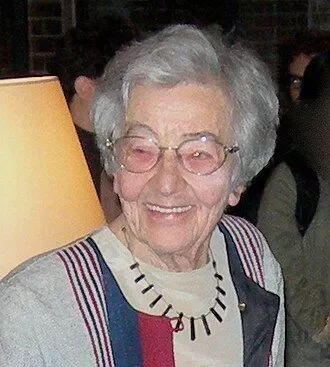
Ursula Franklin
Born16 Sep, 1921
Died22 Jul, 2016
NationalityGerman, Canadian
Age at time of death94
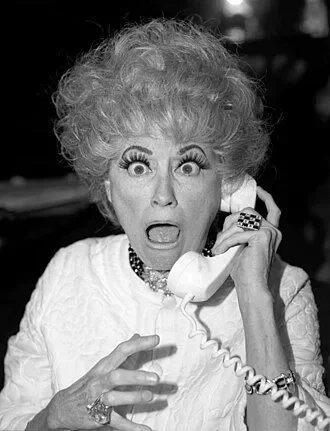
Phyllis Diller
Born17 Jul, 1917
Died20 Aug, 2012
NationalityAmerican
Age at time of death95
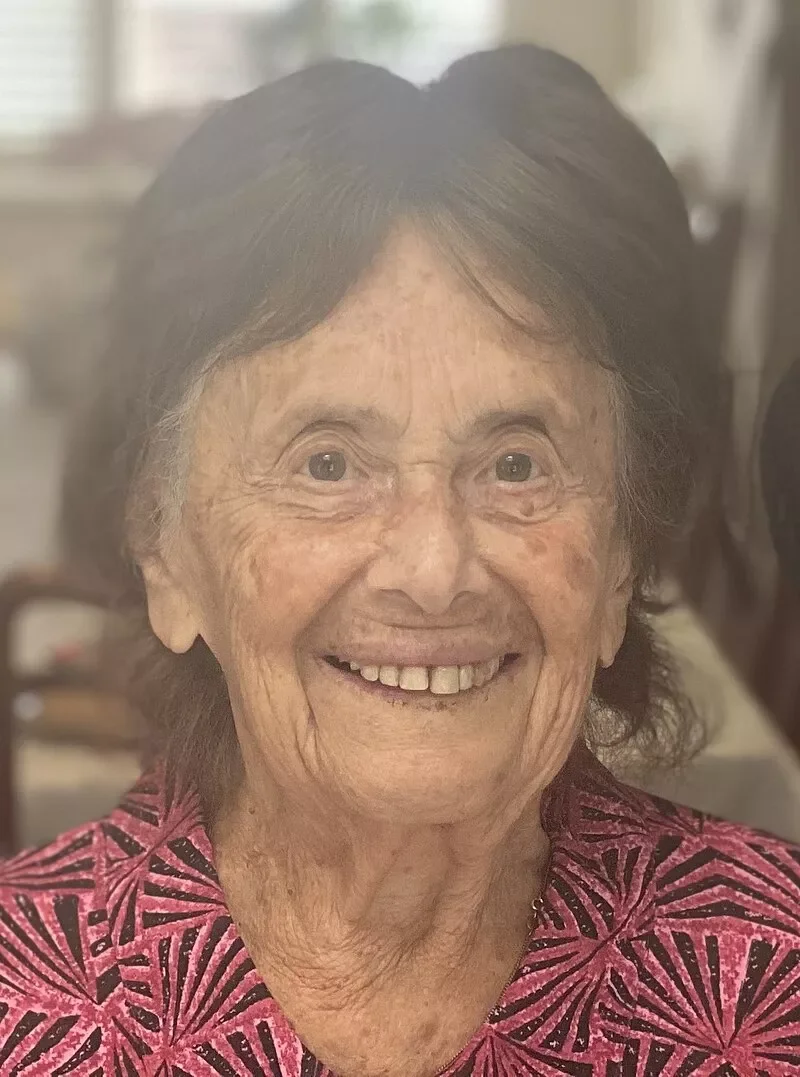
Lily Ebert
Born29 Dec, 1923
Died09 Oct, 2024
NationalityHungarian, British
Age at time of death100
Jonas Cohn
Born01 Dec, 1869
Died28 Jan, 1947
NationalityGerman
Age at time of death77
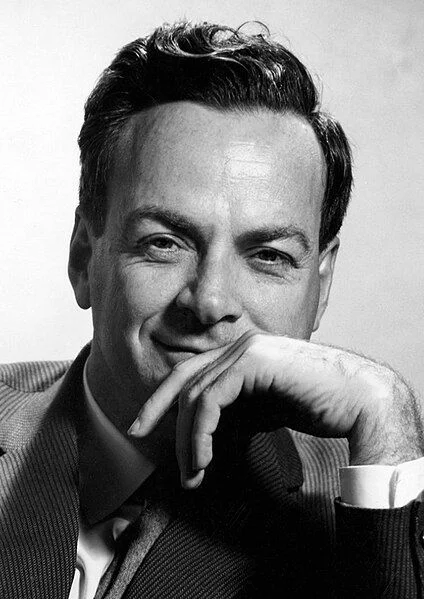
Richard Feynman
Born11 May, 1918
Died15 Feb, 1988
NationalityAmerican
Age at time of death69
Marshall Brain
Born17 May, 1961
Died20 Nov, 2024
NationalityAmerican
Age at time of death63

Tina Turner
Born26 Nov, 1939
Died24 May, 2023
NationalityAfrican, American
Age at time of death83
Eric Morecambe
Born14 May, 1926
Died28 May, 1984
NationalityBritish
Age at time of death58
A. W. Tozer
Born21 Apr, 1897
Died12 May, 1963
NationalityAmerican, Canadian
Age at time of death66
P. T. Barnum
Born05 Jul, 1810
Died07 Apr, 1891
NationalityAmerican
Age at time of death80
Stephen Hawking
Born08 Jan, 1942
Died14 Mar, 2018
NationalityEnglish
Age at time of death76
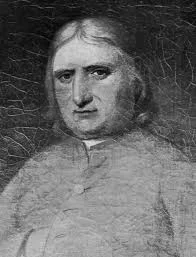
George Fox
Born04 Jul, 1624
Died13 Jan, 1691
NationalityEnglish
Age at time of death66
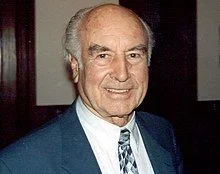
Albert Hofmann
Born11 Jan, 1906
Died29 Apr, 2008
NationalitySwiss
Age at time of death102
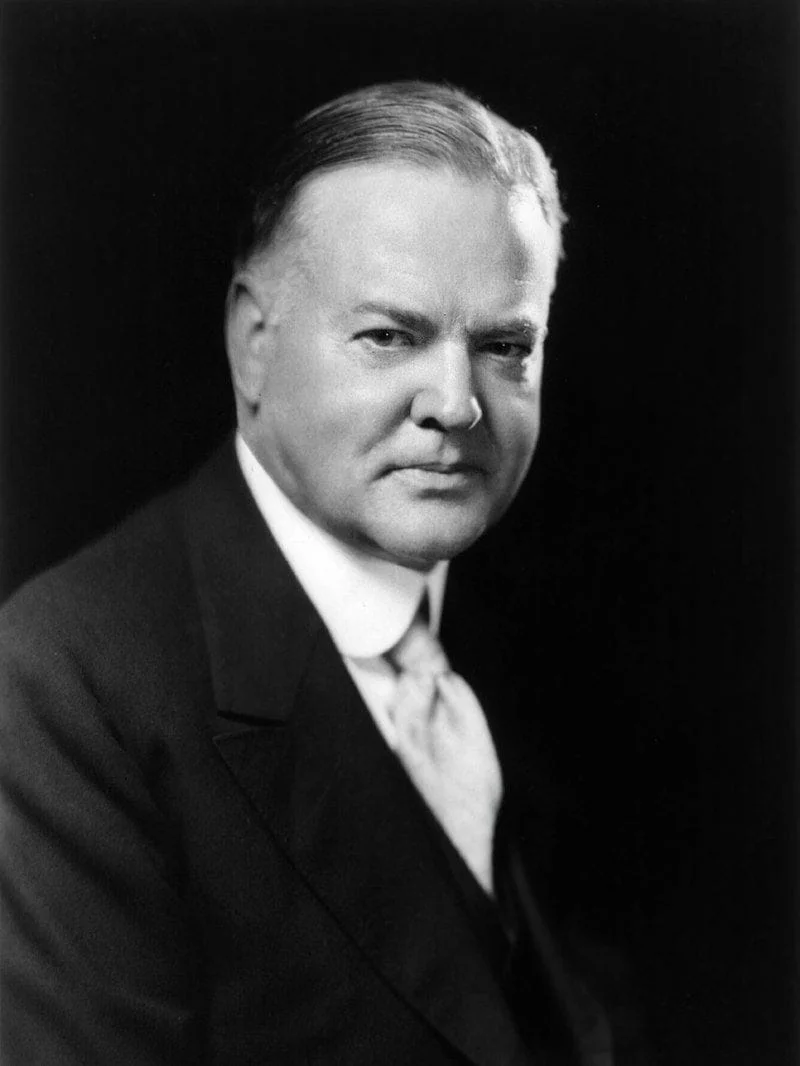
Herbert Hoover
Born10 Aug, 1874
Died20 Oct, 1964
NationalityAmerican
Age at time of death90

Jade Goody
Born05 Jun, 1981
Died22 Mar, 2009
NationalityBritish
Age at time of death27
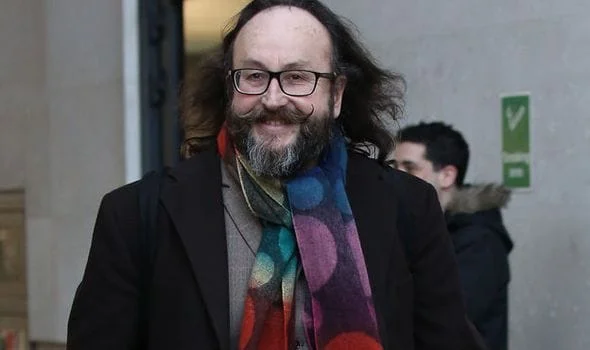
Dave Myers
Born08 Sep, 1967
Died28 Feb, 2024
NationalityBritish
Age at time of death56
Larry King
Born19 Nov, 1933
Died23 Jan, 2021
NationalityAmerican
Age at time of death87
Ruth Wakefield
Born17 Jun, 1903
Died10 Jan, 1977
NationalityAmerican
Age at time of death73
Carolyn Keene
Born20 Oct, 1925
Died28 May, 2002
NationalityAmerican
Age at time of death76