Real Celebrities Never Die!
OR
Search For Past Celebrities Whose Birthday You Share
Died Age: 92
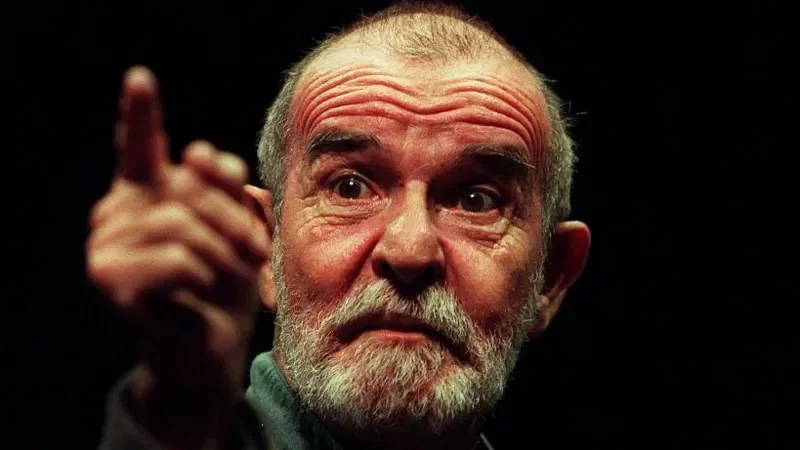
ichef.bbci.co.uk
Athol Fugard
Birthday:
11 Jun, 1932
Date of Death:
08 Mar, 2025
Cause of death:
Cardiac Event
Nationality:
South African
Famous As:
Actor
Age at the time of death:
92
Harold Athol Lanigan Fugard 's Quote's

“I have never been able to plan my writing. I write in response to something that touches me deeply.”
Harold Athol Lanigan Fugard
🔗 deadcelebrityhub.com
Early Life: Stories on the Edge of a Divided World
Athol Fugard didn’t just write plays — he chronicled the conscience of a nation. With a pen sharpened by outrage and empathy, Fugard exposed the raw wounds of apartheid-era South Africa and illuminated the complex humanity that endured within it. A playwright, director, actor, and witness, Fugard became a moral force in global theatre — not by shouting from a pedestal, but by listening, observing, and writing the truth as he saw it. Through simple settings and deeply human characters, he captured the dignity of the marginalized and forced audiences to reckon with injustice.
Harold Athol Lanigan Fugard was born on June 11, 1932, in the small town of Middelburg, in South Africa’s Eastern Cape. He grew up in Port Elizabeth, a port city that would later serve as the backdrop for much of his work. His upbringing was marked by stark contrasts: his mother, Elizabeth, was an Afrikaner and devout Christian who ran a general store and embodied resilience; his father, Harold, an English-speaking alcoholic and former jazz pianist, was emotionally distant but culturally influential.
It was a household where silence hung heavy, and observation became a form of survival. Athol, the only son, learned early to read the tensions in the room — a skill that would later underpin the emotional precision of his plays.
Though born into the privileged class under apartheid, Fugard’s earliest impressions were shaped by the everyday workers and Black South Africans who passed through his mother’s shop. These encounters ignited a sense of injustice that would smolder beneath his storytelling for decades.
A little-known fact: as a young boy, Fugard loved comic books and dreamed of becoming a race-car driver before theatre claimed his imagination.
Education: A Restless Mind, Unfinished Paths
Fugard enrolled at the University of Cape Town in 1950 to study philosophy and social anthropology. But he never completed his degree. Restless, inquisitive, and drawn to real life over academia, he left university to travel the country, even working briefly as a deckhand aboard a steamer ship — a chapter that deepened his empathy for working-class lives.
He later joined the Johannesburg Repertory Theatre and worked as a court clerk in a Native Commissioner’s Court, where he witnessed firsthand the brutal bureaucracies of apartheid. That experience left a permanent mark — the theatre of justice in South Africa was, in fact, a farce. His plays would become a protest against that performance.
Career Journey
Early Works: A Quiet Revolution Begins
Fugard’s first major play, “No-Good Friday” (1958), was performed by an interracial cast — a revolutionary act in apartheid South Africa. The government banned interracial performances, so Fugard and his collaborators staged plays in private spaces, sometimes illegally, sometimes at great personal risk.
In 1961, “The Blood Knot”, a play about two Coloured brothers — one light-skinned enough to pass as white — stunned audiences. With its intimate portrayal of race, identity, and brotherhood, it marked Fugard as a radical voice. He starred in the play himself, opposite Black actor Zakes Mokae — an act that defied apartheid law and drew the ire of the authorities.
Despite censorship, surveillance, and visa restrictions, Fugard continued to write and direct plays that documented the human cost of segregation. He often collaborated with Black South African actors and playwrights, including John Kani and Winston Ntshona, fostering a uniquely South African style of ensemble-driven theatre.
Global Recognition: Conscience on the World Stage
By the 1970s, Fugard’s work had reached London and New York, even as he remained under tight scrutiny at home. “Sizwe Banzi Is Dead” and “The Island” — co-written with Kani and Ntshona — drew international acclaim for their poetic indictment of apartheid and their subtle blend of humor, resistance, and tragedy.
In 1982, Fugard wrote “‘Master Harold’... and the Boys”, a semi-autobiographical masterpiece that explored the tensions between a white teenage boy and the two Black men who raised him. The play — deceptively simple in setting — packed a devastating emotional punch. It became one of the most widely produced anti-apartheid dramas worldwide.
Despite the global praise, Fugard remained grounded. He refused to become the “white liberal savior,” instead using his platform to amplify others, never losing sight of the stories that mattered most — the ones from home.
Later Career: The Chronicler of Change
With apartheid's collapse in the early 1990s, Fugard’s role as South Africa’s moral dramatist entered a new chapter. Some wondered whether his work would still resonate in the new South Africa. But Fugard evolved, shifting from resistance to reflection. Plays like “My Children! My Africa!” and “Valley Song” explored generational divides, memory, and the hope — and disillusionment — of the post-apartheid era.
He remained prolific well into his later years, even appearing in films like “Gandhi” (1982) and writing novels, including Tsotsi, which was adapted into the Academy Award–winning film of the same name.
Personal Life: Solitude, Partnership, and Place
Fugard was married to South African novelist Sheila Meiring Fugard, with whom he had a daughter, Lisa Fugard, now a writer herself. Though their marriage ended, the creative partnership endured in spirit. Fugard often spoke of his need for solitude — retreating to the Karoo desert or to his writing desk in Nieu-Bethesda, where he penned many of his works.
Despite international success, he chose to live most of his life in South Africa. “You can’t write about the dust unless you walk in it,” he once said. He remained a quiet presence — walking, observing, scribbling — while his plays traveled the world.
A curious tidbit: Fugard never formally trained as a playwright. He taught himself structure and rhythm by reading Chekhov, Beckett, and Tennessee Williams — all of whom would become stylistic touchstones in his work.
Legacy: Theatre as a Mirror, Not a Mask
Athol Fugard’s impact goes far beyond scripts and stages. He helped reshape global perceptions of South Africa and its people, not through polemic but through empathy. His plays gave audiences not just a window into apartheid’s horrors, but a mirror into their own humanity.
He is remembered as a literary dissident who stood up without preaching, a dramatist who believed the smallest human gestures could carry the weight of a nation’s struggle. Fugard made political theatre without ever writing propaganda — a balance few have achieved with such grace.
Today, his works are taught in classrooms, performed in theatres from Soweto to Sydney, and revered for their emotional honesty and quiet courage. He may have started as a boy from Port Elizabeth, but his voice became a global conscience.
In the end, Fugard’s legacy is simple but profound: he bore witness. And in doing so, he made sure the world couldn’t look away.
Profile Snapshot
Name:
Harold Athol Lanigan Fugard
Popular Name:
Athol Fugard
Gender:
Male
Cause of Death:
Cardiac Event
Spouse:
Sheila Meiring
Paula Fourie
Place of Birth:
Middleburg, Cape Province, South Africa
Place of Death:
Stellenbosch, Western Cape, South Africa
Occupation / Profession:
Actor
Director
Novelist
South African playwright
Personality Type
Advocate Quiet and mystical, yet very inspiring and tireless idealists. Athol Fugard is a quiet yet passionate idealist whose work reflects a deep sense of justice, empathy, and a desire to inspire meaningful change through storytelling.
Harold Athol Lanigan Fugard 's Interesting Facts
Athol Fugard is a renowned South African playwright whose works often highlight the struggles of apartheid and its impact on the people of South Africa.
Despite facing censorship and government opposition, Fugard continued to write plays that offered a sharp critique of South African society.
Fugard’s most famous play, "The Blood Knot", was first staged in 1961 and is considered a groundbreaking piece in post-apartheid theatre.
He founded the Serpent Players theatre company in 1956, which aimed to bring politically charged theatre to a segregated South Africa.
Achievements & Awards
Among his honors are the Tony Award for Lifetime Achievement, several Obie Awards, and the Order of Ikhamanga in Silver from the South African government for his contribution to literature and human rights.
Athol Fugard has received numerous prestigious awards for his powerful work in theater, especially for highlighting the injustices of apartheid in South Africa.
His plays continue to be celebrated globally for their emotional depth and social impact.
External Links
Additional Links
Latest Profiles
People also viewed
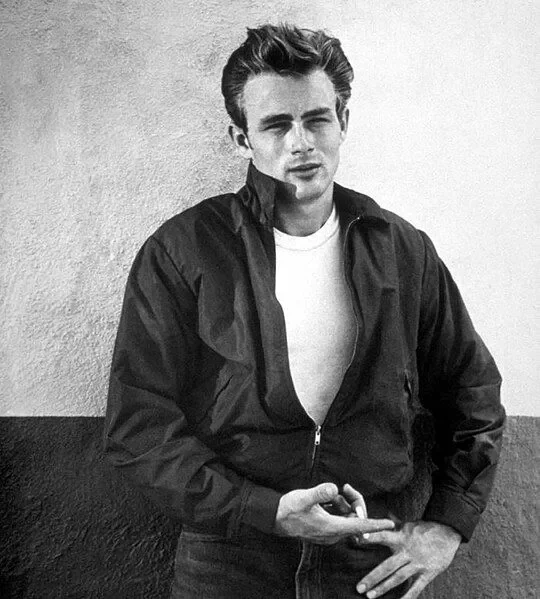
James Dean
Born08 Feb, 1931
Died30 Sep, 1955
NationalityAmerican
Age at time of death24
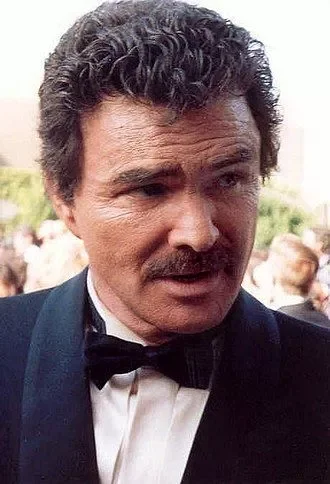
Burt Reynolds
Born11 Feb, 1936
Died06 Sep, 2018
NationalityAmerican
Age at time of death82
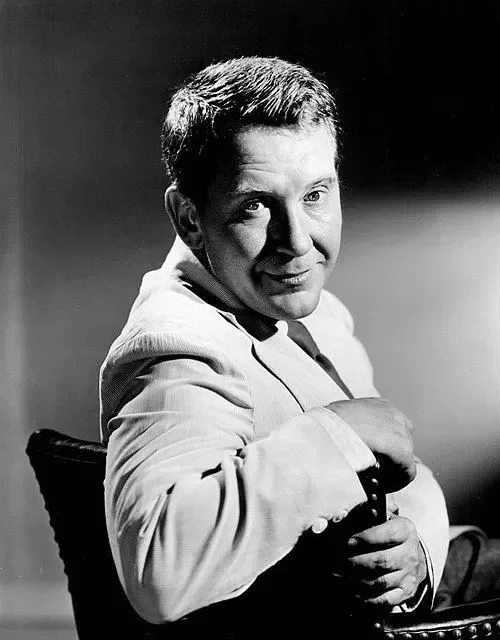
Oliver Burgess Meredith
Born16 Nov, 1907
Died09 Sep, 1997
NationalityAmerican
Age at time of death89
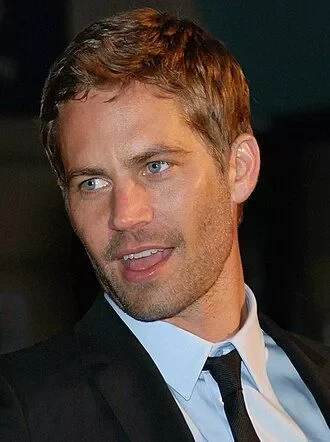
Paul Walker
Born12 Sep, 1973
Died30 Nov, 2013
NationalityAmerican
Age at time of death40
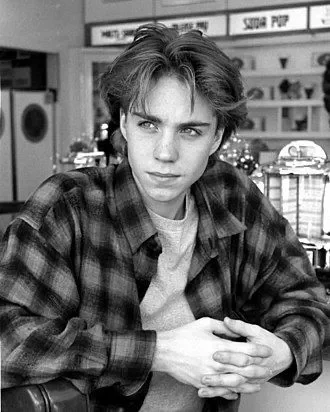
Jonathan Brandis
Born13 Apr, 1976
Died12 Nov, 2003
NationalityAmerican
Age at time of death27
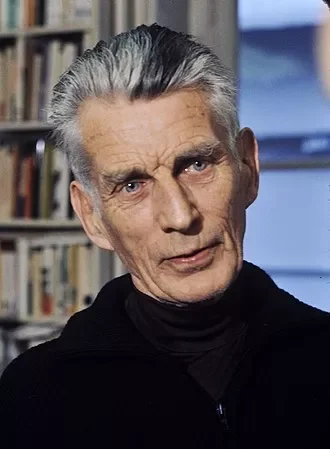
Samuel Beckett
Born13 Apr, 1906
Died22 Dec, 1989
NationalityIrish
Age at time of death83
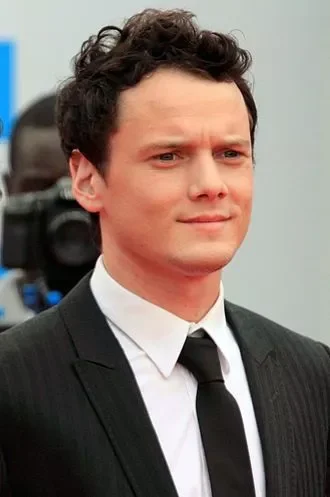
Anton Yelchin
Born11 Mar, 1989
Died19 Jun, 2016
NationalityAmerican
Age at time of death27
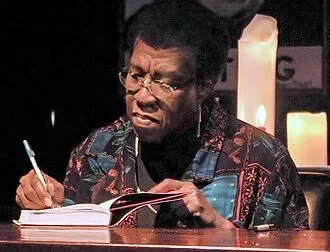
Octavia Butler
Born22 Jun, 1947
Died24 Feb, 2006
NationalityAmerican
Age at time of death58
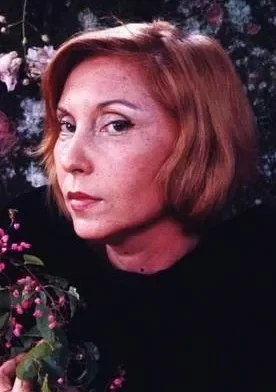
Clarice Lispector
Born10 Dec, 1920
Died09 Dec, 1977
NationalityBrazilian
Age at time of death56
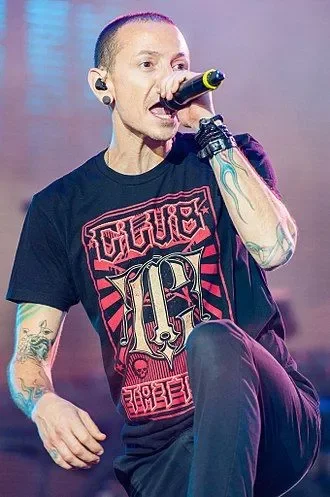
Chester Bennington
Born20 Mar, 1976
Died20 Jul, 2017
NationalityAmerican
Age at time of death41
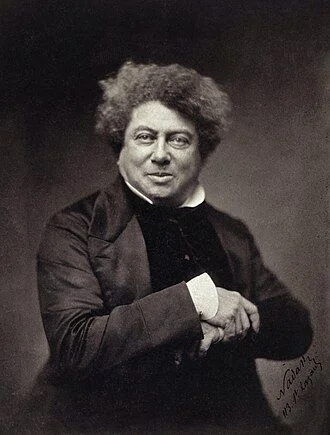
Alexandre Dumas
Born24 Jul, 1802
Died05 Dec, 1870
NationalityFrench
Age at time of death68
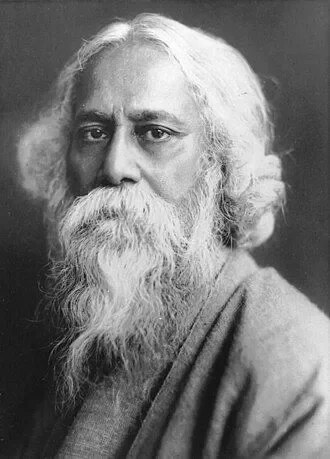
Rabindranath Tagore
Born07 May, 1861
Died08 Aug, 1941
NationalityIndian
Age at time of death80
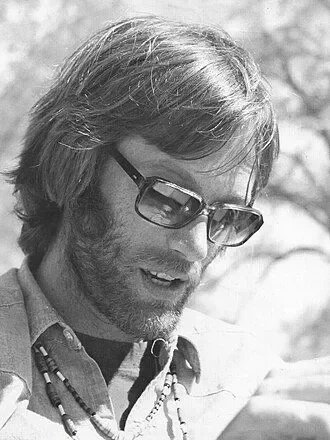
Peter Fonda
Born23 Feb, 1940
Died16 Aug, 2019
NationalityAmerican
Age at time of death79
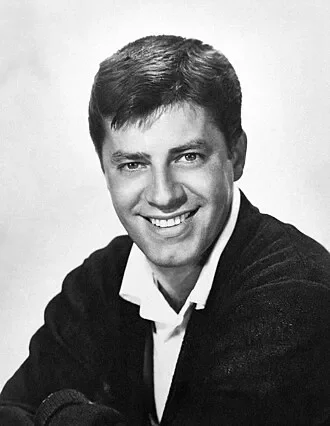
Jerry Lewis
Born16 Mar, 1926
Died20 Aug, 2017
NationalityAmerican
Age at time of death91
George Trow
Born28 Sep, 1943
Died24 Nov, 2006
NationalityAmerican
Age at time of death63
Marlon Brando
Born03 Apr, 1924
Died01 Jul, 2004
NationalityAmerican
Age at time of death80
James Stewart
Born20 May, 1908
Died02 Jul, 1997
NationalityAmerican
Age at time of death89
Guy de Maupassant
Born05 Aug, 1850
Died06 Jul, 1893
NationalityFrench
Age at time of death42

Cory Monteith
Born11 May, 1982
Died13 Jul, 2013
NationalityCanadian
Age at time of death31
Christopher Lee
Born27 May, 1922
Died07 Jun, 2015
NationalityBritish
Age at time of death93