Real Celebrities Never Die!
OR
Search For Past Celebrities Whose Birthday You Share
Died Age: 90
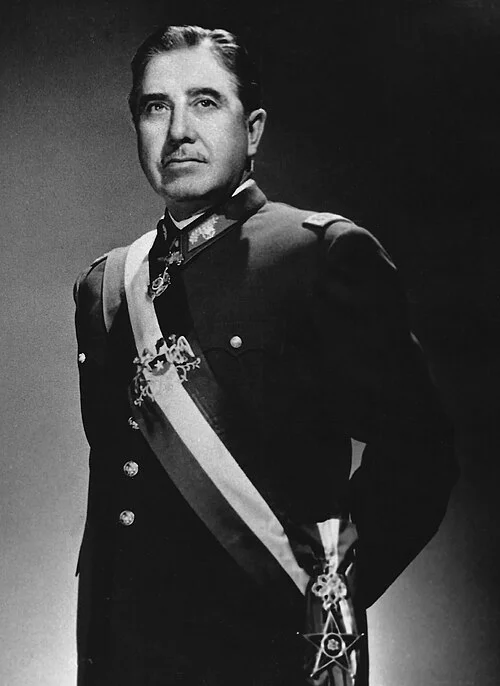
wikipedia.org
Augusto Pinochet
Birthday:
25 Nov, 1915
Date of Death:
10 Oct, 2006
Cause of death:
Congestive heart failure and pulmonary edema
Nationality:
Chilean
Famous As:
Dictator
Age at the time of death:
90
Augusto José Ramón Pinochet Ugarte's Quote's

“I regret nothing; I did what was necessary.”
Augusto José Ramón Pinochet Ugarte
🔗 deadcelebrityhub.com
Augusto Pinochet: Early Life
Augusto José Ramón Pinochet Ugarte was born on November 25, 1915, in the coastal city of Valparaíso, Chile. As a native Chilean, his life would come to embody the complexities and controversies of his homeland’s political and social evolution. Pinochet was the eldest of six children in a middle-class family. His father, Augusto Pinochet Vera, worked as a customs officer, while his mother, Avelina Ugarte Martínez, was a homemaker. This modest upbringing shaped his early years, instilling discipline and ambition that would later define his military career.
Education and Formative Years
Pinochet attended the Military Academy in Santiago, graduating in 1936 as a second lieutenant in the Chilean Army. His formative years were marked by a steady rise through the ranks of the military. Over time, he developed a reputation for diligence and loyalty to the institution. These qualities earned him key assignments and promotions that positioned him as one of Chile’s most prominent military figures by the early 1970s.
Personal Life
In 1943, Augusto Pinochet married Lucía Hiriart Rodríguez, with whom he had five children. Their marriage remained intact throughout his life, and Lucía played a significant role in supporting his political ambitions. Despite controversies surrounding Pinochet’s rule, Lucía stood by his side during both his rise to power and the tumultuous years that followed.
Professional Career and Rise to Power
Pinochet’s military career spanned decades before he entered politics. In August 1973, President Salvador Allende appointed him Commander-in-Chief of the Chilean Army—a decision that would have far-reaching consequences. On September 11, 1973, Pinochet led a military coup that overthrew Allende’s socialist government. The coup marked a turning point in Chilean history, as it ended civilian rule and ushered in nearly two decades of authoritarian governance. Following the coup, Pinochet assumed leadership of the ruling junta and later declared himself President of Chile in December 1974. His regime was characterized by political repression, including widespread arrests, torture, and executions of opponents. Tens of thousands were affected by these measures during his rule. Simultaneously, Pinochet implemented sweeping economic reforms inspired by neoliberal principles advocated by economists known as the “Chicago Boys.” These policies stabilized inflation but also exacerbated inequality and economic hardship for lower-income groups.
Major Contributions and Impact
Pinochet’s leadership left an indelible mark on Chile’s political landscape. While supporters credit him with saving Chile from economic collapse and steering it toward modernization through privatization and free-market policies, critics highlight the human rights abuses committed under his regime. His government arrested approximately 130,000 people during its first three years alone; many were tortured or disappeared. In 1980, Pinochet enacted a constitution granting himself an extended presidential term until 1989. However, a plebiscite held in 1988 rejected his continued rule beyond 1990. This led to democratic elections that installed Patricio Aylwin as president in 1990. Although Pinochet stepped down from power officially, he retained influence as Commander-in-Chief of the Army until 1998.
Legal Troubles and Legacy
Pinochet’s post-presidency years were marred by legal battles over allegations of human rights violations and corruption during his rule. In October 1998, he was arrested in London following Spain’s request for extradition on charges of genocide and terrorism involving Spanish nationals in Chile. He was eventually released due to health concerns but faced further legal challenges upon returning to Chile. Despite being stripped of immunity from prosecution multiple times between 2000 and 2005, Pinochet never stood trial due to claims of mental unfitness or procedural delays. He died on December 10, 2006, at age 91 in Santiago from heart failure following complications from surgery. Pinochet’s legacy remains deeply polarizing. Supporters view him as a savior who rescued Chile from socialism and economic instability, while detractors condemn him for human rights abuses and authoritarianism. To this day, debates over his impact continue to divide public opinion within Chile and beyond.
Profile Snapshot
Name:
Augusto José Ramón Pinochet Ugarte
Popular Name:
Augusto Pinochet
Gender:
Male
Cause of Death:
Congestive heart failure and pulmonary edema
Spouse:
Lucía Hiriart Rodríguez
Place of Birth:
Valparaíso, Chile
Place of Death:
Santiago, Chile
Occupation / Profession:
Dictator
Military Officer
Politician
Personality Type
Executive: Excellent administrators, unsurpassed at managing things – or people. He was known for order, discipline, and decisive leadership.
Augusto José Ramón Pinochet Ugarte's Interesting Facts
He claimed to have saved Chile from communism.
He enjoyed fencing and horseback riding in his youth.
His regime killed or disappeared over 3,000 people, per official reports.
Pinochet was arrested in London in 1998 on human rights charges but never extradited.
Achievements & Awards
Implemented neoliberal economic policies with the "Chicago Boys."
Led the 1973 military coup in Chile.
Received the Order of Merit of Chile (military rank).
Remained Commander-in-Chief of the Chilean Army until 1998.
Served as President of Chile (1973–1990).
External Links
Additional Links
https://kids.britannica.com/students/article/Augusto-Pinochet/312987https://study.com/academy/lesson/the-chilean-revolution-augusto-pinochet.htmlhttps://www.biography.com/political-figures/augusto-pinochethttps://www.britannica.com/biography/Augusto-Pinochethttps://www.britannica.com/summary/Augusto-Pinochethttps://www.imdb.com/name/nm0684496/bio/https://www.independent.co.uk/news/obituaries/general-augusto-pinochet-427998.html
Latest Profiles
People also viewed
Gerald Ford
Born14 Jul, 1913
Died26 Dec, 2006
NationalityAmerican
Age at time of death93
Colonel Sir Benjamin Thompson, Count Rumford
Born26 Mar, 1753
Died21 Aug, 1814
NationalityAmerican, British
Age at time of death61
James Stewart
Born20 May, 1908
Died02 Jul, 1997
NationalityAmerican
Age at time of death89
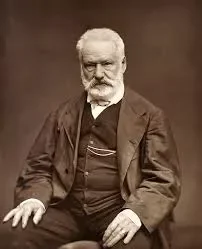
Victor Hugo
Born26 Feb, 1802
Died22 May, 1885
NationalityFrench
Age at time of death83
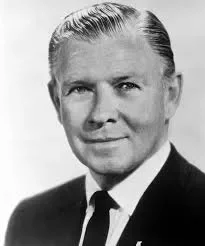
George Murphy
Born04 Jul, 1902
Died03 May, 1992
NationalityAmerican
Age at time of death89
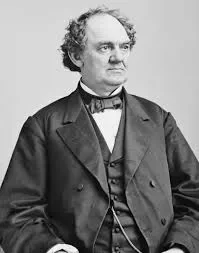
P. T. Barnum
Born05 Jul, 1810
Died07 Apr, 1891
NationalityAmerican
Age at time of death80
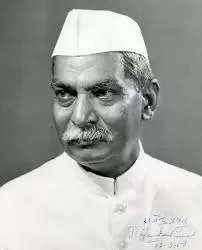
Rajendra Prasad
Born03 Dec, 1884
Died28 Feb, 1963
NationalityIndian
Age at time of death78
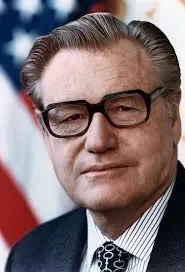
Nelson Rockefeller
Born08 Jul, 1908
Died26 Jan, 1979
NationalityAmerican
Age at time of death70

Ethan Allen
Born21 Jan, 1738
Died12 Feb, 1789
NationalityAmerican
Age at time of death51
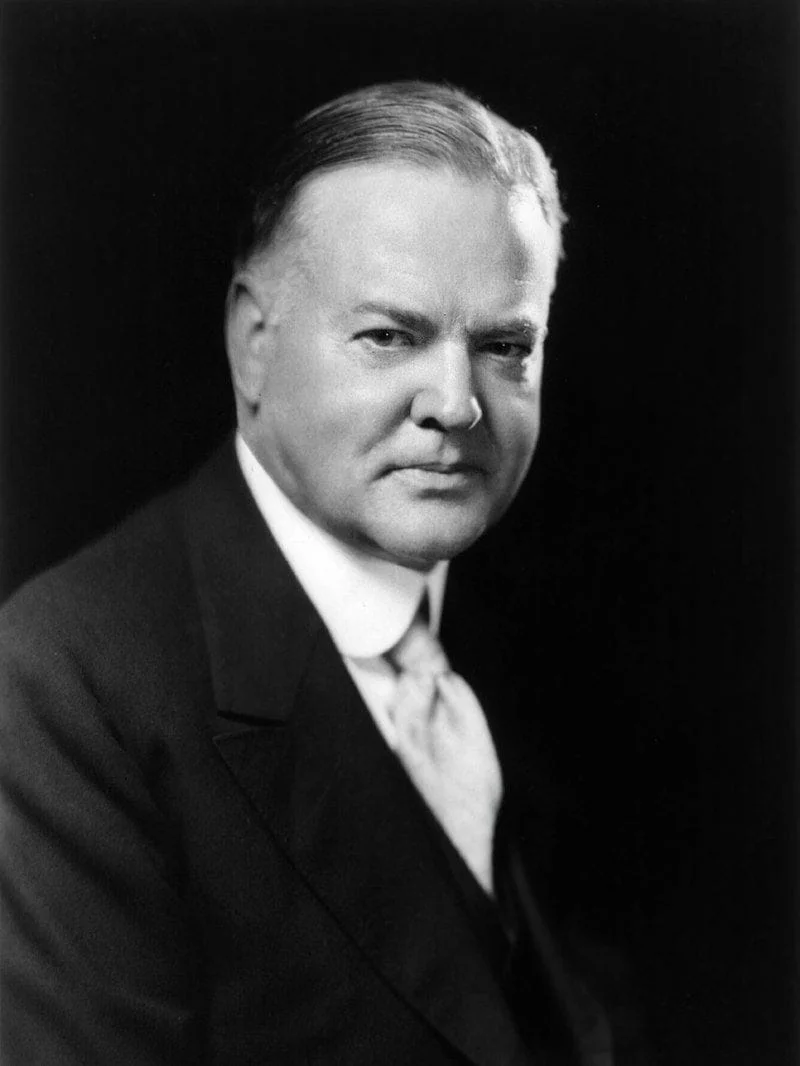
Herbert Hoover
Born10 Aug, 1874
Died20 Oct, 1964
NationalityAmerican
Age at time of death90
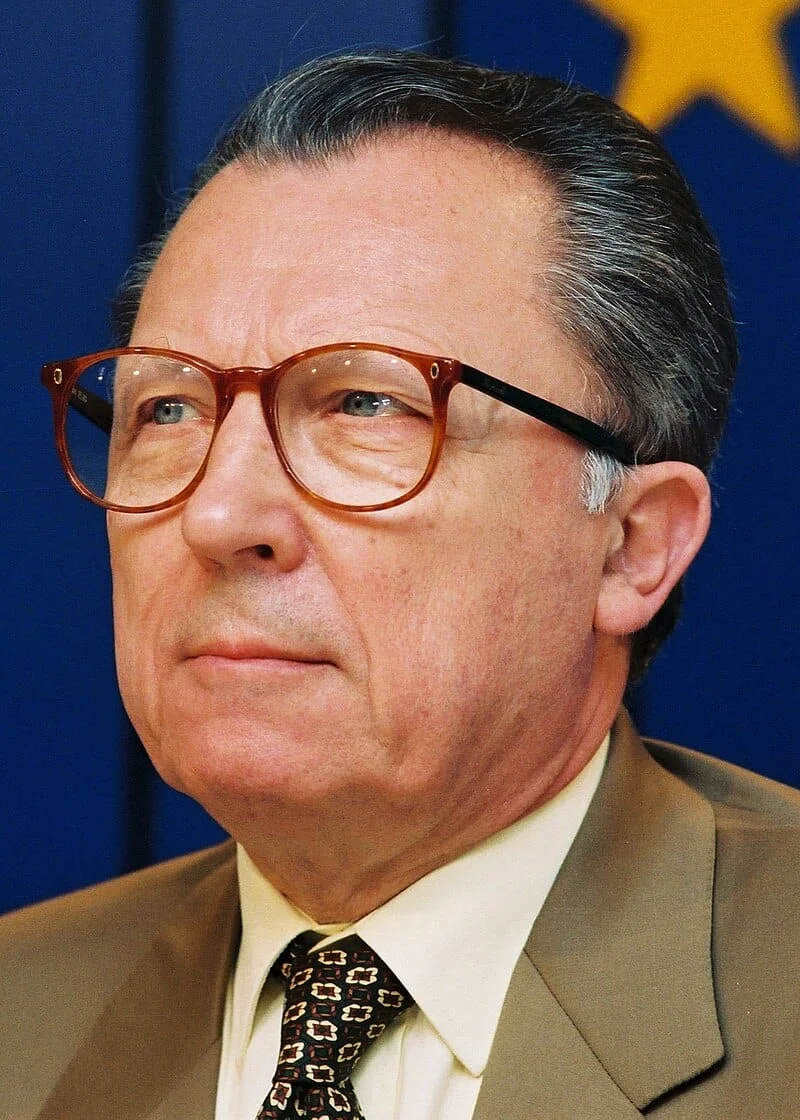
Jacques Delors
Born20 Jul, 1925
Died27 Dec, 2023
NationalityFrench
Age at time of death98
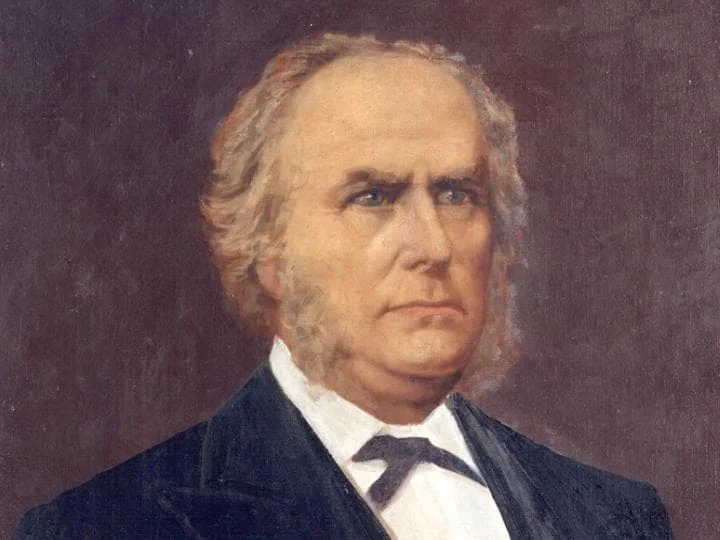
James Harrison
Born17 Apr, 1816
Died03 Sep, 1893
NationalityScottish,Australian
Age at time of death77
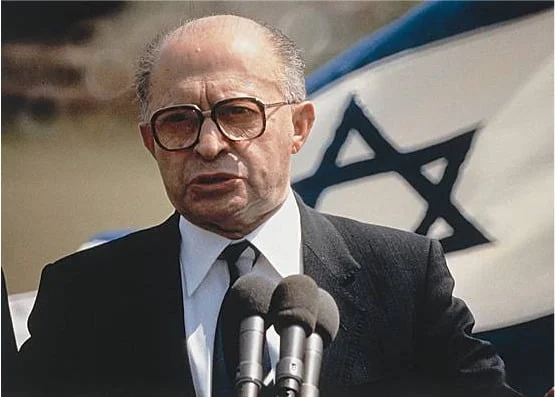
Menachem Begin
Born16 Aug, 1913
Died09 Mar, 1992
NationalityIsraeli
Age at time of death78
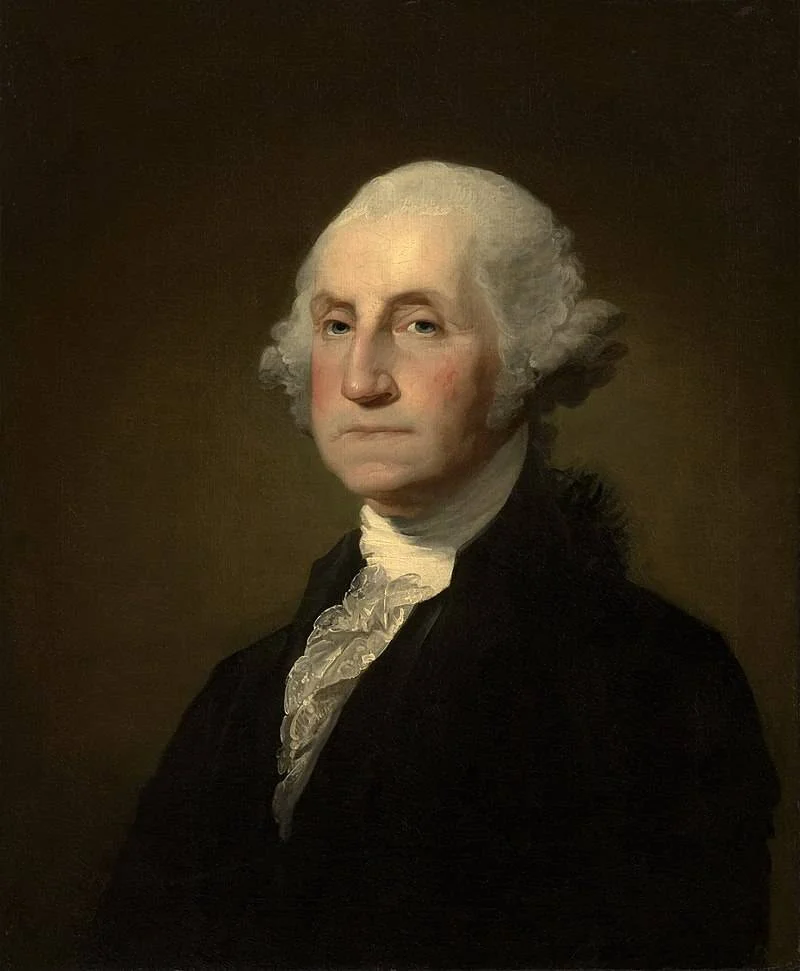
George Washington
Born22 Feb, 1732
Died14 Dec, 1799
NationalityAmerican
Age at time of death67
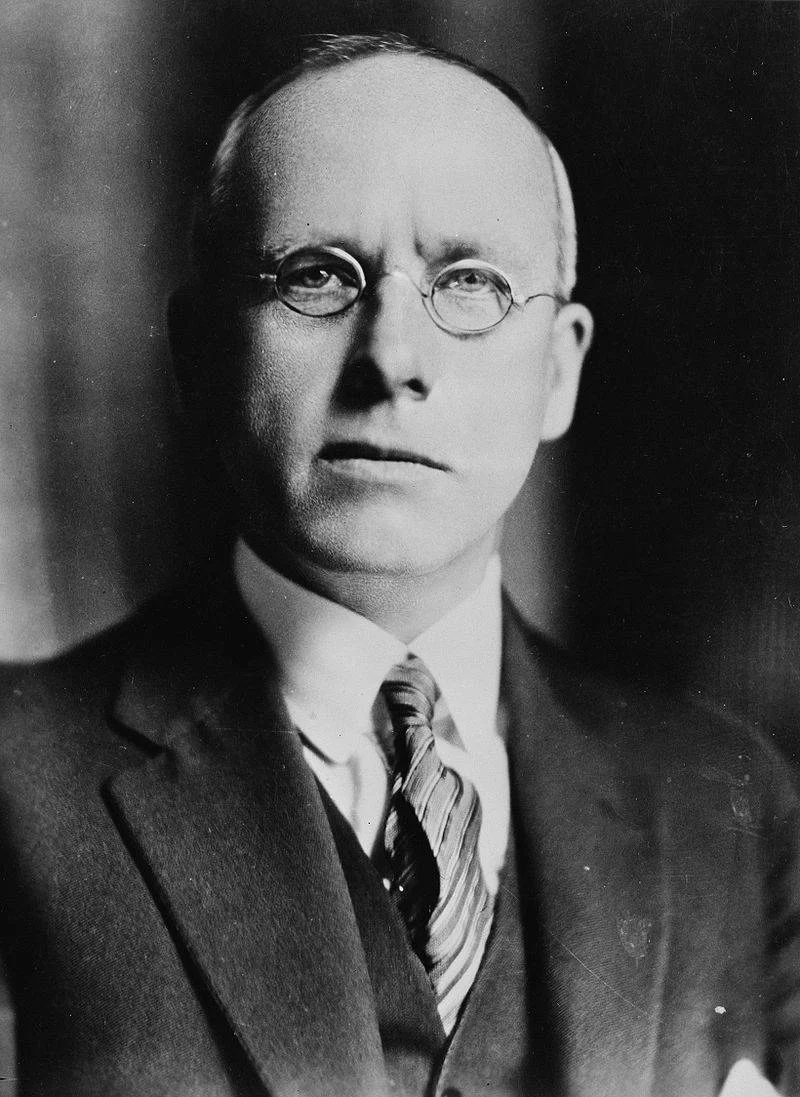
Peter Fraser
Born28 Aug, 1884
Died12 Dec, 1950
NationalityNew Zealand
Age at time of death66
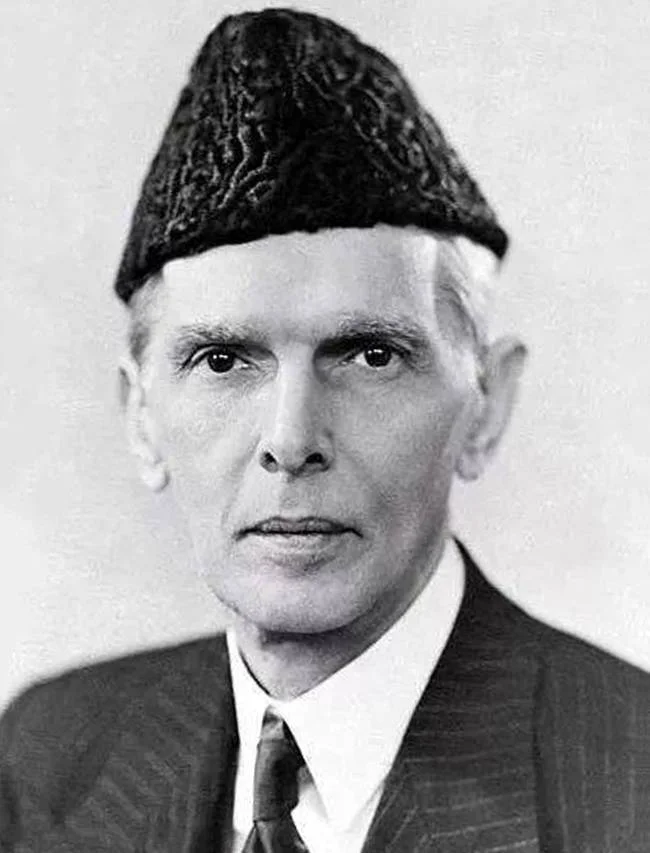
Muhammad Ali Jinnah
Born25 Dec, 1876
Died11 Sep, 1948
NationalityPakistani
Age at time of death71
Pablo Escobar
Born01 Dec, 1949
Died02 Dec, 1993
NationalityColombian
Age at time of death44
Booker T. Washington
Born05 Apr, 1856
Died14 Nov, 1915
NationalityAmerican
Age at time of death59
George Mason
Born11 Dec, 1725
Died07 Oct, 1792
NationalityAmerican, British
Age at time of death66
Hiram R. Revels
Born27 Sep, 1827
Died16 Jan, 1901
NationalityAmerican
Age at time of death73