Real Celebrities Never Die!
OR
Search For Past Celebrities Whose Birthday You Share
Died Age: 55
images.squarespace-cdn.com
Aurelio Martínez
Birthday:
04 Aug, 1969
Date of Death:
17 Mar, 2025
Cause of death:
Plane Crash
Nationality:
Honduran
Famous As:
Honduran singer
Age at the time of death:
55
Aurelio Martínez Suazo's Quote's
“I don’t work music to make money. I do music to support my culture.”
Aurelio Martínez Suazo
🔗 deadcelebrityhub.com
Early Life: Born to the Drumbeat of Tradition
Aurelio Martínez is more than a musician—he is a cultural torchbearer, an ambassador of the Garifuna people whose voice carries the rhythm of resistance, resilience, and identity. Through his music, politics, and personal story, Aurelio has become one of Central America's most vital artistic forces, blending tradition with innovation and giving voice to a history too often left unheard.
Aurelio Martínez was born in 1969 in the coastal town of Plaplaya, Honduras, in the heart of a Garifuna fishing village where music was as essential as air. His roots ran deep into a proud but historically marginalized Afro-Indigenous culture descended from West Africans and Carib-Arawak people.
His mother, a talented singer, filled their home with traditional songs, and his father was both a fisherman and a revered drummer—a local master of the Garifuna paranda and punta rhythms. By the time Aurelio could walk, he was drumming. By six, he was performing at community celebrations. Music, for him, was never a performance—it was a lifeline to his heritage.
But growing up Garifuna meant confronting cultural erasure. From early on, Aurelio understood that if his people’s stories weren’t sung, they could be lost. That idea would shape everything he became.
Education: A Self-Taught Scholar of Sound
Formal education had its place in Aurelio’s life, but his deepest learning came from oral tradition, village elders, and the instruments of his ancestors. He learned guitar by ear, studying the old paranderos, and absorbed rhythms through rituals and storytelling.
Though he later pursued formal musical studies in La Ceiba and developed a broad knowledge of Afro-Caribbean music, his “university” was the Garifuna community—its ceremonies, drum circles, and resistance songs.
He often jokes that his teachers were "older than any conservatory," but they taught him something rare: how to turn heritage into protest, and protest into beauty.
Career: The Musician Who Became a Movement
Early Recognition and Cultural Roots
Aurelio gained regional fame in the 1990s as a master of paranda, the storytelling song form rooted in Garifuna identity. His first major album, Garifuna Soul (2004), recorded with legendary Belizean musician Andy Palacio, brought his voice to international stages. The album didn’t just entertain—it educated. Sung in the Garifuna language, it reminded the world of a people whose culture was fighting for survival.
A Global Voice
In 2008, when Palacio passed away, Aurelio became the de facto global voice of Garifuna music. His 2011 album Laru Beya, recorded in Senegal and featuring artists like Youssou N’Dour, fused African and Caribbean traditions, underscoring the transatlantic connections between Black cultures.
From WOMAD festivals to Lincoln Center, he performed not just as an artist, but as a cultural emissary. He would begin many concerts explaining Garifuna history before playing a single note, inviting audiences into the heartbeat of his people.
A Political Turn
In 2006, Aurelio did something few musicians of his stature do—he ran for and won a seat in the National Congress of Honduras, becoming the first Garifuna congressman in the country's history. His mission was clear: use the platform to advocate for Afro-Indigenous rights, land preservation, and cultural protection.
But politics was no easier than music. His outspokenness often put him at odds with powerful interests. Still, he stood firm, using both the microphone and the parliamentary floor to speak truth to power.
Later Work and Mentorship
In recent years, Aurelio has returned to his roots, mentoring young Garifuna artists and launching initiatives to teach traditional music to new generations. Albums like Darandi (2017), a retrospective of his career, and Live at Lincoln Center showcase not just his virtuosity, but his unwavering commitment to cultural continuity.
He’s also become a global collaborator, working with musicians from Africa, Latin America, and the Caribbean to build a bridge across the Black diaspora.
Fun Fact: Aurelio once taught himself to play 15 instruments—everything from the Garifuna primero drum to the bass guitar—and has used nearly all of them in his recordings.
Personal Life: Rhythm and Responsibility
Though Aurelio's life has taken him from fishing villages to festival stages, he remains deeply connected to Plaplaya, where he still visits regularly. He often says his biggest joy is playing music under the stars with his neighbors, where the applause is real and the rhythm is shared.
He is a father, mentor, and fiercely loyal son of the Garifuna people. Even at the height of his fame, he has never left his community behind—both spiritually and literally. In interviews, he often shares that he still fishes when he can, "because the sea teaches patience, like music and politics do."
Legacy: A Bridge Between Worlds
Aurelio Martínez is more than a musician—he is a vessel of memory, a preserver of language, and a symbol of Afro-Indigenous pride. He gave Garifuna music a global audience while remaining fiercely rooted in its traditions. His legacy lies not only in recordings and accolades, but in the young Garifuna children who now see their identity celebrated, not sidelined.
He will be remembered as a man who gave his life to the rhythms of his people—not just to keep them alive, but to make them thrive.
In every note he plays and every story he tells, Aurelio Martínez reminds us that culture is not static—it’s a living, breathing drumbeat that never stops. And through him, that beat marches proudly forward.
Profile Snapshot
Name:
Aurelio Martínez Suazo
Popular Name:
Aurelio Martínez
Gender:
Male
Cause of Death:
Plane Crash
Spouse:
Unknown
Place of Birth:
Gracias a Dios Department, Honduras
Place of Death:
Roatán, Honduras
Occupation / Profession:
Honduran singer
Politician
Songwriter
Personality Type
Advocate Quiet and mystical, yet very inspiring and tireless idealists. Aurelio Martínez is a deeply empathetic and visionary individual who blends cultural preservation with public service, using his artistry and leadership to inspire change, uplift communities, and protect ancestral heritage.
Aurelio Martínez Suazo's Interesting Facts
Aurelio learned music from his mother, who was a well-known Garifuna singer, and he started performing by the age of six.
Aurelio Martínez was one of the most prominent Garifuna musicians, blending traditional rhythms with contemporary sounds to preserve his Afro-Indigenous heritage.
He has collaborated with global artists and was mentored by Andy Palacio, a legendary Belizean Garifuna musician.
He was the first Black member of the Honduran National Congress, using his platform to advocate for Garifuna rights and cultural preservation.
Achievements & Awards
Aurelio Martínez has been honored with notable recognitions during his music career. In 2018, he was awarded for his contributions to Garifuna music by a prominent cultural organization in the U.S. Additionally, his 2014 album Lándini received widespread praise, earning spots on several international "best of" lists in the world music scene.
External Links
Additional Links
Latest Profiles
People also viewed
Jimi Hendrix
Born27 Nov, 1942
Died18 Sep, 1970
NationalityAmerican
Age at time of death27
Irving Berlin
Born11 May, 1888
Died22 Sep, 1989
NationalityAmerican
Age at time of death101
George Harrison
Born25 Feb, 1943
Died29 Nov, 2001
NationalityBritish
Age at time of death58
Gerald Ford
Born14 Jul, 1913
Died26 Dec, 2006
NationalityAmerican
Age at time of death93
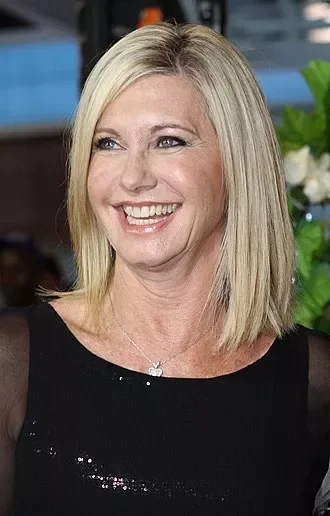
Olivia Newton-John
Born26 Sep, 1948
Died08 Aug, 2022
NationalityBritish, Australian
Age at time of death73
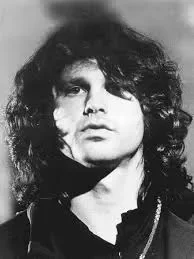
Jim Morrison
Born08 Dec, 1943
Died03 Jul, 1971
NationalityAmerican
Age at time of death27
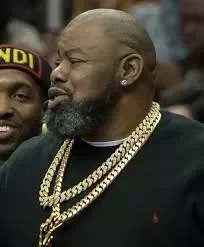
Biz Markie
Born08 Apr, 1964
Died16 Jul, 2021
NationalityAmerican
Age at time of death57
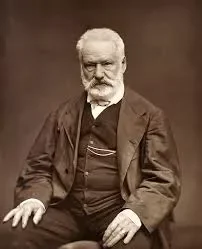
Victor Hugo
Born26 Feb, 1802
Died22 May, 1885
NationalityFrench
Age at time of death83
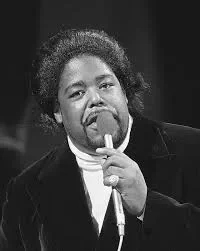
Barry White
Born12 Sep, 1944
Died04 Jul, 2003
NationalityAmerican
Age at time of death58
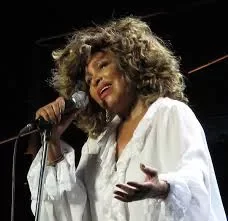
Tina Turner
Born26 Nov, 1939
Died24 May, 2023
NationalityAfrican, American
Age at time of death83
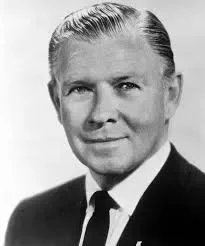
George Murphy
Born04 Jul, 1902
Died03 May, 1992
NationalityAmerican
Age at time of death89
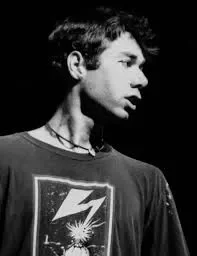
Adam Yauch
Born05 Aug, 1964
Died04 May, 2012
NationalityAmerican
Age at time of death47
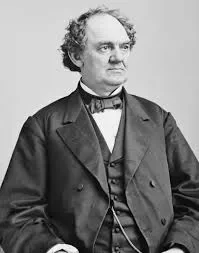
P. T. Barnum
Born05 Jul, 1810
Died07 Apr, 1891
NationalityAmerican
Age at time of death80
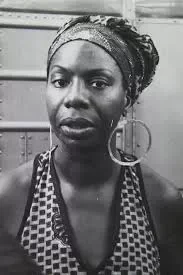
Nina Simone
Born21 Feb, 1933
Died21 Apr, 2003
NationalityAmerican
Age at time of death70
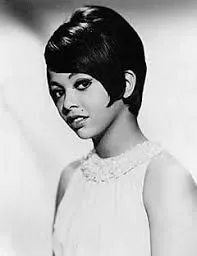
Tammi Terrell
Born29 Apr, 1945
Died16 Mar, 1970
NationalityAmerican
Age at time of death24
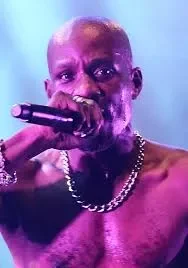
DMX
Born18 Dec, 1970
Died09 Apr, 2021
NationalityAmerican
Age at time of death50
Patsy Cline
Born08 Sep, 1932
Died05 Mar, 1963
NationalityAmerican
Age at time of death30
Keith Martin
Born22 Sep, 1966
Died25 Mar, 2022
NationalityAmerican
Age at time of death55
Waylon Jennings
Born15 Jun, 1937
Died13 Feb, 2002
NationalityAmerican
Age at time of death64
Chuck Berry
Born18 Oct, 1926
Died18 Mar, 2017
NationalityAmerican
Age at time of death90