Real Celebrities Never Die!
OR
Search For Past Celebrities Whose Birthday You Share
Died Age: 48
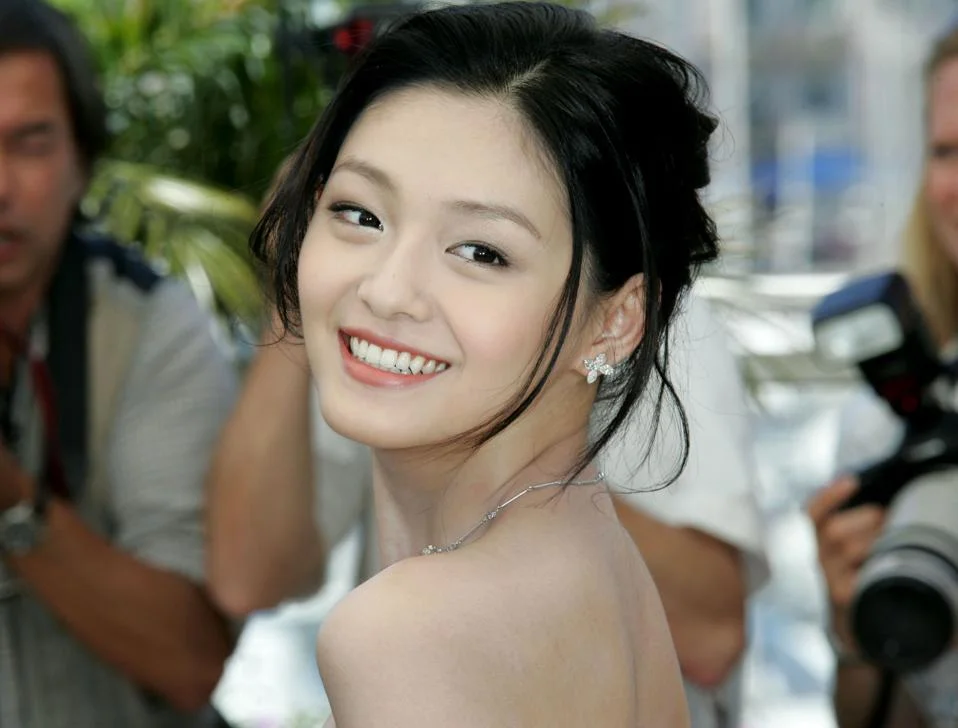
specials-images.forbesimg.com
Barbie Hsu
Birthday:
05 Oct, 1976
Date of Death:
01 Feb, 2025
Cause of death:
Pneumonia brought on by the flu
Nationality:
Taiwanese
Famous As:
Actress
Age at the time of death:
48
Hsi-yuan Hsu's Quote's

“Beauty isn’t about perfection—it’s about being comfortable in your own skin.”
Hsi-yuan Hsu
🔗 deadcelebrityhub.com
Early Life
Barbie Hsu was a brilliant woman whose elegance, honesty, and resilience captivated millions across Asia. To her fans, she was not just an actress or pop idol; she was a mirror of modern womanhood, blending vulnerability with unshakable strength. Her story unfolds like a drama of its own—filled with ambition, love, heartbreak, and triumph—anchored by a spirit that refused to fade.
Born in Taipei on October 6, 1976, Barbie Hsu grew up in a lively household as the middle of three sisters. Her childhood was defined by warmth, laughter, and the strong bonds of sisterhood—especially with her younger sister, Dee, who would later become her closest collaborator and confidante. The Hsu family’s world was not one of glamour; it was a household built on resilience and hard work. Her mother, a determined woman with an independent streak, worked tirelessly to keep the family afloat after financial struggles hit when Barbie was still a teenager.
Barbie’s early life was shaped by both creativity and responsibility. Even as a young girl, she displayed an intuitive understanding of performance—often entertaining her family with dramatic skits and imitations. When she began appearing in commercials as a teenager, it wasn’t fame she sought, but a way to help support her family. Yet, those small roles sparked something deeper: a fascination with storytelling and the transformative power of the camera.
Education and Early Ambitions
Barbie attended the Taipei Hwa Kang Arts School, where she honed her talent for acting and performance. It was there that she began to dream beyond the confines of a stage classroom—to imagine herself not just as an entertainer, but as an artist capable of moving people. Her education in the arts deepened her appreciation for drama and expression, and she formed lasting friendships with peers who shared her drive and creativity. Though she briefly attended a more disciplined academy afterwards, she soon realised that her heart belonged to the freedom of the performing world.
Career Journey
Pop Beginnings
In the mid-1990s, Barbie and her sister Dee burst into the entertainment scene as the pop duo S.O.S. (Sisters of Shu). With their energetic stage presence and undeniable chemistry, the sisters quickly gained attention. Their catchy songs and playful image captured the youthful optimism of the decade. Music was Barbie’s first real stage—a place where she learned how to connect with audiences and command attention.
When the duo later rebranded as A.S.O.S., the sisters transitioned smoothly from singing to television hosting. Their wit and charm made them natural hosts on variety shows, and Barbie’s poise—graceful but never distant—soon set her apart.
Meteor Garden and Breakthrough Fame
The defining chapter of Barbie’s career arrived in 2001 with Meteor Garden, the Taiwanese drama that would make her a pan-Asian icon. As Shan Cai, the strong-willed but kind-hearted girl who stood up to privilege and arrogance, Barbie captured hearts across the continent. Her portrayal of determination, innocence, and emotional depth made her one of the most beloved leading ladies of her generation.
The role didn’t just elevate her—it reshaped the trajectory of Asian television. Barbie became the face of a new kind of heroine: imperfect, grounded, and authentic. The success of Meteor Garden was meteoric indeed, and it transformed her from a local celebrity into a cultural phenomenon.
Expanding Horizons
Riding on the success of Meteor Garden, Barbie continued to evolve as an actress. She took on more mature, emotionally complex roles in dramas like Mars, Corner with Love, and Summer’s Desire. Each role revealed a different shade of her talent—from the quietly suffering romantic to the fierce and independent woman.
Barbie was not content to rely solely on fame. She explored entrepreneurship, authoring a beauty book and building a brand rooted in her philosophy of self-care and authenticity. Her fascination with skincare and style became part of her public identity—she was admired for her flawless complexion and meticulous sense of beauty, but what truly resonated was her honesty about the effort behind it.
Later Career and Personal Evolution
In the 2010s, Barbie gradually stepped back from acting, choosing to focus on family life. Her marriage, motherhood, and subsequent personal challenges played out under public scrutiny, yet she remained poised and remarkably candid. She spoke openly about the complexities of balancing personal happiness, identity, and the expectations that came with stardom.
Her life took another turn when she reconnected with Korean musician Koo Jun-yup—an old flame from her youth—and married him years later. Their reunion captured the public’s imagination, a story of enduring affection rekindled across time and distance.
Personal Life
Behind the glamour, Barbie was known for her humour, loyalty, and fierce independence. She adored her family—her children, her sister Dee, and her mother—and valued the simple joys of home life. A devoted animal lover, she often spoke about compassion for all living creatures and advocated for animal welfare.
Those who knew her described her as meticulous and introspective, with a playful streak that surprised people who only saw her composed public persona. She loved beautiful things—fashion, art, design—but she also valued sincerity and emotional honesty above all else.
Legacy
Barbie Hsu’s legacy transformed the landscape of Taiwanese entertainment, helping usher in the modern era of Asian dramas that transcended borders. Her portrayal of relatable, emotionally rich women inspired a generation of actors and fans alike.
More than her beauty or fame, Barbie is remembered for her humanity—for showing that grace can coexist with vulnerability, and that a woman’s strength is often found in her gentleness. She stood at the intersection of pop culture and personal truth, and she navigated it with rare sincerity.
Profile Snapshot
Name:
Hsi-yuan Hsu
Popular Name:
Barbie Hsu
Gender:
Female
Cause of Death:
Pneumonia brought on by the flu
Spouse:
DJ Koo
Wang Xiaofei
Place of Birth:
Taipei City, Taipei, Taiwan
Place of Death:
Tokyo, Japan
Occupation / Profession:
Actress
Singer
Television host
Personality Type
Mediator: Barbie Hsu was a gentle dreamer with a fierce heart. She was an artist who led with empathy, loved deeply, and lived true to her ideals even in the spotlight.
Hsi-yuan Hsu's Interesting Facts
She once admitted that she followed a strict vegetarian diet for years, driven by her compassion for animals.
Barbie had an intense fear of needles and avoided cosmetic injections despite working in an industry obsessed with perfection.
Achievements & Awards
Barbie Hsu achieved widespread fame across Asia for her breakthrough role as Shan Cai in Meteor Garden, which became one of the most influential Asian dramas of the early 2000s.
She later earned critical acclaim for her nuanced performances in Mars and Summer’s Desire, showcasing her emotional range as an actress.
In addition to her acting success, she was a best-selling author with her beauty and lifestyle book Mei Li Da Ren, and she received numerous accolades recognising her as one of Taiwan’s most stylish and influential entertainers.
Her versatility as a singer, actress, host, and businesswoman made her a defining figure of modern Taiwanese pop culture.
External Links
Latest Profiles
People also viewed
Jimi Hendrix
Born27 Nov, 1942
Died18 Sep, 1970
NationalityAmerican
Age at time of death27

Jesse Powell
Born12 Sep, 1971
Died13 Sep, 2022
NationalityAmerican
Age at time of death51
George Harrison
Born25 Feb, 1943
Died29 Nov, 2001
NationalityBritish
Age at time of death58
Tony Bennett
Born03 Aug, 1926
Died21 Jul, 2023
NationalityAmerican
Age at time of death96
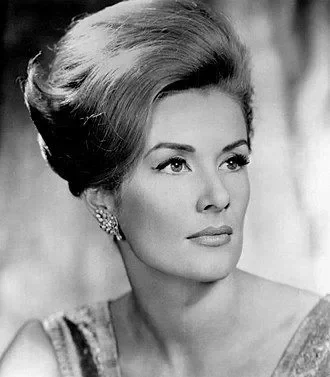
Sally Ann Howes
Born20 Jul, 1930
Died19 Dec, 2021
NationalityBritish, American
Age at time of death91
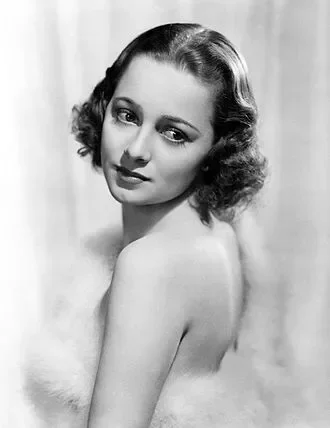
Olivia de Havilland
Born01 Jul, 1916
Died26 Jul, 2020
NationalityBritish, American
Age at time of death104
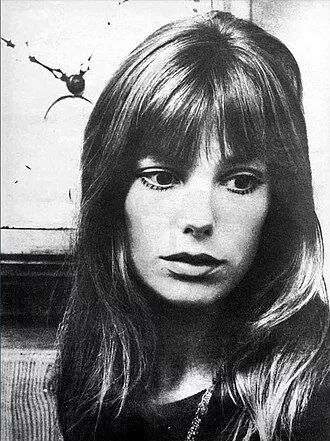
Jane Birkin
Born14 Dec, 1946
Died16 Jul, 2023
NationalityBritish, French
Age at time of death76

Chester Bennington
Born20 Mar, 1976
Died20 Jul, 2017
NationalityAmerican
Age at time of death41
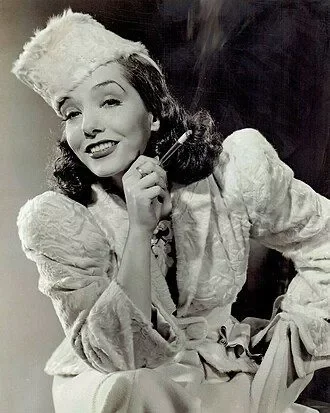
Lupe Vélez
Born18 Jul, 1908
Died14 Dec, 1944
NationalityMexican
Age at time of death36
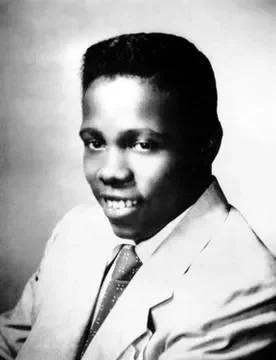
Johnny Ace
Born09 Jun, 1929
Died25 Dec, 1954
NationalityAmerican
Age at time of death25
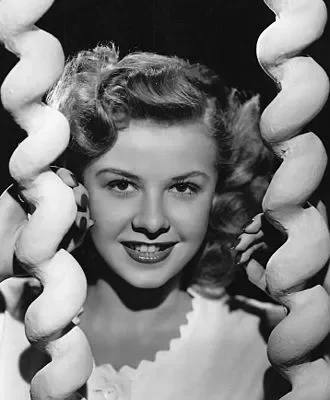
Vera-Ellen
Born16 Feb, 1921
Died30 Aug, 1981
NationalityAmerican German
Age at time of death60
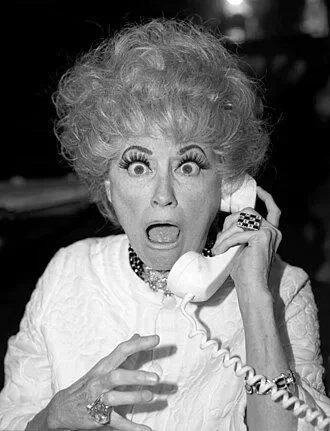
Phyllis Diller
Born17 Jul, 1917
Died20 Aug, 2012
NationalityAmerican
Age at time of death95
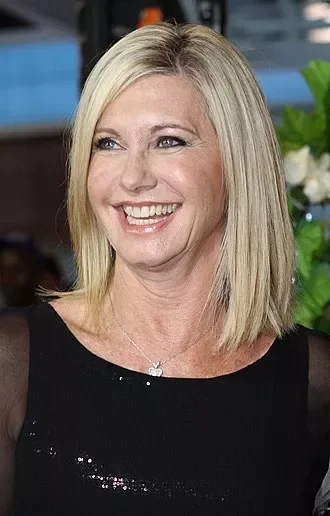
Olivia Newton-John
Born26 Sep, 1948
Died08 Aug, 2022
NationalityBritish, Australian
Age at time of death73
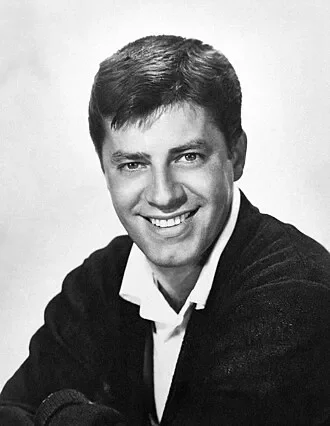
Jerry Lewis
Born16 Mar, 1926
Died20 Aug, 2017
NationalityAmerican
Age at time of death91
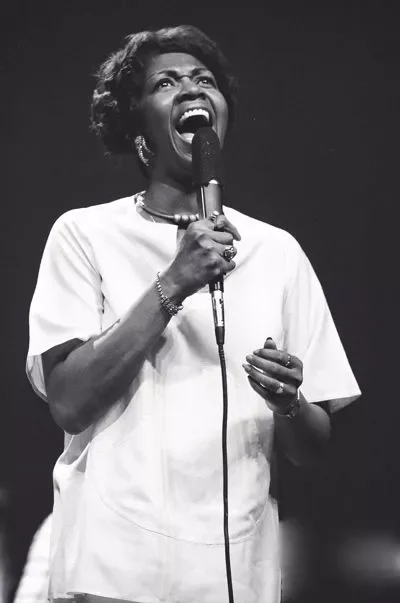
Cissy Houston
Born30 Sep, 1933
Died07 Oct, 2024
NationalityAmerican
Age at time of death91
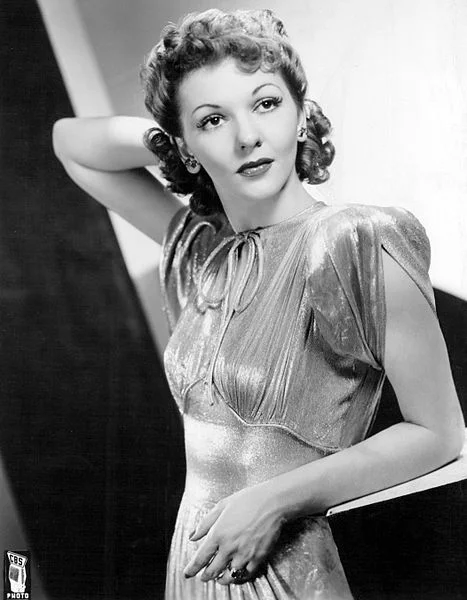
Mary Martin
Born01 Dec, 1913
Died03 Nov, 1990
NationalityAmerican
Age at time of death76
Jim Morrison
Born08 Dec, 1943
Died03 Jul, 1971
NationalityAmerican
Age at time of death27

Christopher Lee
Born27 May, 1922
Died07 Jun, 2015
NationalityBritish
Age at time of death93

Biz Markie
Born08 Apr, 1964
Died16 Jul, 2021
NationalityAmerican
Age at time of death57
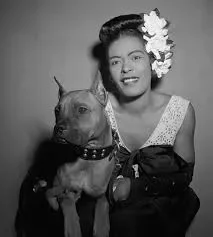
Billie Holiday
Born07 Apr, 1915
Died17 Jul, 1959
NationalityAmerican
Age at time of death44