Real Celebrities Never Die!
OR
Search For Past Celebrities Whose Birthday You Share
Died Age: 83
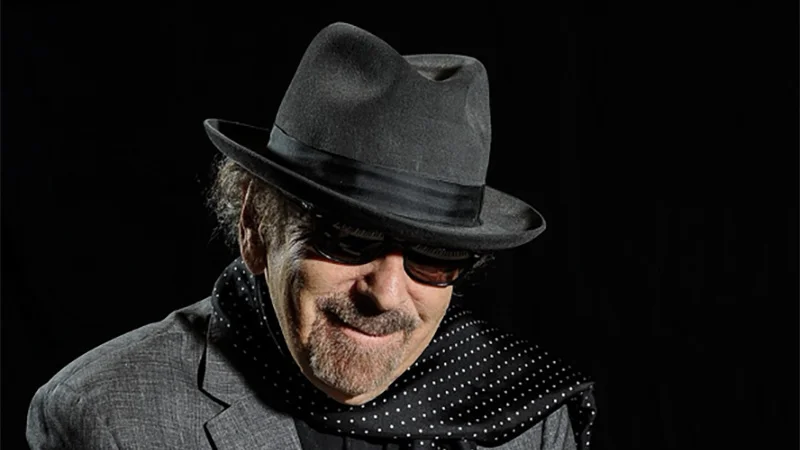
bluesrockreview.com
Barry Goldberg
Birthday:
25 Dec, 1941
Date of Death:
22 Jan, 2025
Cause of death:
Non-Hodgkin lymphoma
Nationality:
American
Famous As:
American blues
Age at the time of death:
83
Barry Joseph Goldberg's Quote's

“My rap name is Big Tasty, and I bring the heat!”
Barry Joseph Goldberg
🔗 deadcelebrityhub.com
Early Life: A Piano, a City, and a Calling
Barry Goldberg has always lived with one foot in the past and one eye on the future — a blues keyboardist whose sound echoes the legacy of Muddy Waters while pulsing with the restless energy of rock and soul. A child prodigy turned in-demand session musician, Goldberg’s career is a hidden backbone of American music history — bridging classic Chicago blues with rock’s rebellious rise and soulful introspection. Behind some of the greatest names in music, Barry Goldberg’s fingers were quietly setting the tone — and often, changing the game.
Born on December 25, 1942, in Chicago, Illinois, Barry Goldberg grew up in a city bursting with sound. His Jewish-American upbringing gave him the grounding of tradition, but it was the South Side’s blues scene that captured his soul. While other kids were playing baseball, Barry was sneaking into smoky clubs to watch Muddy Waters and Howlin’ Wolf light up the stage.
He began playing piano as a child, discovering early on that music offered a kind of freedom nothing else could. By his teens, he was already known as a piano phenom, his playing steeped in boogie-woogie and gospel-inflected blues. He wasn't just imitating records — he was internalizing a language, learning to speak emotion fluently through the keys.
Fun fact: Goldberg once skipped his high school prom to sit in with blues legend Otis Rush — a decision that felt far more romantic in retrospect.
Education: Learning from the Legends
Though Barry Goldberg didn’t take the traditional academic path, his education came from masters of the craft. He immersed himself in Chicago’s bustling club scene, where his mentors were people like Buddy Guy, Willie Dixon, and Paul Butterfield. These weren’t classroom lessons — they were hard-earned truths learned one night at a time, under stage lights and through improvisation.
He studied jazz formally for a short time but found it too abstract. “Blues told the truth,” he would say later. “It came from pain, but it made people dance. That was the kind of education I wanted.”
Career Journey: From Backing Bands to the Spotlight
The 1960s: Finding His Groove in the Blues Explosion
Goldberg's big break came in 1965 when he played keyboards at the Newport Folk Festival behind Bob Dylan during the infamous “electric” set that shook the folk world. When Dylan plugged in and broke with tradition, Goldberg was right there beside him, part of a musical revolution. That single performance became a defining moment in music history — and Goldberg, though not a household name, was a key player in it.
Shortly after, he co-founded The Electric Flag with guitarist Mike Bloomfield, a band that fused blues, soul, and rock into a new, combustible sound. The group didn’t last long, but it burned bright, and its influence spread quickly. Their debut album, A Long Time Comin’, is still considered a blueprint for blues-rock fusion.
The 1970s–1980s: Session Gold and Songwriting Success
As a session musician and songwriter, Goldberg’s fingerprints are all over the music of the ’70s and ’80s. He collaborated with icons like Rod Stewart, Steve Miller, and B.B. King. His style — soulful, spacious, and emotionally direct — made him a favorite among artists looking for depth without flash.
He also enjoyed success as a songwriter. One of his best-known co-writing credits is “I’ve Got to Use My Imagination,” made famous by Gladys Knight & the Pips — a song that climbed the charts and remains a soul standard.
What many don’t know: Goldberg played on tracks that crossed genre lines, contributing to albums in rock, pop, gospel, and even country. His versatility was his secret weapon.
Later Career: A Quiet Revival and Critical Recognition
Though he never chased fame, Barry Goldberg’s career saw a resurgence in the 2000s. He reconnected with old collaborator Stephen Stills and formed The Rides, a blues-rock supergroup also featuring guitarist Kenny Wayne Shepherd. Their debut album, Can’t Get Enough (2013), introduced Goldberg to a new generation of blues fans and earned critical acclaim.
He also became a go-to producer for up-and-coming blues artists, mentoring young musicians while continuing to tour and record. In 2022, he was the subject of renewed interest following his involvement in The Bob Dylan Center in Tulsa, where his contributions to Dylan’s electric era were recognized and celebrated.
Personal Life: The Humble Architect Behind the Sound
Away from the spotlight, Barry Goldberg is known as introspective, spiritual, and deeply devoted to the craft. He has been married to his wife, Carmelita, for decades, and is a proud father and grandfather. A private man, he has often let his music do the talking.
Despite his close proximity to stardom — and his friendships with legends — Goldberg remained grounded, never chasing headlines. “I was never about the solo,” he once said. “I was about the song.”
He’s also a noted collector of vintage keyboards and a self-proclaimed “gear nerd” — famously hauling a B-3 Hammond organ from gig to gig well into his 70s.
Legacy: The Soul Behind the Soundtrack
Barry Goldberg’s name might not always appear in bold print, but his influence is woven into the fabric of American music. As a bridge between the Chicago blues greats and the rock revolutionaries, he played a vital role in shaping the sound of a generation — and the ones that followed.
He’s remembered by his peers as a “musician’s musician” — someone who brought soul, subtlety, and sincerity to every recording he touched. For blues historians and die-hard fans, he is an unsung hero. For those who listen closely, he is the heartbeat behind the melody.
In the end, Barry Goldberg didn’t just play the blues. He lived it — with grace, grit, and groove.
Profile Snapshot
Name:
Barry Joseph Goldberg
Popular Name:
Barry Goldberg
Gender:
Male
Cause of Death:
Non-Hodgkin lymphoma
Spouse:
Lainey
Place of Birth:
Chicago, Illinois, U.S.
Place of Death:
Los Angeles, California, U.S.
Occupation / Profession:
American blues
Record producer
Rock keyboardist
Songwriter
Personality Type
Entertainer: Spontaneous, energetic and enthusiastic people – life is never boring around them. Barry Goldberg is an energetic, emotional, and dramatic individual who craves attention, lives in the moment, and brings chaos and fun wherever he goes.
Barry Joseph Goldberg's Interesting Facts
Although often impulsive and dramatic, Barry is fiercely loyal to his family and shows surprising moments of heart and wisdom.
Barry Goldberg is known for his over-the-top confidence and often believes he’s destined for greatness—even when reality says otherwise.
Barry has a passionate, whirlwind relationship with Lainey Lewis, which becomes one of the show's most iconic love stories.
He created his own hip-hop alter ego called "Big Tasty," dreaming of rap stardom despite lacking any real musical talent.
Achievements & Awards
Barry Goldberg is a highly respected volleyball coach known for his outstanding contributions to collegiate volleyball.
He led the American University women's volleyball team to multiple Patriot League championships and NCAA tournament appearances.
Over his career, he earned numerous Coach of the Year honors and is celebrated for building one of the most successful programs in the league’s history.
External Links
Additional Links
Latest Profiles
People also viewed
Jimi Hendrix
Born27 Nov, 1942
Died18 Sep, 1970
NationalityAmerican
Age at time of death27
Irving Berlin
Born11 May, 1888
Died22 Sep, 1989
NationalityAmerican
Age at time of death101
George Harrison
Born25 Feb, 1943
Died29 Nov, 2001
NationalityBritish
Age at time of death58
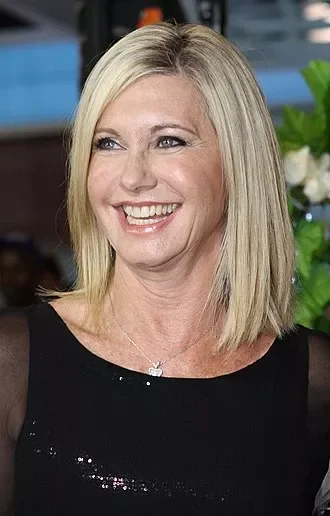
Olivia Newton-John
Born26 Sep, 1948
Died08 Aug, 2022
NationalityBritish, Australian
Age at time of death73
Jim Morrison
Born08 Dec, 1943
Died03 Jul, 1971
NationalityAmerican
Age at time of death27
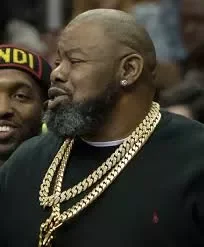
Biz Markie
Born08 Apr, 1964
Died16 Jul, 2021
NationalityAmerican
Age at time of death57
Barry White
Born12 Sep, 1944
Died04 Jul, 2003
NationalityAmerican
Age at time of death58
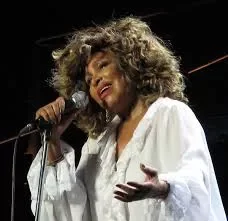
Tina Turner
Born26 Nov, 1939
Died24 May, 2023
NationalityAfrican, American
Age at time of death83
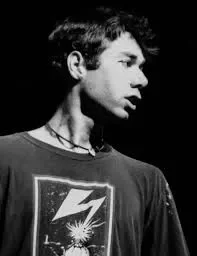
Adam Yauch
Born05 Aug, 1964
Died04 May, 2012
NationalityAmerican
Age at time of death47
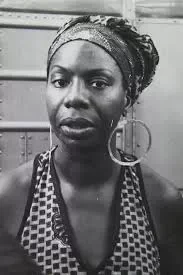
Nina Simone
Born21 Feb, 1933
Died21 Apr, 2003
NationalityAmerican
Age at time of death70
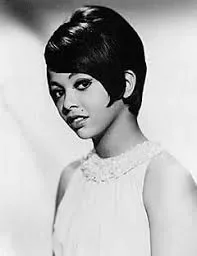
Tammi Terrell
Born29 Apr, 1945
Died16 Mar, 1970
NationalityAmerican
Age at time of death24
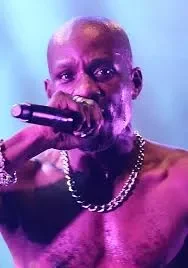
DMX
Born18 Dec, 1970
Died09 Apr, 2021
NationalityAmerican
Age at time of death50
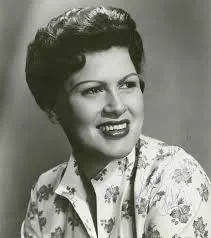
Patsy Cline
Born08 Sep, 1932
Died05 Mar, 1963
NationalityAmerican
Age at time of death30
Keith Martin
Born22 Sep, 1966
Died25 Mar, 2022
NationalityAmerican
Age at time of death55
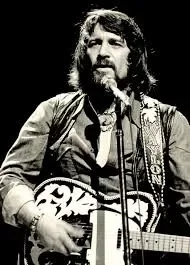
Waylon Jennings
Born15 Jun, 1937
Died13 Feb, 2002
NationalityAmerican
Age at time of death64
Eazy-E
Born07 Sep, 1964
Died26 Mar, 1995
NationalityAmerican
Age at time of death30
Chuck Berry
Born18 Oct, 1926
Died18 Mar, 2017
NationalityAmerican
Age at time of death90
Buddy Holly
Born07 Sep, 1936
Died03 Feb, 1959
NationalityAmerican
Age at time of death22
Bon Scott
Born09 Jul, 1946
Died19 Feb, 1980
NationalityAustralian
Age at time of death33
Syd Barrett
Born06 Jan, 1946
Died07 Jul, 2006
NationalityEnglish
Age at time of death60