Real Celebrities Never Die!
OR
Search For Past Celebrities Whose Birthday You Share
Died Age: 69
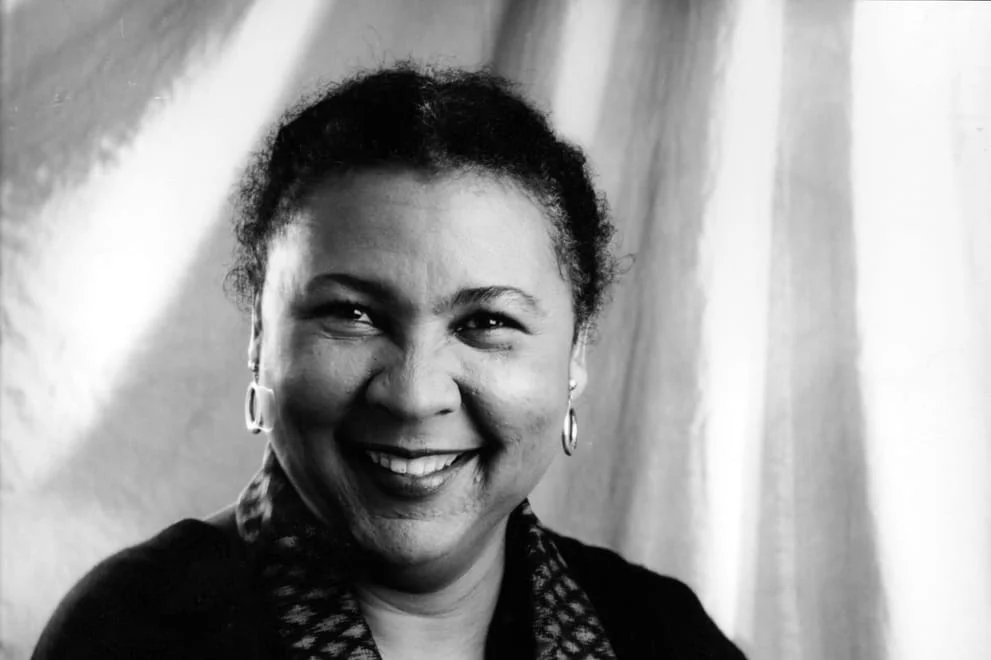
www.poetryfoundation.org
Bell Hooks
Birthday:
24 Sep, 1952
Date of Death:
14 Dec, 2021
Cause of death:
Kidney Failure
Nationality:
American
Famous As:
Author
Age at the time of death:
69
Gloria Jean Watkins's Quote's

“Love is an action, never simply a feeling.”
Gloria Jean Watkins
🔗 deadcelebrityhub.com
Early Life: Roots of Resistance
Bell Hooks invited readers to reimagine what love, race, feminism, and freedom could mean. Through more than thirty books that blended personal reflection with cultural critique, Hooks transformed academic theory into accessible conversation. Her words didn’t sit on the page—they moved through classrooms, living rooms, and hearts, reshaping the way generations think about identity and belonging.
Born Gloria Jean Watkins on September 25, 1952, in the small town of Hopkinsville, Kentucky, Hooks grew up in a segregated world that quietly taught her about inequality long before she ever studied it. The fourth of seven children in a working-class African American family, she was raised by a father who worked as a janitor and a mother who laboured as a domestic worker.
Hopkinsville was a place of contrasts—deep community ties intertwined with the stark reality of racial division. From an early age, young Gloria found refuge in words. She devoured books borrowed from segregated libraries and wrote poetry as an act of imagination and resistance. Her grandmother, Bell Blair Hooks, after whom she would later take her pen name, embodied the strength and candour that became hallmarks of Hooks’s own voice.
When she began writing seriously, she adopted “Bell Hooks” in lowercase letters—not out of modesty, but to draw attention away from herself and toward her message. It was a symbolic choice that reflected her lifelong belief: the ideas were what mattered most.
Education: The Making of a Radical Thinker
Hooks’s intellectual journey began at Stanford University, where she earned her bachelor’s degree in English in 1973. There, she encountered both the exhilaration and alienation of elite academia. As one of the few Black women in predominantly white spaces, she often felt invisible. That experience, though painful, became fertile ground for her developing feminist consciousness.
She continued her studies at the University of Wisconsin–Madison, where she completed a master’s degree, and later earned her doctorate from the University of California, Santa Cruz. Her dissertation—on the work of Toni Morrison—offered an early glimpse into the clarity and courage that would define her scholarship: personal yet political, academic yet deeply humane.
Career Journey: Writing the Revolution
The Early Voice
Bell Hooks’s first major work, Ain’t I a Woman? Black Women and Feminism, written when she was just nineteen and published in 1981, landed like a thunderclap. With uncompromising insight, she examined how racism and sexism intertwined to oppress Black women—a perspective largely missing from the feminist discourse of the time. The book quickly became foundational reading in women’s studies and beyond.
During her early teaching years at institutions such as Yale University and Oberlin College, Hooks began shaping a new kind of classroom—one where students could bring their whole selves. Her approach to teaching was itself an act of liberation. “Education,” she often said, “is the practice of freedom.”
Major Achievements and Turning Points
Through the 1980s and 1990s, Hooks’s voice expanded beyond academia. Books like Feminist Theory: From Margin to Centre and Talking Back challenged mainstream feminism to confront its racial and class biases. But it was All About Love: New Visions (2000) that brought her to a broader public audience. In it, she wrote with disarming honesty about love as a radical act—a force for both personal and social transformation.
Hooks also explored art, media, masculinity, and spirituality with the same fearless clarity. She could critique Madonna’s pop feminism one moment and praise James Baldwin’s moral courage the next. Her essays were not confined to ivory towers—they lived in the rhythms of everyday life.
Later Work and Teaching
In 2004, Hooks returned to her native Kentucky to teach at Berea College, a historically progressive institution that had been the first interracial and coeducational college in the South. There, she founded the Bell Hooks Institute—a space that celebrated critical dialogue, art, and love as intertwined forms of resistance.
She continued to write prolifically, publishing works that bridged theory and tenderness, including The Will to Change: Men, Masculinity, and Love and Belonging: A Culture of Place. Even in her later years, she remained a fierce advocate for truth-telling, compassion, and community healing.
Personal Life: The Heart Behind the Words
Despite her public stature, Hooks lived simply and privately. She often returned to the landscapes of her Kentucky childhood, finding solace in their stillness. Friends and colleagues described her as both fierce and gentle—someone who could challenge a room full of scholars and then laugh warmly over tea afterwards.
Her spiritual life was eclectic and deeply personal, weaving together elements of Buddhism, Christianity, and Black southern traditions. She often spoke about love not as sentiment, but as a daily practice of justice and care.
Legacy: The Echo of a Liberating Voice
When Bell Hooks passed away in December 2021, the tributes that poured in came from scholars, artists, and everyday readers alike. Her words had crossed boundaries of discipline, race, and generation. She had made the personal political—and the political tender.
Today, her influence lives in classrooms where students debate her essays, in movements that centre intersectionality, and in quiet moments when someone rethinks what love could mean as an act of freedom.
Bell Hooks left behind more than books—she left a new language for understanding the world. She taught that love, when practised as justice, could be the most radical revolution of all.
Profile Snapshot
Name:
Gloria Jean Watkins
Popular Name:
Bell Hooks
Gender:
Female
Cause of Death:
Kidney Failure
Spouse:
Unknown
Place of Birth:
Hopkinsville, Kentucky, United States
Place of Death:
Berea, Kentucky, United States
Occupation / Profession:
Author
Theorist
College Professor
Social critic
Personality Type
Consul: She moved through the world with a calm, piercing clarity—always asking the hard questions with the gentleness of someone who believed that truth, spoken with love, could heal what fear kept broken
Gloria Jean Watkins's Interesting Facts
She chose her pen name in honour of her great-grandmother, Bell Blair Hooks, but wrote it in lowercase to emphasise ideas over identity.
Hooks was also an avid art lover who frequently wrote about the work of artists like Jean-Michel Basquiat and Carrie Mae Weems.
Despite her global acclaim, she preferred the quiet life of her hometown in Kentucky, where she returned later in life to teach and write.
Achievements & Awards
Bell Hooks authored more than thirty books that transformed discussions of race, gender, class, and love, making her one of the most influential cultural critics of her time.
Her groundbreaking works like Ain’t I a Woman?, Feminist Theory: From Margin to Centre, and All About Love have become staples in feminist and social theory.
She received numerous honours, including the American Book Award, the Lila Wallace–Reader’s Digest Writer’s Award, and the NAACP Image Award.
Her establishment of the bell hooks Institute at Berea College stands as a living testament to her intellectual legacy.
Latest Profiles
People also viewed
Eva Crane
Born12 Jun, 1912
Died06 Sep, 2007
NationalityBritish
Age at time of death95
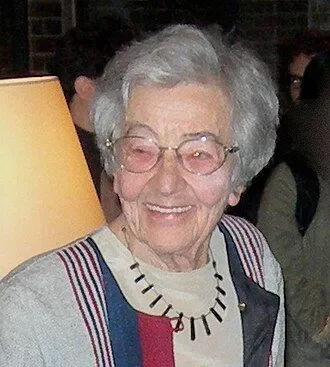
Ursula Franklin
Born16 Sep, 1921
Died22 Jul, 2016
NationalityGerman, Canadian
Age at time of death94
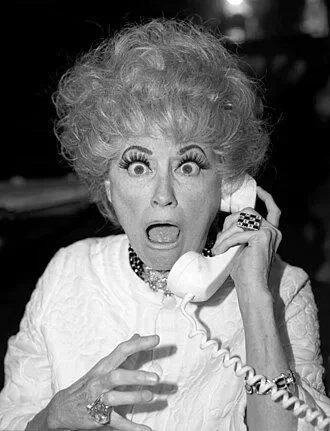
Phyllis Diller
Born17 Jul, 1917
Died20 Aug, 2012
NationalityAmerican
Age at time of death95
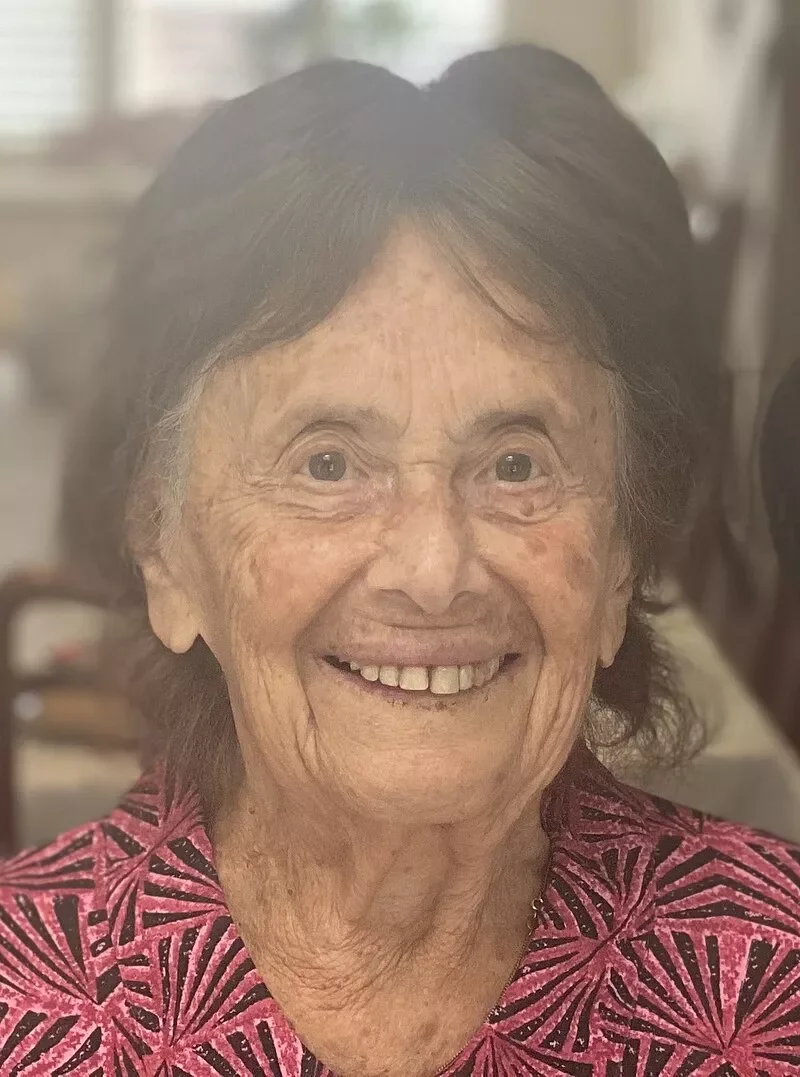
Lily Ebert
Born29 Dec, 1923
Died09 Oct, 2024
NationalityHungarian, British
Age at time of death100
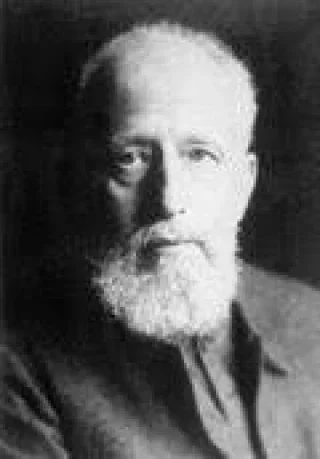
Jonas Cohn
Born01 Dec, 1869
Died28 Jan, 1947
NationalityGerman
Age at time of death77
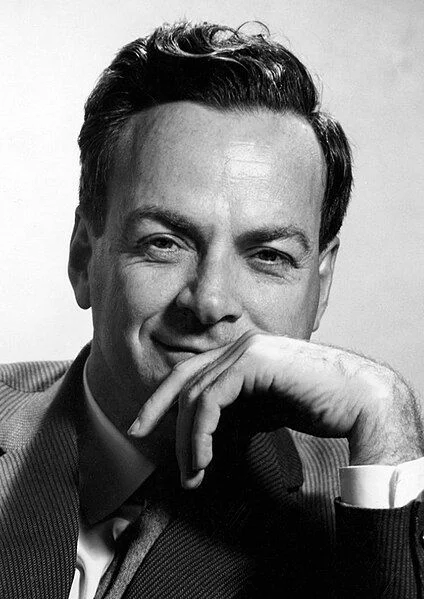
Richard Feynman
Born11 May, 1918
Died15 Feb, 1988
NationalityAmerican
Age at time of death69
Marshall Brain
Born17 May, 1961
Died20 Nov, 2024
NationalityAmerican
Age at time of death63
Tina Turner
Born26 Nov, 1939
Died24 May, 2023
NationalityAfrican, American
Age at time of death83

Leonardo da Vinci
Born15 Apr, 1452
Died02 May, 1519
NationalityItalian
Age at time of death67
Eric Morecambe
Born14 May, 1926
Died28 May, 1984
NationalityBritish
Age at time of death58
A. W. Tozer
Born21 Apr, 1897
Died12 May, 1963
NationalityAmerican, Canadian
Age at time of death66
P. T. Barnum
Born05 Jul, 1810
Died07 Apr, 1891
NationalityAmerican
Age at time of death80
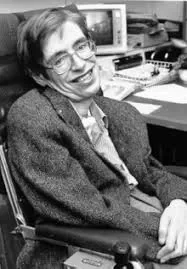
Stephen Hawking
Born08 Jan, 1942
Died14 Mar, 2018
NationalityEnglish
Age at time of death76
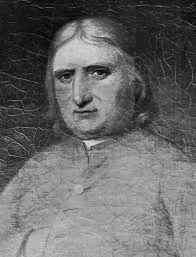
George Fox
Born04 Jul, 1624
Died13 Jan, 1691
NationalityEnglish
Age at time of death66
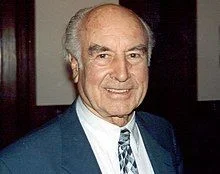
Albert Hofmann
Born11 Jan, 1906
Died29 Apr, 2008
NationalitySwiss
Age at time of death102
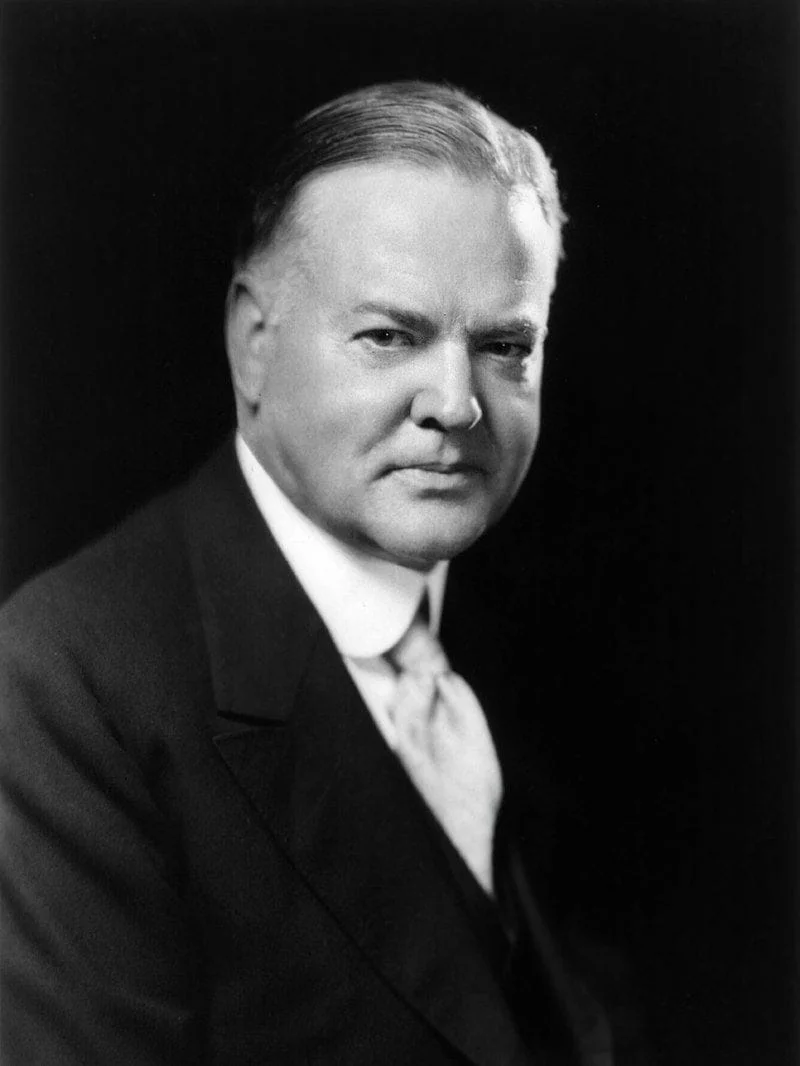
Herbert Hoover
Born10 Aug, 1874
Died20 Oct, 1964
NationalityAmerican
Age at time of death90

Jade Goody
Born05 Jun, 1981
Died22 Mar, 2009
NationalityBritish
Age at time of death27
Dave Myers
Born08 Sep, 1967
Died28 Feb, 2024
NationalityBritish
Age at time of death56
Larry King
Born19 Nov, 1933
Died23 Jan, 2021
NationalityAmerican
Age at time of death87

Ruth Wakefield
Born17 Jun, 1903
Died10 Jan, 1977
NationalityAmerican
Age at time of death73