Real Celebrities Never Die!
OR
Search For Past Celebrities Whose Birthday You Share
Died Age: 92
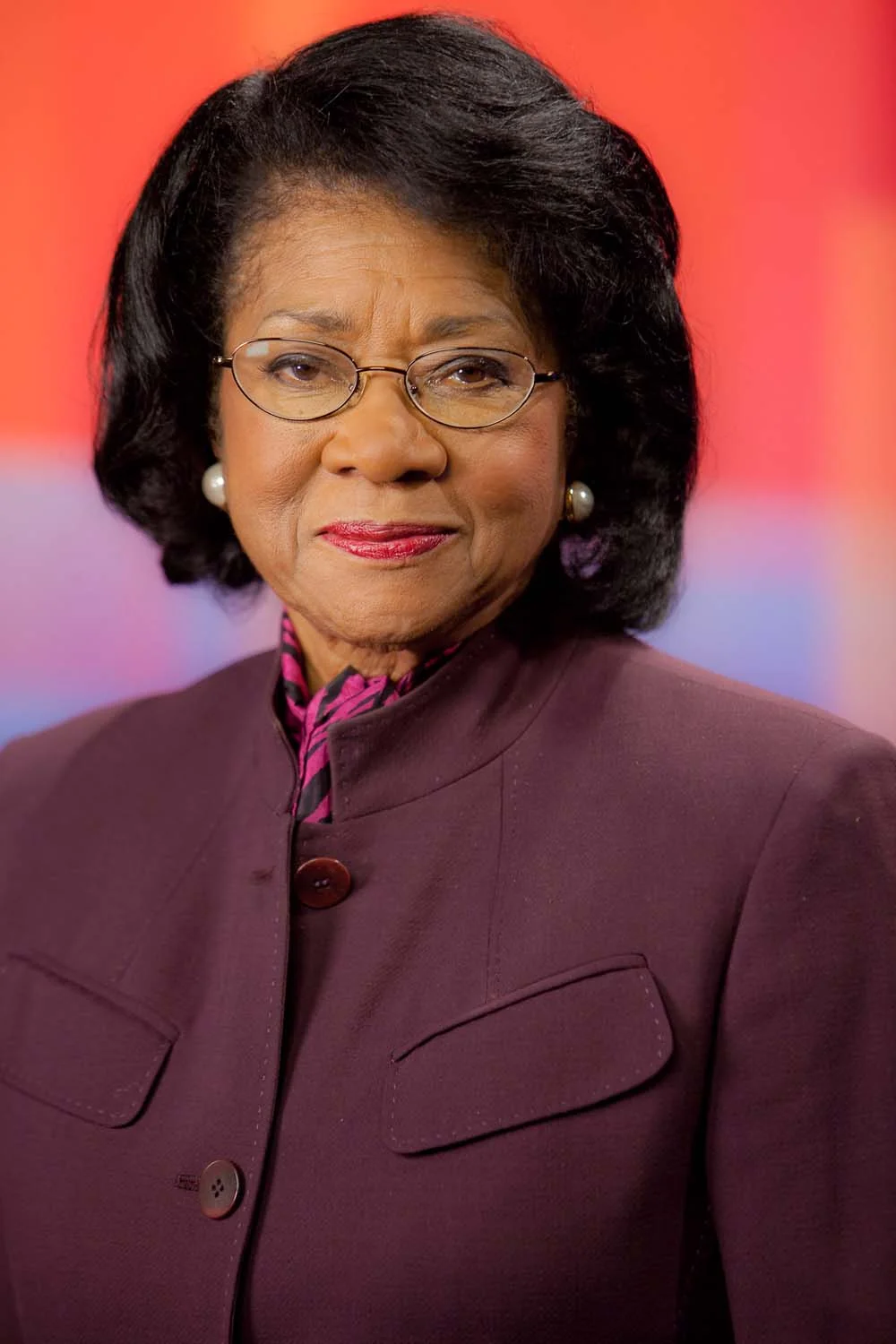
ww2.kqed.org
Belva Davis
Birthday:
12 Oct, 1932
Date of Death:
23 Sep, 2025
Cause of death:
Long illness
Nationality:
American
Famous As:
Television
Age at the time of death:
92
Belvagene Melton Davis's Quote's

“Don’t be afraid of the space you take up.”
Belvagene Melton Davis
🔗 deadcelebrityhub.com
Early Life: Roots of Resilience
Belva Davis is the first Black female television reporter on the West Coast. She transformed journalism not only through her reporting but through her quiet, unyielding defiance of the limits placed before her. With poise that belied the prejudice she faced, Davis built a career that opened doors for generations of journalists who came after her.
Belva Davis was born in 1932 in Monroe, Louisiana, during the depths of the Great Depression—a time and place where opportunities for Black women were scarce. Her family moved west when she was a child, seeking a better life in Oakland, California. Growing up in the segregated housing projects of West Oakland, Davis faced poverty and racism from an early age. Yet even as a child, she displayed a fierce curiosity about the world around her—a spark that would later define her journalism.
Her early years were marked by instability and perseverance. When she wasn’t helping to care for younger siblings or contributing to the household, she found escape in books and storytelling. Those quiet moments—absorbing news of a world much larger than her own—planted the seed for a career she couldn’t yet imagine.
Education: Learning Beyond the Classroom
Davis attended Berkeley High School, one of the few integrated schools in the area, where she developed a keen sense of justice and an awareness of inequality. Though she couldn’t afford to attend college full-time, she continued her education in community college courses while working multiple jobs to support her family.
Her education, though unconventional, was deeply experiential. Every job she held—secretary, typist, freelancer—honed her resilience and her understanding of human stories. Later, when she began working in journalism, this lived experience would give her a rare ability to connect with people across lines of race, class, and politics.
Early Career: The First Microphone
Belva Davis entered journalism at a time when there were few, if any, women of color on television. Her first break came in 1957 when she joined Jet and Ebony magazines as a freelance reporter, covering stories about the growing African American community in San Francisco.
But it wasn’t until 1966 that she made history—becoming the first Black woman to appear on television news in the western United States. Her debut was on San Francisco’s KPIX-TV, where she was met not with open arms but with hostility. At public events, people hurled racial slurs—and even objects—at her. Still, she stood her ground. “If the news matters enough for you to get mad,” she would later say, “it matters enough for me to report.”
Career Milestones: A Voice for the People
Over the next decades, Davis became one of the Bay Area’s most respected journalists. She reported on some of the most pivotal moments in American history—the Civil Rights Movement, the Vietnam War protests, and the rise of the Black Panther Party in Oakland. She covered the assassinations of Martin Luther King Jr. and Robert Kennedy, the AIDS epidemic, and major political conventions across the country.
In 1970, Davis joined KQED, where she became a cornerstone of public broadcasting in Northern California. As the host of This Week in Northern California, she guided thoughtful discussions on politics, culture, and community affairs for more than two decades. Her style—measured, probing, and empathetic—earned her both respect and trust from viewers and interviewees alike.
Throughout her career, Davis received multiple Emmy Awards and honours, including induction into the National Association of Black Journalists Hall of Fame. Yet, perhaps her most profound accomplishment was the quiet revolution she led simply by being seen: a Black woman anchoring the evening news in an America still grappling with integration.
Personal Life: The Woman Behind the Camera
Behind her professional composure was a woman who valued family and community deeply. Davis married fellow journalist Bill Moore, and together they formed one of the Bay Area’s early Black media power couples. Their shared commitment to truthful storytelling became both a personal and professional partnership that endured for decades.
Away from the camera, Davis was known for her warmth and sense of humour. She loved jazz, travel, and mentoring young reporters—especially women of colour striving to find their footing in a changing media landscape. One of her favourite sayings, passed on to mentees, was simple but profound: “Don’t be deterred by rejection. Just keep showing up.”
Legacy: Opening Doors, Shaping Voices
Belva Davis’s legacy extends far beyond the stories she told. She redefined what was possible for journalists of colour and women in media. Her presence on-screen challenged stereotypes, while her reporting gave visibility to communities long ignored.
When she retired in 2012 after nearly five decades in journalism, tributes poured in from across the nation. To many, she wasn’t just a journalist but a symbol of perseverance and dignity.
Today, her influence lives on in every newsroom that values diversity, courage, and truth-telling. As Belva Davis once said, reflecting on her unlikely journey from poverty to the anchor desk:
“Don’t be afraid of the space you take up. If you get the chance to lead, lead with grace—and leave the door open behind you.”
Profile Snapshot
Name:
Belvagene Melton Davis
Popular Name:
Belva Davis
Gender:
Female
Cause of Death:
Long illness
Spouse:
Bill Moore
Frank Davis
Place of Birth:
Monroe, Louisiana, United States
Place of Death:
Oakland, California, United States
Occupation / Profession:
Television
Radio Journalist
Personality Type
Executive: Belva Davis was a pioneering visionary who turned barriers into blueprints for those who followed.
Belvagene Melton Davis's Interesting Facts
She once covered the 1964 Republican National Convention after being denied press credentials, working her way in through sheer persistence.
Belva Davis was among the first journalists to give early coverage to the Black Panther Party in Oakland.
She also served as president of the Bay Area Black Journalists Association, mentoring many young reporters who later became prominent in the field.
Achievements & Awards
Belva Davis made history as the first Black female television reporter on the West Coast, paving the way for greater diversity in American journalism.
Over her distinguished career, she won eight Emmy Awards and received lifetime achievement honours from the National Association of Black Journalists and the Northern California chapter of the Society of Professional Journalists.
She hosted and produced This Week in Northern California on KQED for over two decades, earning respect for her insightful coverage of politics and social issues. Her autobiography, Never in My Wildest Dreams, stands as both a memoir and a testament to her groundbreaking journey.