Real Celebrities Never Die!
OR
Search For Past Celebrities Whose Birthday You Share
Died Age: 65
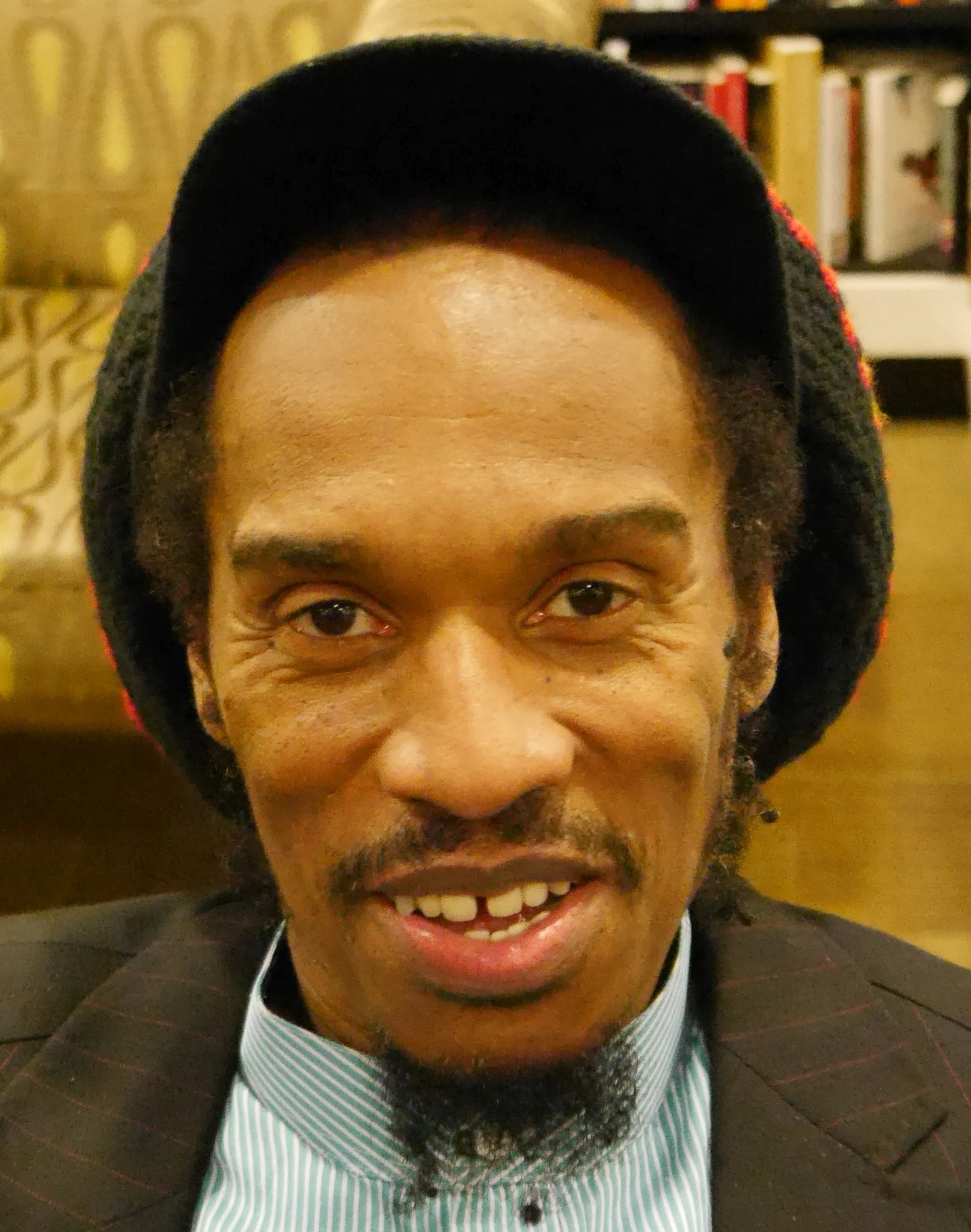
wikimedia.org
Benjamin Zephaniah
Birthday:
15 Apr, 1958
Date of Death:
07 Dec, 2023
Cause of death:
Brain Tumor
Nationality:
British
Famous As:
Actor
Age at the time of death:
65
Benjamin Obadiah Iqbal Zephaniah's Quote's

“[2017, on his support for Jeremy Corbyn] It's not about being a Corbyn fan. It's not about the cult of personality. Corbyn is not even, in my view, a very charismatic speaker. People laugh at him sometimes, and say he sounds like a teacher, and he does, but what he says makes sense. It's not about worshipping him; it's about being desperate for something different. In terms of mainstream politics, he's the best thing that's happened here for a long time.”
Benjamin Obadiah Iqbal Zephaniah
🔗 deadcelebrityhub.com
Early Life: Roots in Rebellion
Benjamin Zephaniah was never just a poet — he was a force. With dreadlocks, defiance, and rhythm in his soul, he tore poetry from the grasp of the ivory tower and placed it squarely in the hands of the people. His words danced to the beat of reggae, burned with political fire, and spoke in the voice of the unheard. A self-declared “people’s poet,” Zephaniah was a performer, activist, novelist, and prophet whose life was a living poem — raw, rhythmic, and revolutionary.
He didn’t just write about justice. He embodied it.
Benjamin Obadiah Iqbal Zephaniah was born on April 15, 1958, in Handsworth, Birmingham — a multicultural neighborhood often called the "Jamaican capital of Europe." The son of a Barbadian postman and a Jamaican nurse, he grew up in a Britain that wasn’t ready to embrace its diversity. From a young age, Benjamin felt the weight of racism, exclusion, and working-class struggle — and it marked him.
Reading was a lifeline, but formal education was suffocating. By the age of 13, he had been expelled from school, diagnosed with dyslexia, and left to navigate a world that didn’t expect much of him. But Zephaniah wasn’t deterred — he was already writing poems, fueled by reggae rhythms, social injustice, and street life. “I didn’t see myself in Shakespeare,” he once said, “but I saw myself in the streets.”
A bit of trivia: at 14, Zephaniah performed his poetry in local blues parties and youth clubs, using a toy microphone and a secondhand sound system. His earliest audience wasn’t academics — it was the community.
Education: Learning Outside the Lines
Though he left school early, Zephaniah became a lifelong learner — self-educating through music, books, and lived experience. He immersed himself in the works of Marcus Garvey, Malcolm X, Bob Marley, and Linton Kwesi Johnson. Their words became his syllabus, their rhythm his meter.
He developed his own style: dub poetry — a fusion of spoken word and reggae that pulsed with rage, hope, and truth. It was poetry made to be heard, not read; felt, not analyzed. His performances crackled with urgency, and his voice became a vessel for protest and pride.
His lack of formal education became part of his ethos: poetry should be for everyone, not just the privileged few.
Career Journey
The 1980s: A Voice Breaks Through
In 1980, Benjamin Zephaniah published his first collection, “Pen Rhythm,” a book he famously sold by hand, on street corners and at community events. It caught the attention of people hungry for authenticity. His second book, “The Dread Affair,” took aim at the British legal system and made clear that Zephaniah wasn’t interested in polite verse — he was here to shake the status quo.
He quickly became a staple on the performance circuit, performing on television, in schools, prisons, and even Parliament. His pieces tackled everything from police brutality and apartheid to animal rights and education inequality.
In 1985, he published “Rasta Time in Palestine,” a travelogue blending poetry, politics, and personal reflection, and soon after, he released reggae albums featuring powerful collaborations, including with The Wailers.
He wasn't just writing about change — he was living it. During the apartheid era, Zephaniah refused to perform in South Africa until Nelson Mandela was released. When Mandela finally did walk free, Zephaniah was invited to perform at the celebration.
1990s–2000s: Crossing Genres, Staying Rooted
Zephaniah continued to challenge expectations. He wrote novels, including the critically acclaimed “Refugee Boy” and “Face,” tackling issues like displacement, racism, and disability with empathy and clarity. His work became a staple in British classrooms — bringing marginalized stories into the curriculum.
In 2003, he made headlines by turning down an OBE, calling the British Empire a legacy of slavery and colonial violence. "Me? I thought, OBE me? Up yours, I thought," he wrote. It was a bold, unapologetic move that cemented his reputation as a man of principle — unbought and unbowed.
He also expanded his work into children’s literature, writing playful yet powerful poetry that helped young readers explore serious themes with joy and courage. His advocacy for literacy, especially among working-class and neurodiverse children, changed lives.
A lesser-known fact: Zephaniah was also a passionate vegan and animal rights activist long before it was fashionable, advocating compassion not only for humans but for all living beings.
Later Years: Legacy in Motion
Even as he aged, Zephaniah remained a restless creative. He starred as Jeremiah Jesus in the hit series Peaky Blinders, bringing his quiet charisma and poetic gravity to screen. He continued to publish new poetry, speak at protests, and connect with younger audiences through YouTube, schools, and social media.
Diagnosed with a brain tumor in 2023, Zephaniah passed away later that year at the age of 65 — a devastating loss to British literature and the global artistic community. But his work, voice, and vision endure.
Personal Life: Love, Loss, and Lyrical Conviction
Zephaniah lived simply, valuing connection over celebrity. He was open about his struggles — with violence in his youth, with illiteracy, with emotional trauma — and used those experiences as fuel for transformation.
He practiced Buddhism, embracing peace and compassion while never losing his fire for justice. He remained unmarried and child-free by choice, seeing the world as his family and every injustice as his fight.
He loved martial arts, animals, and gardening — grounding rituals that kept him centered amid the chaos of fame and activism.
Legacy: The People’s Poet, Forever Unbowed
Benjamin Zephaniah leaves behind a legacy as loud and loving as his words. He shattered the idea that poetry belonged in dusty books and brought it back to the people — to prisons, playgrounds, picket lines, and street corners. His work gave voice to the voiceless, dignity to the overlooked, and rhythm to resistance.
He didn’t write for critics or institutions. He wrote for the underdog, the misfit, the youth struggling to find their voice. And in doing so, he found his own — powerful, clear, unforgettable.
In the end, Benjamin Zephaniah didn’t just change poetry. He changed who it was for.
Profile Snapshot
Name:
Benjamin Obadiah Iqbal Zephaniah
Popular Name:
Benjamin Zephaniah
Gender:
Male
Cause of Death:
Brain Tumor
Spouse:
Amina
Place of Birth:
Handsworth, Birmingham, England
Place of Death:
United Kingdom
Occupation / Profession:
Actor
British writer
Creative writing
Dub poet
Musician
Professor of poetry
Personality Type
Mediator Poetic, kind and altruistic people, always eager to help a good cause. Benjamin Zephaniah is a poetic, idealistic, and compassionate soul who uses his creative voice to fight for justice and inspire change in the world.
Benjamin Obadiah Iqbal Zephaniah's Interesting Facts
A passionate vegan and animal rights activist, he often incorporated themes of justice and compassion into his poetry.
Benjamin Zephaniah turned down an OBE in 2003, saying he was "very anti-empire" and didn’t want to celebrate colonialism.
He began performing poetry in his early teens and was dyslexic, which made his success as a writer even more remarkable.
Zephaniah was also an actor and appeared in the hit BBC series Peaky Blinders as Jeremiah Jesus.
Achievements & Awards
Benjamin Zephaniah received numerous accolades for his contributions to literature and activism.
He was awarded honorary doctorates from several universities for his work in poetry and human rights, and he was named one of Britain’s top 50 post-war writers by The Times.
Though he famously declined an OBE, his influence remains widely recognized and celebrated.
External Links
Additional Links
Latest Profiles
People also viewed
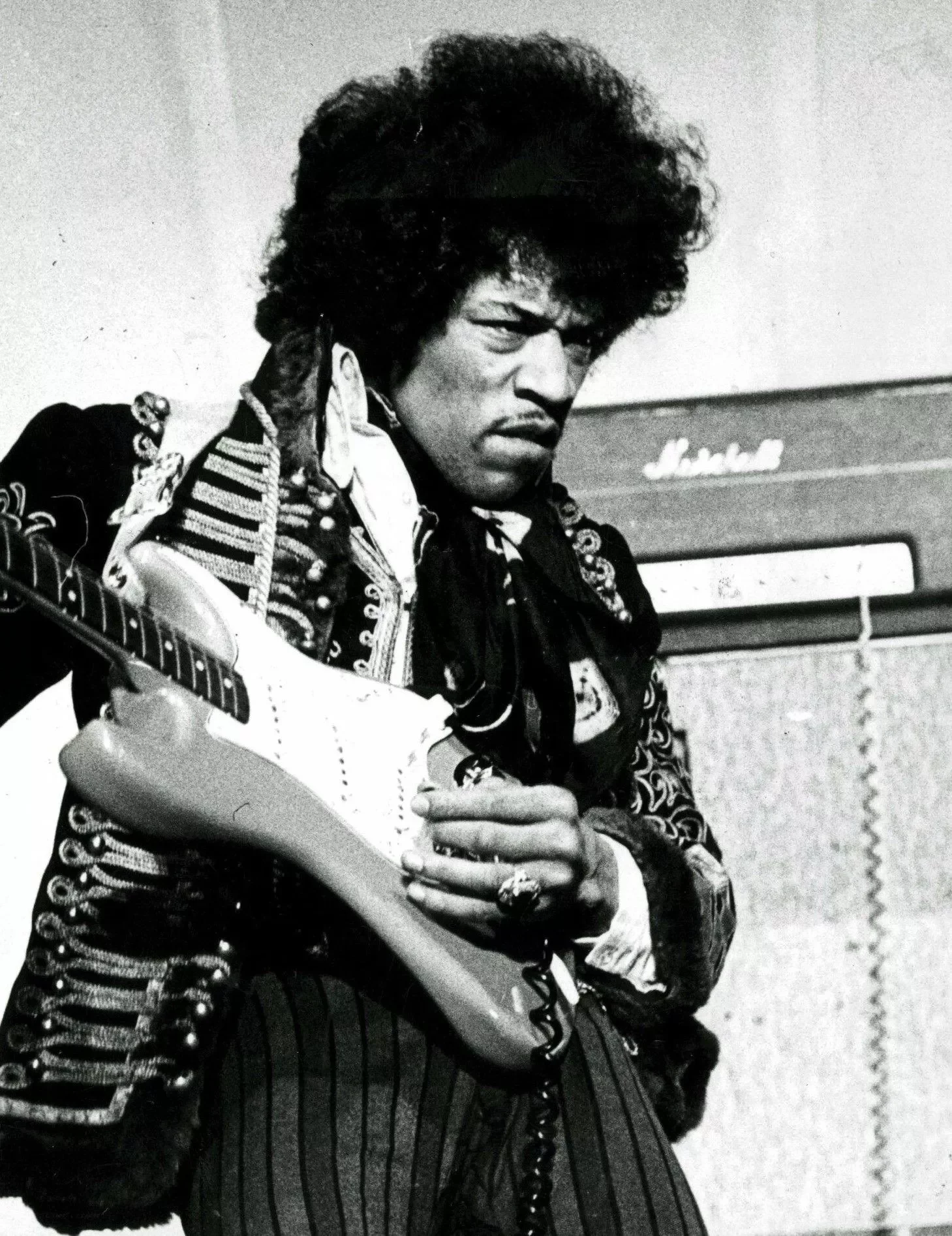
Jimi Hendrix
Born27 Nov, 1942
Died18 Sep, 1970
NationalityAmerican
Age at time of death27
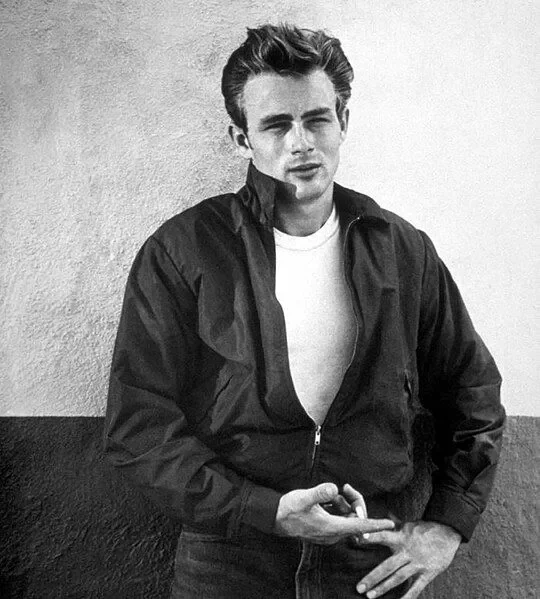
James Dean
Born08 Feb, 1931
Died30 Sep, 1955
NationalityAmerican
Age at time of death24
Burt Reynolds
Born11 Feb, 1936
Died06 Sep, 2018
NationalityAmerican
Age at time of death82
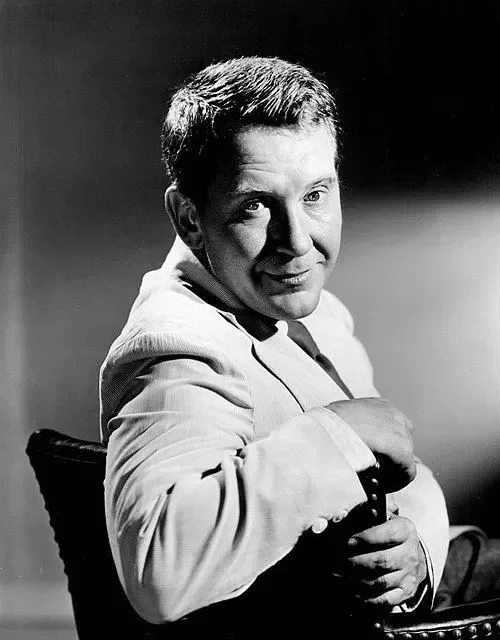
Oliver Burgess Meredith
Born16 Nov, 1907
Died09 Sep, 1997
NationalityAmerican
Age at time of death89
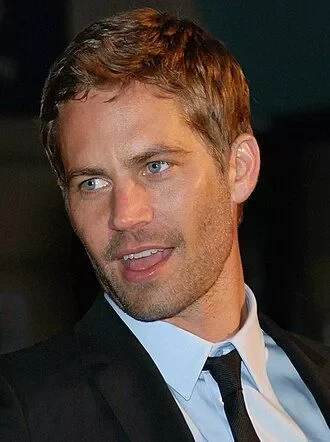
Paul Walker
Born12 Sep, 1973
Died30 Nov, 2013
NationalityAmerican
Age at time of death40
Jonathan Brandis
Born13 Apr, 1976
Died12 Nov, 2003
NationalityAmerican
Age at time of death27
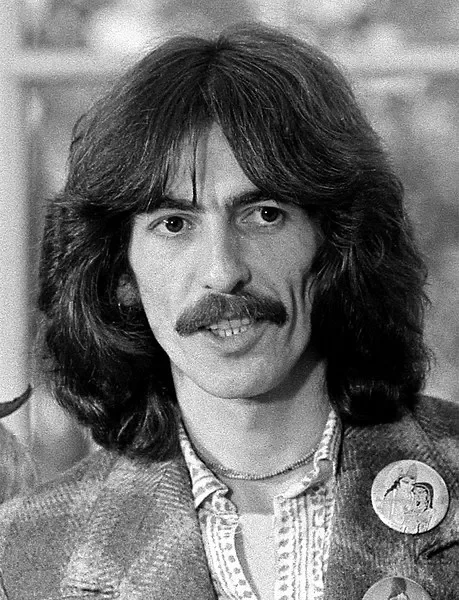
George Harrison
Born25 Feb, 1943
Died29 Nov, 2001
NationalityBritish
Age at time of death58
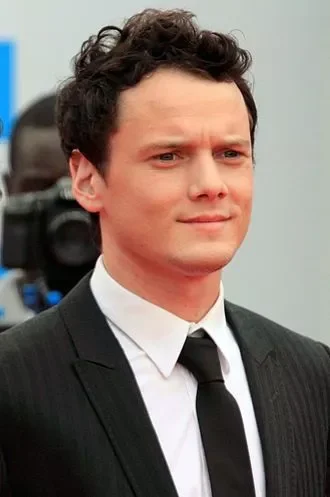
Anton Yelchin
Born11 Mar, 1989
Died19 Jun, 2016
NationalityAmerican
Age at time of death27
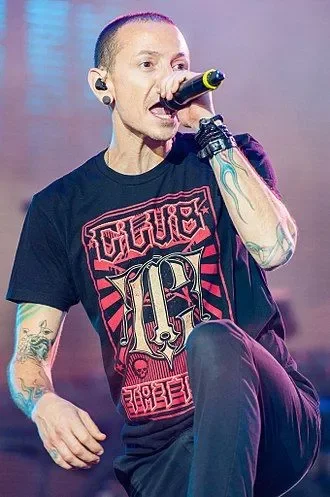
Chester Bennington
Born20 Mar, 1976
Died20 Jul, 2017
NationalityAmerican
Age at time of death41
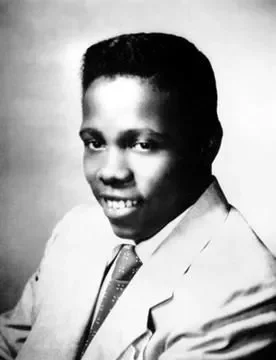
Johnny Ace
Born09 Jun, 1929
Died25 Dec, 1954
NationalityAmerican
Age at time of death25
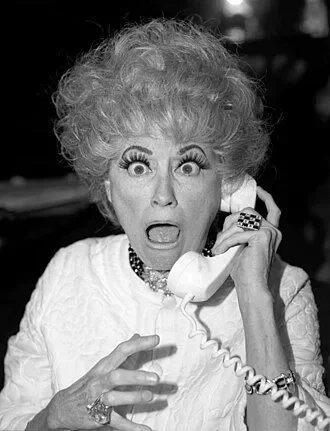
Phyllis Diller
Born17 Jul, 1917
Died20 Aug, 2012
NationalityAmerican
Age at time of death95
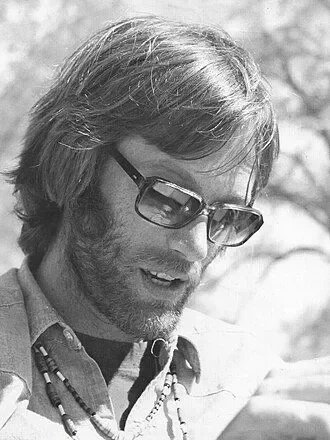
Peter Fonda
Born23 Feb, 1940
Died16 Aug, 2019
NationalityAmerican
Age at time of death79
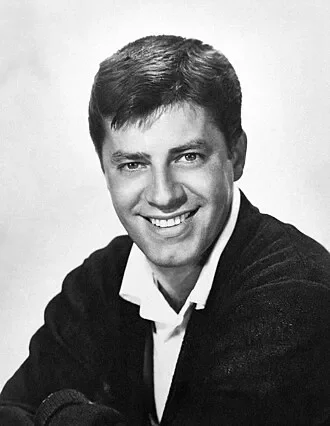
Jerry Lewis
Born16 Mar, 1926
Died20 Aug, 2017
NationalityAmerican
Age at time of death91
Marlon Brando
Born03 Apr, 1924
Died01 Jul, 2004
NationalityAmerican
Age at time of death80
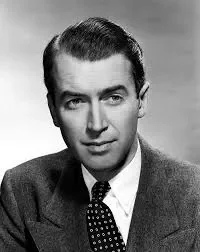
James Stewart
Born20 May, 1908
Died02 Jul, 1997
NationalityAmerican
Age at time of death89
Cory Monteith
Born11 May, 1982
Died13 Jul, 2013
NationalityCanadian
Age at time of death31
Christopher Lee
Born27 May, 1922
Died07 Jun, 2015
NationalityBritish
Age at time of death93
Paul Mooney
Born04 Aug, 1941
Died19 May, 2021
NationalityAmerican
Age at time of death79
George Murphy
Born04 Jul, 1902
Died03 May, 1992
NationalityAmerican
Age at time of death89
Fred Ward
Born30 Dec, 1942
Died08 May, 2022
NationalityAmerican
Age at time of death79