Real Celebrities Never Die!
OR
Search For Past Celebrities Whose Birthday You Share
Died Age: 98

www.hindustantimes.com
Betty Harford
Birthday:
27 Jan, 1927
Date of Death:
01 Nov, 2025
Cause of death:
Unspecified
Nationality:
American
Famous As:
Actress
Age at the time of death:
98
Betty Harford's Quote's
“I’d rather be a monster than a non-entity”
Betty Harford
🔗 deadcelebrityhub.com
Overview
From the busy streets of New York City to the soundstages of Hollywood, Betty Harford made a career out of breathing life into characters who often lived on the periphery — but whose presence was always felt. With warmth, reliability, and quiet strength, she turned small roles into unforgettable moments, leaving behind a legacy of decades of steady craft and understated brilliance.
Early Life
Born in New York City on January 28, 1927, Harford came of age in a place teeming with energy, creativity, and possibility. While details of her family background remain private, growing up in that city must have exposed her to a rich tapestry of cultural influences — from theatre and arts to early radio and film. It was in that environment that the seeds of performance likely took root, setting the stage for her future in acting.
Though the public records don’t highlight dramatic upheavals or childhood fame, there is something quietly powerful in someone from New York in the 1920s finding her way to Hollywood — a testament to ambition and perseverance. For Harford, this path would be less about glamour and more about consistency, resilience, and commitment to her craft.
Education and Early Training
Rather than following a conventional academic path toward stardom, Harford’s education seems to have been shaped by practical involvement in theatre and performance. She became associated with theatrical productions under the wing of the legendary producer and actor John Houseman. Working in Houseman’s theatre productions and in venues such as the High Valley Theatre, she honed her skills on stage, absorbing discipline, timing, and presence — traits that would become her calling card in film and television.
This foundation in theatre gave her grounding not only as an actress, but also as a performer capable of versatility: whether in drama, subtle everyday roles, or emotionally charged moments. That early discipline would serve her well when she transitioned to screen work, where subtlety and consistency often matter more than flash.
Career Journey
The Early Years: Building a Footing
Harford’s screen debut came in the early 1950s, with an appearance on the anthology series Fireside Theatre in 1951. From there, she steadily built a resume of guest-starring roles in television dramas throughout the 1950s and 1960s. She appeared in classics like Alfred Hitchcock Presents, Gunsmoke, The Twilight Zone, and many others.
In 1956, she even lent her voice to the stop-motion children’s series The Gumby Show — a charmingly different pivot from her dramatic television roles. That same year, she made her feature-film debut, further signalling her readiness to explore a range of opportunities.
These early decades were defined not by headline-grabbing stardom, but by diligent work: each small role, each guest appearance, building experience and a reputation as a dependable performer. That trust earned her the kind of longevity many actors never achieve.
Breakthrough: Regular Roles and Recognition
After decades of radio, television, and stage work, Hartford landed her first regular television role in the late 1970s. In the series The Paper Chase — originally airing on CBS and later revived by Showtime — she portrayed Ms Nottingham, the ever-efficient secretary to law professor Charles Kingsfield. That role marked a turning point: from occasional guest parts to recurring presence, offering her a steadier showcase for her talents.
Just a few years later, in 1981, she began portraying Hilda Gunnerson — the Carrington family’s devoted cook — in the primetime soap opera Dynasty. Over the course of the show’s nine-year run, Harford appeared in 34 episodes as Hilda, and later returned for the 1991 reunion miniseries. In a series known for glamour and high drama, her character provided warmth, humanity, and often a grounding sense of home. For many viewers, Hilda — through Harford’s portrayal — became a quietly beloved figure in a larger-than-life world.
Parallel to her television success, Hartford sporadically appeared in films over the years. Notably, she played Mrs Forbes in the 1959 film The Wild and the Innocent and Gloria — the sister of the lead character — in the 1965 movie Inside Daisy Clover, starring opposite Natalie Wood. Her film roles were seldom leading, but they underscored her versatility and breadth as an actress.
Later Career and Final Roles
Even as television evolved and the entertainment landscape shifted, Harford remained active. She reprised her role in The Gumby Show decades later — a nod to her early work and a playful footnote in a serious career. After Dynasty concluded and with no major leading roles forthcoming, she gradually stepped back from the spotlight. Yet, she left behind a body of work that spanned more than four decades — a testament to steady dedication rather than fleeting fame.
Personal Life
Off-screen, Harford’s life was quieter and more private, which was a contrast to some of the dramatic roles she played. She was married to California sculptor Oliver Andrews; together they had a son, Chris, born on September 29, 1952. Though their marriage ended in the late 1970s, that early family anchored a chapter of her life beyond acting. Later, she was in a relationship with Hungarian actor Alex de Naszody, with whom she shared her private years until his death.
Friends and family described her final moments as peaceful — she passed away on November 2, 2025, in Santa Barbara, California, aged 98. Those who knew her recall a woman of warmth, quiet dignity, and a deep sense of humanity — qualities that often translated into the characters she embodied on screen.
Legacy
Betty Harford may not have been a headline star, but she was the kind of actress the industry — and discerning audiences — depends on. Through decades of supporting work, she helped build worlds that felt lived-in and real. As Hilda Gunnerson, she made a fictional mansion feel like home. As Ms Nottingham, she gave structure and subtle humanity to a drama about ambition and ideals.
Her longevity is a tribute to her professionalism, adaptability, and modest talent — a reminder that show business isn’t only about glamour, but about the many quiet, steady contributions that support the whole.
In remembering Betty Harford, we remember reliability, craft, and the power of small, consistent brilliance. She leaves behind roles that continue to resonate — characters who, through her performance, became more than just part of a story. They became real. And in that, her legacy endures.
Profile Snapshot
Name:
Betty Harford
Popular Name:
Betty Harford
Gender:
Female
Cause of Death:
Unspecified
Spouse:
Oliver Andrews
Sándor Naszódy
Place of Birth:
New York, New York, United States
Place of Death:
Santa Barbara, California, United States
Occupation / Profession:
Actress
Personality Type
Mediator: Betty Harford carried a quiet steadiness into every room she entered, the kind of gentle presence that made others feel grounded even when she stood in the background.
Betty Harford's Interesting Facts
She voiced characters in The Gumby Show, a playful contrast to her dramatic television roles.
She worked closely with legendary producer John Houseman early in her career.
She also spent part of her career involved in live theatre, including work at the High Valley Theatre.
Achievements & Awards
Betty Harford built a long and steady career across television, film, and theatre, earning recognition for her reliable character work rather than major awards.
She became widely known for her recurring role as Hilda Gunnerson on Dynasty, appearing throughout its nine-season run.
Earlier, she earned consistent work in respected television series such as The Paper Chase, Alfred Hitchcock Presents, and The Twilight Zone, demonstrating remarkable versatility.
Her career spanned more than four decades, a testament to her professionalism and enduring presence in the industry.
External Links
Latest Profiles
People also viewed
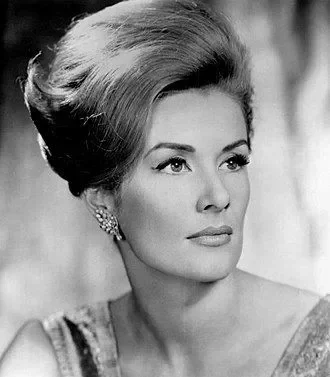
Sally Ann Howes
Born20 Jul, 1930
Died19 Dec, 2021
NationalityBritish, American
Age at time of death91
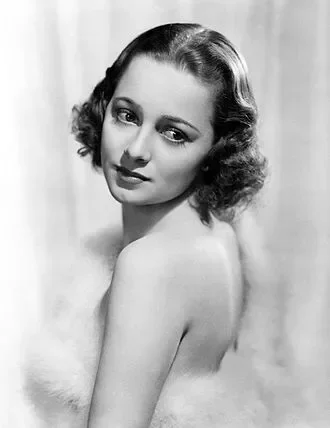
Olivia de Havilland
Born01 Jul, 1916
Died26 Jul, 2020
NationalityBritish, American
Age at time of death104
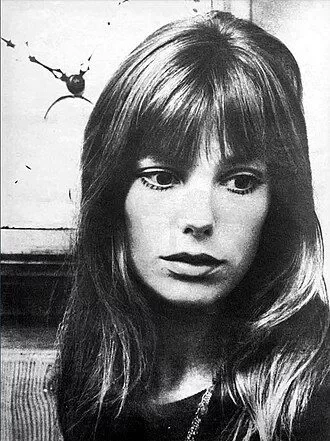
Jane Birkin
Born14 Dec, 1946
Died16 Jul, 2023
NationalityBritish, French
Age at time of death76
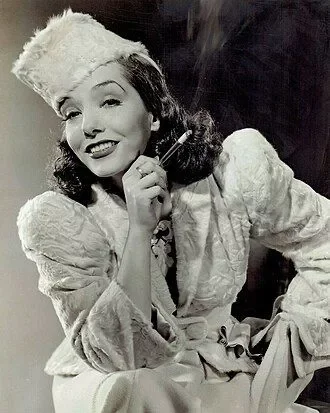
Lupe Vélez
Born18 Jul, 1908
Died14 Dec, 1944
NationalityMexican
Age at time of death36
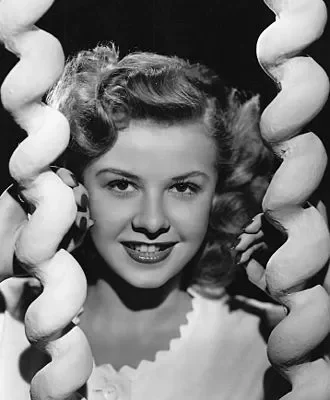
Vera-Ellen
Born16 Feb, 1921
Died30 Aug, 1981
NationalityAmerican German
Age at time of death60
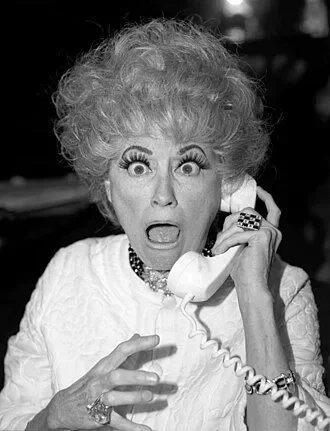
Phyllis Diller
Born17 Jul, 1917
Died20 Aug, 2012
NationalityAmerican
Age at time of death95
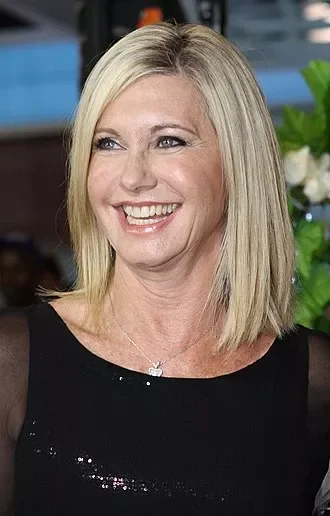
Olivia Newton-John
Born26 Sep, 1948
Died08 Aug, 2022
NationalityBritish, Australian
Age at time of death73
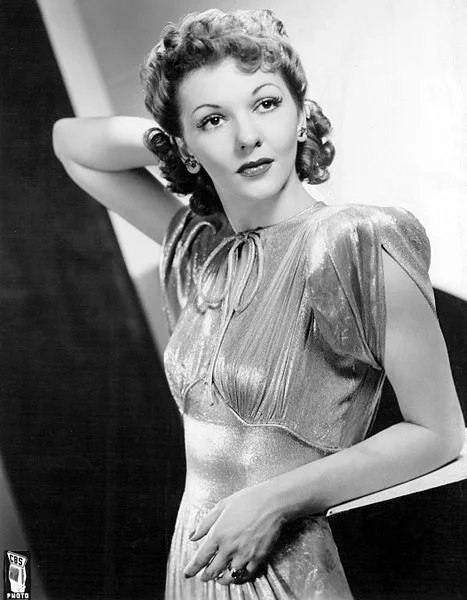
Mary Martin
Born01 Dec, 1913
Died03 Nov, 1990
NationalityAmerican
Age at time of death76
Tina Turner
Born26 Nov, 1939
Died24 May, 2023
NationalityAfrican, American
Age at time of death83
Tawny Kitaen
Born05 Aug, 1961
Died07 May, 2021
NationalityAmerican
Age at time of death59
Gloria Swanson
Born27 Mar, 1899
Died04 Apr, 1983
NationalityAmerican
Age at time of death84
Whitney Houston
Born09 Aug, 1963
Died11 Feb, 2012
NationalityAmerican
Age at time of death48
Caroline Flack
Born09 Nov, 1979
Died15 Feb, 2020
NationalityBritish
Age at time of death40
Hedy Lamarr
Born09 Nov, 1914
Died19 Jan, 2000
NationalityAmerican
Age at time of death85
Betty White
Born30 Nov, 1922
Died31 Dec, 2021
NationalityAmerican
Age at time of death99
Grace Bradley
Born21 Sep, 1913
Died21 Sep, 2010
NationalityAmerican
Age at time of death97
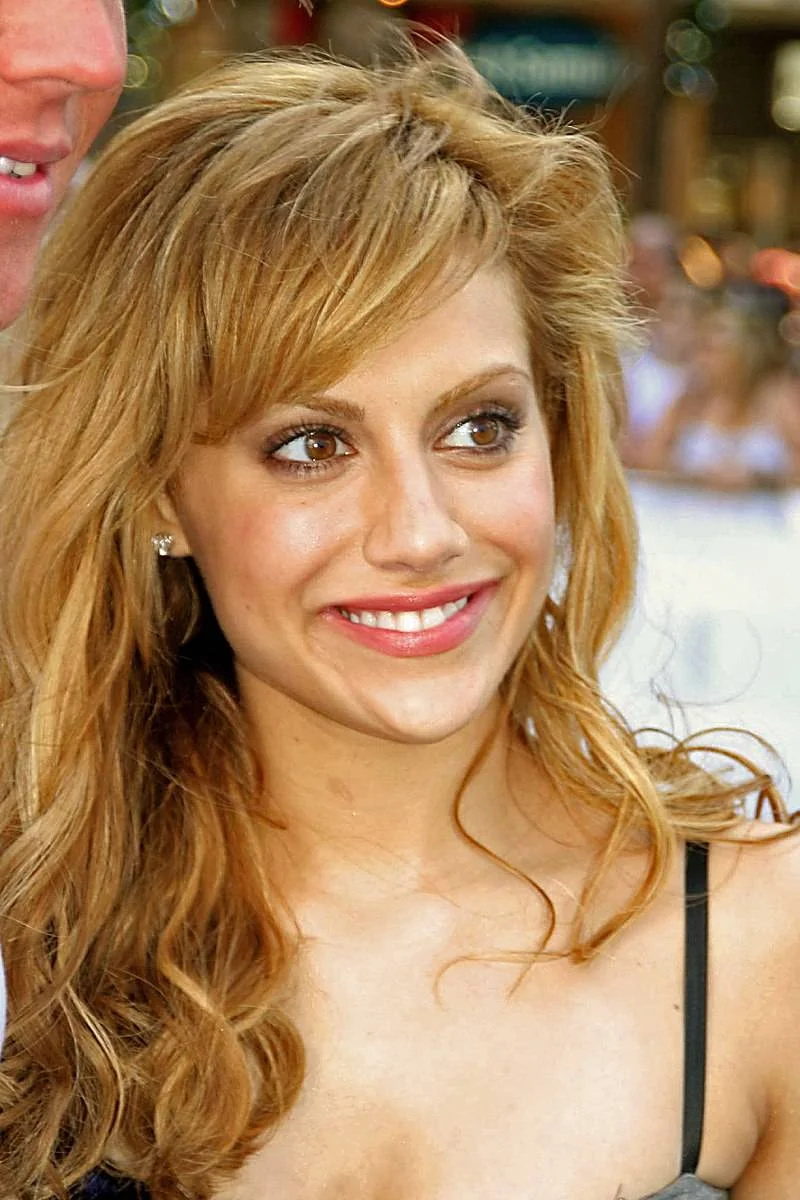
Brittany Murphy
Born10 Nov, 1977
Died20 Dec, 2009
NationalityAmerican
Age at time of death32
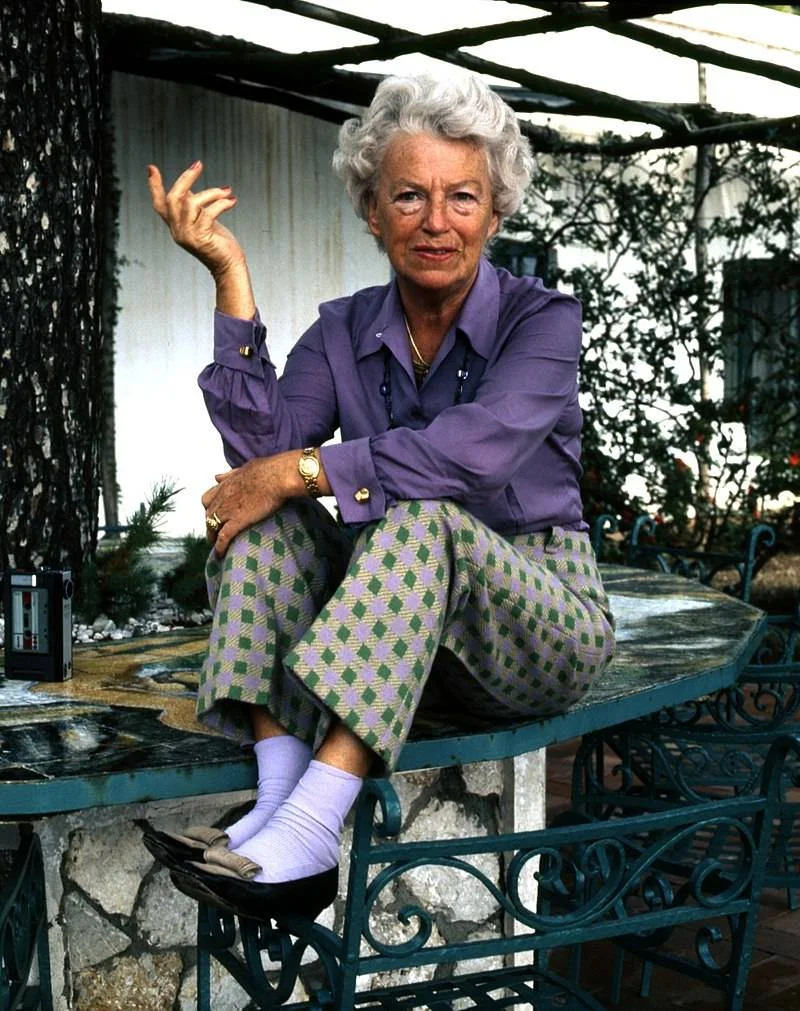
Gracie Fields
Born09 Jan, 1898
Died27 Sep, 1979
NationalityBritish, Italian
Age at time of death81
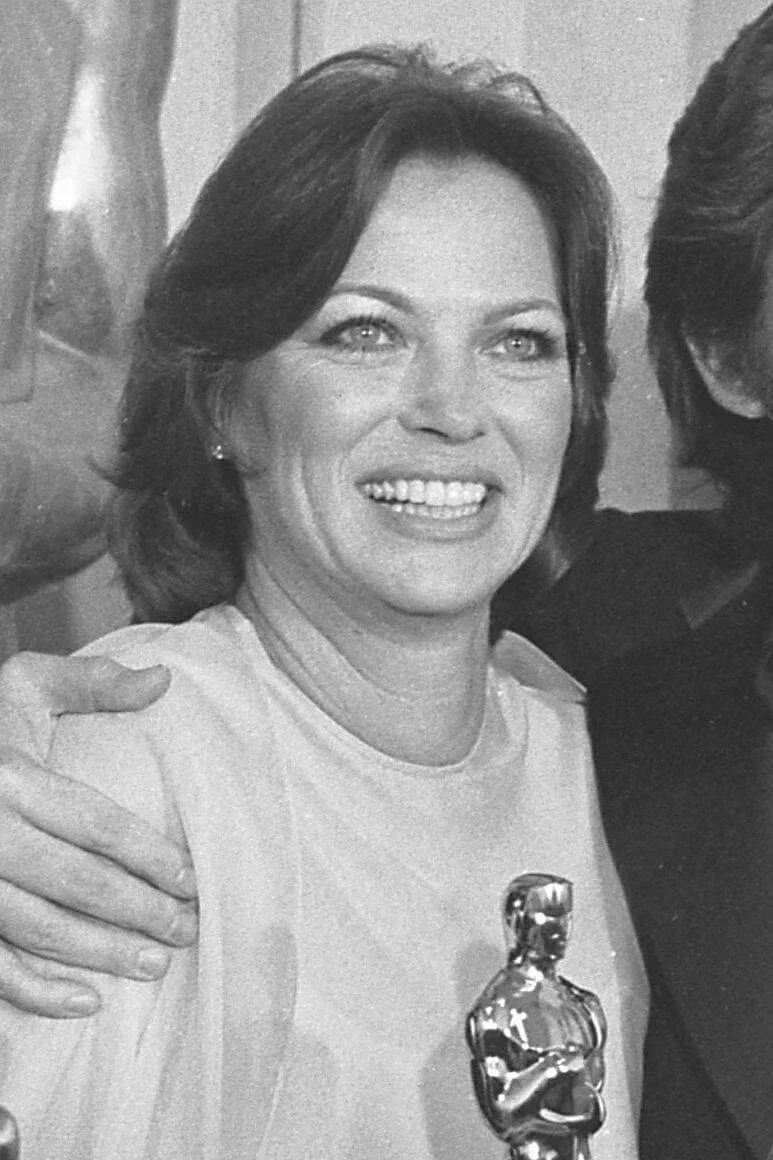
Louise Fletcher
Born22 Jul, 1934
Died23 Sep, 2022
NationalityAmerican
Age at time of death88
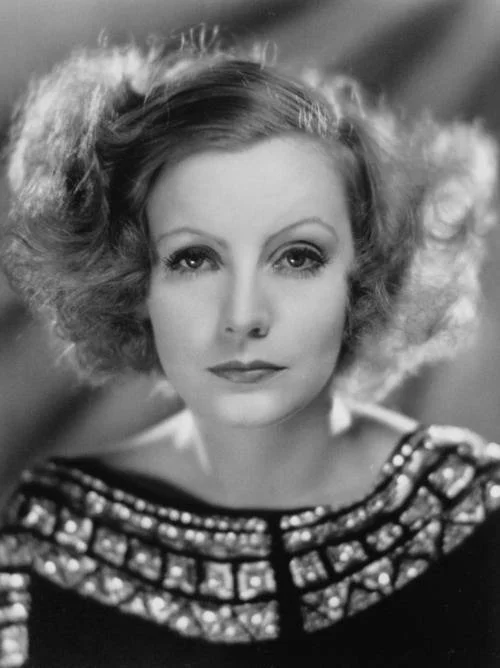
Greta Garbo
Born18 Sep, 1905
Died15 Apr, 1990
NationalitySwedish, American
Age at time of death84