Real Celebrities Never Die!
OR
Search For Past Celebrities Whose Birthday You Share
Died Age: 88
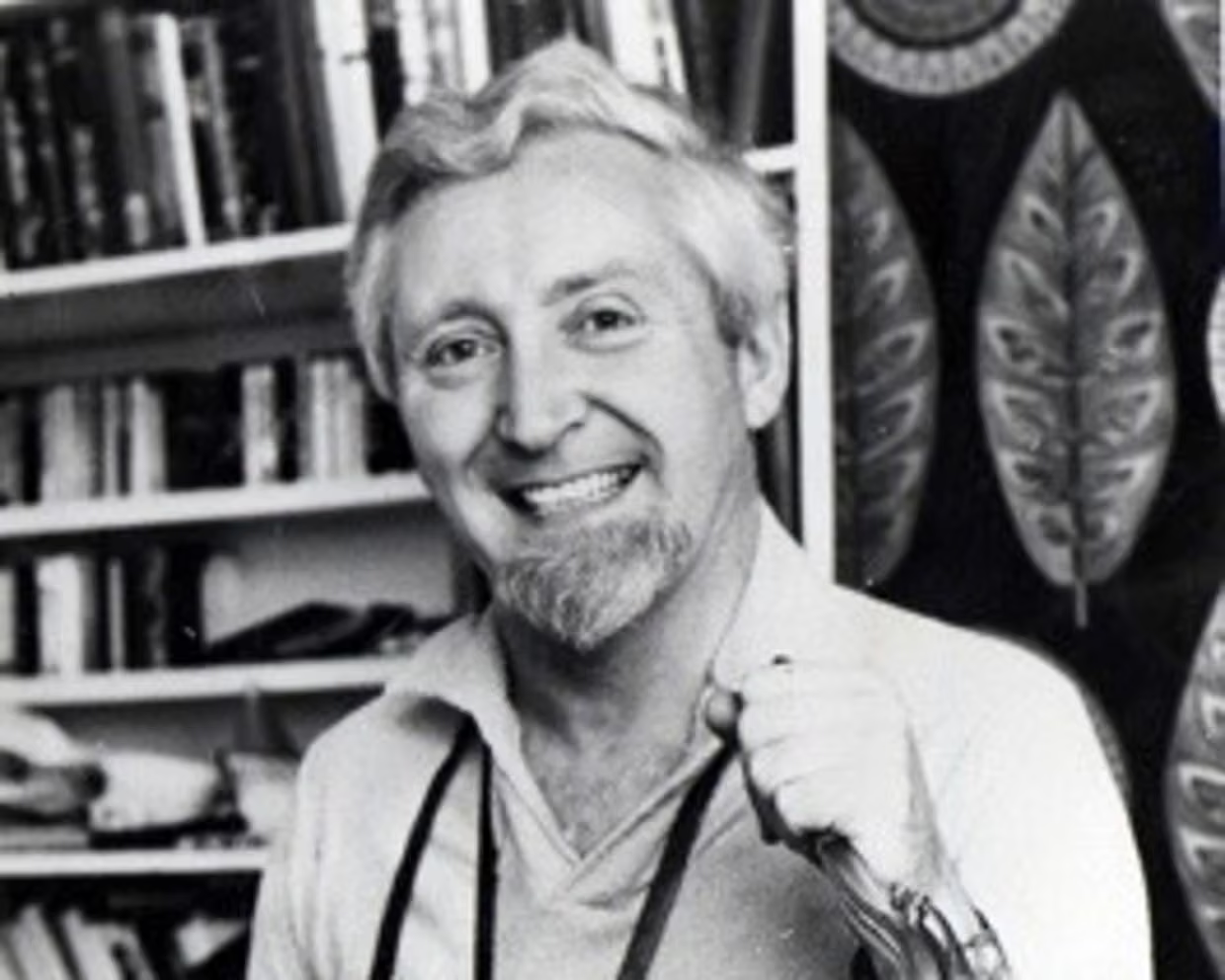
i.guim.co.uk
Bill Ashton
Birthday:
05 Dec, 1936
Date of Death:
07 Mar, 2025
Cause of death:
Natural causes
Nationality:
British
Famous As:
British band leader
Age at the time of death:
88
William Michael Allingham Ashton's Quote's
“Jazz is about listening as much as playing—if you can’t listen, you can’t lead.”
William Michael Allingham Ashton
🔗 deadcelebrityhub.com
Early Life
Bill Ashton was a revolutionary in British jazz. A teacher by trade, a saxophonist by heart, and a mentor by calling, he founded the National Youth Jazz Orchestra (NYJO) in 1965 and nurtured generations of young musicians whose voices came to define modern British jazz. His story is one of purpose: opening doors, crafting opportunities, and insisting that young talent be heard and not just taught.
Born on December 6, 1936, in Blackpool, Lancashire, Bill Ashton grew up in a family that valued hard work and perseverance. His father, Eric, ran a bakery business, while his mother, Zilla, died when Bill was only seven years old—an early loss that shaped his resilience and deepened his connection to music. Jazz, for the young Ashton, was not just entertainment but a refuge.
He attended Rossall School in Fleetwood, where he first picked up the saxophone and clarinet. It was here that his lifelong fascination with rhythm, improvisation, and collaboration began. Even as a teenager, Ashton’s curiosity about music reached beyond the classroom; he was already seeking that elusive “conversation” that jazz allows between instruments.
After completing his schooling, Ashton served in the Royal Air Force during his National Service. The experience instilled in him a sense of discipline that would later prove invaluable in building and running one of the country’s most enduring musical institutions.
Education
In 1957, Ashton went to St Peter’s College, Oxford, to study Modern Languages. Yet, while his academic focus was on French and German, his heart was firmly set on jazz. At Oxford, he founded the Oxford University Big Band, gathering fellow students who shared his enthusiasm for the genre. Late-night rehearsals, student dances, and impromptu jam sessions offered him both musical joy and organisational experience—the early seeds of what would become his life’s mission.
After graduating, Ashton spent time in France, playing professionally at American military bases. Those months broadened his musical horizons and exposed him to the international pulse of jazz. When he returned to England, he carried with him both the confidence of a performer and the insight of a teacher.
Career Journey
Early Career
Back in London, Ashton split his time between teaching French and performing in jazz and blues groups. His ability to balance the rigors of education with the spontaneity of performance shaped his unique approach to leadership—equal parts structure and freedom. His classrooms were lively, often infused with stories from his musical life, making him one of those rare teachers students remember not just for what he taught, but how he inspired.
The Birth and Growth of NYJO
In 1965, alongside Pat Evans and Mike Kershaw, Ashton founded what was initially called the London Schools’ Jazz Orchestra. Its mission was straightforward but revolutionary: to give young British musicians a professional platform to play, learn, and grow. Under Ashton’s leadership, it soon evolved into the National Youth Jazz Orchestra (NYJO).
From the start, Ashton insisted on high standards. Rehearsals were rigorous, performances frequent, and the expectation was excellence. By the early 1970s, NYJO was performing dozens of concerts each year and beginning to record. Ashton eventually left teaching to focus on the orchestra full-time, supported by his wife, Kay, who managed its growing administrative demands.
What began as a small youth ensemble blossomed into a national institution. NYJO recorded albums, toured internationally, and became a training ground for the future stars of British jazz. Many now-renowned musicians—including Amy Winehouse, Guy Barker, Gerard Presencer, and Mark Nightingale—passed through its ranks, crediting Ashton for their early opportunities.
Achievements and Challenges
Ashton led NYJO for over four decades, commissioning more than 600 original arrangements and compositions that gave voice to new generations of writers and players. He fought tirelessly for funding, often dipping into his own resources to keep the orchestra afloat. Through economic challenges and shifting musical fashions, he never lost faith in his mission.
Recognition came steadily. Ashton was appointed MBE in 1978 and OBE in 2010 for his services to jazz. He also received numerous awards from the British jazz community and educational institutions. Yet perhaps his greatest reward was the orchestra itself—thriving proof that his belief in young musicians had been justified.
Later Years
Ashton stepped down as NYJO’s Musical Director in 2009 after 44 years of service but remained its Life President. Even in retirement, he continued to advise, arrange, and attend performances. The orchestra, still vibrant and evolving, stood as a living testament to his dedication and vision.
Personal Life
Bill Ashton married Kay Watkins in 1966, and together they built both a family and a musical institution. Kay’s steady hand behind the scenes kept NYJO running smoothly, while Bill’s boundless energy drove it forward. They had three children—Grant, Miles, and Helen—and music ran deep in the family.
Those who knew Ashton describe him as warm, witty, and quietly determined. He was known for his patience during rehearsals, his generosity with young musicians, and his knack for finding the potential in players others might overlook. His colleagues recall him leaning back during rehearsals, eyes closed, listening deeply before offering a quiet suggestion that transformed an entire section.
Legacy
Bill Ashton passed away on March 8, 2025, at the age of 88. Yet his legacy continues to echo wherever young jazz musicians take the stage. Through NYJO, he created not only a space for talent to grow but a lasting cultural framework for jazz education in Britain.
His life’s work bridged generations and genres, ensuring that jazz—an art form built on dialogue and discovery—remains alive and accessible. Thousands of musicians owe their first professional experience, their first tour, or their first spark of confidence to Ashton’s belief in them.
He turned an idea born in a school rehearsal room into a national movement. His impact cannot be measured solely by awards or records, but in the countless lives and careers he helped launch.
Profile Snapshot
Name:
William Michael Allingham Ashton
Popular Name:
Bill Ashton
Gender:
Male
Cause of Death:
Natural causes
Spouse:
Kay Watkins
Place of Birth:
Blackpool, United Kingdom
Place of Death:
United Kingdom (UK)
Occupation / Profession:
British band leader
Saxophonist
Composer
Personality Type
Executive: Bill Ashton was a leader who blended discipline and creativity to turn youthful talent into a lasting musical legacy.
William Michael Allingham Ashton's Interesting Facts
He once played regularly at American military bases in France before dedicating himself fully to teaching and directing NYJO.
Ashton was known for personally driving the orchestra’s tour bus on early trips to save money and bond with the young musicians.
He had a love of cricket and often compared good band dynamics to a well-balanced cricket team—everyone playing their part for the whole.
Achievements & Awards
Bill Ashton’s most enduring achievement was founding and leading the National Youth Jazz Orchestra (NYJO), which became the cornerstone of jazz education in Britain and launched the careers of countless musicians.
Over four decades, he commissioned more than 600 new works and recorded over 40 albums with the orchestra.
His dedication earned him an MBE in 1978 and an OBE in 2010 for jazz services, along with numerous honours from the British jazz and music education communities.
External Links
Latest Profiles
People also viewed
Irving Berlin
Born11 May, 1888
Died22 Sep, 1989
NationalityAmerican
Age at time of death101
Rabindranath Tagore
Born07 May, 1861
Died08 Aug, 1941
NationalityIndian
Age at time of death80
Barry White
Born12 Sep, 1944
Died04 Jul, 2003
NationalityAmerican
Age at time of death58
Nina Simone
Born21 Feb, 1933
Died21 Apr, 2003
NationalityAmerican
Age at time of death70
W.C. Handy
Born16 Nov, 1873
Died28 Mar, 1958
NationalityAmerican
Age at time of death84
Johnny Otis
Born28 Dec, 1921
Died17 Jan, 2012
NationalityAmerican
Age at time of death90
Lata Mangeshkar
Born28 Sep, 1929
Died06 Feb, 2022
NationalityIndian
Age at time of death92
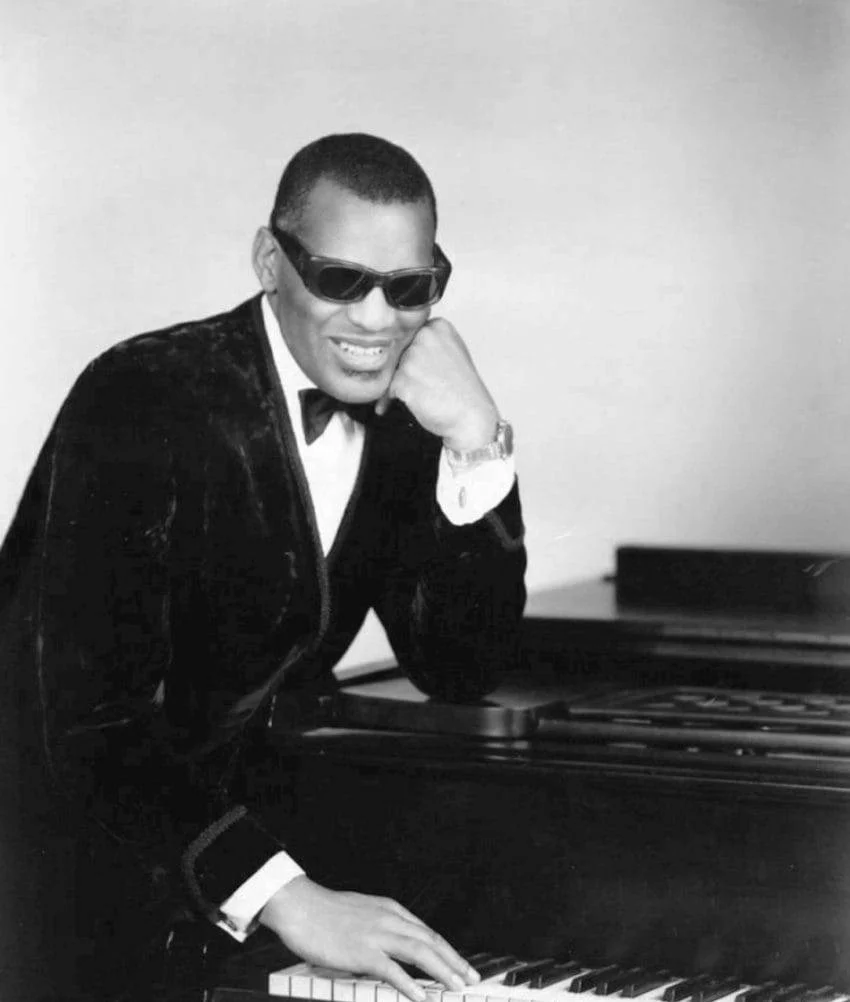
Ray Charles
Born23 Sep, 1930
Died10 Jun, 2004
NationalityAmerican
Age at time of death73
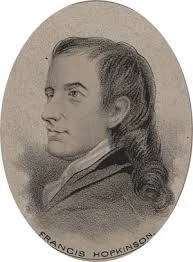
Francis Hopkinson
Born02 Oct, 1737
Died09 May, 1791
NationalityAmerican
Age at time of death53
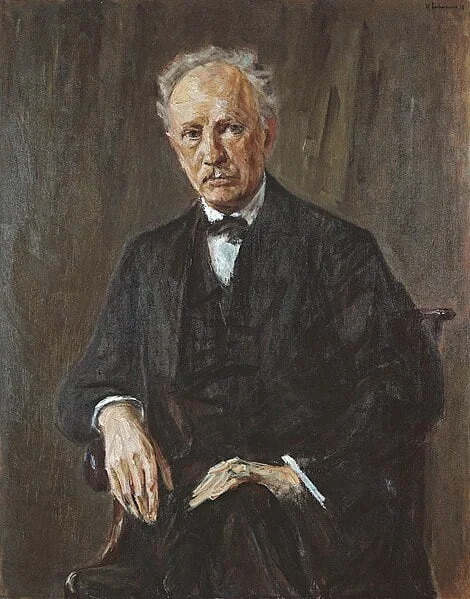
Richard Strauss
Born11 Jun, 1864
Died08 Sep, 1949
NationalityGerman
Age at time of death85
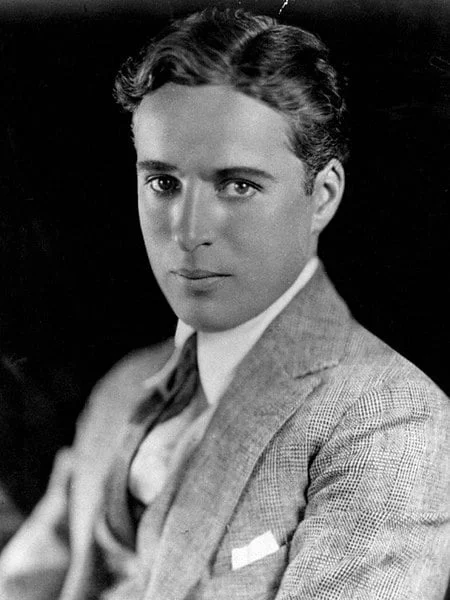
Charlie Chaplin
Born16 Apr, 1889
Died25 Dec, 1977
NationalityBritish
Age at time of death88
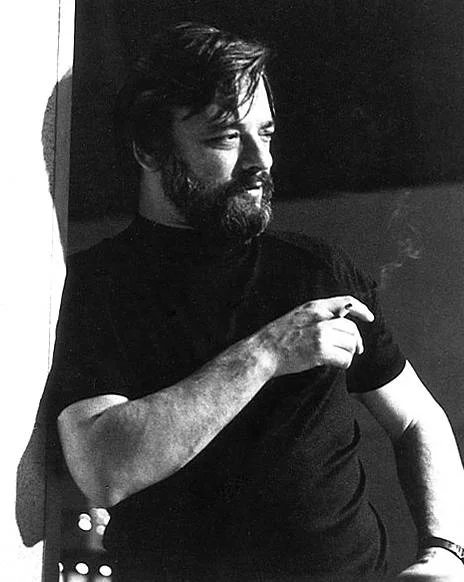
Stephen Sondheim
Born22 Mar, 1930
Died26 Nov, 2021
NationalityAmerican
Age at time of death91
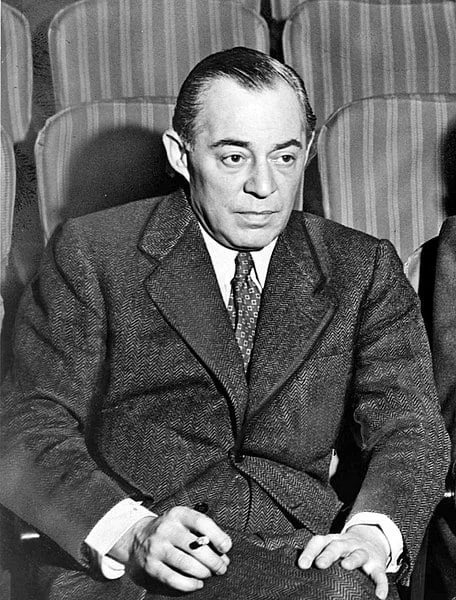
Richard Rodgers
Born28 Jun, 1902
Died30 Dec, 1979
NationalityAmerican
Age at time of death77
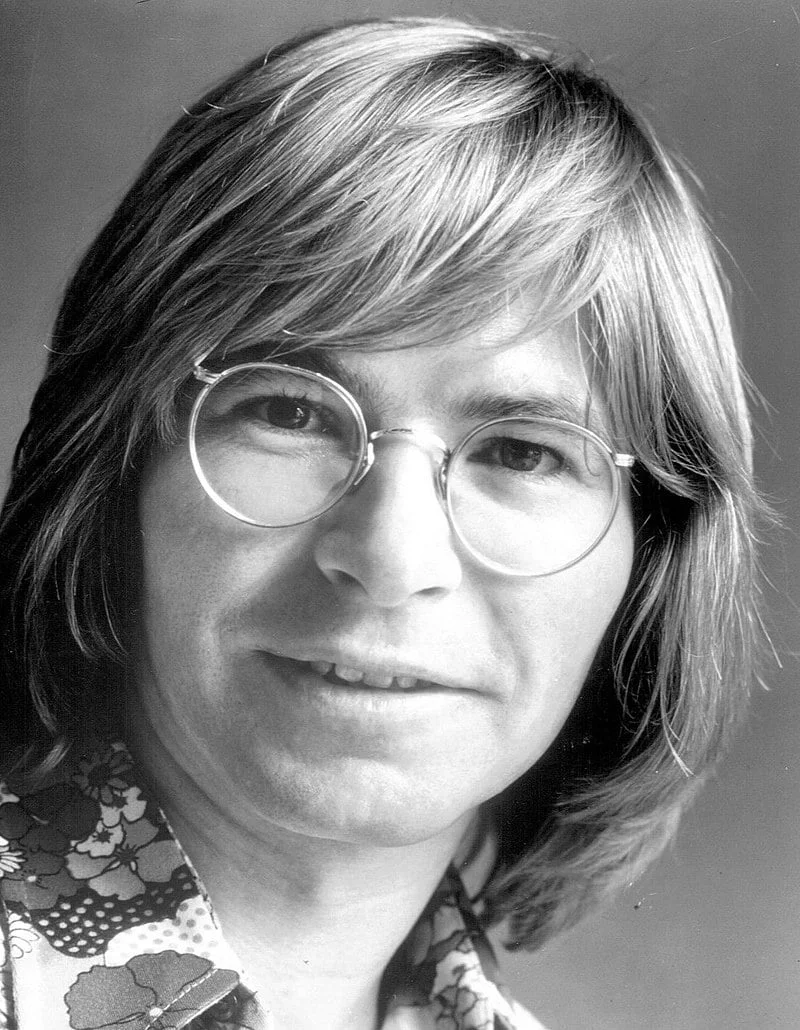
John Denver
Born31 Dec, 1943
Died12 Oct, 1997
NationalityAmerican
Age at time of death53
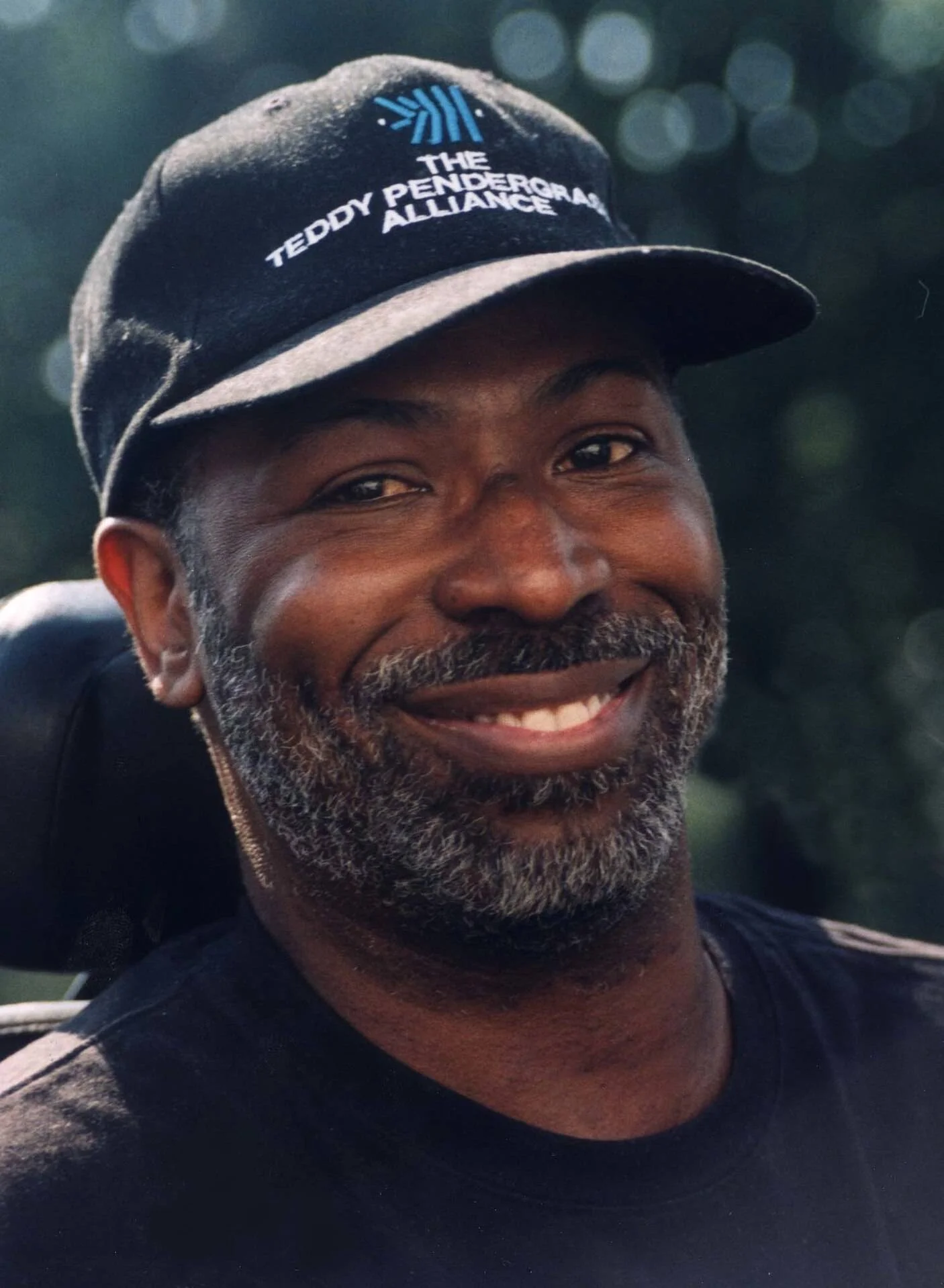
Teddy Pendergrass
Born26 Mar, 1950
Died13 Jan, 2010
NationalityAmerican
Age at time of death59
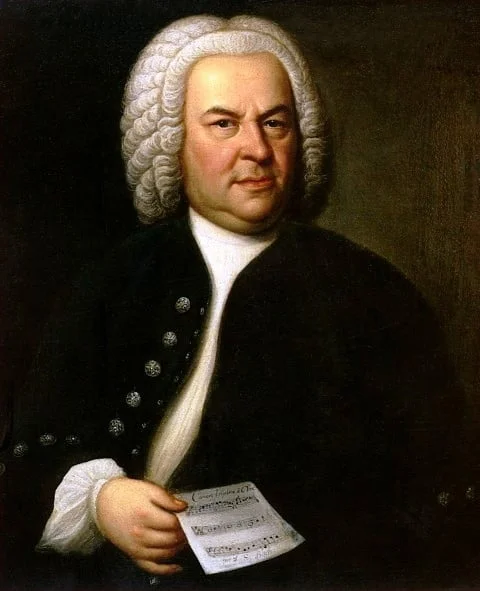
J S Bach
Born31 Mar, 1685
Died28 Jul, 1750
NationalityGerman
Age at time of death65
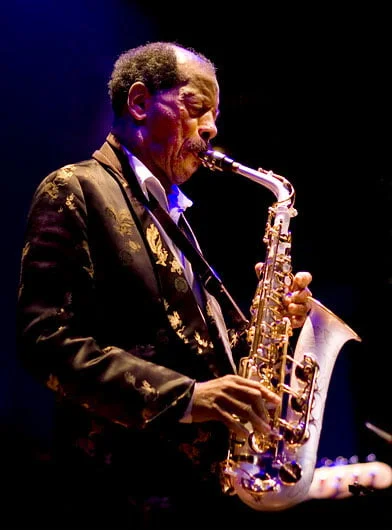
Ornette Coleman
Born09 Mar, 1930
Died11 Jun, 2015
NationalityAmerican
Age at time of death85

Thomas Hardy
Born02 Jun, 1840
Died11 Jan, 1928
NationalityBritish
Age at time of death87
George Martin
Born03 Jan, 1926
Died08 Mar, 2016
NationalityBritish
Age at time of death90
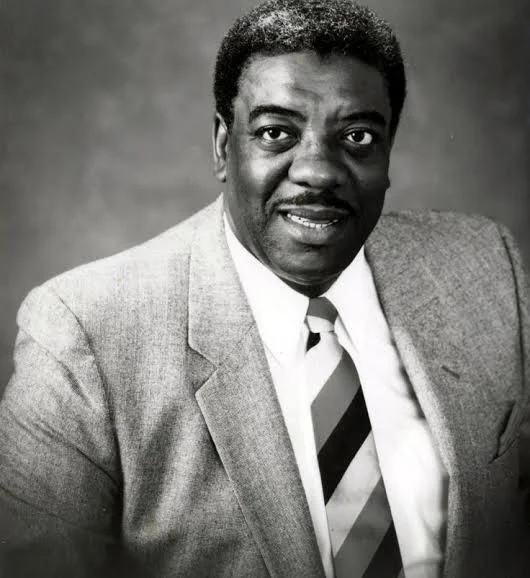
James Cleveland
Born05 Dec, 1931
Died09 Feb, 1991
NationalityAmerican
Age at time of death59