Real Celebrities Never Die!
OR
Search For Past Celebrities Whose Birthday You Share
Died Age: 97
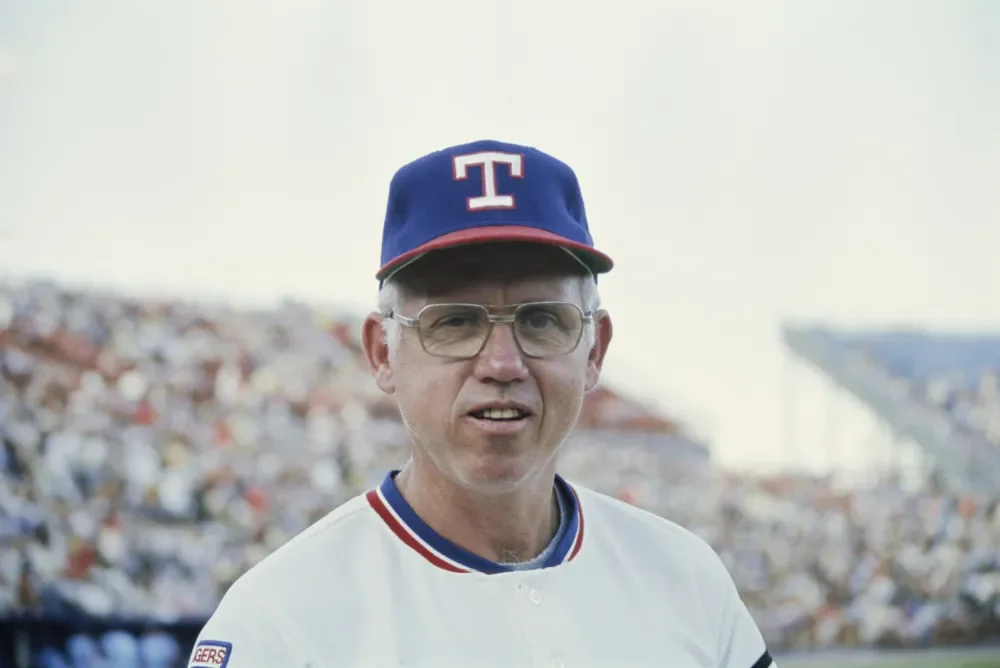
www.newsweek.com
Billy Hunter
Birthday:
03 Jun, 1928
Date of Death:
02 Jul, 2025
Cause of death:
Natural Cause
Nationality:
American
Famous As:
American baseball player
Age at the time of death:
97
Gordon William Hunter's Quote's

“In most industries, you’re selling something you created, but in basketball, the product is the players themselves. Without them, there’s no game. That’s why the players deserve more than a 50-50 split of the revenue.”
Gordon William Hunter
🔗 deadcelebrityhub.com
Early Life
Billy Hunter is a figure whose life bridges athleticism, legal prowess, and labor leadership. From his early days as a dual-sport college athlete to his role leading the National Basketball Players Association through turbulent bargaining periods, Hunter’s story is one of pushing boundaries—sometimes quietly, sometimes controversially—to secure a stronger voice for athletes. He is as much remembered for his achievements as for the challenges he faced—and the convictions he brought to every stage.
George “Billy” Hunter was born on November 5, 1942, in Camden, New Jersey. Growing up in the mid-20th century in a time and place where racial and social boundaries were still sharply drawn, young Hunter was shaped by both athletic and cultural forces around him. He attended Delaware Township High School (now Cherry Hill West) in New Jersey, where he distinguished himself not just in academics but in sports. From early on he displayed a rare blend of physical ability and moral awareness: even in high school, he was part of discussions around fairness and equality that foreshadowed his later labor work.
In college, Hunter enrolled at Syracuse University, where he continued to play sports—football in particular—and deepened his sense of social justice. As a student-athlete, he helped organize a boycott of Southern schools whose stadiums remained segregated. That action spoke to one of his defining traits: whenever he saw injustice, he was moved to act.
Education & Formative Influences
After high school, Hunter balanced athletic ambition with academic preparation. Syracuse provided the stage for both. But while able on the field, he was equally committed in the classroom. After his athletic career, he pursued legal studies: attending Howard University School of Law, then later completing further legal education (including a master of laws degree at Boalt Hall, University of California, Berkeley). These years sharpened his analytic skills, his respect for law and process—and prepared him for roles where negotiation, rights, and power dynamics would be central. His early experiences—on sports teams, in segregated environments, in leadership roles on campus—laid a foundation of resilience, discipline, and moral clarity.
Career Journey
Billy Hunter’s professional life unfolds in phases: first as athlete, then as attorney, and finally as union leader, with each phase containing both achievements and challenges.
Phase One: Athlete & Early Adult Work
Hunter’s athletic life included playing in the NFL: he had short stints with the Washington Redskins and Miami Dolphins in 1965-66. Although his professional sports career was not long or starred, it gave him firsthand experience of what it meant to be an athlete in professional leagues: the pressures, the inequalities, the dependence on contracts, and the importance of voice. At the same time, during or soon after those athletic years, he committed himself to law school—an unusual path that combined two demanding careers. It was during these fore-ground years that Hunter began seeing the gaps between what players were promised and what they received.
Phase Two: Legal & Early Leadership
After law school, Hunter built a legal career: he served as prosecutor, took on cases involving civil rights and high-profile defendants, and moved into positions of responsibility in the legal world. Those years were not about publicity, but about developing the tools he would need: knowledge of law, negotiation, strategy, risk. He saw how institutions worked—or sometimes failed—and how legal power could protect rights.
In 1996, those experiences converged when Hunter was appointed executive director of the National Basketball Players Association (NBPA). The union at that time was fractured, in need of strong leadership, and facing a labor environment where players’ rights, pay, work conditions, and benefits were under constant negotiation.
Phase Three: NBPA and Collective Bargaining
As head of the NBPA, Hunter negotiated three of its most consequential collective bargaining agreements: in 1998, 2005, and 2011. Each negotiation came during tough times—lockouts, media scrutiny, conflicting interests among players, owners, and the league. Under his leadership, many of the gains players achieved (salary increases, benefits, post-retirement guarantees, stronger dispute mechanisms) came into being. Hunter was known for being firm, detail-oriented, and sometimes polarizing; he carried the burdens of balancing elite athletes’ demands with the structure of professional sports business.
But his tenure was not free from controversy. Around 2010-2013, there were questions raised about his contracts, expense practices, and the appearance of favoritism in hiring. The union membership eventually voted to remove him as executive director, citing concerns over leadership choices, contract approvals, and governance. These controversies did not erase his role, but they complicated the story—reminding everyone that leadership in institutions demands not just vision, but transparency, accountability, and ethics.
Personal Life
Off the front lines of negotiations and legal battles, Hunter’s life has been grounded in family, humility, and simpler joys. He has spoken about how his role as a grandfather reshaped his priorities. After stepping away from the demands of union leadership, he embraced the more ordinary: driving grandchildren to school, engaging in their lives, making up for the years spent in high-stakes arenas. He’s acknowledged the stress his work carried—serious health issues, for example, developed in part from the pressure of the job. And yet those periods of rest and family reconnection also showed Hunter the human side of leadership: that those you lead are more than clients or members—they are people whose lives intersect with yours.
Legacy
Billy Hunter’s legacy is rich, complicated, and ultimately inspiring.
He showed that an athlete can become a lawyer, a negotiator, and a labor leader—and use each role to empower others.
The collective bargaining agreements he helped forge set frameworks for player health, pay, retirement, and rights that continue to shape the NBA and professional sports generally.
He demonstrated courage—sometimes unpopular—in standing up for player interests, even when that meant conflict with owners, league leadership, or even some players.
Even amid controversy, his career underscores that leadership involves both achievement and scrutiny: the public rewards, the private burdens, the mistakes, and the victories.
Billy Hunter will be remembered not just for what he won, but for what he attempted: to give athletes a voice, to insist on fairness, and to believe that negotiation and law together can shape more just systems. His legacy lives on in the contracts, the benefits, and the protections that many players now enjoy—and in the example he set: that integrity, persistence, and courage matter in sports as much as in any field.
Profile Snapshot
Name:
Gordon William Hunter
Popular Name:
Billy Hunter
Gender:
Male
Cause of Death:
Natural Cause
Spouse:
Unknown
Place of Birth:
Punxsutawney, Pennsylvania, U.S.
Place of Death:
Lutherville, Maryland, U.S.
Occupation / Profession:
American baseball player
Coach
Manager
Personality Type
Campaigner: Billy Hunter is a bold, strategic, justice-driven leader — unafraid to confront powerful forces, he combines tenacity and professionalism in his advocacy, always pushing to protect those he represents.
Gordon William Hunter's Interesting Facts
Billy Hunter hit the final home run in St. Louis Browns history during the second-to-last game of their last season.
He was the last living member of both the St. Louis Browns and the inaugural 1954 Baltimore Orioles teams.
As a third-base coach with the Orioles for over 13 seasons, Hunter was part of two World Series championships, four American League pennants, and five division titles.
Achievements & Awards
Billy Hunter earned recognition as the Texas League Player of the Year in 1952 after an outstanding season with the Fort Worth Cats. The following year, during his rookie season, he was honored as an American League All-Star. Later in life, he was inducted into multiple halls of fame, including the Baltimore Orioles Hall of Fame, the Towson University Hall of Fame, and the Indiana University of Pennsylvania Athletic Hall of Fame.
External Links
Latest Profiles
People also viewed
Luis Tiant
Born23 Nov, 1940
Died08 Oct, 2024
NationalityCuban
Age at time of death83
James Naismith
Born06 Nov, 1861
Died28 Nov, 1939
NationalityCanadian, American
Age at time of death78
Don Shula
Born04 Jan, 1930
Died04 May, 2020
NationalityAmerican
Age at time of death90
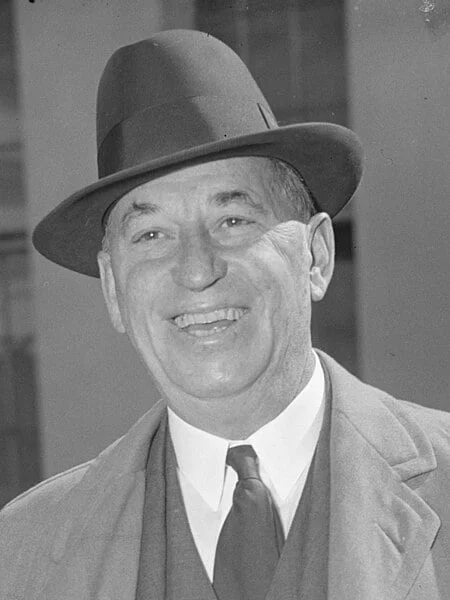
Walter Chrysler
Born02 Apr, 1875
Died18 Aug, 1940
NationalityAmerican
Age at time of death65

Franz Beckenbauer
Born11 Sep, 1945
Died07 Jun, 2024
NationalityGerman
Age at time of death78
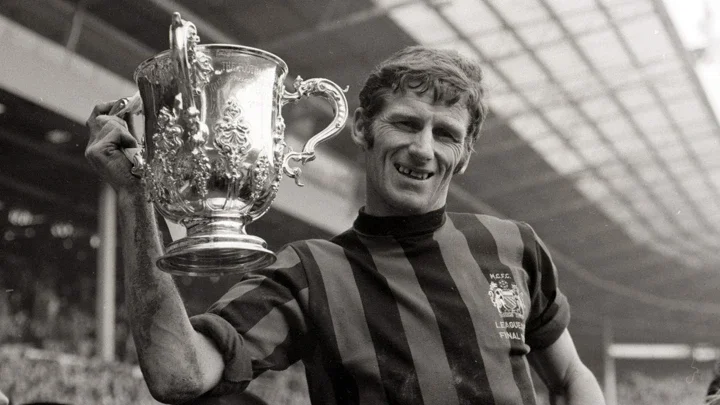
Tony Book
Born04 Sep, 1934
Died13 Jan, 2025
NationalityEnglish
Age at time of death90
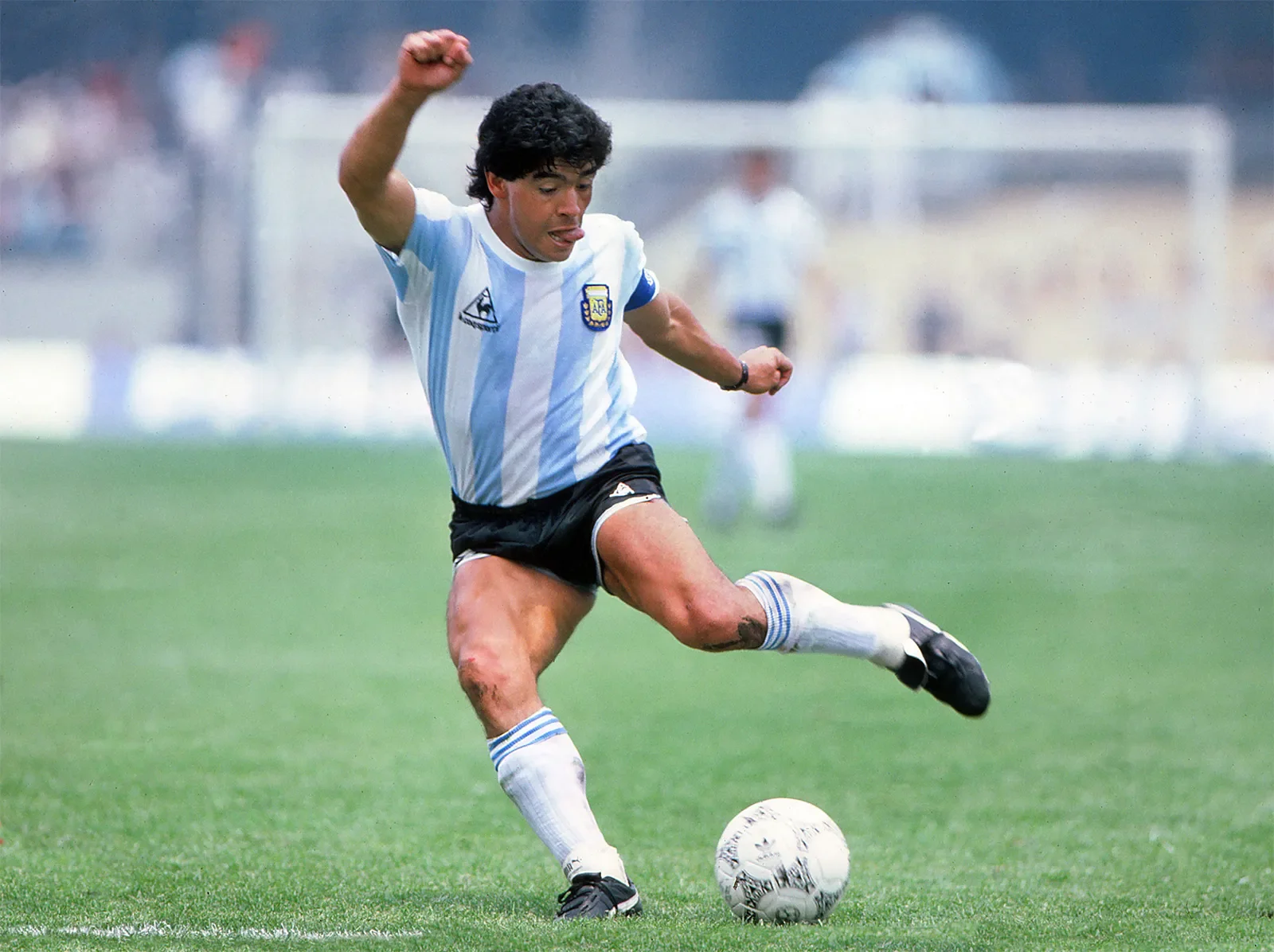
Diego Maradona
Born30 Oct, 1960
Died25 Nov, 2020
NationalityArgentine
Age at time of death60

Franz Beckenbauer
Born11 Sep, 1945
Died07 Jan, 2024
NationalityGerman
Age at time of death78
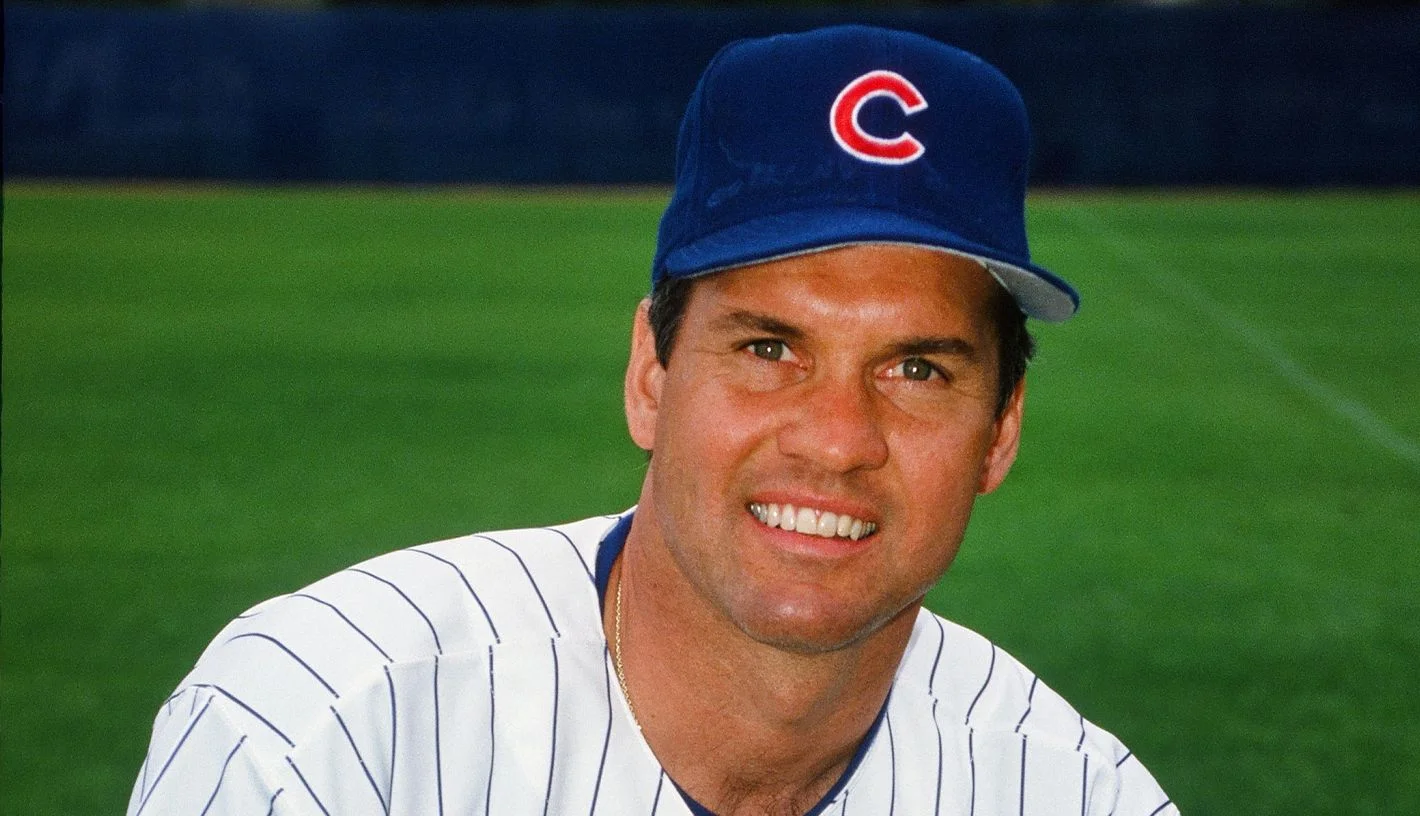
Ryne Sandberg
Born07 Sep, 1959
Died27 Jul, 2025
NationalityAmerican
Age at time of death65