Real Celebrities Never Die!
OR
Search For Past Celebrities Whose Birthday You Share
Died Age: 82
media.bizj.us
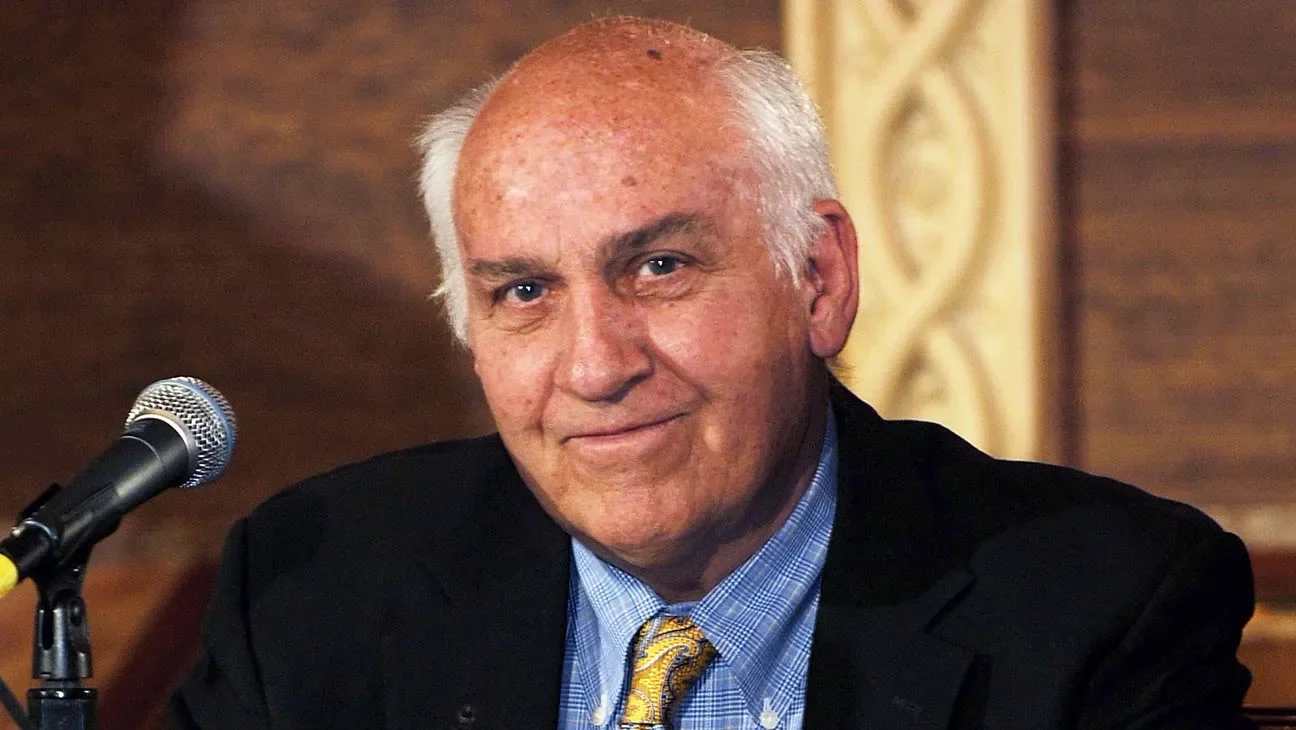
Billy Packer
Birthday:
25 Feb, 1940
Date of Death:
26 Jan, 2023
Cause of death:
Kidney Failure
Nationality:
American
Famous As:
Author
Age at the time of death:
82
Anthony William Packer's Quote's

“You don’t win games with emotion; you win with execution.”
Anthony William Packer
🔗 deadcelebrityhub.com
Roots in the Game: A Childhood Steeped in Hoops
Before March Madness became a cultural phenomenon, before brackets were printed in every office across America, there was Billy Packer with a steady voice, an opinion sharp, and insight unparalleled. For over three decades, he didn’t just call the game; he narrated its emotion, its tension, and its heart. Billy Packer wasn’t merely a broadcaster, but a storyteller of college basketball —the one who brought its drama into America’s living rooms and gave voice to moments that would echo across generations.
Born Anthony William Paczkowski on February 25, 1940, in Wellsville, New York, Billy Packer was raised in a household where basketball wasn’t just a sport but part of the family code. His father, Tony Packer, was a basketball coach at Lehigh University, and young Billy practically grew up in the bleachers. The family name was later shortened from Paczkowski to Packer, but the love of the game stayed pure.
Basketball coursed through his veins from the very start. He’d tag along to practices, soak up locker room chatter, and study strategy before he ever suited up for a game himself. One anecdote says that by the time he was ten, Billy could diagram plays better than most high school coaches.
Education: More Than a Game
Billy’s love for basketball led him to Wake Forest University in North Carolina, where he played as a guard from 1958 to 1962. But his contribution went beyond stats. At Wake, Packer was a student of the game, both on and off the court. He helped lead the Demon Deacons to two ACC titles and a Final Four appearance in 1962. Though he never chased a professional playing career, his time at Wake Forest laid the groundwork for his future as one of the sport’s most insightful voices.
He earned a degree in economics—a discipline that likely helped hone his analytical mindset, a hallmark of his broadcasting style. Beyond watching the game unfold, he dissected it, questioned it, and explained it in a way that made viewers smarter.
Early Career: A Voice Waiting to Be Heard
After college, Billy didn’t immediately jump into broadcasting. He worked in real estate and occasionally coached. But in 1972, everything changed. When NBC needed a colour commentator for a college basketball game, Billy filled in on short notice. The result? A star was born.
His style was refreshingly candid, often contrarian. He didn’t sugarcoat. He didn’t pander. And audiences respected that. “Billy was the guy who’d tell you what you needed to hear and not what you wanted to hear,” said one longtime colleague.
That same year, he joined CBS and would go on to become a fixture in college basketball broadcasting. From 1975 to 2008, Packer called every NCAA Men’s Basketball Final Four—a streak matched by no one at the time.
The Voice of March: Peak Years and Pivotal Moments
Packer’s partnership with broadcasting legends like Dick Enberg and Jim Nantz became appointment viewing. With his sharp analysis and matter-of-fact tone, he gave viewers a courtside education. He wasn't afraid to criticise coaches, challenge referees, or question tournament selections—all in real time.
He had his share of controversies. His bluntness sometimes rubbed people the wrong way, and he was unapologetic about it. When asked why he didn’t cater to casual fans, he responded, “I’m not here to entertain. I’m here to explain.” That approach earned him both criticism and acclaim, but it undeniably shaped how the game was broadcast.
One of the more endearing (and lesser-known) stories comes from 1983. During NC State’s shocking championship run, Packer was one of the first to sense the upset in the making. When Lorenzo Charles dunked the game-winning shot against Houston, Packer’s instinct wasn’t to narrate the moment—it was to let it breathe. He went silent for several seconds, allowing the raw emotion to carry through. It was a masterclass in restraint and a testament to his understanding of drama.
Beyond the Booth: Personal Life and Principles
Off the air, Billy Packer was a devoted family man. He and his wife, Barbara, raised three children, including Mark Packer, who followed in his father’s footsteps in broadcasting. Despite the high-profile nature of his career, Packer preferred a quiet personal life, eschewing fame for time with family and a close circle of friends.
He was also known for his intense preparation. Colleagues often marvelled at the way he’d study teams, interview coaches, and review tapes long before it was standard practice. Broadcasting wasn’t a gig for him but a craft.
A quirky bit of trivia: Billy Packer once co-produced a documentary about the JFK assassination, revealing a deep interest in historical mysteries and forensic analysis. It’s just one example of his intellectual curiosity beyond sports.
Legacy: A Voice That Still Echoes
Billy Packer retired from broadcasting in 2008 after calling his 34th Final Four. His exit was quiet, with no farewell tour or fanfare. “It’s time,” he simply said. And just like that, the game lost one of its sharpest minds.
He passed away in January 2023, but his voice lives on—in highlight reels, in YouTube archives, and most importantly, in the memories of millions who grew up watching college basketball with him as their guide.
Billy Packer didn’t just call games but gave them meaning. He brought nuance to chaos, clarity to confusion, and a storyteller’s touch to every jump shot, turnover, and buzzer-beater. For over three decades, he was the voice in our living rooms during March.
His legacy isn’t just in the games he called or the players he chronicled. It’s in the way he made us feel the game. He taught America how to watch basketball with a keener eye, a sharper mind, and a fuller heart.
Profile Snapshot
Name:
Anthony William Packer
Popular Name:
Billy Packer
Gender:
Male
Cause of Death:
Kidney Failure
Spouse:
Barbara Packer
Place of Birth:
Wellsville, New York, United States
Place of Death:
Charlotte, North Carolina, United States
Occupation / Profession:
Author
Basketball Broadcaster
Personality Type
Architect Imaginative and strategic thinkers, with a plan for everything. Billy Packer was a sharp-minded, no-nonsense thinker who always saw the game five moves ahead.
Anthony William Packer's Interesting Facts
Billy Packer once turned down the chance to call NBA games, insisting college basketball was his true passion.
Despite being critical on-air, many coaches respected him for always doing his homework; he regularly watched practices before games, a practice few broadcasters followed at the time.
He co-authored a book titled Hoops, offering insights into the evolution of college basketball.
Achievements & Awards
Beyond broadcasting, he played a key role in popularising March Madness as a media and cultural phenomenon.
Billy Packer called 34 consecutive NCAA Men’s Final Fours, a record unmatched in college basketball broadcasting.
He won a Sports Emmy Award and was honoured with the Curt Gowdy Media Award from the Naismith Memorial Basketball Hall of Fame in 1993.
His voice helped elevate CBS Sports' NCAA tournament coverage into a national institution.
Latest Profiles
People also viewed
Eva Crane
Born12 Jun, 1912
Died06 Sep, 2007
NationalityBritish
Age at time of death95

Ursula Franklin
Born16 Sep, 1921
Died22 Jul, 2016
NationalityGerman, Canadian
Age at time of death94
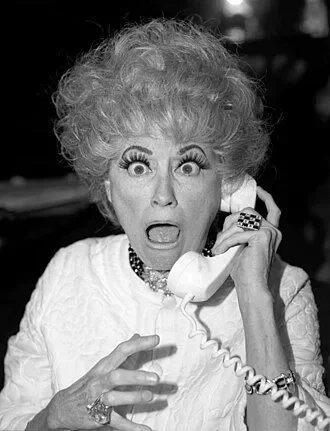
Phyllis Diller
Born17 Jul, 1917
Died20 Aug, 2012
NationalityAmerican
Age at time of death95

Lily Ebert
Born29 Dec, 1923
Died09 Oct, 2024
NationalityHungarian, British
Age at time of death100
Jonas Cohn
Born01 Dec, 1869
Died28 Jan, 1947
NationalityGerman
Age at time of death77
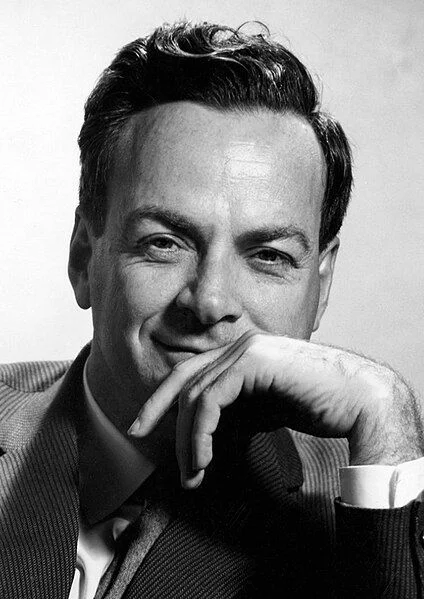
Richard Feynman
Born11 May, 1918
Died15 Feb, 1988
NationalityAmerican
Age at time of death69

Marshall Brain
Born17 May, 1961
Died20 Nov, 2024
NationalityAmerican
Age at time of death63

Tina Turner
Born26 Nov, 1939
Died24 May, 2023
NationalityAfrican, American
Age at time of death83
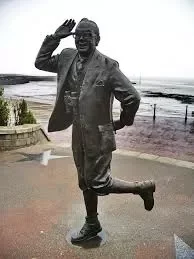
Eric Morecambe
Born14 May, 1926
Died28 May, 1984
NationalityBritish
Age at time of death58
A. W. Tozer
Born21 Apr, 1897
Died12 May, 1963
NationalityAmerican, Canadian
Age at time of death66
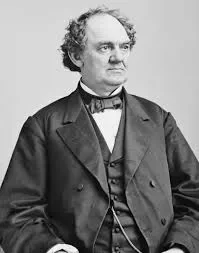
P. T. Barnum
Born05 Jul, 1810
Died07 Apr, 1891
NationalityAmerican
Age at time of death80
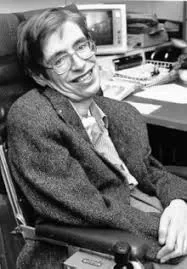
Stephen Hawking
Born08 Jan, 1942
Died14 Mar, 2018
NationalityEnglish
Age at time of death76
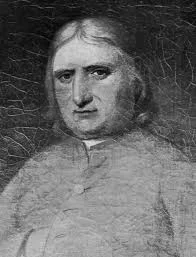
George Fox
Born04 Jul, 1624
Died13 Jan, 1691
NationalityEnglish
Age at time of death66
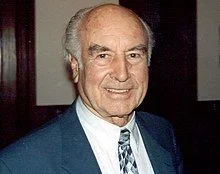
Albert Hofmann
Born11 Jan, 1906
Died29 Apr, 2008
NationalitySwiss
Age at time of death102
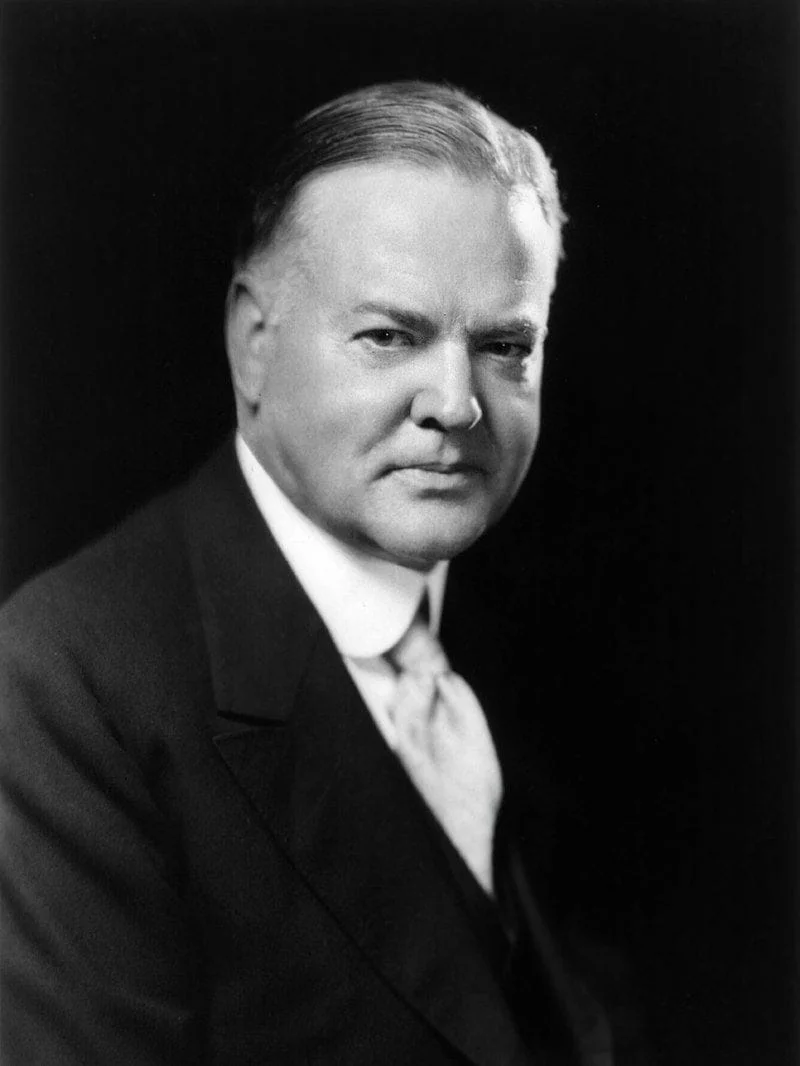
Herbert Hoover
Born10 Aug, 1874
Died20 Oct, 1964
NationalityAmerican
Age at time of death90

Jade Goody
Born05 Jun, 1981
Died22 Mar, 2009
NationalityBritish
Age at time of death27

Dave Myers
Born08 Sep, 1967
Died28 Feb, 2024
NationalityBritish
Age at time of death56

Larry King
Born19 Nov, 1933
Died23 Jan, 2021
NationalityAmerican
Age at time of death87

Ruth Wakefield
Born17 Jun, 1903
Died10 Jan, 1977
NationalityAmerican
Age at time of death73
Carolyn Keene
Born20 Oct, 1925
Died28 May, 2002
NationalityAmerican
Age at time of death76