Real Celebrities Never Die!
OR
Search For Past Celebrities Whose Birthday You Share
Died Age: 54
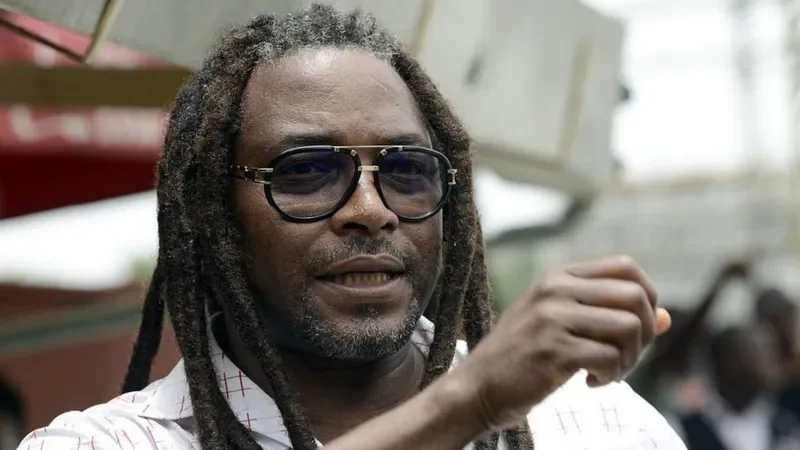
www.bbc.com
Biyi Bandele
Birthday:
12 Oct, 1967
Date of Death:
06 Aug, 2022
Cause of death:
Suicide
Nationality:
Nigerian
Famous As:
Filmmaker
Age at the time of death:
54
Biyi Bandele-Thomas's Quote's

“He coughed out the words, which took shape of his cigarette stained teeth turned into birds bereft of wing. He stammered the bloodied words into the palm of his hand, polished them into clearness with a stainless handkerchief, and gifted them with wings, and sent silence, where all words uttered in the universe, and in all languages on the planet, are stored for all time, or forgotten forever.”
Biyi Bandele-Thomas
🔗 deadcelebrityhub.com
Early Life: A Childhood of Stories and Silence
Biyi Bandele was a writer, director, and cultural alchemist whose work defied borders and blended traditions. Whether through his novels, stage plays, or cinematic lens, Bandele’s creative vision was rooted in Nigeria yet expansive in reach—at once deeply personal and unapologetically political. He didn't just tell stories; he unearthed histories, reclaimed narratives, and carved out space for African voices on the global stage. Bandele was a literary bridge—linking generations, continents, and genres—with ink, lens, and heart.
Born Biyi Bandele-Thomas on October 13, 1967, in Kafanchan, Kaduna State, Nigeria, Biyi grew up amid both the beauty and tension of post-colonial West Africa. His father, Solomon Bandele-Thomas, a World War II veteran, was a profound influence. He came home from the war with stories—dark, evocative, sometimes silent for days before speaking of them. For young Biyi, these became a kind of inheritance.
As a boy, Biyi consumed books voraciously. His father’s modest library included everything from Shakespeare to Yoruba folktales. He would later recall sneaking away from chores to read Chinua Achebe and Charles Dickens, letting their voices fill the space between Kaduna’s dry heat and his restless mind.
A formative experience occurred during Nigeria’s civil war. Though he was a child, the reverberations of violence, dislocation, and uncertainty left an imprint that would later shape his storytelling ethos—one that rejected oversimplification and insisted on human complexity.
Education: From Nigeria to the World
Bandele studied dramatic arts at Obafemi Awolowo University in Ile-Ife, one of Nigeria’s most prestigious institutions, where he began writing with urgency and clarity. While still a student, he won a short story competition that signaled his arrival as a serious literary talent.
In 1990, at just 22, he won the International Student Playscript Competition and soon moved to the UK on a theatre writing fellowship. He would remain based in London for over two decades, weaving his Nigerian roots into the fabric of Western literary and theatrical traditions.
In his words, London wasn’t a replacement for Nigeria—it was an extension of his imaginative geography.
Career: Telling Africa’s Truths on Page, Stage, and Screen
Phase One: The Novelist
Biyi published his debut novel, The Man Who Came in From the Back of Beyond, in 1991—a surreal, playful yet haunting work that mixed satire with myth. It was followed by The Sympathetic Undertaker, and later his most acclaimed novel, Burma Boy (2007).
In Burma Boy, Bandele brought to life the untold story of Nigerian soldiers who fought for the British in World War II—a tribute to his father and a reclaiming of a neglected African narrative in global memory. Critics praised it as a war novel of rare sensitivity, filled with the pathos, humor, and absurdity of youth under fire.
Trivia: Burma Boy is considered one of the few modern novels to explore African participation in WWII through an African lens, combining historical fact with personal fiction.
Phase Two: The Playwright and Theatre Maker
Even before his novels, Bandele had earned a reputation in the theatre world. His early plays—Rain, Marching for Fausa, and Resurrections in the Season of the Longest Drought—toured internationally, often tackling colonial legacies, urban alienation, and the tensions of modern Nigeria.
He adapted Chinua Achebe’s Things Fall Apart for the stage, and Jean Genet’s The Blacks, blending classical technique with Nigerian oral storytelling. His 1999 adaptation of Aphra Behn’s Oroonoko for the Royal Shakespeare Company was a critical milestone, reframing 17th-century tragedy through post-colonial perspective.
Phase Three: The Filmmaker
Biyi Bandele made his feature film debut with Half of a Yellow Sun (2013), adapted from Chimamanda Ngozi Adichie’s bestselling novel. Starring Chiwetel Ejiofor and Thandiwe Newton, the film tackled the Biafran War—a subject rarely portrayed in global cinema. Though the film sparked both acclaim and controversy in Nigeria, Bandele remained unapologetic in his commitment to telling hard truths.
His later film, Fifty (2015), spotlighted middle-aged women navigating love, power, and reinvention in Lagos—proof that his gaze included not just history’s wars, but also the everyday battles of life, identity, and modernity.
In 2022, he directed Elesin Oba: The King’s Horseman, a screen adaptation of Wole Soyinka’s iconic play, bringing Yoruba ritual and Shakespearean tragedy together in a hypnotic visual tapestry. The film premiered at the Toronto International Film Festival, a crowning achievement just months before his untimely death.
Personal Life: A Life Between Languages and Worlds
Though intensely private, Bandele was known among friends for his wit, warmth, and generosity to emerging artists. He mentored dozens of Nigerian writers and filmmakers, often helping them find publishing platforms and festival exposure.
He spoke frequently about the duality of being Nigerian and British—not as a conflict, but as a creative asset. “I don’t have a hyphenated identity,” he once said. “I’m whole in both places.”
He was the father of two children, and lived quietly in Lagos in his final years, frequently traveling between literary festivals, film shoots, and writing retreats.
Legacy: A Story That Continues to Echo
Biyi Bandele passed away suddenly in August 2022 at the age of 54, a loss that reverberated through Africa’s cultural and literary community. But his legacy remains vivid.
He gave voice to stories that had been left in silence—African soldiers in World War II, the inner lives of Nigerian women, the psychological toll of colonialism. He moved effortlessly between form and format, proving that a good story could live in a novel, a film, or a stage, and that African stories deserved to be told in every language of art.
He is remembered not just for what he created, but for what he enabled: a generation of African artists emboldened to speak, write, and film without apology.
Biyi Bandele was not just a storyteller—he was a guardian of memory, a challenger of myth, and a fierce believer in the power of narrative to reshape the world. In every line he wrote and every frame he directed, he reminded us that the African story is not a sidebar in history—it is central to it.
Profile Snapshot
Name:
Biyi Bandele-Thomas
Popular Name:
Biyi Bandele
Gender:
Male
Cause of Death:
Suicide
Spouse:
Unmarried
Place of Birth:
Kafanchan, Kaduna State, Nigeria
Place of Death:
Lagos, Nigeria
Occupation / Profession:
Filmmaker
Nigerian novelist
Playwright
Personality Type
Debater Biyi Bandele was a charismatic and fearless creative visionary, whose unrelenting intellectual curiosity and love for storytelling helped challenge norms and elevate African narratives across literature, theater, and film.
Biyi Bandele-Thomas's Interesting Facts
Biyi Bandele was a Nigerian novelist and filmmaker best known for directing Half of a Yellow Sun, the film adaptation of Chimamanda Ngozi Adichie’s acclaimed novel.
He wrote his first novel at the age of 14 and later won the International Student Playscript Competition while studying at Obafemi Awolowo University.
Bandele was also a playwright whose works were performed by the Royal Court Theatre and the Royal Shakespeare Company in the UK.
In addition to his literary work, he directed Elesin Oba: The King's Horseman (2022), the first Yoruba-language Netflix Original based on Wole Soyinka’s play.
Achievements & Awards
Biyi Bandele began earning literary honors as a teenager, showing early promise as a writer. His talent continued to shine through university, where he received recognition for both a play and a poetry collection. In his professional career, he was awarded for several theatrical works, including one that brought him acclaim in London and another that was celebrated for its cultural impact.
External Links
Additional Links
Latest Profiles
People also viewed
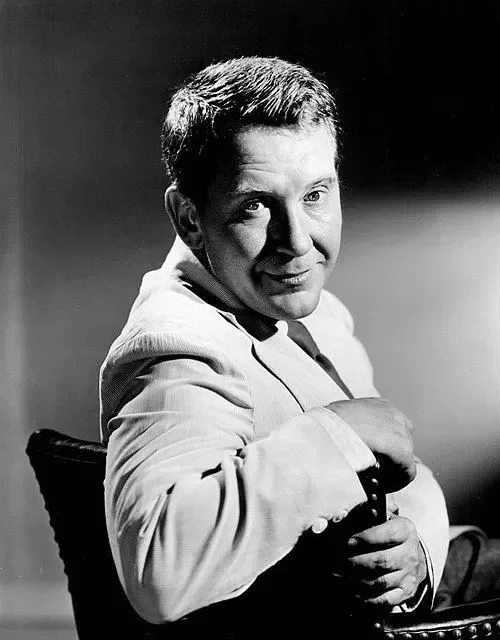
Oliver Burgess Meredith
Born16 Nov, 1907
Died09 Sep, 1997
NationalityAmerican
Age at time of death89
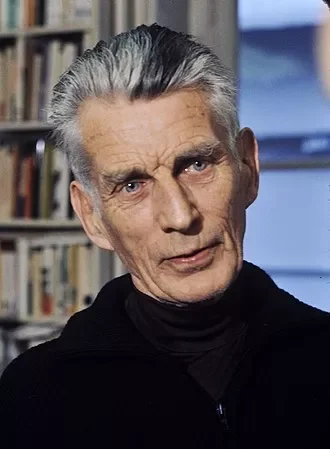
Samuel Beckett
Born13 Apr, 1906
Died22 Dec, 1989
NationalityIrish
Age at time of death83
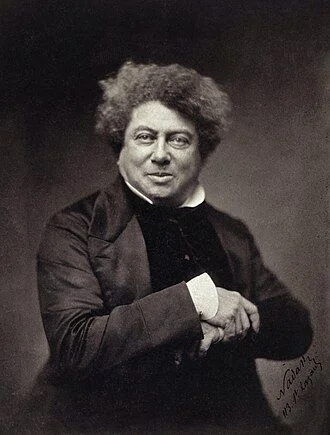
Alexandre Dumas
Born24 Jul, 1802
Died05 Dec, 1870
NationalityFrench
Age at time of death68
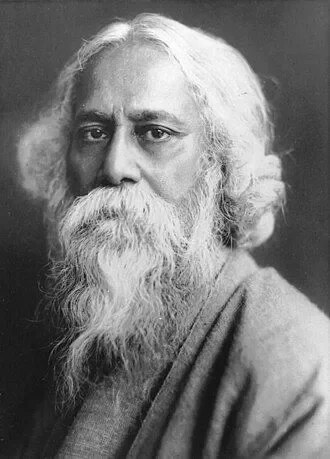
Rabindranath Tagore
Born07 May, 1861
Died08 Aug, 1941
NationalityIndian
Age at time of death80
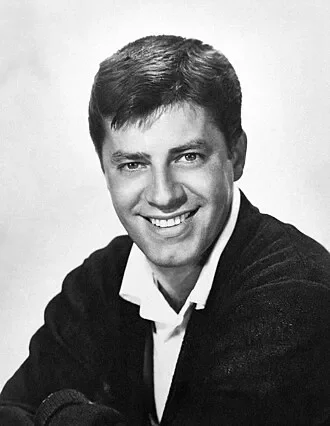
Jerry Lewis
Born16 Mar, 1926
Died20 Aug, 2017
NationalityAmerican
Age at time of death91
George Trow
Born28 Sep, 1943
Died24 Nov, 2006
NationalityAmerican
Age at time of death63
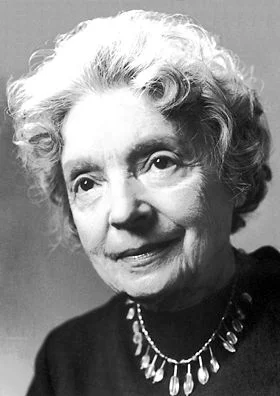
Leonie Nelly Sachs
Born10 Dec, 1891
Died12 May, 1970
NationalityGerman, Swedish
Age at time of death78
Adam Yauch
Born05 Aug, 1964
Died04 May, 2012
NationalityAmerican
Age at time of death47
Ed Sabol
Born11 Sep, 1916
Died09 Feb, 2015
NationalityAmerican
Age at time of death98
Arthur Miller
Born17 Oct, 1915
Died10 Feb, 2005
NationalityAmerican
Age at time of death89
Fay Weldon
Born22 Sep, 1931
Died04 Jan, 2023
NationalityBritish
Age at time of death91
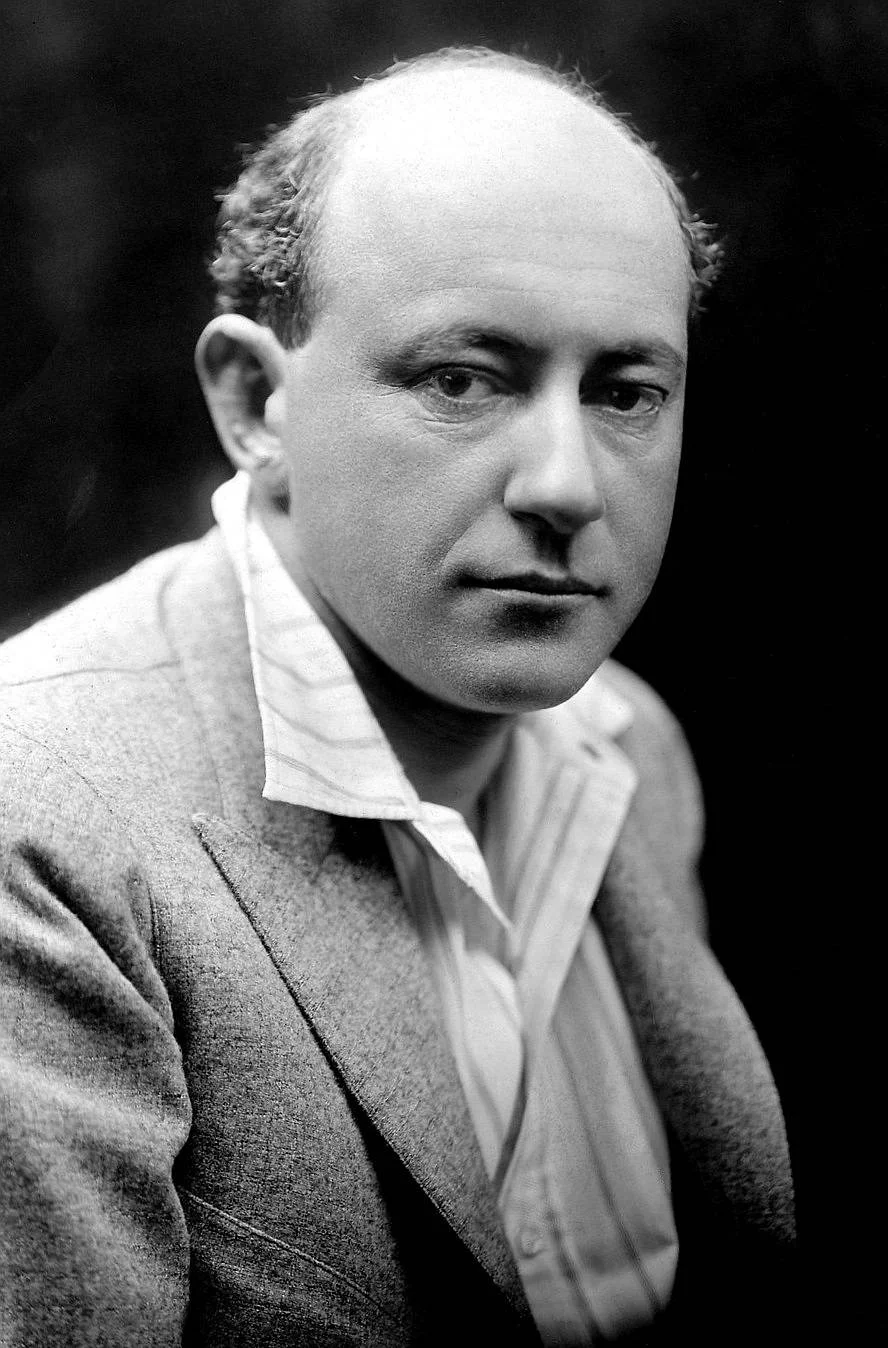
Cecil B. DeMille
Born12 Aug, 1881
Died21 Jan, 1959
NationalityAmerican
Age at time of death77
Zoe Akins
Born30 Oct, 1886
Died29 Oct, 1958
NationalityAmerican
Age at time of death71
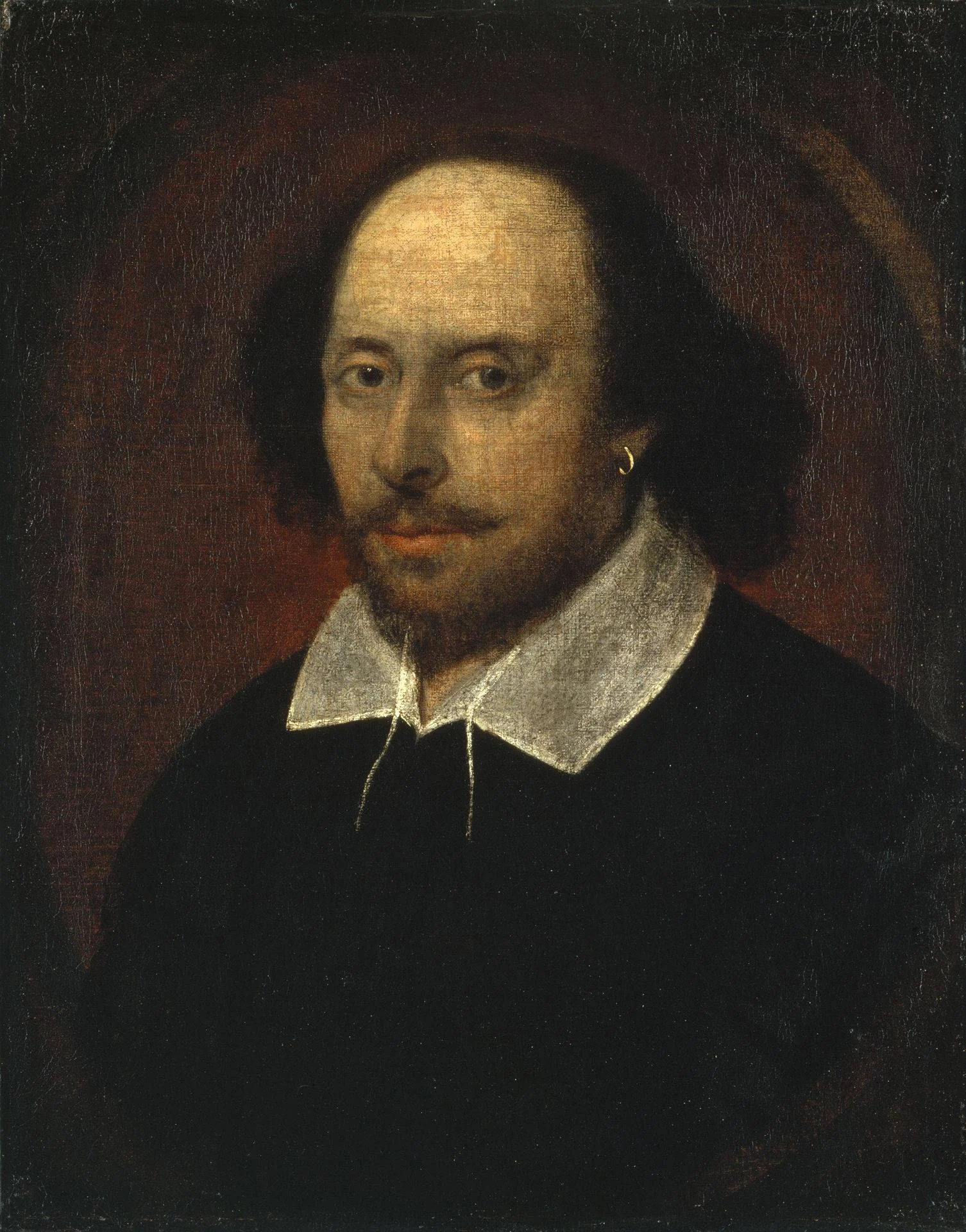
William Shakespeare
Born23 Apr, 1564
Died23 Apr, 1616
NationalityBritish
Age at time of death52
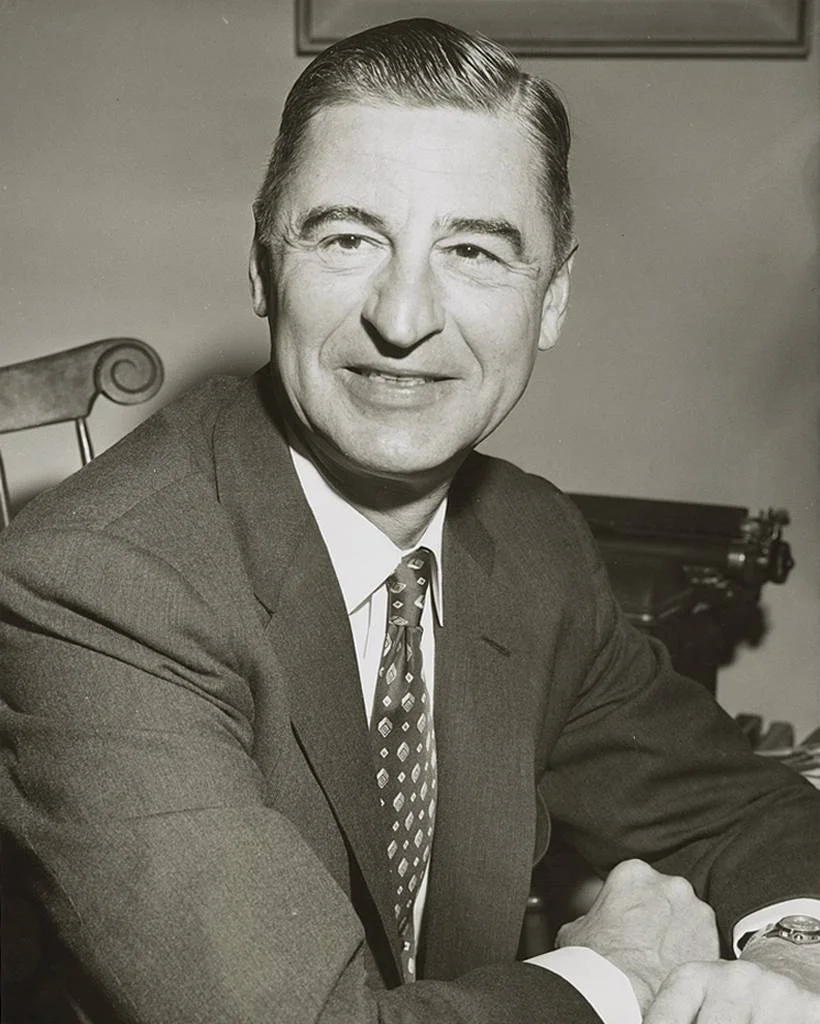
Dr. Seuss
Born02 Mar, 1904
Died24 Sep, 1991
NationalityAmerican
Age at time of death87
Richard Rodgers
Born28 Jun, 1902
Died30 Dec, 1979
NationalityAmerican
Age at time of death77
Norman Mailer
Born31 Jan, 1923
Died10 Nov, 2007
NationalityAmerican
Age at time of death84
Johann Wolfgang Goethe
Born28 Aug, 1749
Died22 Mar, 1832
NationalityGerman
Age at time of death82
Robert Frost
Born26 Mar, 1874
Died29 Jan, 1963
NationalityAmerican
Age at time of death88
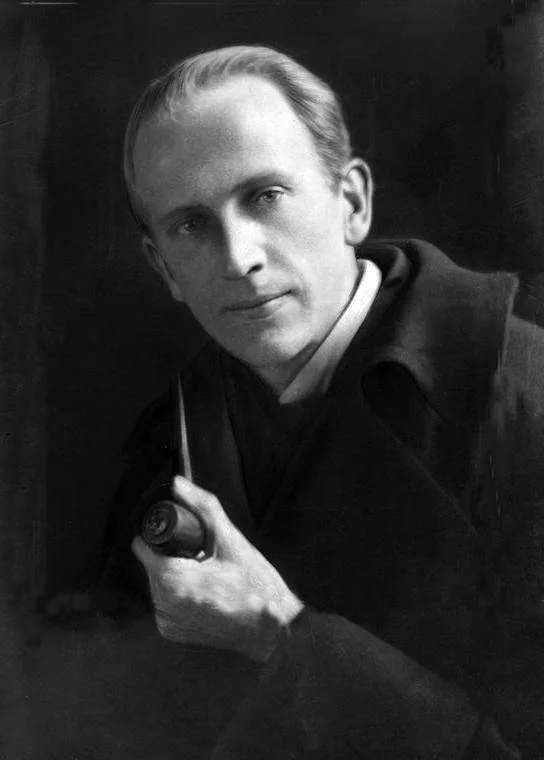
A. A. Milne
Born18 Jan, 1882
Died31 Jan, 1956
NationalityBritish
Age at time of death74