Real Celebrities Never Die!
OR
Search For Past Celebrities Whose Birthday You Share
Died Age: 75
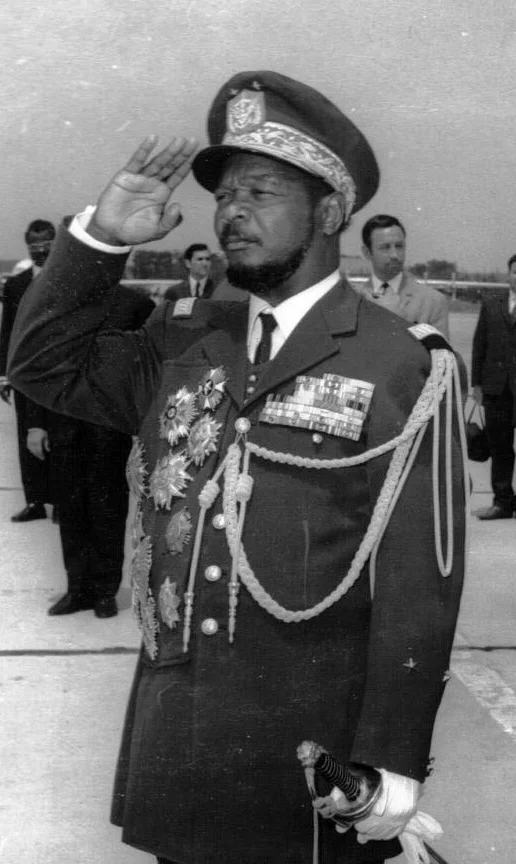
wikimedia.org
Bokassa I
Birthday:
22 Feb, 1921
Date of Death:
03 Nov, 1996
Cause of death:
Heart attack
Nationality:
Central African
Famous As:
Emperor
Age at the time of death:
75
Jean-Bédel Bokassa's Quote's

“Everything here is mine; I am the state.”
Jean-Bédel Bokassa
🔗 deadcelebrityhub.com
Biography of Jean-Bédel Bokassa
Jean-Bédel Bokassa, a wild and divisive character in Africa’s past, came into the world on February 22, 1921, in Bobangui, a little village in French Equatorial Africa—now the Central African Republic. One of twelve kids born to Mindogon Mufasa, a Mbaka village chief, and Marie Yokowo, his early days took a dark turn fast. In 1927, his dad got killed for standing up to French colonial labor demands, and just a week later, his heartbroken mom took her own life, leaving six-year-old Bokassa on his own. French missionaries stepped in to raise him, shaping his young years with their ways and a colonial schooling system.
Early Life and Education
The missionaries got Bokassa into École Sainte-Jeanne d’Arc, a Christian school where he stood out despite kids picking on him for being an orphan. He shone in his studies and fell hard for French books, especially those by Jean Bédel, whose name he later took for himself. His teachers thought he might end up a priest, but that wasn’t his thing. Instead, he kept learning at École Saint-Louis in Bangui and then at Father Compte’s school down in Brazzaville. In 1939, with nudges from his grandpa and mentors, Bokassa signed up with the French colonial army as a tirailleur. That choice kicked off a standout military run that’d eventually shove him into the spotlight.
Personal Life
Jean-Bédel Bokassa’s personal life was as over-the-top as his political stints. He tied the knot plenty of times and had over 40 kids along the way. His standout wife was Catherine Denguiadé, hitched in 1964, who later got the Empress title when he crowned himself emperor. Bokassa kept a whole lineup of wives and girlfriends, a flashy reflection of his wild style and bold personality.
Military Career and Rise to Power
Bokassa kicked off his soldiering days in World War II, joining the Free French Forces after the Nazis rolled into France. He jumped into big fights like the Provence landings in 1944 and scraps in southern France and Germany. After the war, he stuck with the French army, picking up honors like the Legion d’Honneur and Croix de Guerre for gutsy moves in Indochina battles. When Ubangi-Shari turned into the Central African Republic (CAR) in 1960, Bokassa ditched the French gig to help build the new country’s army. By 1964, he’d climbed to colonel under President David Dacko. But on New Year’s Eve 1965, he flipped the script, staging a coup against Dacko and naming himself president the next day.
Presidency and Imperial Rule
Running CAR, Bokassa started out with plans like Operation Bokassa to boost the economy, but things got messy with sloppy handling and crooked deals. His style turned more controlling and erratic over time. In 1972, he called himself president-for-life, then went bigger on December 4, 1976, declaring himself Emperor of the Central African Empire. His coronation bash on December 4, 1977, was a jaw-dropping show, copying Napoleon’s big day. It burned through $20 million—about what CAR made in a year—drawing flak from around the world for its excess while folks back home scraped by. His rule got ugly fast. He locked up or killed off anyone who crossed him and funneled public cash into his fancy life. Stories of torture and even cannibalism started swirling, dragging his name through the mud.
Downfall and Later Years
Bokassa’s reign crashed on September 21, 1979, when French troops booted him out in Operation Barracuda after word spread he’d slaughtered kids protesting uniforms with his face on them. David Dacko slid back into the president’s seat. Bokassa bounced to France and then Côte d’Ivoire, living large but missing home. In 1987, he rolled back to CAR on his own, ready to face the music for murder and theft charges. They found him guilty but cut him a break on the death penalty, letting him out in 1993.
Death and Legacy
Jean-Bédel Bokassa passed away from a heart attack on November 3, 1996, at 75 in Bangui. His end wrapped up a life full of big dreams, wild spending, and hot debates. Some look back and see a tough soldier who shone in World War II and pitched in during CAR’s early days, while others peg him as one of Africa’s harshest rulers, a poster child for corruption and cruelty. Bokassa’s story still splits folks—a wild warning about power gone off the rails in post-colonial Africa.
Profile Snapshot
Name:
Jean-Bédel Bokassa
Popular Name:
Bokassa I
Gender:
Male
Cause of Death:
Heart attack
Spouse:
Catherine Denguiadé
Place of Birth:
Bangui, Central African Republic
Place of Death:
Catherine Denguiadé
Occupation / Profession:
Emperor
Military Officer
Politician
Personality Type
Commander Bold, imaginative and strong-willed leaders, always finding a way – or making one. Bokassa’s bold leadership, grandiose vision, and authoritarian control align with the “Commander” type, reflecting his ambitious and domineering nature.
Jean-Bédel Bokassa's Interesting Facts
After years in exile, he returned to the Central African Republic, was tried and convicted for multiple crimes, but later released.
Bokassa claimed to be the 13th Apostle of Jesus Christ.
Despite his excesses, Bokassa maintained close ties with France for years—until international pressure and internal unrest led to his overthrow in a French-backed coup in 1979.
He fathered at least 55 children with various wives.
His regime was marked by extreme authoritarianism, including torture, killings, and alleged cannibalism, earning him a reputation as one of Africa’s most infamous dictators.
In 1976, Bokassa declared himself Emperor Bokassa I, staging an extravagant coronation inspired by Napoleon, which cost nearly a third of the country’s national budget.
Jean-Bédel Bokassa was a military officer who became the president of the Central African Republic.
Achievements & Awards
Became President of the Central African Republic in 1966.
Built the lavish Bangui Palace.
Crowned himself Emperor in 1976.
Received the Legion of Honour from France.
Served in the French Army during World War II.
External Links
Additional Links
Latest Profiles
People also viewed
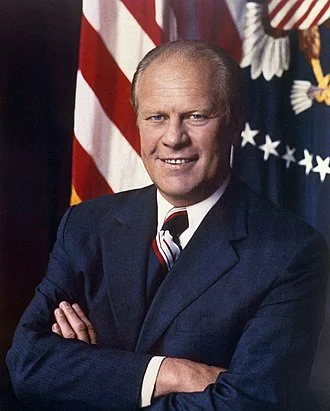
Gerald Ford
Born14 Jul, 1913
Died26 Dec, 2006
NationalityAmerican
Age at time of death93
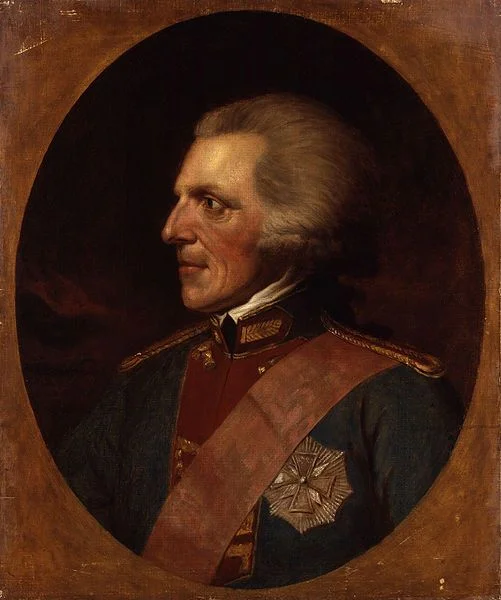
Colonel Sir Benjamin Thompson, Count Rumford
Born26 Mar, 1753
Died21 Aug, 1814
NationalityAmerican, British
Age at time of death61
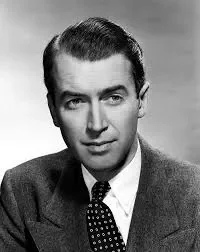
James Stewart
Born20 May, 1908
Died02 Jul, 1997
NationalityAmerican
Age at time of death89
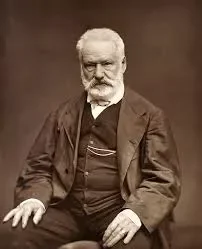
Victor Hugo
Born26 Feb, 1802
Died22 May, 1885
NationalityFrench
Age at time of death83
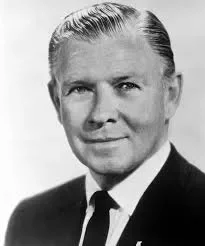
George Murphy
Born04 Jul, 1902
Died03 May, 1992
NationalityAmerican
Age at time of death89
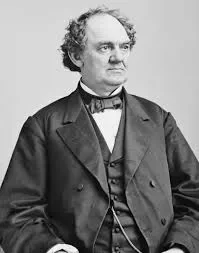
P. T. Barnum
Born05 Jul, 1810
Died07 Apr, 1891
NationalityAmerican
Age at time of death80
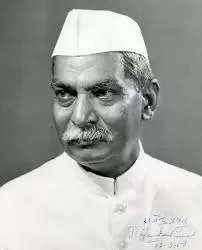
Rajendra Prasad
Born03 Dec, 1884
Died28 Feb, 1963
NationalityIndian
Age at time of death78
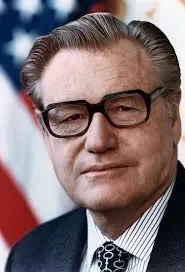
Nelson Rockefeller
Born08 Jul, 1908
Died26 Jan, 1979
NationalityAmerican
Age at time of death70

Ethan Allen
Born21 Jan, 1738
Died12 Feb, 1789
NationalityAmerican
Age at time of death51
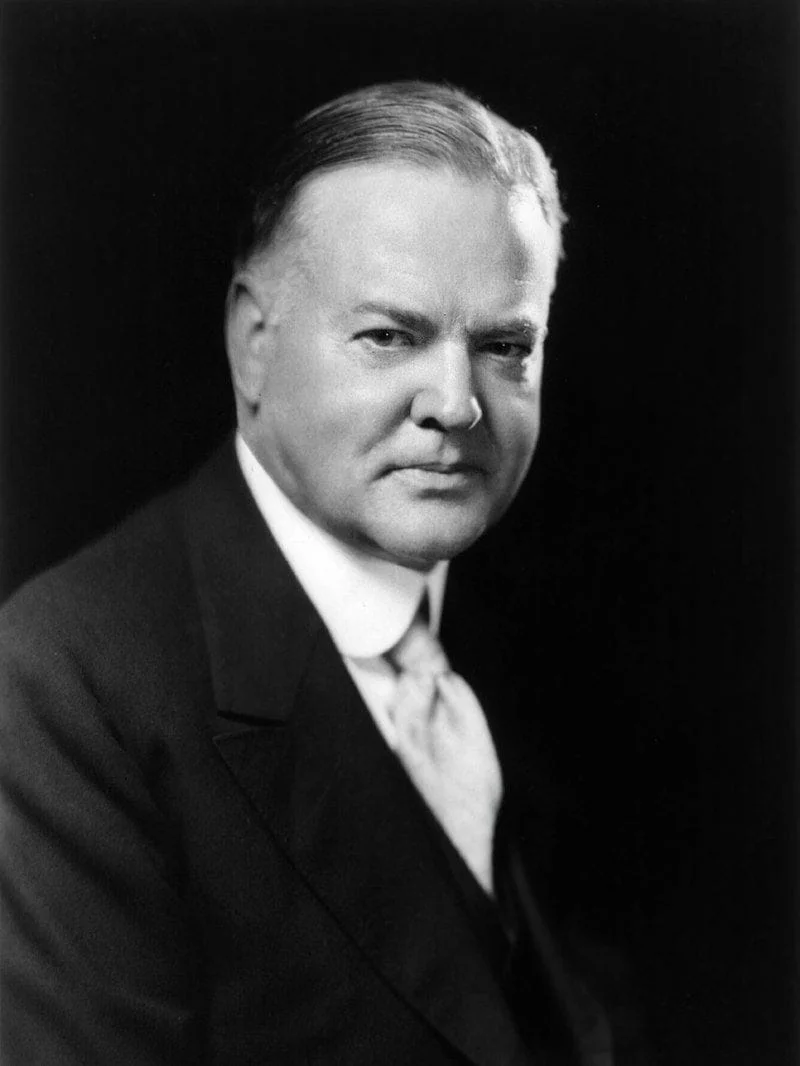
Herbert Hoover
Born10 Aug, 1874
Died20 Oct, 1964
NationalityAmerican
Age at time of death90

Jacques Delors
Born20 Jul, 1925
Died27 Dec, 2023
NationalityFrench
Age at time of death98
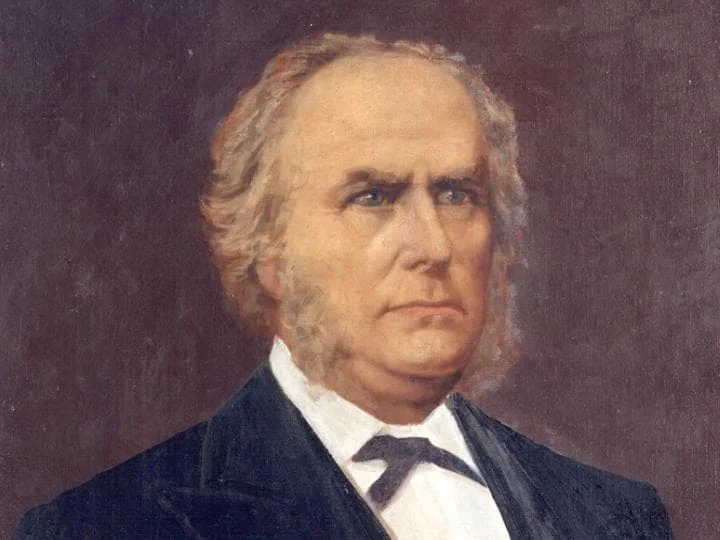
James Harrison
Born17 Apr, 1816
Died03 Sep, 1893
NationalityScottish,Australian
Age at time of death77
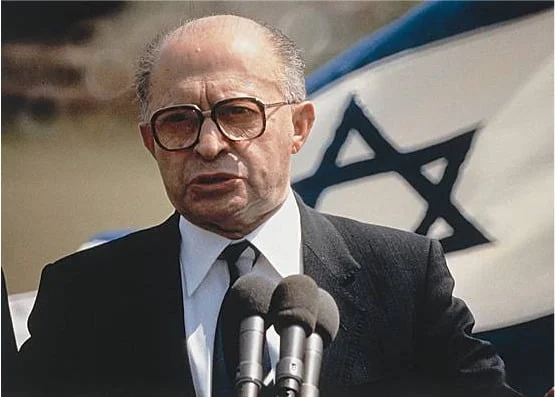
Menachem Begin
Born16 Aug, 1913
Died09 Mar, 1992
NationalityIsraeli
Age at time of death78
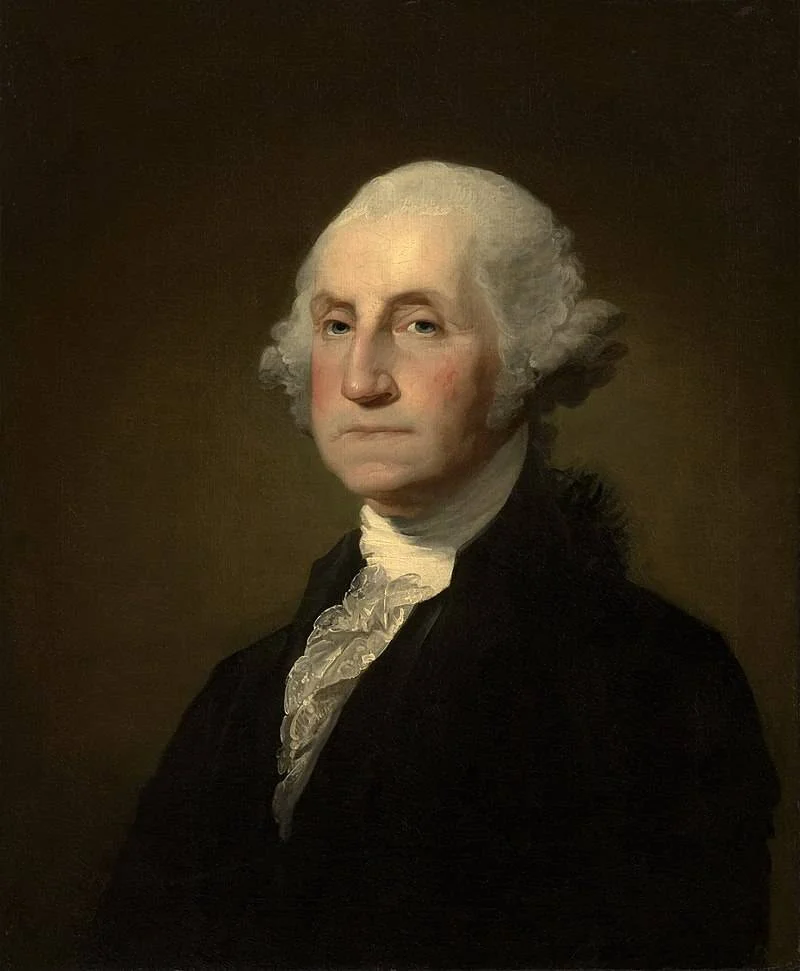
George Washington
Born22 Feb, 1732
Died14 Dec, 1799
NationalityAmerican
Age at time of death67
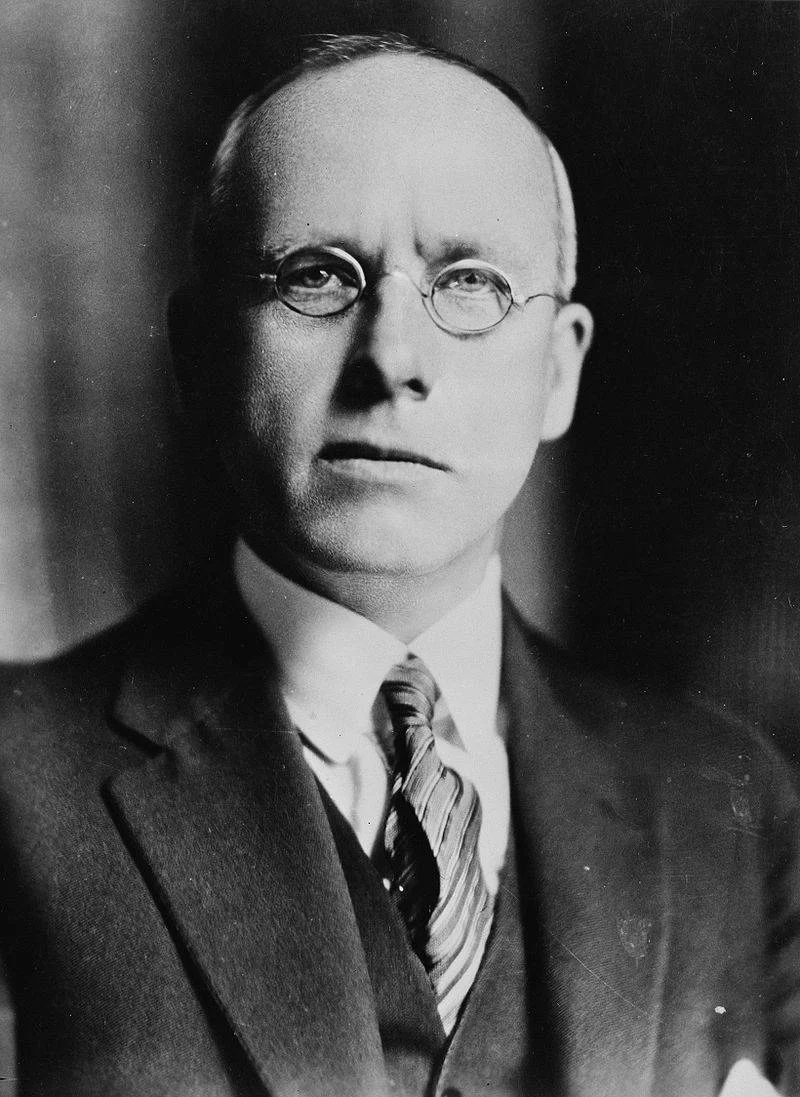
Peter Fraser
Born28 Aug, 1884
Died12 Dec, 1950
NationalityNew Zealand
Age at time of death66
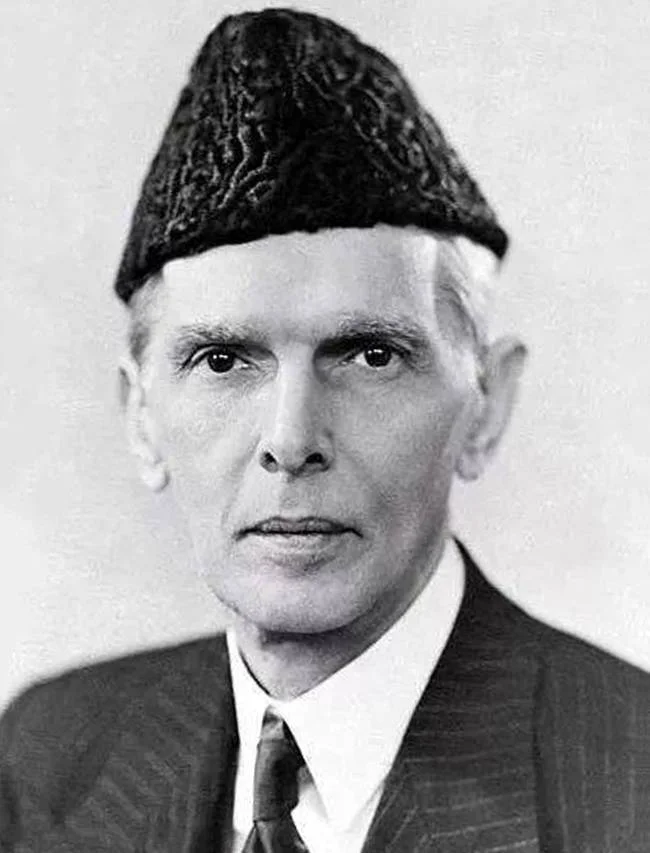
Muhammad Ali Jinnah
Born25 Dec, 1876
Died11 Sep, 1948
NationalityPakistani
Age at time of death71
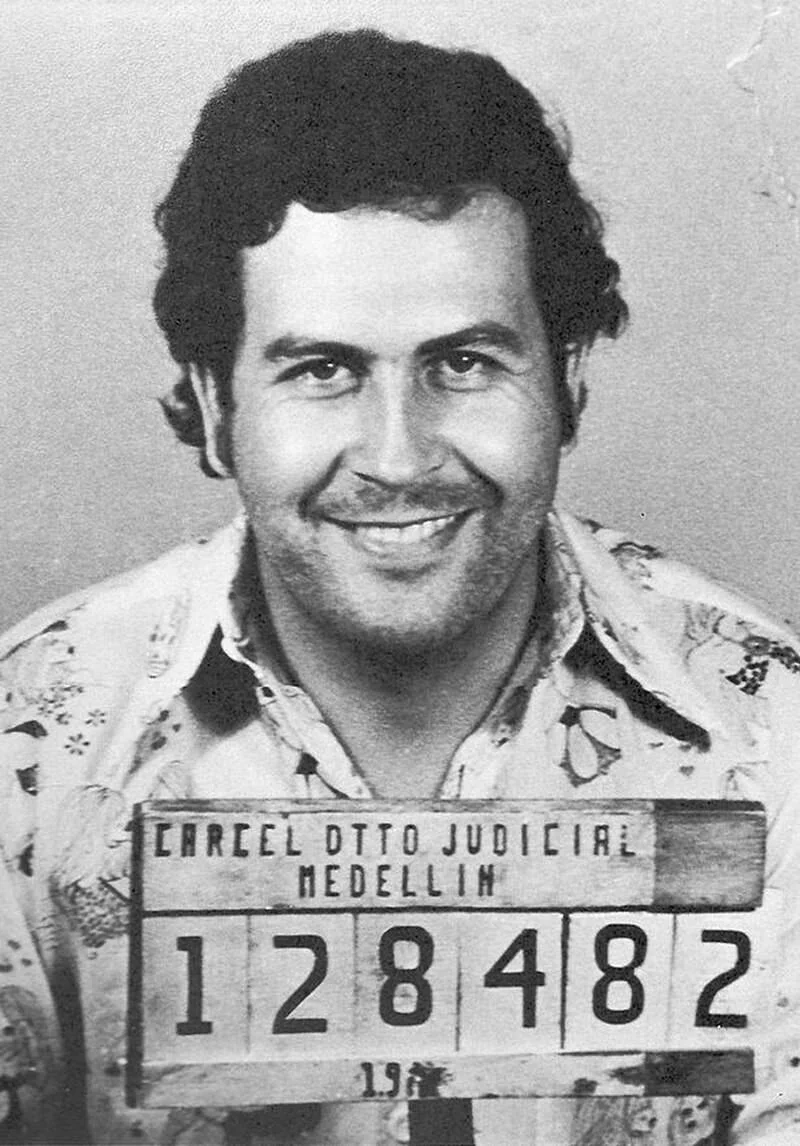
Pablo Escobar
Born01 Dec, 1949
Died02 Dec, 1993
NationalityColombian
Age at time of death44
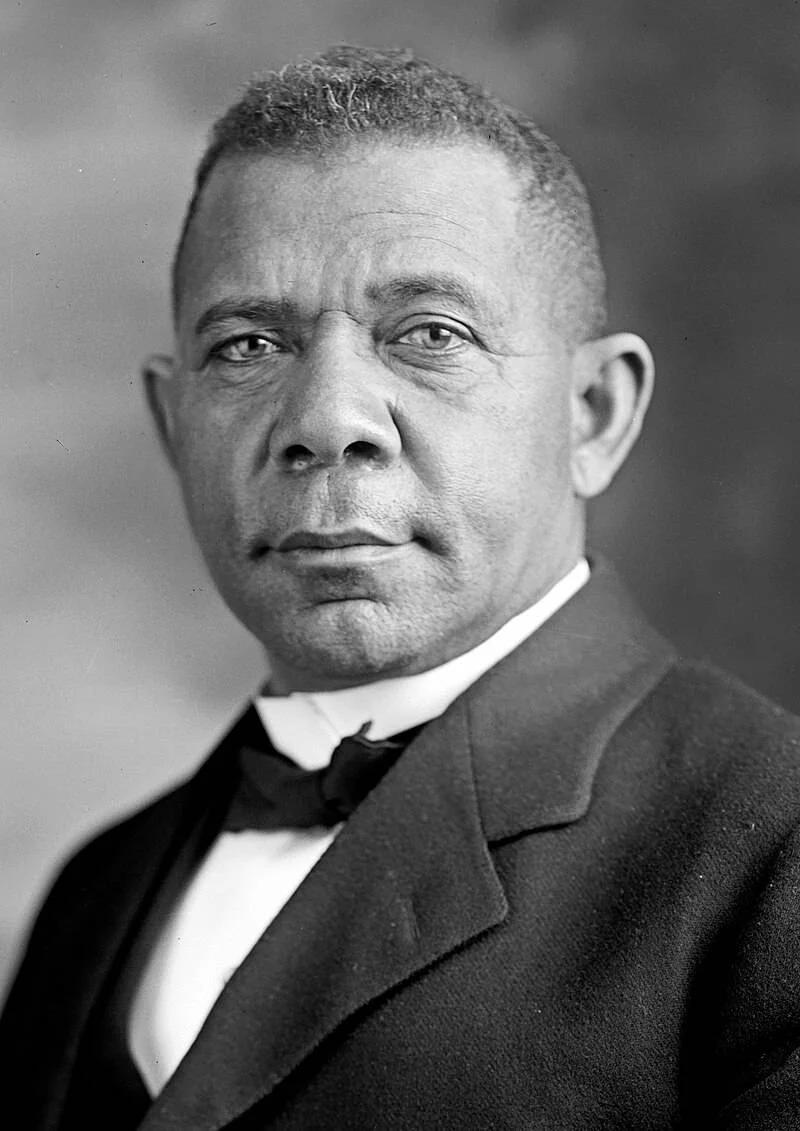
Booker T. Washington
Born05 Apr, 1856
Died14 Nov, 1915
NationalityAmerican
Age at time of death59
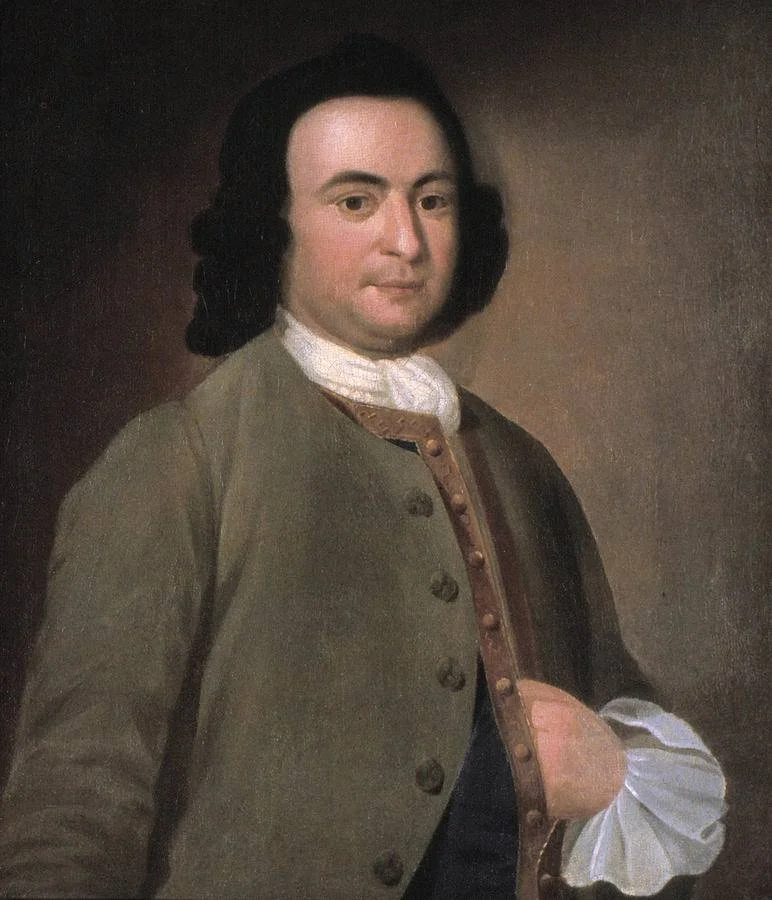
George Mason
Born11 Dec, 1725
Died07 Oct, 1792
NationalityAmerican, British
Age at time of death66
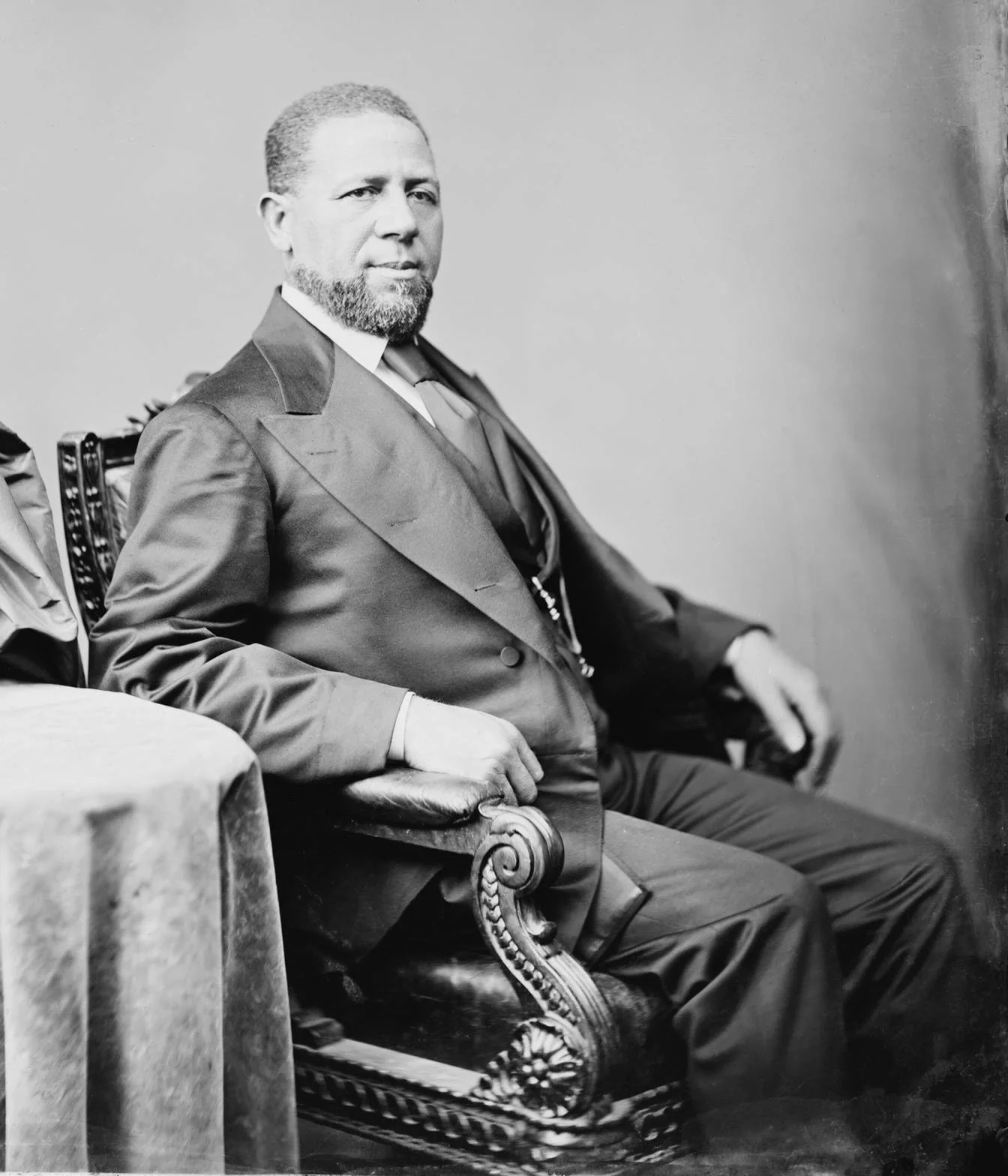
Hiram R. Revels
Born27 Sep, 1827
Died16 Jan, 1901
NationalityAmerican
Age at time of death73