Real Celebrities Never Die!
OR
Search For Past Celebrities Whose Birthday You Share
Died Age: 83
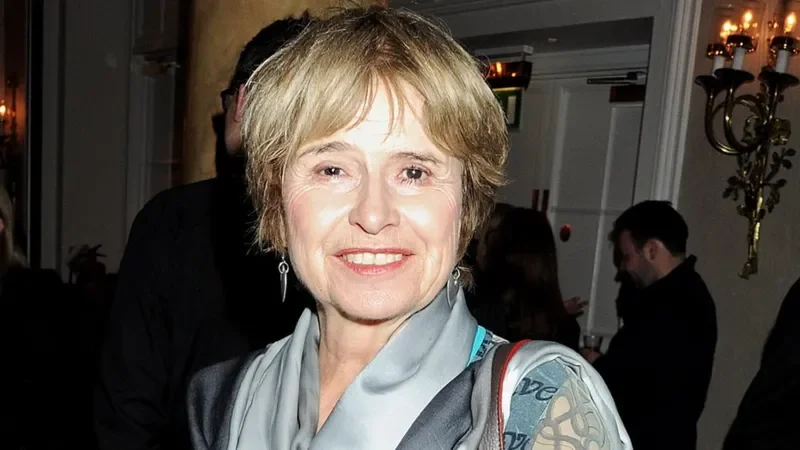
ichef.bbci.co.uk
Brigit Forsyth
Birthday:
28 Jul, 1940
Date of Death:
01 Dec, 2023
Cause of death:
Died peacefully
Nationality:
British
Famous As:
Actress
Age at the time of death:
83
Brigit Dorothea Mills 's Quote's

“You can start again at any age—reinvention is just another form of honesty.”
Brigit Dorothea Mills
🔗 deadcelebrityhub.com
Early Life: A Quiet Spark in Edinburgh
With her unmistakable Scottish lilt, expressive eyes, and an uncanny ability to inhabit characters with both strength and vulnerability, Brigit Forsyth became one of the most quietly compelling figures in British television. She wasn’t interested in stardom for its own sake; instead, she brought a grounded intensity to her roles that made her unforgettable. Her performances, especially in the golden age of British sitcoms and drama, spoke of a talent deeply rooted in craft, not glamour.
Born in Edinburgh in 1940, Brigit Forsyth grew up in a household that was modest but filled with imagination. Her father was a civil servant, and her mother—while not professionally artistic—nurtured a love of literature and music that left an imprint on young Brigit. The Forsyth home wasn’t one of stage parents or theatrical ambition. It was Brigit’s curiosity that drove her, often finding solace in books, radio plays, and later, the evolving world of television.
There’s an almost cinematic image of her as a child: sitting by the wireless, eyes closed, mouthing along with the actors—imitating accents, inventing characters. She once recounted sneaking out of bed to mimic voices she’d heard earlier in the day, a self-taught method of character work long before she had any formal training.
Education: Crafting Her Voice and Vision
Brigit’s journey to the stage wasn’t immediate. She initially trained as a secretary, a job she later described with wry amusement: “I was the world’s worst typist.” But the misalignment between her career and her passion eventually pushed her toward drama school. She enrolled at the Royal Academy of Dramatic Art (RADA), where her natural talent was honed into something formidable.
At RADA, she found her rhythm as an actor and as a storyteller. She absorbed Shakespeare, Chekhov, and Pinter with equal enthusiasm. Her instructors noted her gift for “stillness”—a presence that didn’t need to clamour for attention but drew it effortlessly. It was also at RADA where she discovered a lifelong love of music, a passion that would later resurface in unexpected ways.
Career Journey: From Bit Parts to National Recognition
Early Career: Building with Patience
The grind of repertory theatre shaped Forsyth’s early career. She travelled from town to town, playing everything from ingénues to tragic heroines. These weren’t glamorous roles, but they were rich in experience. Her breakthrough came in the early 1970s when she was cast in the role that would make her a household name.
Breakthrough: Thelma in “Whatever Happened to the Likely Lads?”
In 1973, Brigit landed the role of Thelma Chambers in the BBC sitcom “Whatever Happened to the Likely Lads?”—a part that showcased her comedic timing and subtle strength. Thelma was no pushover. In a show about laddish nostalgia, she represented modernity as the ambitious, self-assured, and often the only adult in the room. Forsyth played her with intelligence and warmth, avoiding caricature and instead creating a portrait of a woman trying to carve out her future amid the era’s gender expectations.
What’s lesser known is that Forsyth almost didn’t take the role. She feared being typecast in comedy, worried it might limit her dramatic opportunities. But her performance ended up elevating the genre itself. Viewers saw in her not just a “wife” or a “nag,” but a complex woman juggling love, career, and autonomy.
Versatility and Reinvention: Beyond Sitcoms
After “Likely Lads,” Forsyth resisted the trap of staying in one lane. She appeared in dramas like “The Practice” and “Boon,” and even took roles in crime series and period pieces. She had an understated knack for transformation—one day a social worker, the next a high-society matron.
In the 1990s, she returned to the stage with renewed vigour, particularly in classical theatre. Audiences and critics alike praised her performances in works by Alan Ayckbourn and Shakespeare. In later years, she also embraced radio drama and even lent her voice to audiobooks, making her a natural narrator.
One of the most unexpected chapters of her career came with her cello. Long a private musician, Forsyth began performing in public with a four-woman comedy cello group called The Fizz. She was in her 60s at the time, proving that reinvention doesn’t come with an expiration date.
Personal Life: Private, But Not Hidden
Brigit Forsyth always kept her personal life out of the tabloids. She was married to actor Brian Mills for a time, and the couple had children together. Friends describe her as intensely loyal, quietly funny, and refreshingly down-to-earth. A lover of the outdoors, she often escaped the industry’s bustle by retreating to the countryside.
There was a whimsical side to her, too: she adored marmalade (which she once attempted to make with comic disaster), collected antique tea cups, and had a near-obsessive affection for crossword puzzles.
Legacy: A Quiet Icon
Brigit Forsyth may not be a name shouted from the rooftops, but she is remembered with deep affection and respect by audiences and colleagues alike. She represented a different kind of star—one whose power lay in subtlety, consistency, and integrity. She never tried to dominate the screen; she simply inhabited it with grace.
In an industry often defined by flash, Brigit Forsyth was a steady flame. Her work, which was layered as human and quietly radical, continues to resonate with those who appreciate the artistry of understatement. From Thelma's wit to her cello's song, Forsyth’s legacy is one of quiet rebellion and lasting authenticity.
Profile Snapshot
Name:
Brigit Dorothea Mills
Popular Name:
Brigit Forsyth
Gender:
Female
Cause of Death:
Died peacefully
Spouse:
Brian Mills
Place of Birth:
Edinburgh, United Kingdom
Place of Death:
United Kingdom
Occupation / Profession:
Actress
Personality Type
Advocate Quiet and mystical, yet very inspiring and tireless, idealists. Brigit was a thoughtful and quietly powerful artist who let her work speak louder than her words.
Brigit Dorothea Mills 's Interesting Facts
Brigit had a fondness for fixing old radios and was a passionate DIY enthusiast—a rare quirk for someone in her profession.
Brigit was an accomplished cellist and taught herself to play the instrument well into adulthood, later joining an all-female comedy cello group called The Fizz.
She once turned down high-profile TV roles because she preferred the depth of theatre acting, saying she valued craft over celebrity.
Achievements & Awards
Brigit Forsyth’s most celebrated achievement was her role as Thelma in Whatever Happened to the Likely Lads?, which became a beloved British sitcom classic.
She also found renewed success later in life with her stage work and musical performances, redefining what it means to evolve as an artist.
She had a long and diverse career across television, stage, and radio, earning acclaim for her versatility, from drama to comedy.
Though she never pursued accolades, her performances were widely respected, and she remained a fixture in British acting circles for over five decades.
External Links
Additional Links
Latest Profiles
People also viewed
Sally Ann Howes
Born20 Jul, 1930
Died19 Dec, 2021
NationalityBritish, American
Age at time of death91
Olivia de Havilland
Born01 Jul, 1916
Died26 Jul, 2020
NationalityBritish, American
Age at time of death104
Jane Birkin
Born14 Dec, 1946
Died16 Jul, 2023
NationalityBritish, French
Age at time of death76
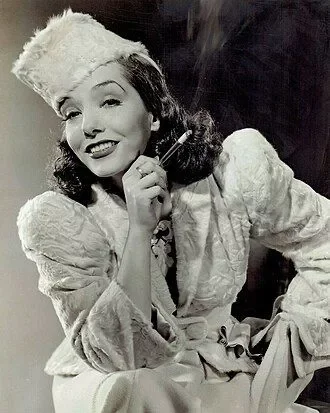
Lupe Vélez
Born18 Jul, 1908
Died14 Dec, 1944
NationalityMexican
Age at time of death36
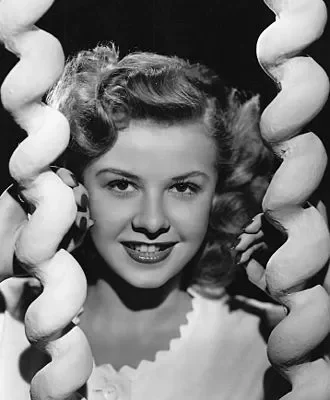
Vera-Ellen
Born16 Feb, 1921
Died30 Aug, 1981
NationalityAmerican German
Age at time of death60
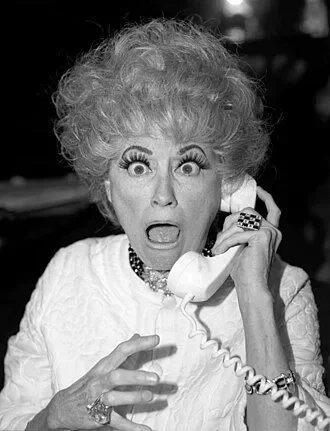
Phyllis Diller
Born17 Jul, 1917
Died20 Aug, 2012
NationalityAmerican
Age at time of death95
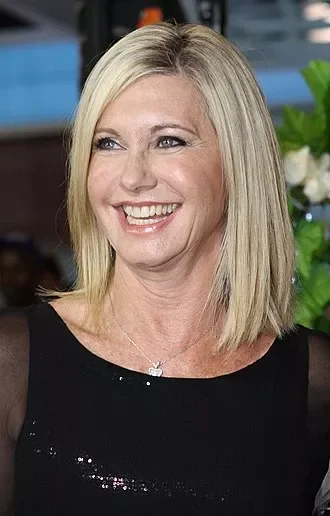
Olivia Newton-John
Born26 Sep, 1948
Died08 Aug, 2022
NationalityBritish, Australian
Age at time of death73
Mary Martin
Born01 Dec, 1913
Died03 Nov, 1990
NationalityAmerican
Age at time of death76
Tina Turner
Born26 Nov, 1939
Died24 May, 2023
NationalityAfrican, American
Age at time of death83
Tawny Kitaen
Born05 Aug, 1961
Died07 May, 2021
NationalityAmerican
Age at time of death59
Gloria Swanson
Born27 Mar, 1899
Died04 Apr, 1983
NationalityAmerican
Age at time of death84
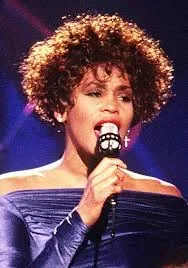
Whitney Houston
Born09 Aug, 1963
Died11 Feb, 2012
NationalityAmerican
Age at time of death48
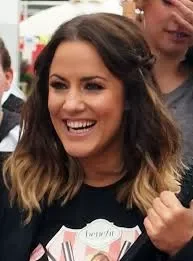
Caroline Flack
Born09 Nov, 1979
Died15 Feb, 2020
NationalityBritish
Age at time of death40
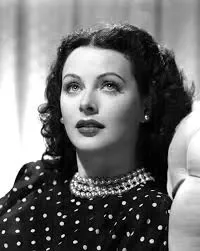
Hedy Lamarr
Born09 Nov, 1914
Died19 Jan, 2000
NationalityAmerican
Age at time of death85
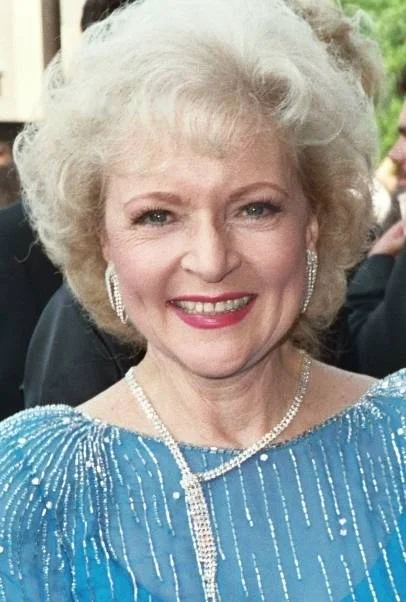
Betty White
Born30 Nov, 1922
Died31 Dec, 2021
NationalityAmerican
Age at time of death99
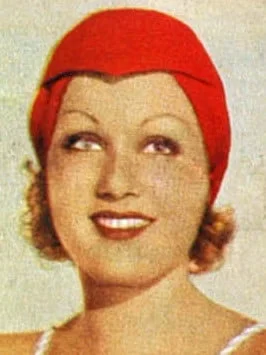
Grace Bradley
Born21 Sep, 1913
Died21 Sep, 2010
NationalityAmerican
Age at time of death97
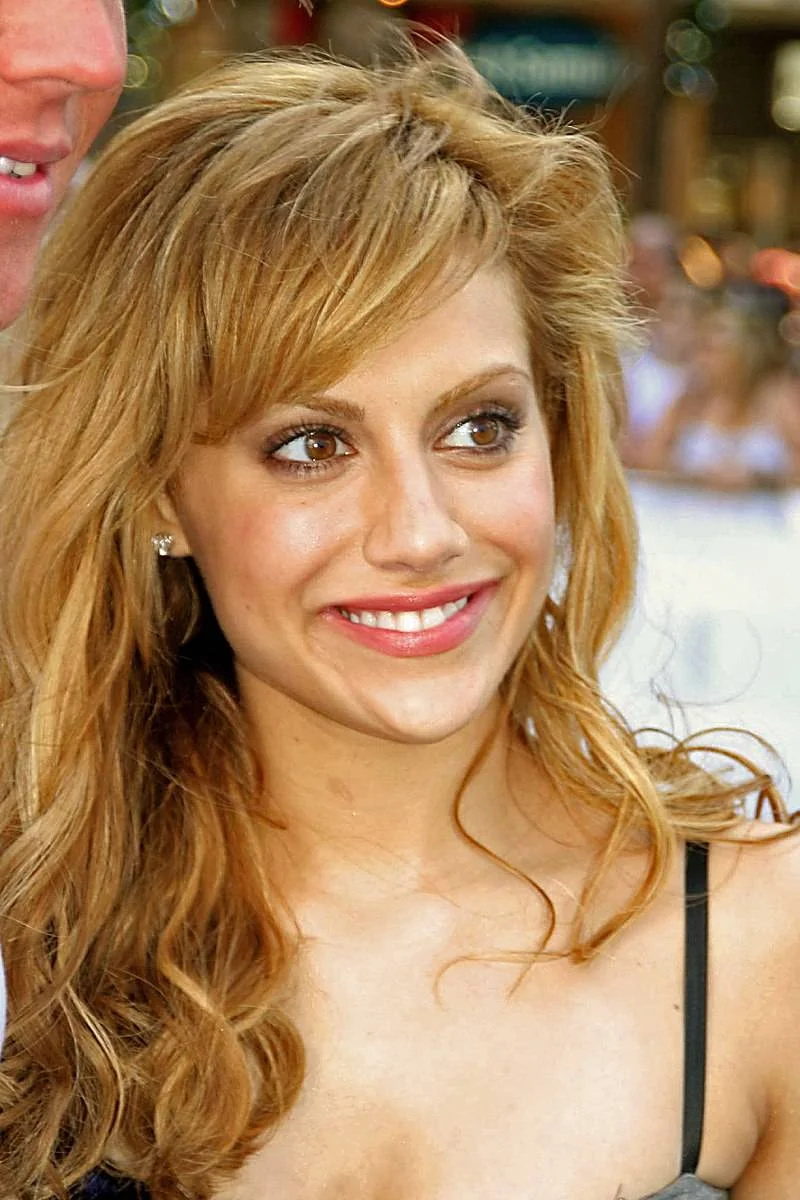
Brittany Murphy
Born10 Nov, 1977
Died20 Dec, 2009
NationalityAmerican
Age at time of death32
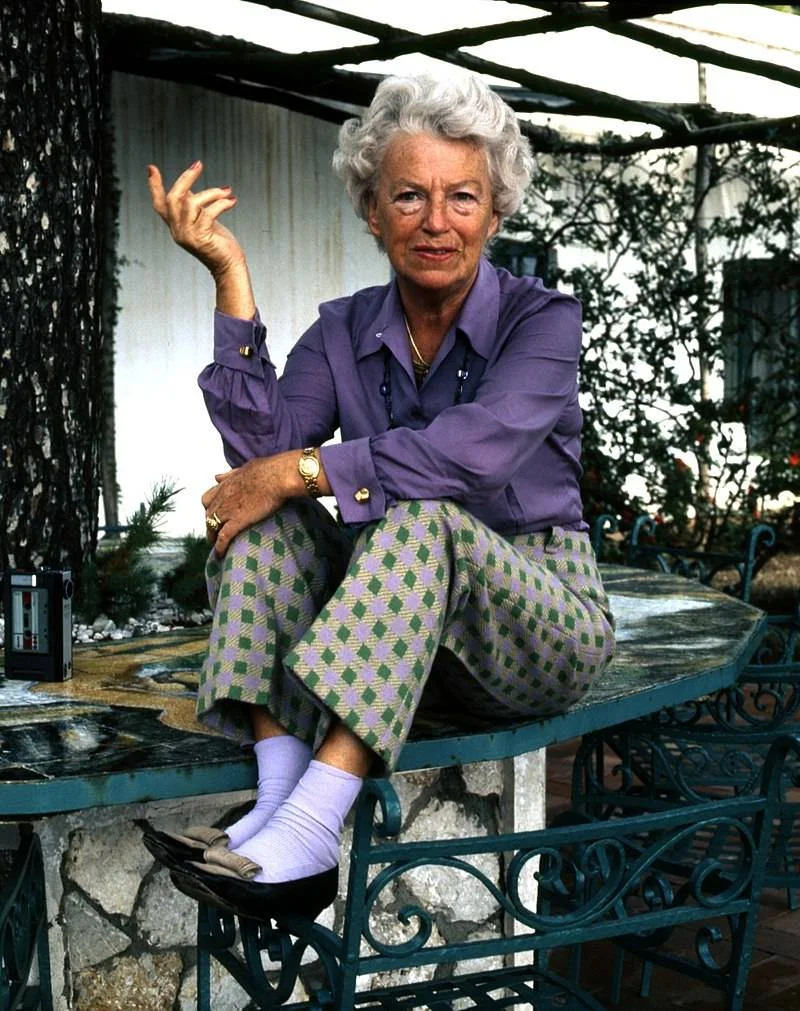
Gracie Fields
Born09 Jan, 1898
Died27 Sep, 1979
NationalityBritish, Italian
Age at time of death81
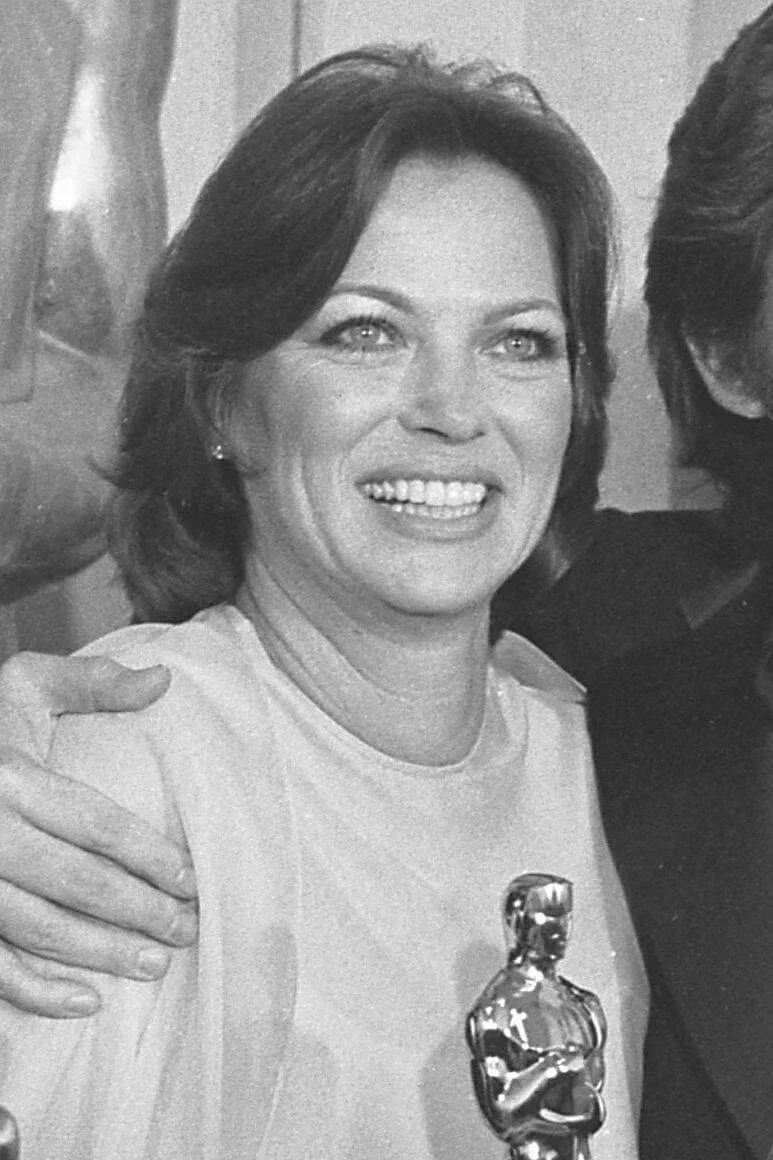
Louise Fletcher
Born22 Jul, 1934
Died23 Sep, 2022
NationalityAmerican
Age at time of death88
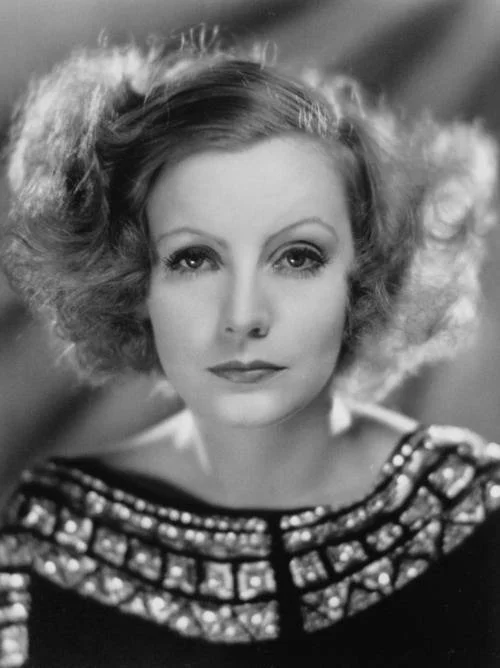
Greta Garbo
Born18 Sep, 1905
Died15 Apr, 1990
NationalitySwedish, American
Age at time of death84