Real Celebrities Never Die!
OR
Search For Past Celebrities Whose Birthday You Share
Died Age: 65
en.wikipedia.org
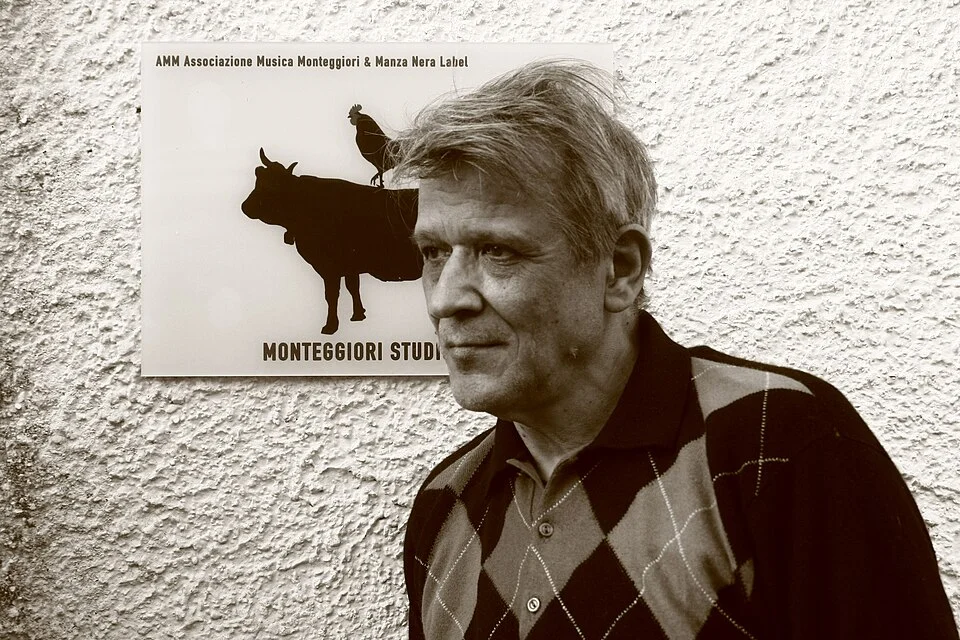
Bruno Romani
Birthday:
08 Jan, 1960
Date of Death:
13 Mar, 2025
Cause of death:
Undisclosed
Nationality:
Italian
Famous As:
Saxophonist
Age at the time of death:
65
Bruno Romani's Quote's

“Every note must mean something, even if it’s silence.”
Bruno Romani
🔗 deadcelebrityhub.com
Early Life
Bruno Romani was a restless innovator whose music bridged rebellion and improvisation, structure and freedom. Born in Udine, Italy, in 1960, he grew into one of his country’s most adventurous saxophonists, flutists, composers, and bandleaders. Over more than four decades, he helped define Italian underground music in the 1980s, then forged a second life in jazz and experimental sound, always pushing boundaries. When he passed away in 2025, he left behind a rich body of work that spans styles, a legion of collaborators, and a legacy of daring.
Bruno Romani was born on January 9, 1960, in Udine, a city in the Friuli-Venezia Giulia region in northeastern Italy. From a young age, music shaped his world: he studied flute locally with Milos Pahor (first flute at the Trieste Opera House), and later saxophone in Klagenfurt under the guidance of Kawarza and Heinz von Hermann. By age 15, he was already embedded in Udine’s jazz collective alongside names like Andrea Centazzo and Daniele D’Agaro—showing early that he would not stay confined to conventional paths. His early exposure to both classical discipline (through his flute and saxophone studies) and improvisational, jazz sensibilities laid the groundwork for the hybrid styles he would later explore.
Education and Formative Musical Influences
Romani’s formal instruction in flute and saxophone gave him not only technical fluency but a deep appreciation for tone, breath, and phrasing. Studying under maestros from both Italian and Austrian traditions exposed him to different schools of sound—from the precision of opera-house woodwinds to freer, improvisational jazz settings. While there is no record of a university degree in music, those early studies served as his apprenticeship: voice, instrument, discipline, and instinct all learned in practice as much as in masterclasses.
Career Journey
Phase I: The Post-Punk Roots (1980s)
In 1983, Romani founded Detonazione, a band that became one of the most influential voices in Italian post-punk. With Detonazione, he released two full albums and a collection of 7-inch singles (45 rpm), and participated in cultural moments such as the 1984 Biennial of Young Artists of the Mediterranean in Barcelona—a movement that symbolised rebirth and future-oriented energy in post-dictatorial Europe. His work with Detonazione showed a fierce urgency and raw sound, rooted in punk/no-wave, but always carrying hints of wider sonic curiosity.
Phase II: Transition to Jazz & Experimental Collaboration (1990s-2000s)
Around 1989, Detonazione’s run wound down, and Romani turned more decisively toward jazz and experimental music. In the early 1990s, he collaborated with the singer Alice (of Italian pop/rock fame), contributing to her albums and joining her on the Pass The Years Tour. He also worked on Devogue, a project that brought together musicians from diverse backgrounds (rock, avant-garde, jazz). In 1995, he won the national competition “Summertime in Jazz” for the best new jazz proposal—and released Gang of One with his quartet. That was a turning point: recognition not just in underground circles, but within wider jazz frameworks.
Phase III: Mature Voice, Projects, Later Work (2000s-2020s)
Over the next decades, Romani’s output continued to expand. He co-founded projects like NoGuRu (with members from Ritmo Tribale and Xabier Iriondo), exploring a sound that fused rock’s energy, electronic textures, and free improvisation. He also formed the Organic Crossover Group, pushing boundaries between genres. Between 2015 and 2023, he released albums such as Nightride Of An Italian Saxophone Player (2015), As Serious As My Life (2017), Versilia Afterdark (2019), and CPPP Requiem (2023). Alongside studio work, he performed at major festivals, radio and television in Europe, and collaborated with ensembles such as the AMM / Monteggiori Ensemble in Lucca, where he shared leadership of improvising groups alternating written and spontaneous music. Even in his later years, he showed up as someone still exploring, risking.
Personal Life
Though Romani’s public life was largely about music, some glimpses grounded him. He maintained a strong attachment to his roots in Udine, even after moving elsewhere, and his ties to Friuli-Venezia Giulia remained emotionally important. He also chose Lucca as a base at some point, engaging with local ensembles and helping build communities of improvisers. He was known among peers as someone generous in collaboration, someone who didn’t merely perform but also teach through example—sax, flute, improvisation, direction. Details of his private life (family, relationships) are less public, but those who worked with him often speak of his intense dedication, curiosity, and warmth.
Legacy
Bruno Romani’s legacy is rich and layered. He is remembered first as a pioneer: someone who helped birth the post-punk wave in Italy; someone who then reinvented himself not by discarding his past, but by transforming it—melding punk’s energy with jazz’s depth, improvisation with composition. His many recordings serve as maps of that journey, each album a chapter of exploration. More than that, Romani inspired a generation of musicians to cross genres, to blur boundaries, to take risks. His ensembles, his projects, and his leadership in improvisatory spaces have seeded new voices who saw in him a model for fearless artistic truth.
Conclusion
Bruno Romani’s life was a journey of constant becoming. From the early pulse of post-punk in Udine, through disciplined musical study, into bold explorations of jazz and sound, he never settled. He was always someone who asked “What if?”—what if rock and noise meet improvisation? What if structure dances with chaos? His death in 2025 left a silence, but also a rich echo: in the albums, the collaborations, the many musicians who trace their own courage to his example. In remembering Romani, we remember not only his music, but the idea that art lives where bravery meets imagination.
Profile Snapshot
Name:
Bruno Romani
Popular Name:
Bruno Romani
Gender:
Male
Cause of Death:
Undisclosed
Spouse:
Not publicly Available
Place of Birth:
Udine, Italy
Place of Death:
Italy
Occupation / Profession:
Saxophonist
Flautist
Composer
Personality Type
Protagonist: Bruno Romani was a disciplined dreamer who fused intellect, intuition, and innovation to redefine the boundaries of music
Bruno Romani's Interesting Facts
He began performing jazz at the age of fifteen; he mastered both the flute and saxophone under distinguished teachers from Italy and Austria; and he continued performing and recording new material well into his sixties, showing no signs of creative slowing.
Achievements & Awards
He founded Detonazione, which became one of the pioneering Italian post-punk bands. He successfully transitioned into jazz and experimental music, was invited to appear at prominent European jazz festivals, as well as on radio and television shows, and led ensembles like the Monteggiori Ensemble.
External Links
Latest Profiles
People also viewed
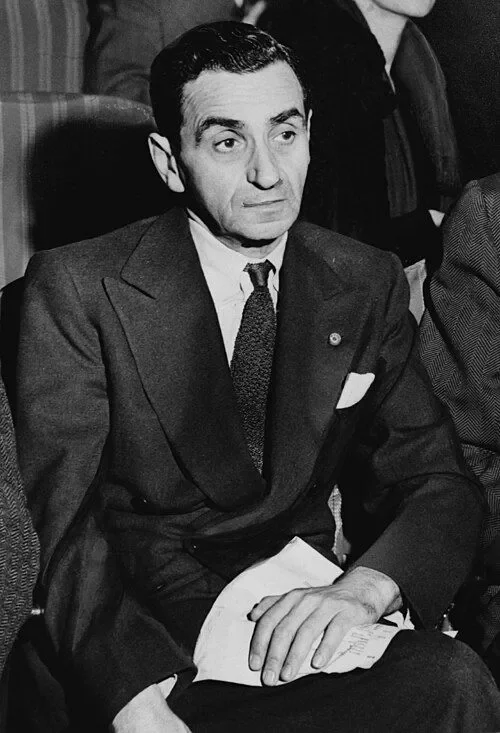
Irving Berlin
Born11 May, 1888
Died22 Sep, 1989
NationalityAmerican
Age at time of death101
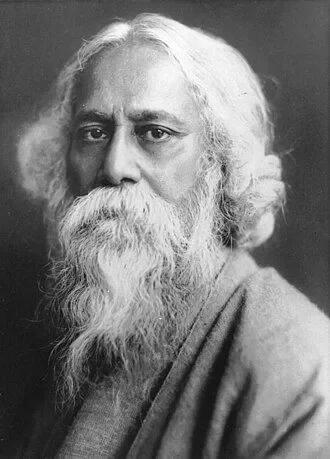
Rabindranath Tagore
Born07 May, 1861
Died08 Aug, 1941
NationalityIndian
Age at time of death80
Barry White
Born12 Sep, 1944
Died04 Jul, 2003
NationalityAmerican
Age at time of death58
Nina Simone
Born21 Feb, 1933
Died21 Apr, 2003
NationalityAmerican
Age at time of death70
W.C. Handy
Born16 Nov, 1873
Died28 Mar, 1958
NationalityAmerican
Age at time of death84
Johnny Otis
Born28 Dec, 1921
Died17 Jan, 2012
NationalityAmerican
Age at time of death90
Lata Mangeshkar
Born28 Sep, 1929
Died06 Feb, 2022
NationalityIndian
Age at time of death92
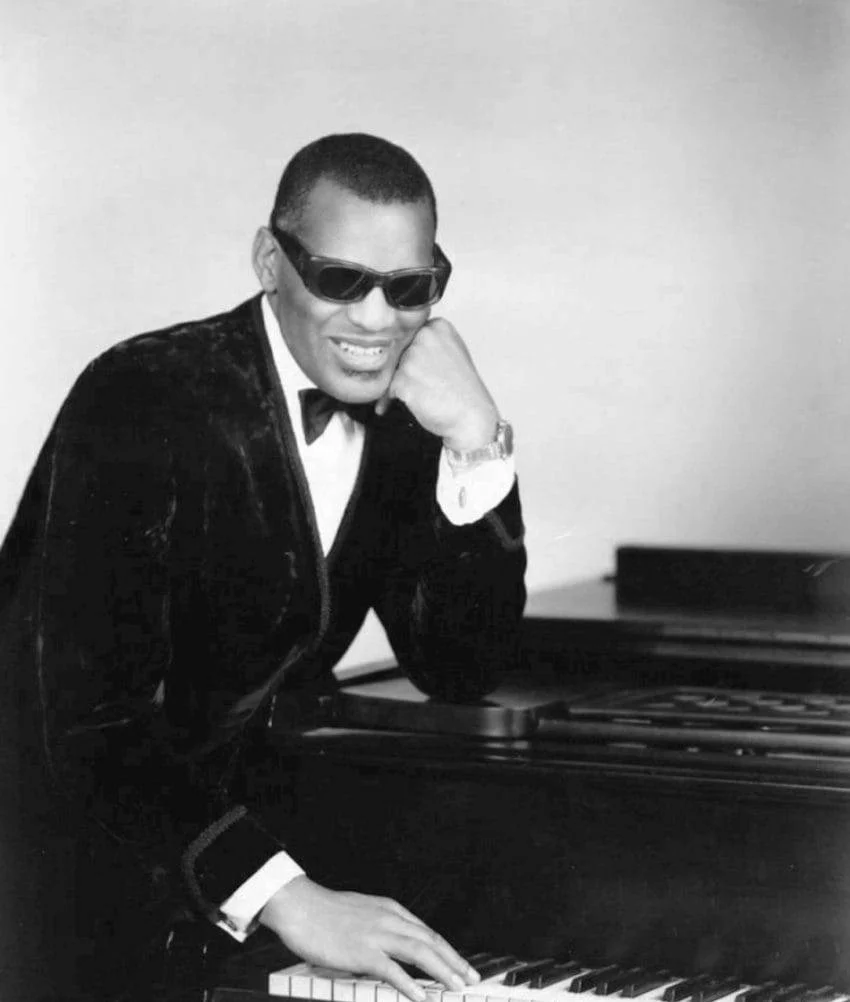
Ray Charles
Born23 Sep, 1930
Died10 Jun, 2004
NationalityAmerican
Age at time of death73
Francis Hopkinson
Born02 Oct, 1737
Died09 May, 1791
NationalityAmerican
Age at time of death53
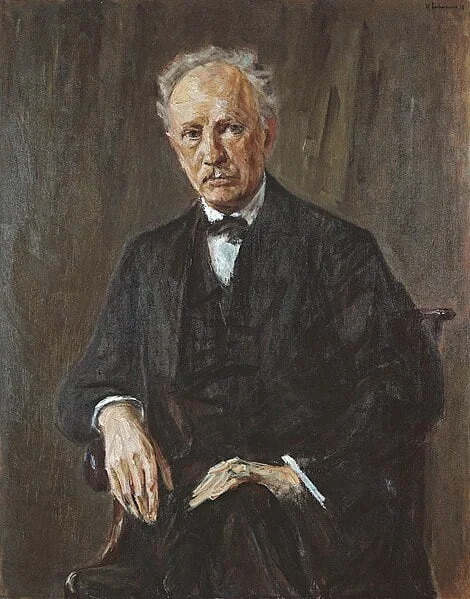
Richard Strauss
Born11 Jun, 1864
Died08 Sep, 1949
NationalityGerman
Age at time of death85
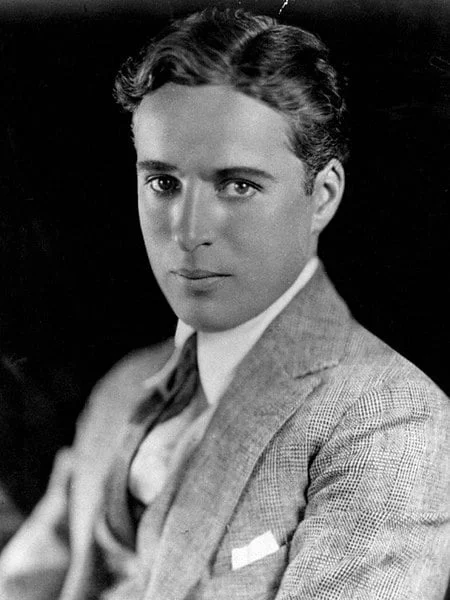
Charlie Chaplin
Born16 Apr, 1889
Died25 Dec, 1977
NationalityBritish
Age at time of death88
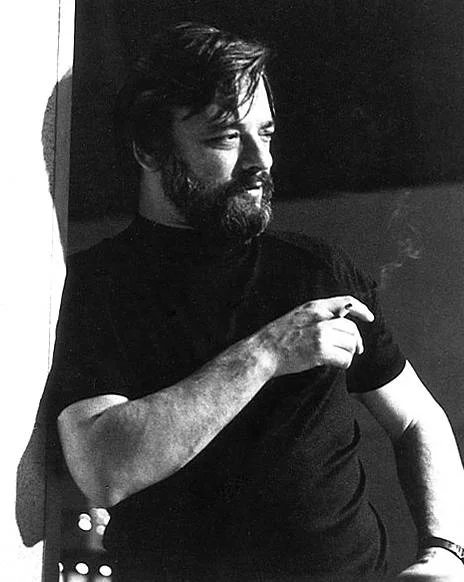
Stephen Sondheim
Born22 Mar, 1930
Died26 Nov, 2021
NationalityAmerican
Age at time of death91
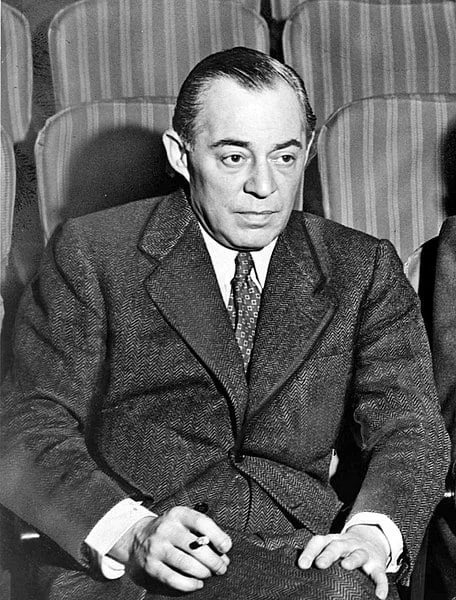
Richard Rodgers
Born28 Jun, 1902
Died30 Dec, 1979
NationalityAmerican
Age at time of death77
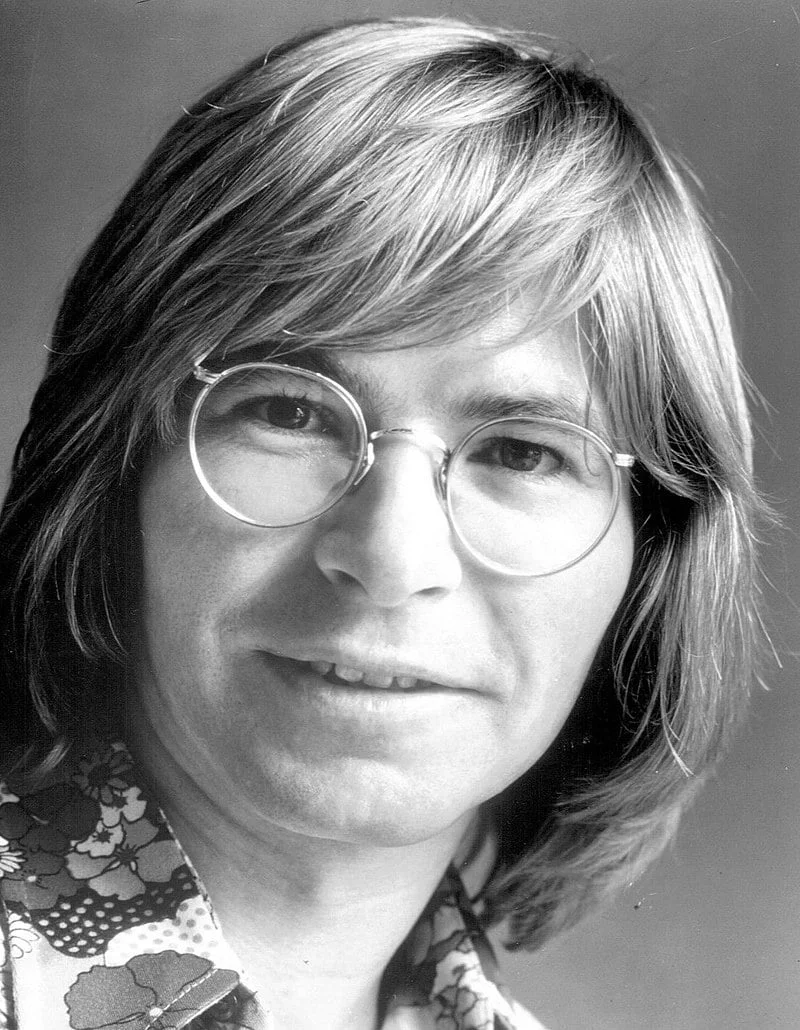
John Denver
Born31 Dec, 1943
Died12 Oct, 1997
NationalityAmerican
Age at time of death53
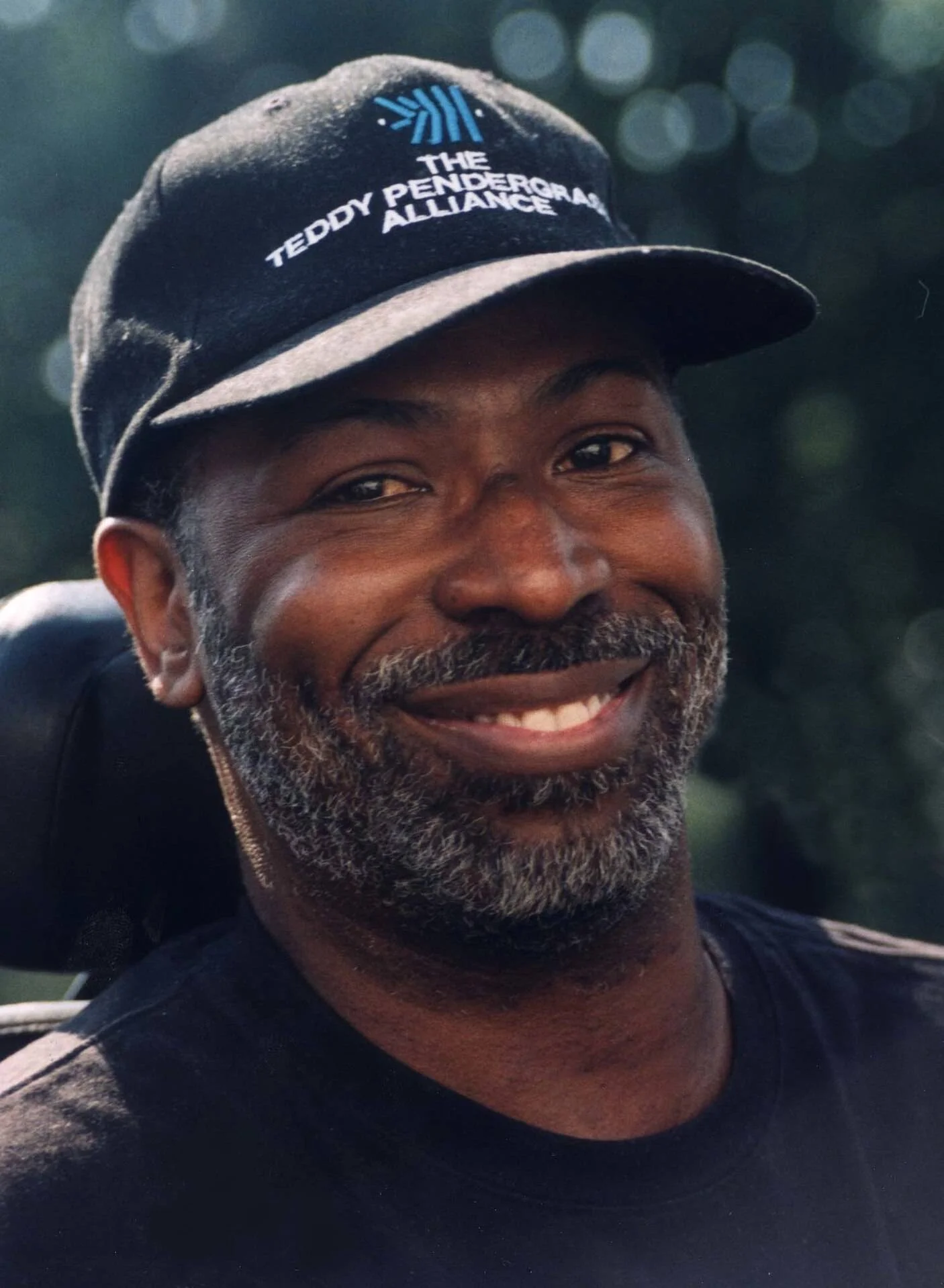
Teddy Pendergrass
Born26 Mar, 1950
Died13 Jan, 2010
NationalityAmerican
Age at time of death59
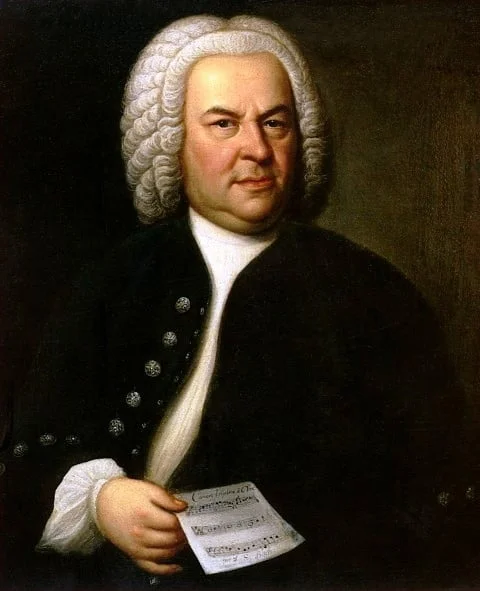
J S Bach
Born31 Mar, 1685
Died28 Jul, 1750
NationalityGerman
Age at time of death65
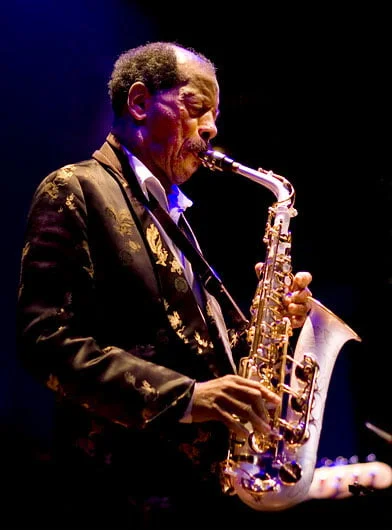
Ornette Coleman
Born09 Mar, 1930
Died11 Jun, 2015
NationalityAmerican
Age at time of death85

Thomas Hardy
Born02 Jun, 1840
Died11 Jan, 1928
NationalityBritish
Age at time of death87
George Martin
Born03 Jan, 1926
Died08 Mar, 2016
NationalityBritish
Age at time of death90
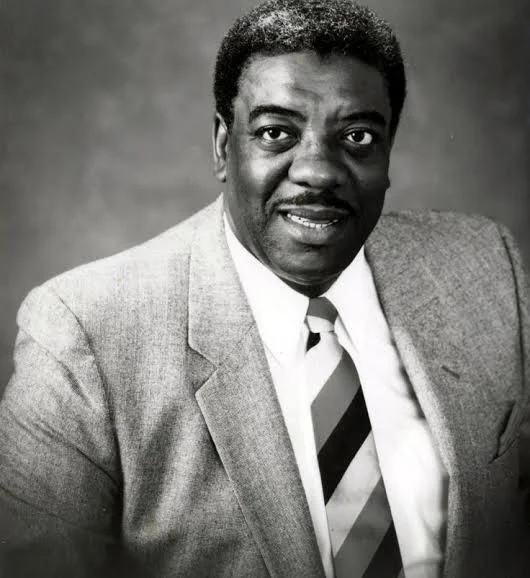
James Cleveland
Born05 Dec, 1931
Died09 Feb, 1991
NationalityAmerican
Age at time of death59