Real Celebrities Never Die!
OR
Search For Past Celebrities Whose Birthday You Share
Died Age: 82
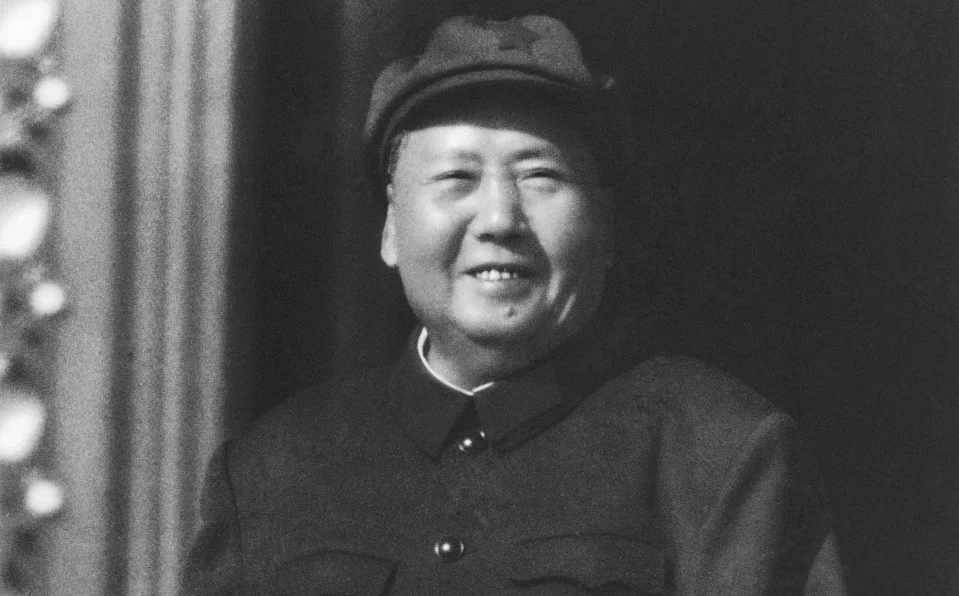
politico.com
Chairman Mao
Birthday:
25 Dec, 1893
Date of Death:
09 Sep, 1976
Cause of death:
Heart attack
Nationality:
Chinese
Famous As:
Librarian
Age at the time of death:
82
Mao Zedong's Quote's
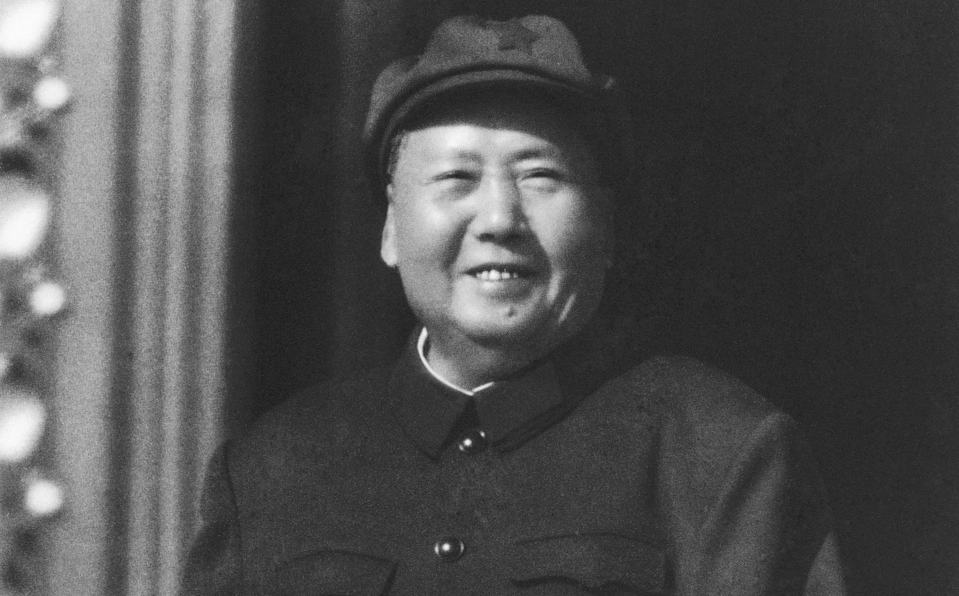
“Political power grows out of the barrel of a gun.”
Mao Zedong
🔗 deadcelebrityhub.com
Early Life: A Foundation Built on Struggle
Mao Zedong was a man of paradoxes—a poet, a strategist, and a political visionary. He revolutionised China in ways few could have imagined, leading the country from centuries of imperial rule to a new era of communist governance. His influence is undeniably both revered and reviled, and his legacy continues to shape the political and cultural landscape of China and the world. Born in a time of great turbulence and national upheaval, Mao's journey from the son of a peasant to the founder of the People’s Republic of China is a testament to the power of vision, perseverance, and revolution.
Born on December 26, 1893, in the small village of Shaoshan, Hunan Province, Mao Zedong was the son of Mao Yichang, a wealthy peasant, and Wen Qimei, his mother. Despite his father’s relatively high social standing, Mao grew up in a society deeply entrenched in feudalism, where the majority of Chinese peasants were bound by hardship and exploitation. This environment would come to profoundly influence Mao’s worldview.
As a child, Mao was a restless and curious boy, often seeking to break from tradition. He was fiercely independent, determined to carve his own path. At the age of 13, he left home to attend school in the nearby town of Changsha, a move that marked the beginning of his intellectual and political awakening. His time there exposed him to new ideas, literature, and the burgeoning movements that would ignite the flames of revolution across China.
Education: A Journey Towards Revolutionary Ideas
Mao's formal education, though limited, played a crucial role in shaping his philosophy. He studied traditional Confucian texts but was also drawn to Western ideas, particularly Marxism and the works of thinkers like Karl Marx and Friedrich Engels. It was during this time that Mao's intellectual curiosity began to deepen, moving beyond the rigid structure of his peasant roots and towards a vision of a radically different China.
In 1911, as a young man of 18, Mao experienced firsthand the fall of the Qing Dynasty, marking the end of over two thousand years of imperial rule. The 1911 Revolution, which led to the establishment of the Republic of China, was a pivotal moment for Mao. He saw it as a profound failure, with warlords fighting for control and the country plagued by instability. This sense of national crisis pushed Mao to pursue more radical political avenues.
In 1918, Mao moved to Beijing to study at Peking University, where he became increasingly involved in the growing political movements of the time. It was here that he would meet other like-minded intellectuals and revolutionaries who would later become key figures in his rise to power.
Career Journey: From Revolutionary to Chairman
Mao’s early career was marked by activism, literature, and organisational work. In 1921, Mao helped establish the Communist Party of China (CPC) in Shanghai, alongside other radical thinkers. At the time, China was being torn apart by foreign powers and internal divisions, and Mao's focus was on uniting the peasantry against both imperialism and the corrupt Nationalist government. His political vision was clear: a new society, one where the workers and peasants held the power.
In the mid-1920s, the Chinese Communist Party began its alliance with the Nationalist Party (Kuomintang, or KMT) to fight the warlords who controlled much of China. However, tensions soon boiled over. By 1927, the KMT, led by Chiang Kai-shek, turned against the Communists, resulting in a bloody purge that decimated much of the CPC leadership. Mao’s resolve was tested, but he emerged stronger, retreating to the countryside and beginning the Long March, a gruelling journey across thousands of miles that became a symbol of Communist resilience. This was the moment that cemented Mao’s leadership in the eyes of many.
In 1935, after over a year of intense hardship, Mao and his followers reached the remote northwestern region of Shaanxi, where the CPC re-established itself. The Long March had been a series of devastating losses, but it revealed Mao’s tactical brilliance and ability to inspire his followers. During this time, Mao’s ideological framework began to solidify, emphasising the importance of the peasantry as the backbone of the revolution, rather than the urban proletariat, which was the focus of Marxist theory.
By 1949, Mao’s vision came to fruition when the Chinese Communist Party defeated the Nationalist forces, who fled to Taiwan. On October 1, 1949, Mao declared the founding of the People's Republic of China from the Gate of Heavenly Peace in Beijing, marking the beginning of a new era in Chinese history. This monumental achievement was a testament to his unyielding determination and strategic genius.
Yet, Mao’s reign was not without its trials. The Great Leap Forward, a bold attempt to rapidly industrialise and collectivise agriculture, led to one of the deadliest famines in history, with millions dying from starvation. The Cultural Revolution, launched in 1966, sought to purge Chinese society of perceived bourgeois elements but instead resulted in widespread chaos, persecution, and the destruction of cultural heritage.
Personal Life: The Man Behind the Myth
Despite his larger-than-life political persona, Mao was a man of contradictions. He was deeply personal and often aloof, but also fiercely loyal to those he trusted. His relationships with women were particularly complex. He married four times, and his most famous spouse, Jiang Qing, was a key political ally during the Cultural Revolution. Mao’s personal life was often intertwined with his political journey, reflecting both the human side of his leadership and the power dynamics that influenced his decisions.
Mao had a love for poetry, and his works reflected both his cultural roots and his revolutionary ideals. His poetry, filled with vivid imagery of nature, power, and struggle, was a means of expressing his vision for China. Yet, this personal artistic side often coexisted with the authoritarian aspects of his rule.
Legacy: The Revolutionary Who Changed the World
Mao Zedong’s legacy is undeniably monumental. He is remembered as the architect of modern China, the man who led the country out of imperial rule and into a communist future. His leadership fundamentally reshaped China’s social, political, and economic fabric. However, his legacy is deeply complicated—his policies caused immense suffering for millions, and his authoritarian regime left scars that have yet to fully heal.
Mao’s impact is still felt in China today. The country’s transformation into a global superpower is partly a result of the foundations he laid. Yet, the contradictions of his rule continue to provoke debate. To some, he is a hero—a revolutionary champion who gave the Chinese people a voice. To others, he is a tyrant whose policies led to unimaginable hardship.
What remains indisputable is that Mao Zedong’s influence on China and world history is unparalleled. From the depths of poverty and struggle, he rose to become one of the most powerful figures in modern history, a man whose vision and actions altered the course of nations. His life is a reminder of the complexities of leadership—how one man’s vision can reshape an entire world, for better or worse.
Profile Snapshot
Name:
Mao Zedong
Popular Name:
Chairman Mao
Gender:
Male
Cause of Death:
Heart attack
Spouse:
Jiang Qing
He Zizhen
Luo Yixiu
Yang Kaihui
Place of Birth:
Shaoshan, Xiangtan, China
Place of Death:
Beijing, China
Occupation / Profession:
Librarian
Poet
Politician
Personality Type
Commander: A fiercely strategic and visionary leader, Mao Zedong was the kind of revolutionary who didn’t just adapt to change but engineered it, forging a path through chaos with bold ideas and iron will.
Mao Zedong's Interesting Facts
He famously avoided bathing.
He read a lot – He once claimed he had read over 800 books during his youth.
He walked the entire Long March of about 6,000 miles on foot.
He was a published poet.
Achievements & Awards
Despite controversy, he's still considered one of the most transformative leaders in modern history.
He founded the People's Republic of China in 1949, unifying a country initially torn by war and division for decades.
He led the Communist Party to victory over the Nationalists and implemented sweeping reforms in land ownership, education, and healthcare.
While he didn’t receive formal international awards, his legacy includes being named Chairman Mao, a title that symbolised his monumental influence in Chinese politics and global communism.
Latest Profiles
People also viewed
Gerald Ford
Born14 Jul, 1913
Died26 Dec, 2006
NationalityAmerican
Age at time of death93
Rabindranath Tagore
Born07 May, 1861
Died08 Aug, 1941
NationalityIndian
Age at time of death80
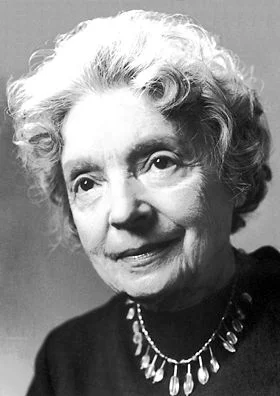
Leonie Nelly Sachs
Born10 Dec, 1891
Died12 May, 1970
NationalityGerman, Swedish
Age at time of death78
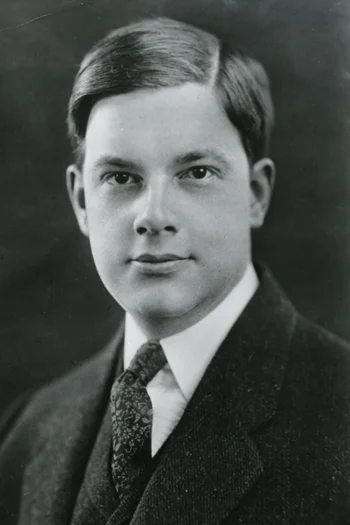
Joyce Kilmer
Born06 Dec, 1886
Died30 Jul, 1918
NationalityAmerican
Age at time of death31
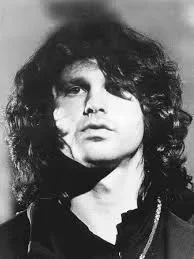
Jim Morrison
Born08 Dec, 1943
Died03 Jul, 1971
NationalityAmerican
Age at time of death27
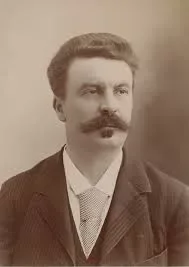
Guy de Maupassant
Born05 Aug, 1850
Died06 Jul, 1893
NationalityFrench
Age at time of death42
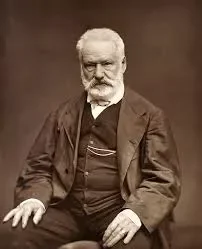
Victor Hugo
Born26 Feb, 1802
Died22 May, 1885
NationalityFrench
Age at time of death83
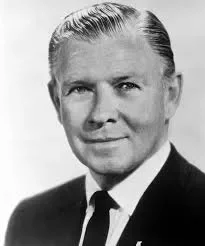
George Murphy
Born04 Jul, 1902
Died03 May, 1992
NationalityAmerican
Age at time of death89
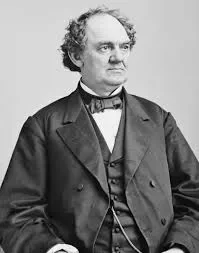
P. T. Barnum
Born05 Jul, 1810
Died07 Apr, 1891
NationalityAmerican
Age at time of death80
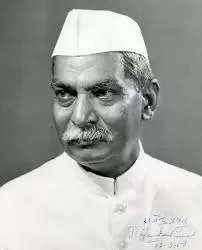
Rajendra Prasad
Born03 Dec, 1884
Died28 Feb, 1963
NationalityIndian
Age at time of death78
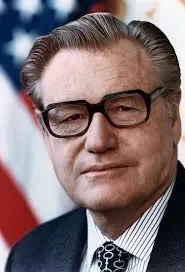
Nelson Rockefeller
Born08 Jul, 1908
Died26 Jan, 1979
NationalityAmerican
Age at time of death70

Ethan Allen
Born21 Jan, 1738
Died12 Feb, 1789
NationalityAmerican
Age at time of death51
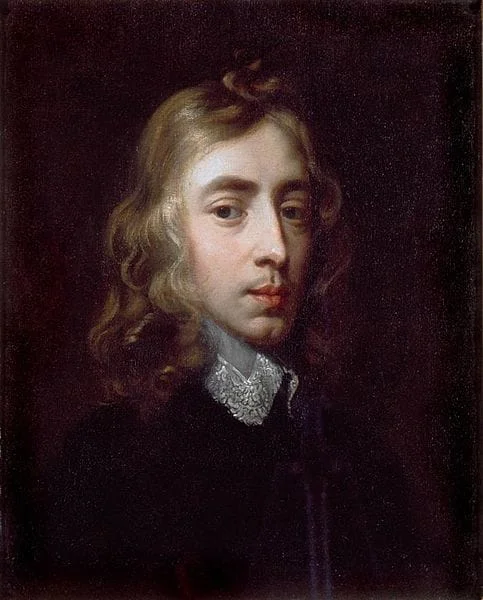
John Milton
Born09 Dec, 1608
Died08 Nov, 1674
NationalityEnglish
Age at time of death65
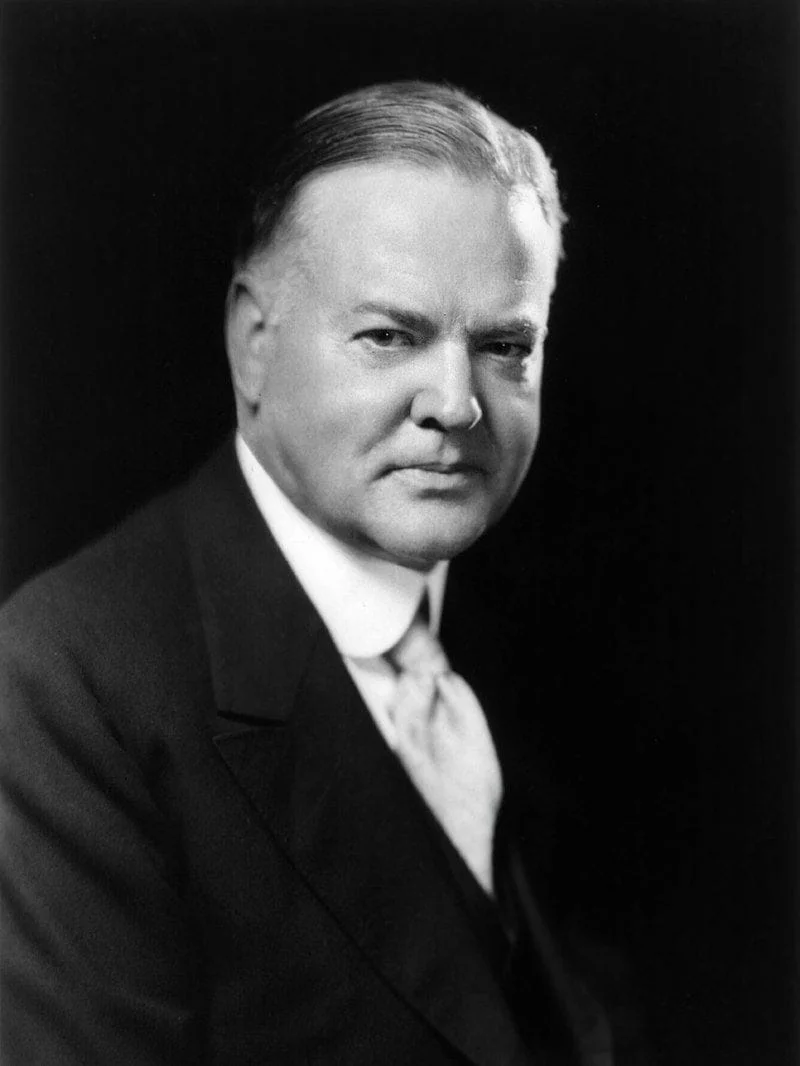
Herbert Hoover
Born10 Aug, 1874
Died20 Oct, 1964
NationalityAmerican
Age at time of death90
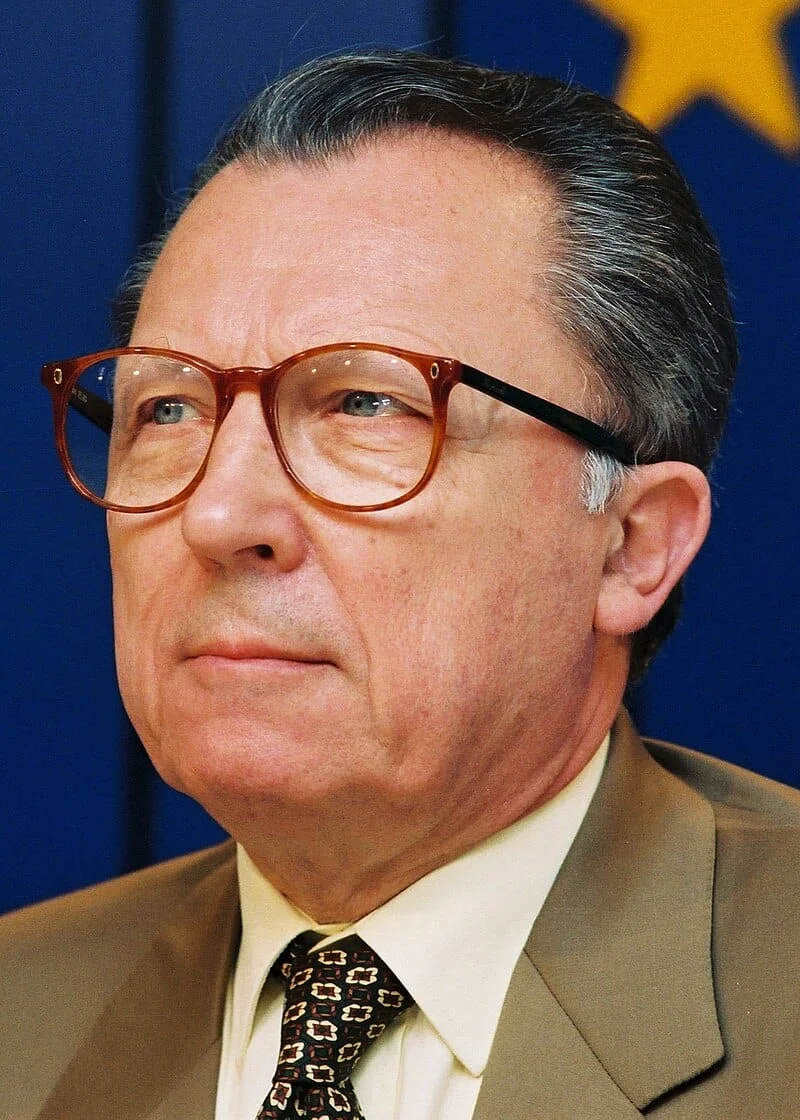
Jacques Delors
Born20 Jul, 1925
Died27 Dec, 2023
NationalityFrench
Age at time of death98
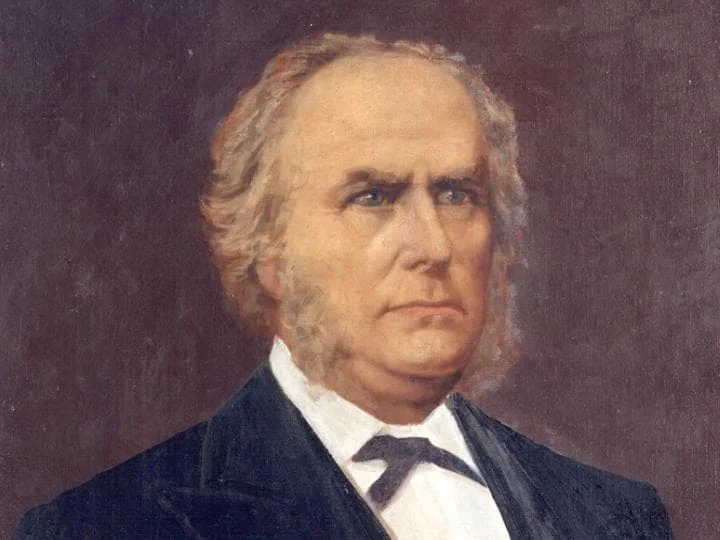
James Harrison
Born17 Apr, 1816
Died03 Sep, 1893
NationalityScottish,Australian
Age at time of death77
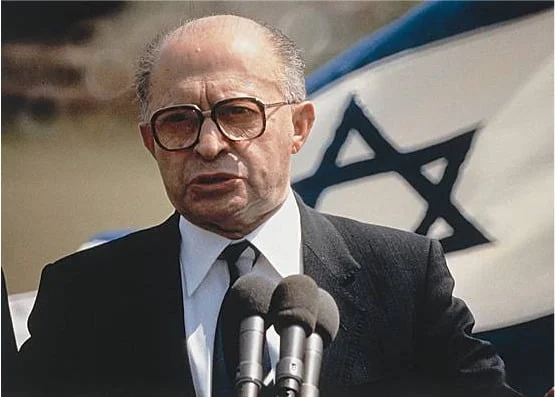
Menachem Begin
Born16 Aug, 1913
Died09 Mar, 1992
NationalityIsraeli
Age at time of death78
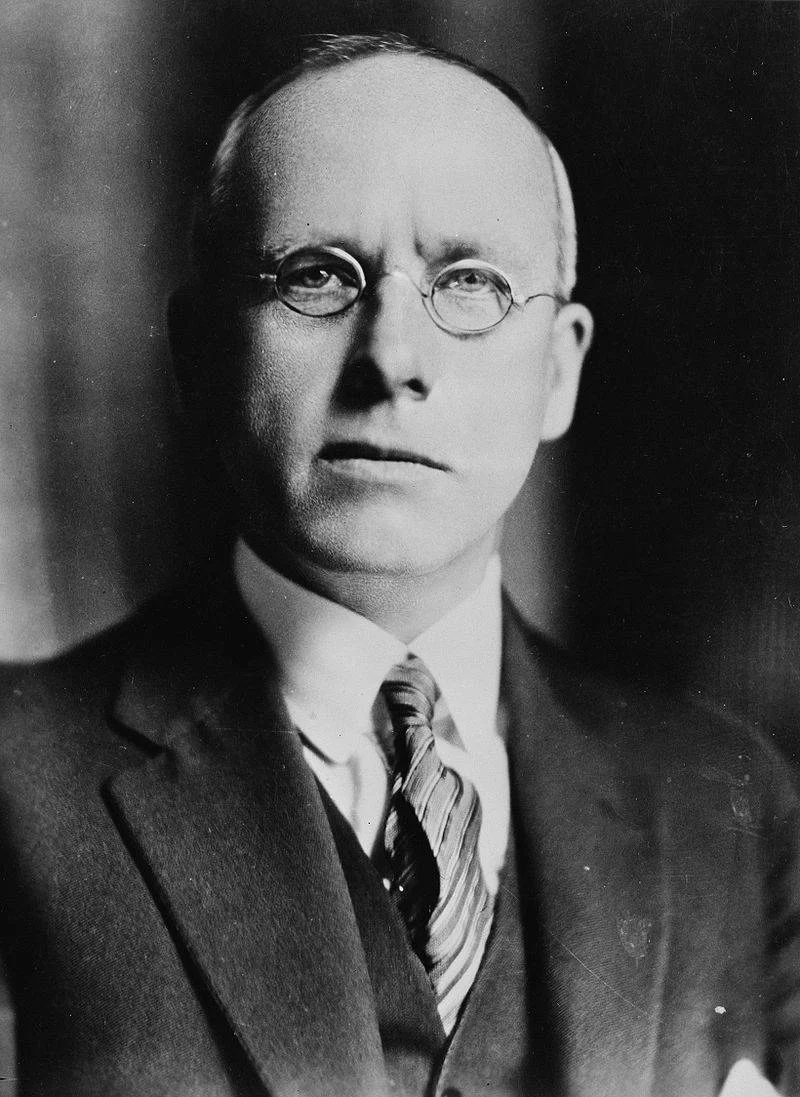
Peter Fraser
Born28 Aug, 1884
Died12 Dec, 1950
NationalityNew Zealand
Age at time of death66
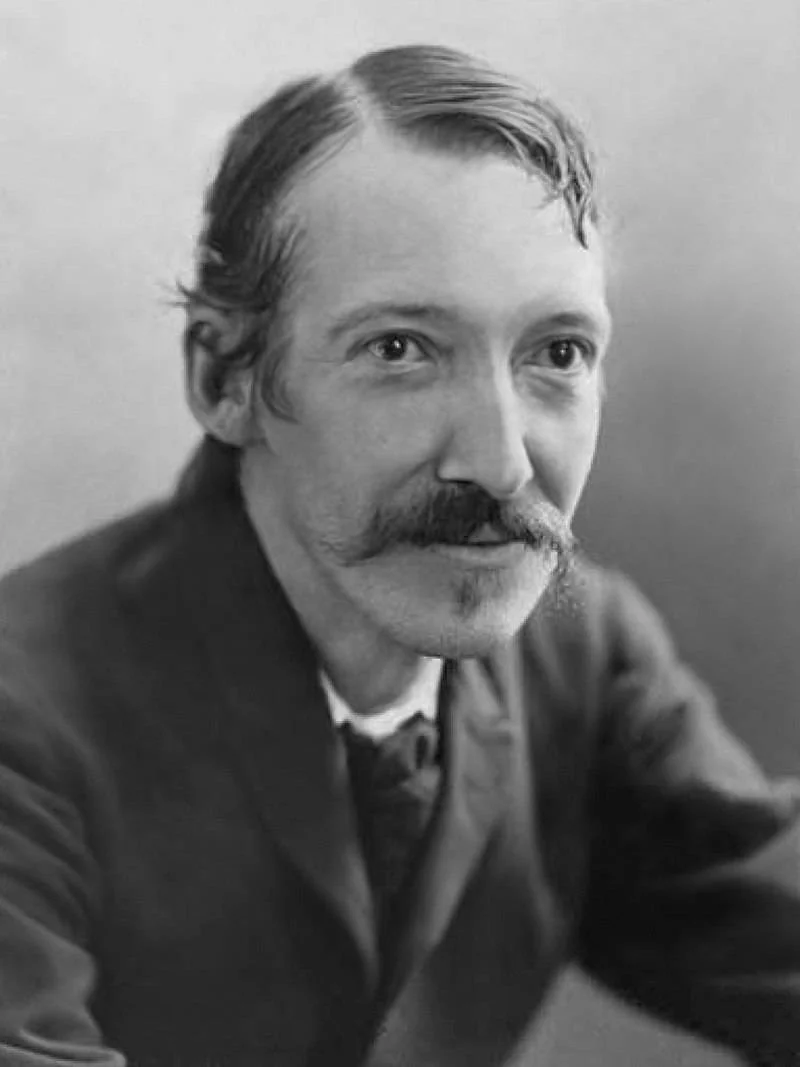
Robert Louis Steveson
Born13 Nov, 1850
Died03 Dec, 1894
NationalityBritish, Scotland
Age at time of death44
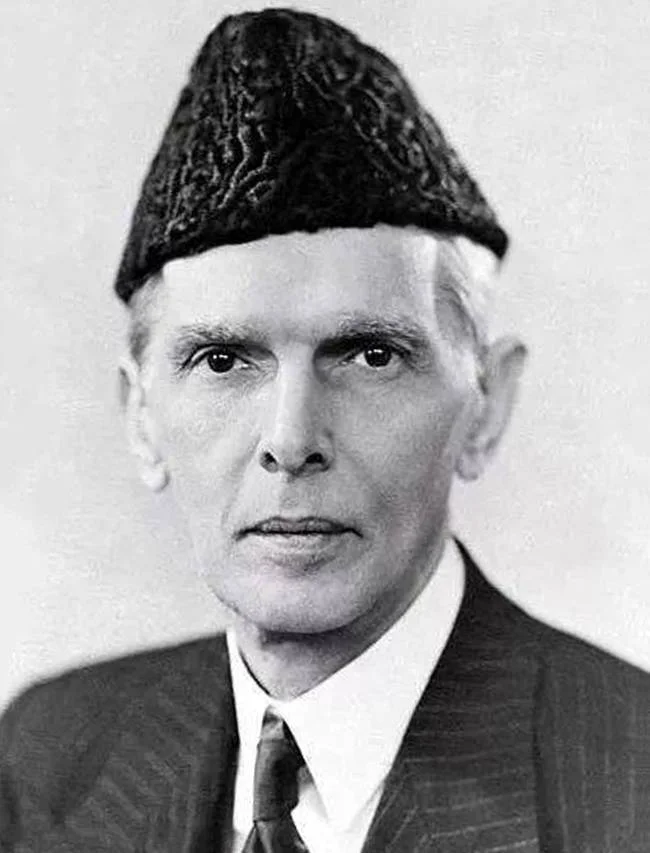
Muhammad Ali Jinnah
Born25 Dec, 1876
Died11 Sep, 1948
NationalityPakistani
Age at time of death71