Real Celebrities Never Die!
OR
Search For Past Celebrities Whose Birthday You Share
Died Age: 78
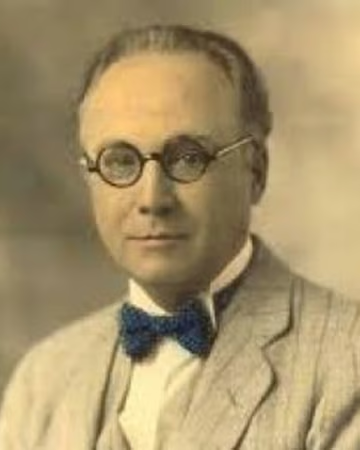
www.onthisday.com
Charles Strite
Birthday:
26 Feb, 1878
Date of Death:
18 Oct, 1956
Cause of death:
Unknown
Nationality:
American
Famous As:
Entrepreneur
Age at the time of death:
78
Charles Peter Strite's Quote's
“Simplicity and reliability are the keys to a good invention.”
Charles Peter Strite
🔗 deadcelebrityhub.com
Early Life and Background
Charles Perkins Strite, born February 27, 1878, in Minneapolis, Minnesota, was an American inventor who is most famous for creating the automatic pop-up toaster. His invention revolutionized breakfast by providing a fast and consistent method of toasting bread.
Observing the Problem in Toasting
During World War I, Strite was employed in a factory in Stillwater, Minnesota. He noted that the cafeteria usually served burnt toast, a frequent problem with the then-available toasters. Early electric toasters needed constant attention and manual flipping of the bread to avoid burning because they only toasted one side at a time. This hassle prompted Strite to come up with a better solution.
Invention of the Automatic Pop-Up Toaster
Strite began developing his automatic toaster design in 1919. His design had heating elements that toasted the bread on both sides simultaneously, a timer to control the toasting period, and a spring mechanism to eject the toast once toasted. The “pop-up” feature ensured the toast would not burn if left unattended.
Patent and Formation of the Waters-Genter Company
Strite applied for a patent on May 29, 1919, and received U.S. Patent No. 1,394,450 on October 18, 1921. Following the patent, he joined investors Glen Waters and Harold Genter to establish the Waters-Genter Company in Minneapolis. They aimed to manufacture and market the toaster, which they branded as the “Toastmaster”, and sell it to restaurants, hotels, and coffee shops. These early business models could toast multiple slices at a time, which addressed the high demands of such enterprises.
Expansion into the Consumer Market
In 1926, the Waters-Genter Company released an improved home model of the toaster. The new design included an option for consumers to regulate the darkness of toast, allowing for a customized toasting experience. The simplicity and dependability of the Toastmaster led to its rapid acceptance in American homes, with over a million units being sold annually by 1930.
Impact and Legacy of the Toastmaster
The Toastmaster’s success made the name a household brand, synonymous with automatic toasters. The Waters-Genter Company eventually became the Toastmaster Division of McGraw-Electric Company. Strite’s invention not only revolutionized breakfast preparation but also set new standards for kitchen automation, influencing the design of many modern domestic appliances.
Transforming Everyday Life
Prior to Strite’s innovation, toasting bread was a time-consuming process. Early electric toasters in the early 20th century required users to manually turn the bread halfway through the process while keeping a close watch to prevent burning. Strite’s automatic pop-up toaster solved these issues by introducing simultaneous double-sided toasting and an automated ejection process, significantly enhancing user convenience and safety.
Further Developments in Toaster Technology
Strite continued refining his invention, obtaining additional patents related to toaster technology. His work laid the foundation for today’s toasters, many of which still rely on the same principles he introduced. Strite remained actively involved in his business throughout his life, witnessing firsthand the tremendous impact of his invention on everyday life.
Death and Lasting Influence
Charles Strite passed away on October 18, 1956. His work endures through the automatic pop-up toaster, an appliance now found in most kitchens worldwide. Strite’s story exemplifies how recognizing and addressing common everyday problems can lead to innovations that profoundly impact society. His contributions to home technology remain a testament to American ingenuity and enterprise in the early 20th century.
Profile Snapshot
Name:
Charles Peter Strite
Popular Name:
Charles Strite
Gender:
Male
Cause of Death:
Unknown
Spouse:
Ethel Mae Taylor
Place of Birth:
Waterville, Le Sueur County, Minnesota, USA
Place of Death:
Minneapolis, Hennepin County, Minnesota, USA
Occupation / Profession:
Entrepreneur
Inventor
Machinist
Mechanic
Personality Type
Virtuoso: Bold and practical experimenters, masters of all kinds of tools. He was known for hands-on creativity, technical expertise, and efficiency.
Charles Peter Strite's Interesting Facts
He initially built the toaster for commercial use, not homes.
He served in the U.S. Army during World War I.
Strite was inspired to invent the toaster after seeing unevenly toasted bread at a factory cafeteria.
The first Toastmaster sold for $13.50 in 1926.
Achievements & Awards
Founded the Waters-Genter Company to produce the Toastmaster.
Introduced the first commercial pop-up toaster in 1926.
Patented the automatic pop-up toaster (U.S. Patent No. 1,394,450) in 1921.
Recognized for revolutionizing small kitchen appliances.
External Links
Latest Profiles
People also viewed
Otto Frederick Rohwedder
Born28 Jul, 1880
Died08 Nov, 1960
NationalityAmerican
Age at time of death80
Rune Elmqvist
Born01 Dec, 1906
Died15 Dec, 1996
NationalitySwedish
Age at time of death90
Guglielmo Marconi
Born25 Apr, 1874
Died20 Jul, 1937
NationalityItalian
Age at time of death63

William Shockley
Born13 Feb, 1910
Died12 Aug, 1989
NationalityAmerican
Age at time of death79
Johns Hopkins
Born19 May, 1795
Died24 Dec, 1873
NationalityAmerican
Age at time of death78
Alfred Nobel
Born21 Oct, 1833
Died10 Dec, 1896
NationalitySwedish
Age at time of death63
Clarence Birdseye
Born09 Dec, 1886
Died07 Oct, 1956
NationalityAmerican
Age at time of death69
Colonel Sir Benjamin Thompson, Count Rumford
Born26 Mar, 1753
Died21 Aug, 1814
NationalityAmerican, British
Age at time of death61
Thomas Newcomen
Born28 Feb, 1664
Died05 Aug, 1729
NationalityEnglish
Age at time of death65

Gary Kildall
Born19 May, 1942
Died11 Jul, 1994
NationalityAmerican
Age at time of death52
Joseph Pilates
Born09 Dec, 1883
Died09 Oct, 1967
NationalityGerman
Age at time of death83
P. T. Barnum
Born05 Jul, 1810
Died07 Apr, 1891
NationalityAmerican
Age at time of death80
Mark Twain
Born30 Nov, 1835
Died21 Apr, 1910
NationalityAmerican
Age at time of death74
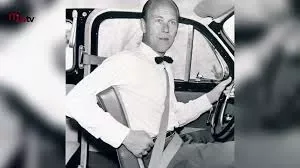
Nils Bohlin
Born17 Jul, 1920
Died26 Sep, 2002
NationalitySwedish
Age at time of death82
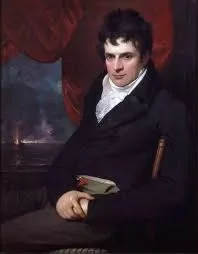
Robert Fulton
Born14 Nov, 1765
Died24 Feb, 1815
NationalityAmerican
Age at time of death49

Eazy-E
Born07 Sep, 1964
Died26 Mar, 1995
NationalityAmerican
Age at time of death30
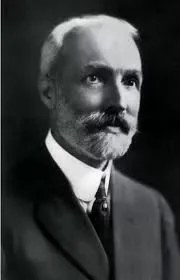
George Dayton
Born06 Mar, 1857
Died18 Feb, 1938
NationalityAmerican
Age at time of death80
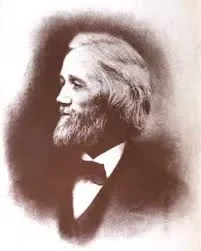
Christopher Latham Sholes
Born14 Feb, 1819
Died17 Feb, 1890
NationalityAmerican
Age at time of death71

Paul Allen
Born21 Jan, 1953
Died15 Oct, 2018
NationalityAmerican
Age at time of death65
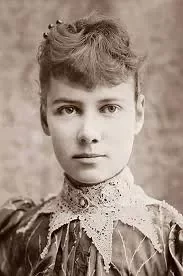
Nellie Bly
Born05 May, 1864
Died27 Jan, 1922
NationalityAmerican
Age at time of death57