Real Celebrities Never Die!
OR
Search For Past Celebrities Whose Birthday You Share
Died Age: 87
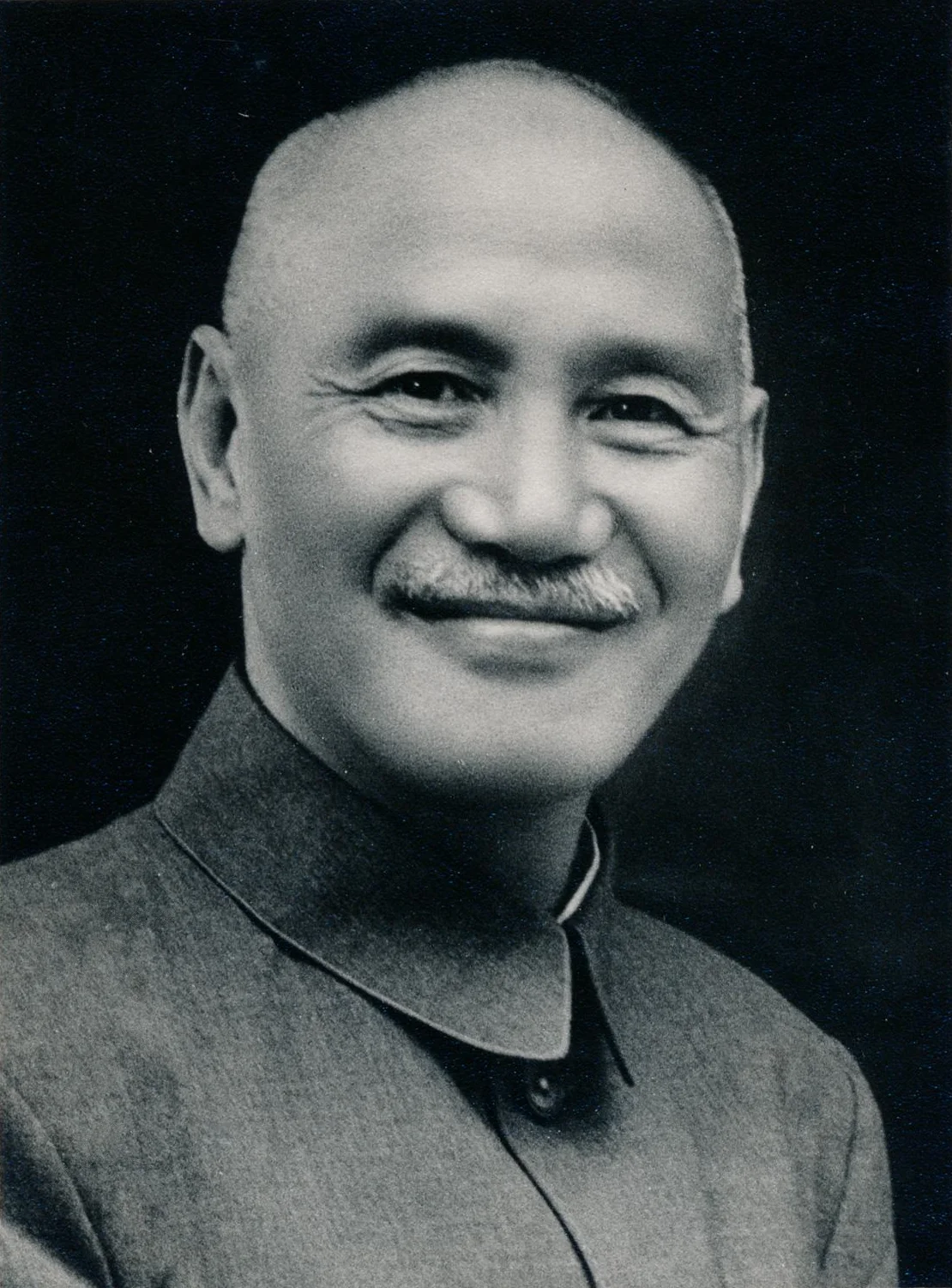
wikimedia.org
Chiang Kai-shek
Birthday:
30 Oct, 1887
Date of Death:
05 Apr, 1975
Cause of death:
Heart attack
Nationality:
Chinese
Famous As:
Military Leader
Age at the time of death:
87
Chiang Jieshi's Quote's

“If we do not eliminate the Communists, the Communists will eliminate us.”
Chiang Jieshi
🔗 deadcelebrityhub.com
Chiang Kai-shek: Early Life and Education
Chiang Kai-shek, or Jiang Jieshi as he’s also known, stands out as one of the big names in modern China’s story. He came into the world on October 31, 1887, in Xikou, a little town in Fenghua, Zhejiang province, where his family made a living as salt merchants. He experienced both positive and negative events growing up; his father died when he was young, forcing his mother to overcome various challenges. Chiang’s mom, a model of Confucian strength, instilled in him a toughness that fueled his ambition and aspirations. Even as a kid, Chiang was drawn to soldiering. In 1906, he signed up at the Baoding Military Academy up in North China, then took his training further at the Imperial Japanese Army Academy in Tokyo. During his time in Japan (1907-1911), he encountered many people who were actively discussing the overthrow of the Qing dynasty. That event sparked a fire within him, transforming him into a staunch republican eager to be disruptive. News of the uprisings at home in 1911 prompted Chiang’s immediate return to China, where he joined the fight against the Qing. Throughout the turbulent years ahead, he remained committed to Republican ideals, increasingly dedicated to altering China’s trajectory.
Personal Life
Chiang’s personal story had as many twists as his political one. On December 1, 1927, he wed Soong Mei-ling, a prominent figure in Chinese circles. Initially, their marriage faced some challenges due to their different backgrounds—he was a divorced Buddhist, she a Christian—but he converted to Christianity to appease her family. Their almost fifty-year relationship made them a popular topic in China’s modern history. Mei-ling wasn’t just a bystander; she actively translated and advised him in his external affairs.
Professional Career and Achievements
Chiang Kai-shek’s quick rise through the ranks occurred during the 1926-1928 Northern Expedition, which aimed to unite China under Nationalist control. By 1928, he had become the head of the Nationalist government based in Nanjing. This began the “Nanjing Decade,” a time when he focused on improving China by constructing new roads and buildings and implementing economic adjustments. His career presented many difficulties. From the late 1920s through the early 1930s, he fought against Mao Zedong’s Communists in China’s Civil War. The Japanese invasion of 1937 led to a reluctant partnership with Communists against WWII aggressors. While navigating China through turmoil, he forged alliances with the U.S. and Western allies, despite criticism regarding his administration’s corruption and mistakes. After the war wrapped in 1945, the Nationalists and Communists went right back to fighting. In 1949, Mao gained dominance, resulting in Chiang’s retreat to Taiwan along with his loyal followers. There, he formed a government-in-exile, implemented martial law, and self-proclaimed himself president of the Republic of China. Despite his strict management style, he initiated economic changes that led to Taiwan’s economic success.
Major Contributions and Legacy
Chiang Kai-shek’s legacy is significant yet deeply divisive. The mainland remembers him for fixing roads and his attempts at unifying a divided China. His firm leadership in Taiwan is credited with consistent growth and stability, although it wasn’t without criticism. China’s involvement with the Allies was amplified by his World War II service. However, his name is associated with controversy—rumors of corrupt practices in his administration and his harsh treatment of dissenters, both domestically and later in Taiwan. The loss of the mainland to the Communists is a watershed moment that continues to be discussed.
Death and Legacy
Chiang Kai-shek passed away on April 5, 1975, at Taipei Veterans General Hospital due to heart failure, kidney disease, and pneumonia. His age was 87. His funeral drew a massive, mournful crowd in Taiwan, even with his controversial legacy. Even today, the story of Chiang Kai-shek provokes ongoing discussions on the definition of being Chinese and Taiwan’s place in relation to the mainland. He is seen by many as a fighter who rose to the occasion against overwhelming odds.
Profile Snapshot
Name:
Chiang Jieshi
Popular Name:
Chiang Kai-shek
Gender:
Male
Cause of Death:
Heart attack
Spouse:
Soong Mei-ling
Place of Birth:
Xikou, Zhejiang Province, China
Place of Death:
Taipei, Taiwan
Occupation / Profession:
Military Leader
Politician
President
Personality Type
Commander Bold, imaginative and strong-willed leaders, always finding a way – or making one. Chiang’s decisive leadership, strategic vision, and commanding presence align with the “Commander” type, reflecting his authoritative and goal-driven nature.
Chiang Jieshi's Interesting Facts
After losing the civil war, he retreated to Taiwan, where he ruled until his death in 1975.
Chiang Kai-shek was a Chinese nationalist leader and military figure who led the Republic of China from 1928 to 1949.
Chiang supported the Chinese resistance against Japan during the invasion of Manchuria.
He attempted to reunify China through the Northern Expedition and became its first president.
He is controversial for his role in political repression, corruption, and his efforts to modernize China and Taiwan.
Achievements & Awards
Established the Republic of China government in Taiwan in 1949.
Led the Northern Expedition to unify China in 1926-1928.
Received the Order of the Blue Sky and White Sun.
Served as Generalissimo during World War II.
External Links
Additional Links
https://en.wikipedia.org/wiki/Death_and_state_funeral_of_Chiang_Kai-shekhttps://study.com/academy/lesson/chiang-kai-shek-biography-facts.htmlhttps://www.bdcconline.net/en/stories/jiang-jieshi/https://www.britannica.com/biography/Chiang-Kai-shekhttps://www.historynet.com/chiang-kai-shek-facts/https://www.scmp.com/lifestyle/arts-culture/article/3084026/mysterious-russian-wife-chiang-kai-shek-son-and-former
Latest Profiles
People also viewed
Gerald Ford
Born14 Jul, 1913
Died26 Dec, 2006
NationalityAmerican
Age at time of death93
Victor Hugo
Born26 Feb, 1802
Died22 May, 1885
NationalityFrench
Age at time of death83
George Murphy
Born04 Jul, 1902
Died03 May, 1992
NationalityAmerican
Age at time of death89
P. T. Barnum
Born05 Jul, 1810
Died07 Apr, 1891
NationalityAmerican
Age at time of death80
Rajendra Prasad
Born03 Dec, 1884
Died28 Feb, 1963
NationalityIndian
Age at time of death78
Nelson Rockefeller
Born08 Jul, 1908
Died26 Jan, 1979
NationalityAmerican
Age at time of death70

Ethan Allen
Born21 Jan, 1738
Died12 Feb, 1789
NationalityAmerican
Age at time of death51
Herbert Hoover
Born10 Aug, 1874
Died20 Oct, 1964
NationalityAmerican
Age at time of death90

Jacques Delors
Born20 Jul, 1925
Died27 Dec, 2023
NationalityFrench
Age at time of death98
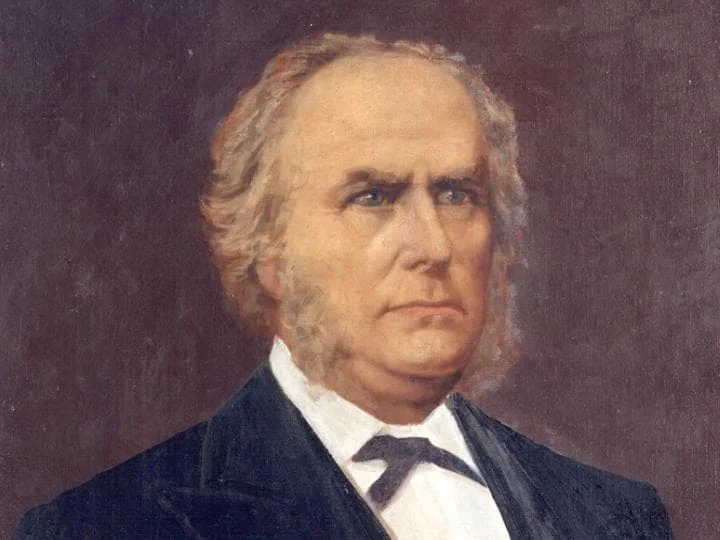
James Harrison
Born17 Apr, 1816
Died03 Sep, 1893
NationalityScottish,Australian
Age at time of death77

Menachem Begin
Born16 Aug, 1913
Died09 Mar, 1992
NationalityIsraeli
Age at time of death78
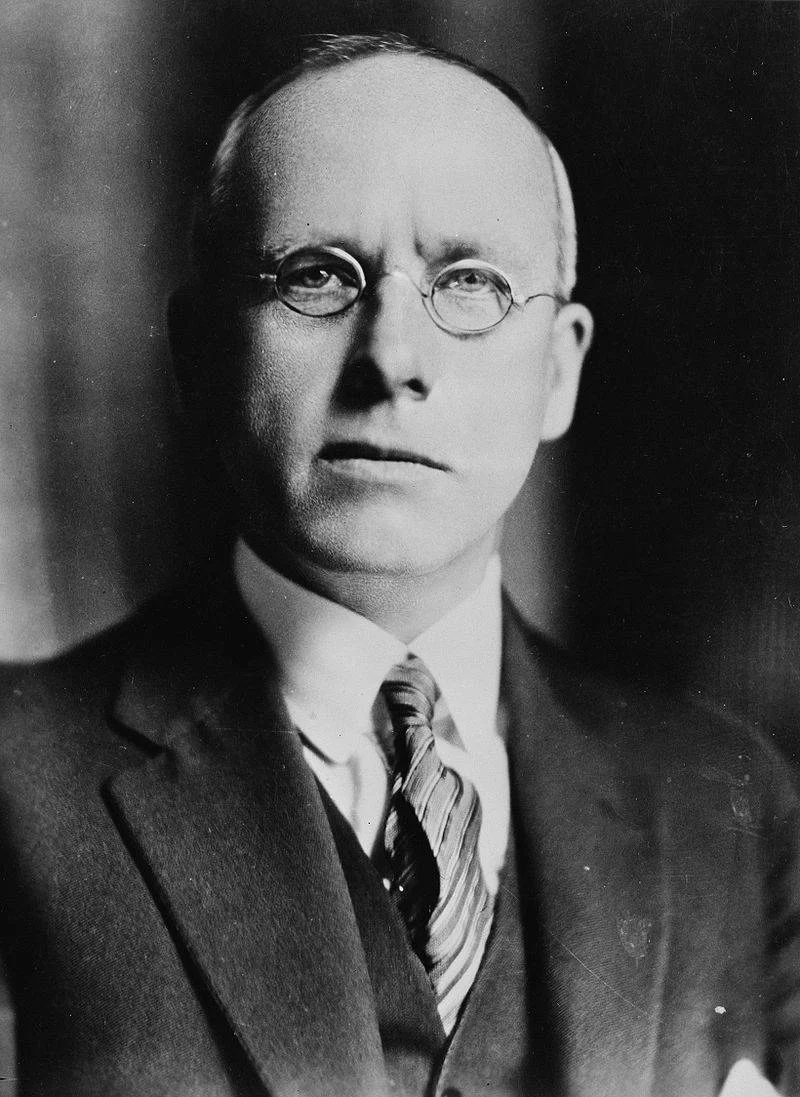
Peter Fraser
Born28 Aug, 1884
Died12 Dec, 1950
NationalityNew Zealand
Age at time of death66
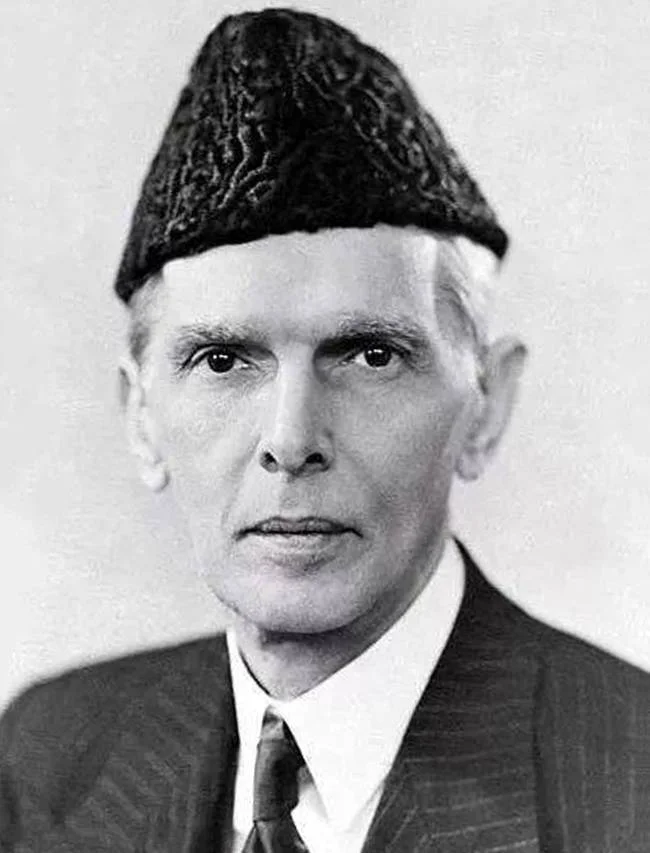
Muhammad Ali Jinnah
Born25 Dec, 1876
Died11 Sep, 1948
NationalityPakistani
Age at time of death71
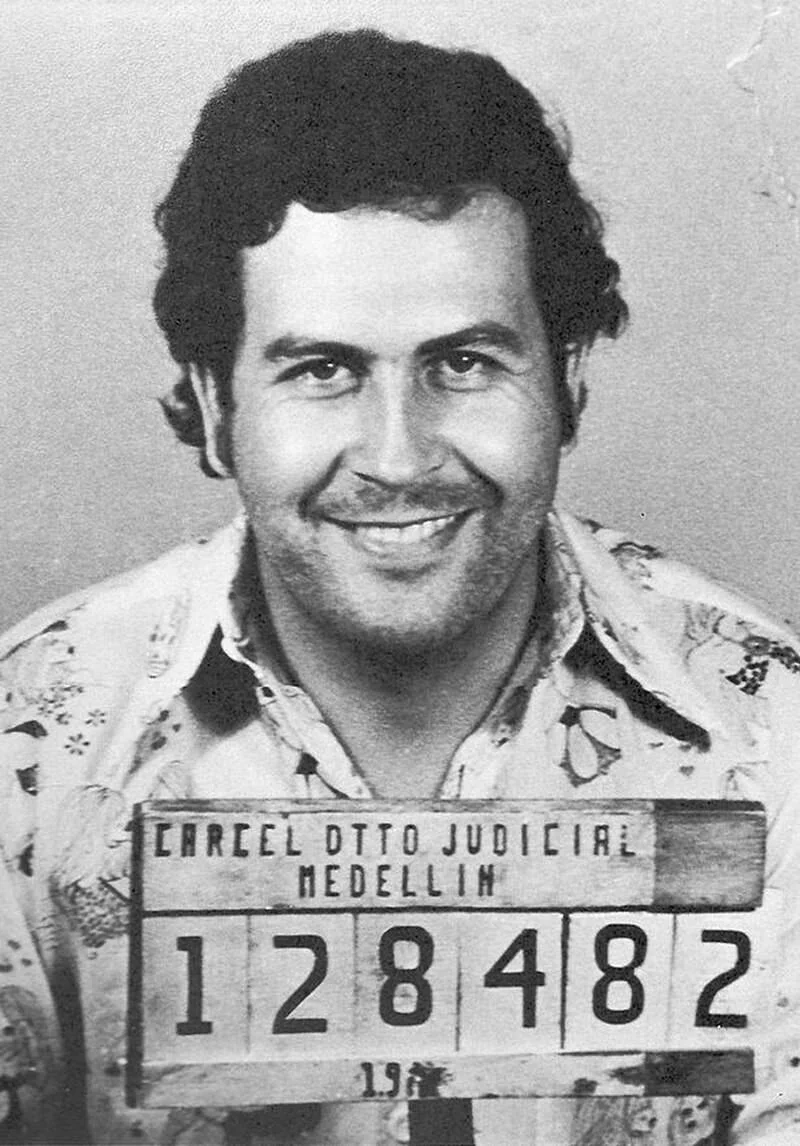
Pablo Escobar
Born01 Dec, 1949
Died02 Dec, 1993
NationalityColombian
Age at time of death44
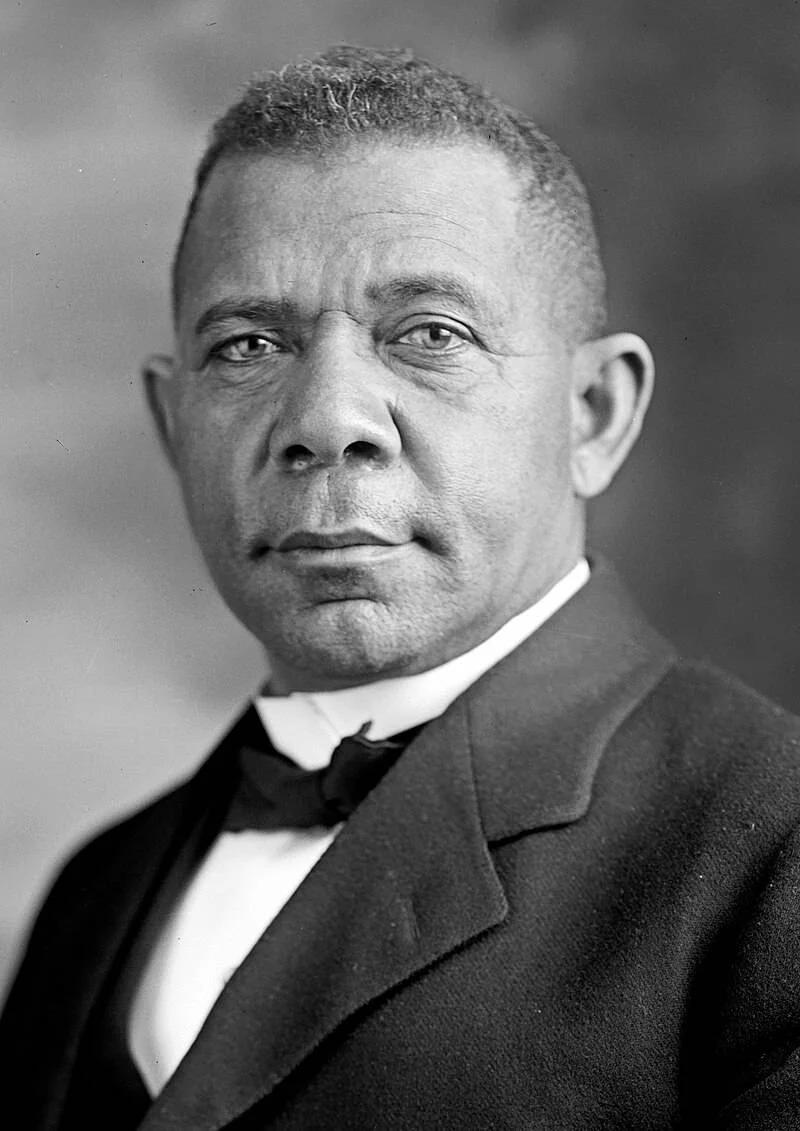
Booker T. Washington
Born05 Apr, 1856
Died14 Nov, 1915
NationalityAmerican
Age at time of death59
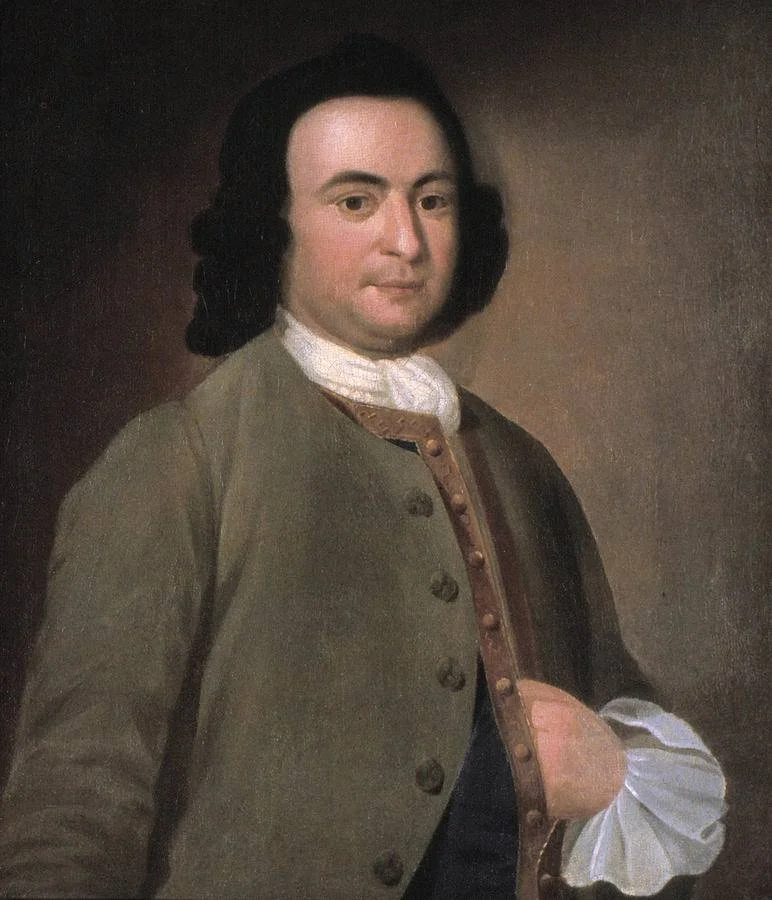
George Mason
Born11 Dec, 1725
Died07 Oct, 1792
NationalityAmerican, British
Age at time of death66
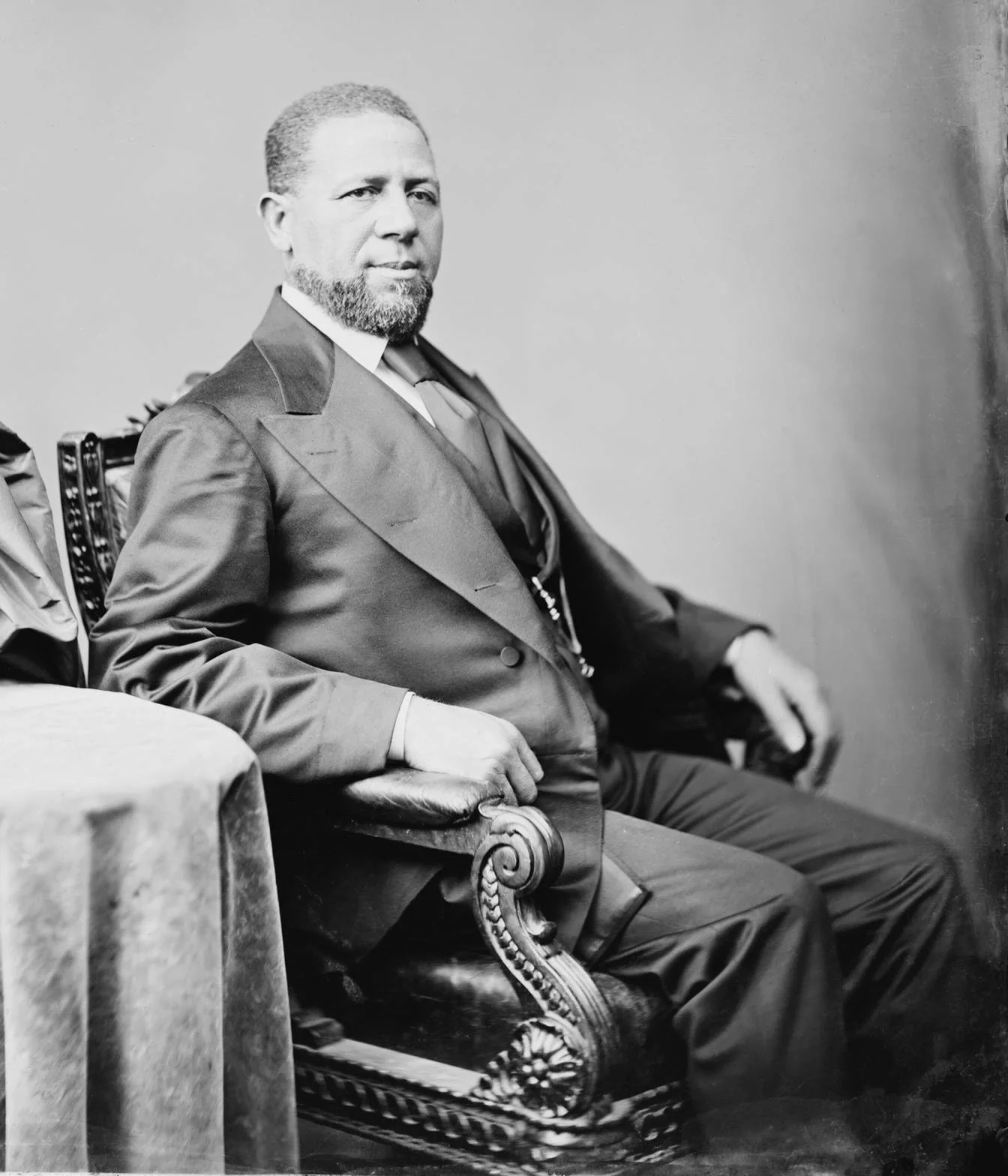
Hiram R. Revels
Born27 Sep, 1827
Died16 Jan, 1901
NationalityAmerican
Age at time of death73

Sheikh Mujibur Rahman
Born17 Mar, 1920
Died15 Aug, 1975
NationalityIndian, Pakistani, Bangladeshi
Age at time of death55
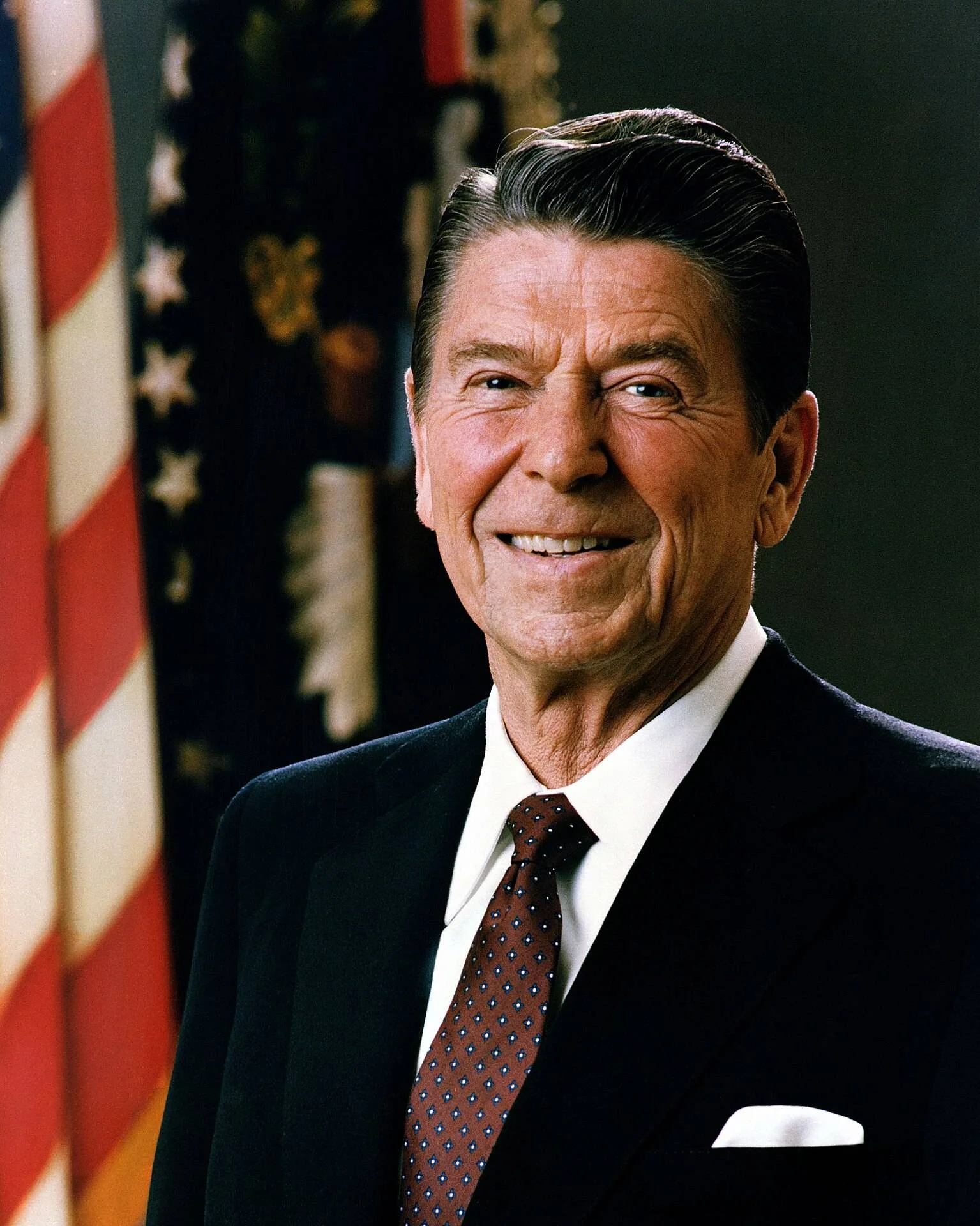
Ronald Reagan
Born06 Feb, 1911
Died05 Jun, 2004
NationalityAmerican
Age at time of death93
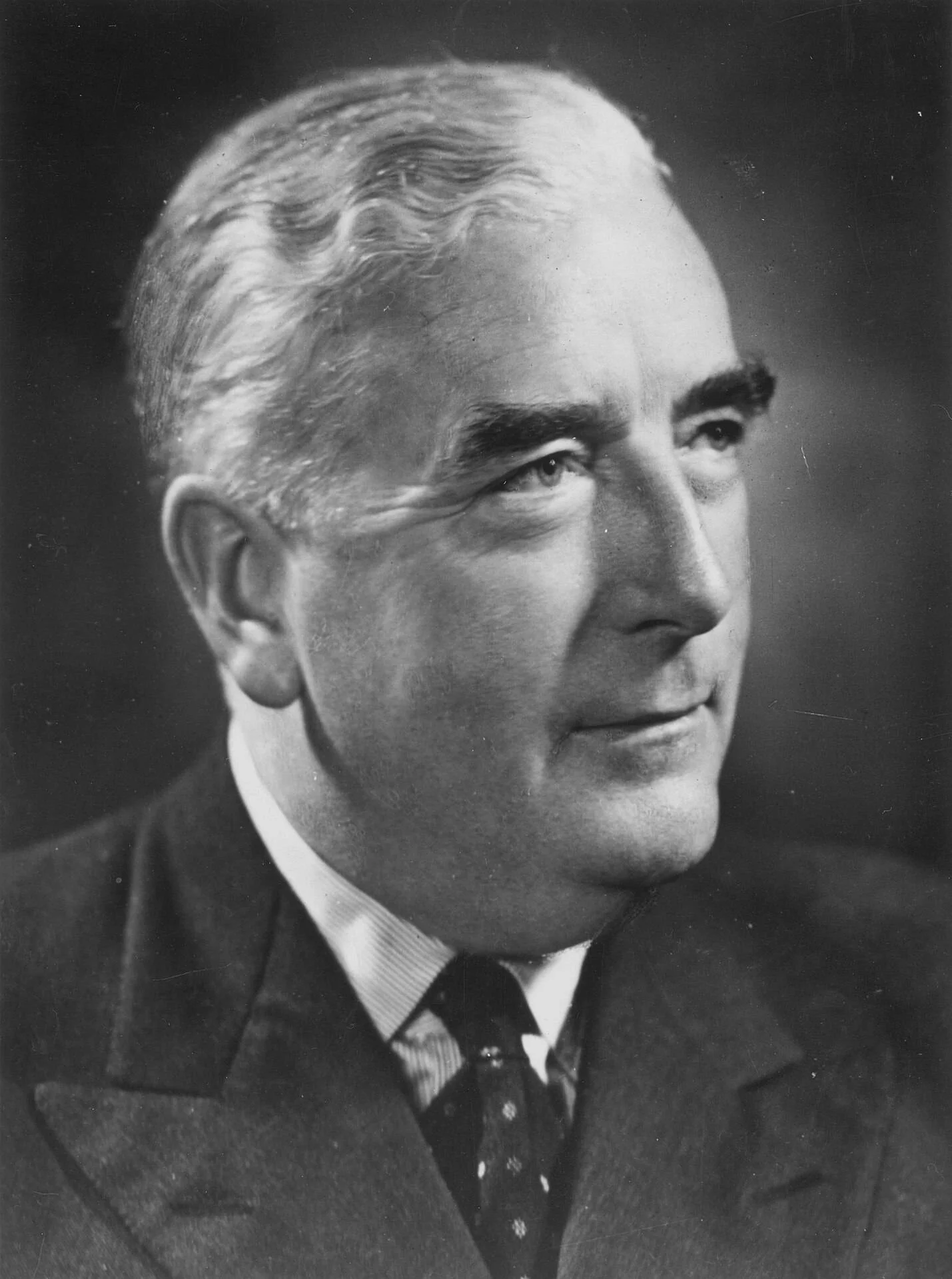
Robert Menzies
Born20 Dec, 1894
Died15 May, 1978
NationalityAustralian
Age at time of death83