Real Celebrities Never Die!
OR
Search For Past Celebrities Whose Birthday You Share
Died Age: 91
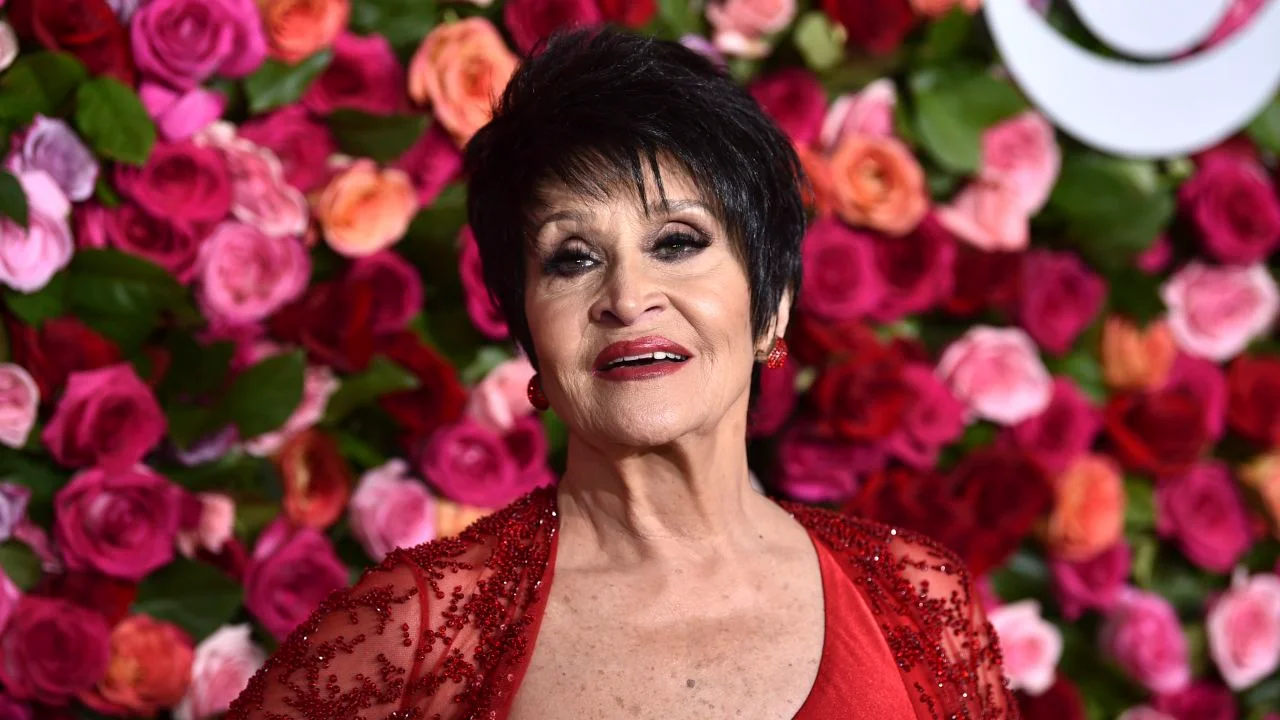
edition.cnn.com
Chita Rivera
Birthday:
22 Jan, 1933
Date of Death:
29 Jan, 2024
Cause of death:
Car accident
Nationality:
American
Famous As:
American actress
Age at the time of death:
91
Dolores Conchita Figueroa del Rivero 's Quote's

“I don't see the camaraderie [on Broadway] as much anymore. Everyone wants to be a soloist before really learning how to relate. When you can relate to the person next to you without words and be alive, when you can keep the energy and interest going, it is magical.”
Dolores Conchita Figueroa del Rivero
🔗 deadcelebrityhub.com
Early Life: From Washington’s Streets to the Stage’s Spotlight
Chita Rivera didn’t just perform on stage—she ignited it. With every spin, kick, and belted note, she redefined what it meant to be a triple-threat on Broadway. Fierce, elegant, and unforgettable, Rivera broke barriers for Latinas in American theater and became a living embodiment of musical theatre’s golden era. Her legacy is one of stamina, brilliance, and reinvention—a career that spans decades, yet never once lost its electricity.
Born Dolores Conchita Figueroa del Rivero Montestuco Florentina Carnemacaral del Fuente on January 23, 1933, in Washington, D.C., Chita Rivera was one of five children in a Puerto Rican-American family. Her father, a musician in the U.S. Navy, died when she was just seven years old, leaving her mother to raise the family. Music remained in the household, however—woven into everyday life like a secret rhythm only Chita seemed to hear fully.
As a child, she was spirited and always in motion—climbing, running, leaping before looking. At 11, in an effort to channel that boundless energy, her mother enrolled her in ballet classes at the Jones-Haywood School of Ballet. That decision, made to tame her wild streak, would end up charting the course of a Broadway legend.
Education: Finding Her Center at the School of American Ballet
Rivera’s talent was evident early, and by the age of 17, she had earned a scholarship to the School of American Ballet in New York City—an institution founded by the legendary George Balanchine. There, she trained in classical ballet, mastering discipline and precision, but it was her natural flair for performance that began to set her apart.
Although she could have pursued a career in classical dance, Broadway called with its siren song of storytelling, song, and stylized movement. She left behind the strict confines of ballet for the jazz-infused vitality of musical theatre—a choice that would shape the next 70 years of her life.
Career Journey: Breaking Barriers and Making Broadway History
Early Breakthroughs: From Ensemble to Star
Rivera made her Broadway debut in Call Me Madam (1950), as part of the ensemble. Her breakthrough came just a few years later when she was cast as Anita in Leonard Bernstein and Stephen Sondheim’s West Side Story (1957). With her powerful dancing and fiery delivery, Rivera turned Anita into a cultural icon. It wasn’t just a role—it was a revolution. She was one of the first Latinas to originate a leading part in a major Broadway production, and her performance brought a bold, defiant energy that helped define the show’s legacy.
Trivia: Jerome Robbins, the show’s legendary choreographer, was so taken with her audition that he said she “moved like water—fast, fierce, impossible to stop.”
The Golden Years: Broadway Royalty
Throughout the 1960s and '70s, Rivera solidified her place as Broadway royalty with starring roles in Bye Bye Birdie (1960), Bajour (1964), Chicago (1975), and more. In Chicago, she originated the role of Velma Kelly, opposite Gwen Verdon. The show’s razzle-dazzle and sultry choreography became emblematic of Rivera’s range—glamorous yet grounded, sexy yet smart.
But Rivera was not just a dancer. She was a formidable actress and singer, often playing women who were fierce, witty, and unapologetically in charge. Her performances radiated confidence, even as the industry remained slow to embrace diversity.
Challenges and Triumphs: The Comeback Queen
In 1986, tragedy struck when Rivera was involved in a devastating car accident that shattered her left leg. Many thought it would end her career. But they didn’t know Chita.
After grueling physical therapy and immense willpower, she returned to the stage less than a year later—dancing, as always, like she had something to prove. Her resilience became part of her legend.
In 1993, she starred in Kiss of the Spider Woman, earning a Tony Award for her haunting, complex portrayal of a ghostly cabaret diva. It was a role that seemed to echo her own story—a woman refusing to be erased, even by death.
Later Career: Honors, Tours, and a Final Bow
Rivera continued performing well into her 80s, starring in Nine, The Visit, and national tours of her own revue, Chita Rivera: The Dancer’s Life. In 2002, she became the first Latina to receive a Kennedy Center Honor, and in 2009, President Barack Obama awarded her the Presidential Medal of Freedom.
Fun fact: She was nominated for a Tony Award 10 times, winning twice, and had roles written specifically for her by Broadway legends like Kander and Ebb.
Personal Life: Family, Fortitude, and Fierce Friendship
Rivera married dancer Tony Mordente in 1957, and they had one daughter, Lisa, herself a dancer and singer. The marriage ended in divorce, but Rivera never let heartbreak slow her stride.
Friends and colleagues often described her as loyal, sharp-witted, and fiercely independent. She had a reputation for mentoring younger performers and always bringing joy—and a touch of diva sparkle—to the rehearsal room.
Offstage, she loved cooking, classic film musicals, and, reportedly, a good game of poker. But the stage was always her truest home.
Legacy: The Rhythm That Won’t Stop
Chita Rivera didn’t just dance on Broadway—she left footprints. She shattered ceilings for Latinx performers, redefined what a leading lady could be, and proved time and again that artistry knows no expiration date.
More than just her roles, her resilience—bouncing back from injury, demanding better representation, embracing change—became an inspiration across generations. She paved the way for countless artists of color, and did so with elegance, grit, and unstoppable grace.
As long as Broadway has a heartbeat, it will echo with Chita Rivera’s rhythm. She was—and will always be—the dancer who dared to lead, the woman who kept coming back, and the legend who showed us how to stand tall, spin fast, and never apologize for taking center stage.
Profile Snapshot
Name:
Dolores Conchita Figueroa del Rivero
Popular Name:
Chita Rivera
Gender:
Female
Cause of Death:
Car accident
Spouse:
Tony Mordente
Place of Birth:
Washington, D.C., U.S.
Place of Death:
New York City, U.S.
Occupation / Profession:
American actress
Dancer
Singer
Personality Type
Entrepreneur: Chita Rivera was a dynamic, fearless showwoman who blends instinctive stagecraft with disciplined professionalism—thriving in the spotlight, embracing challenges with bold creativity, and inspiring through both presence and performance.
Dolores Conchita Figueroa del Rivero 's Interesting Facts
Chita Rivera was the first Latina to receive a Kennedy Center Honor, recognizing her lifetime contribution to American culture.
She originated the iconic role of Anita in the original 1957 Broadway production of West Side Story.
In 2009, she was awarded the Presidential Medal of Freedom, the highest civilian honor in the United States.
With a career spanning over seven decades, Chita Rivera was nominated for ten Tony Awards and won twice—for The Rink and Kiss of the Spider Woman.
Achievements & Awards
Chita Rivera received major recognition throughout her career, including two top honors for leading roles in musicals and a total of ten nominations in that category.
She also made history as the first Latina to be celebrated by a prestigious national arts program and was later awarded one of the highest civilian honors in the United States.
In 2018, her lifelong contributions to theater were formally celebrated with a special career-spanning award.
External Links
Additional Links
Latest Profiles
People also viewed
Jimi Hendrix
Born27 Nov, 1942
Died18 Sep, 1970
NationalityAmerican
Age at time of death27

Jesse Powell
Born12 Sep, 1971
Died13 Sep, 2022
NationalityAmerican
Age at time of death51
George Harrison
Born25 Feb, 1943
Died29 Nov, 2001
NationalityBritish
Age at time of death58
Tony Bennett
Born03 Aug, 1926
Died21 Jul, 2023
NationalityAmerican
Age at time of death96
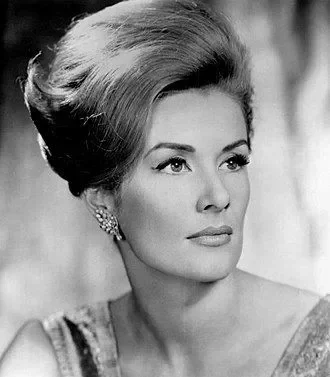
Sally Ann Howes
Born20 Jul, 1930
Died19 Dec, 2021
NationalityBritish, American
Age at time of death91
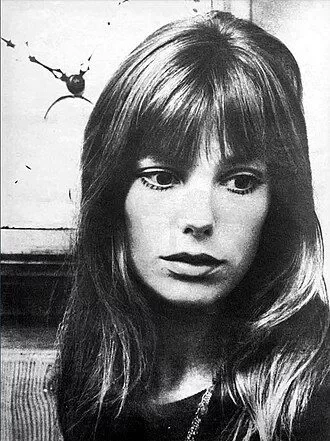
Jane Birkin
Born14 Dec, 1946
Died16 Jul, 2023
NationalityBritish, French
Age at time of death76

Chester Bennington
Born20 Mar, 1976
Died20 Jul, 2017
NationalityAmerican
Age at time of death41
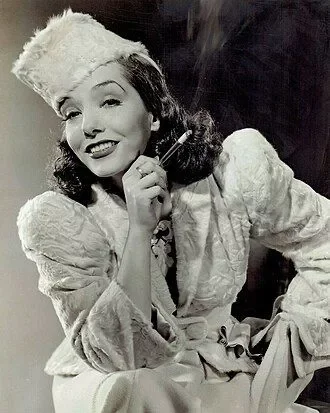
Lupe Vélez
Born18 Jul, 1908
Died14 Dec, 1944
NationalityMexican
Age at time of death36
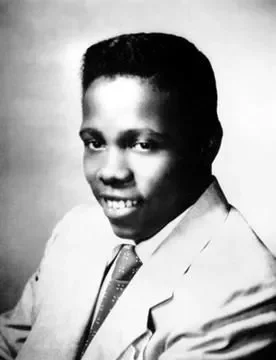
Johnny Ace
Born09 Jun, 1929
Died25 Dec, 1954
NationalityAmerican
Age at time of death25
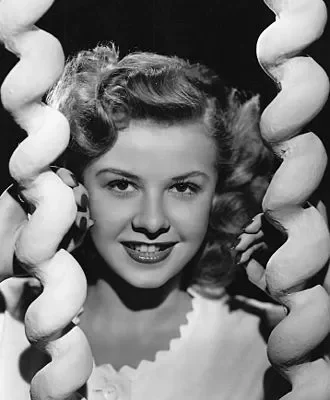
Vera-Ellen
Born16 Feb, 1921
Died30 Aug, 1981
NationalityAmerican German
Age at time of death60
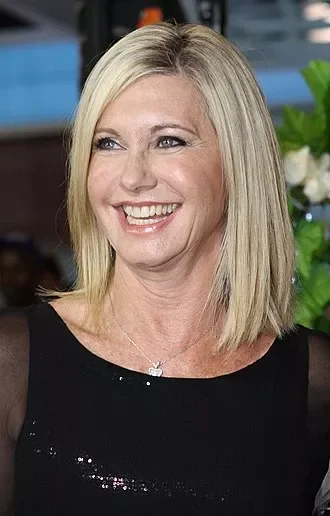
Olivia Newton-John
Born26 Sep, 1948
Died08 Aug, 2022
NationalityBritish, Australian
Age at time of death73
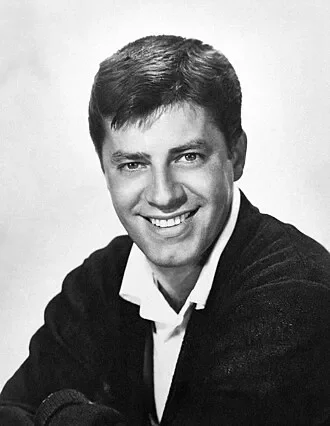
Jerry Lewis
Born16 Mar, 1926
Died20 Aug, 2017
NationalityAmerican
Age at time of death91
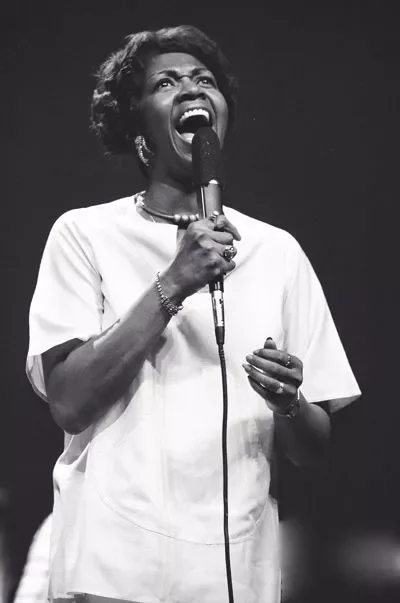
Cissy Houston
Born30 Sep, 1933
Died07 Oct, 2024
NationalityAmerican
Age at time of death91
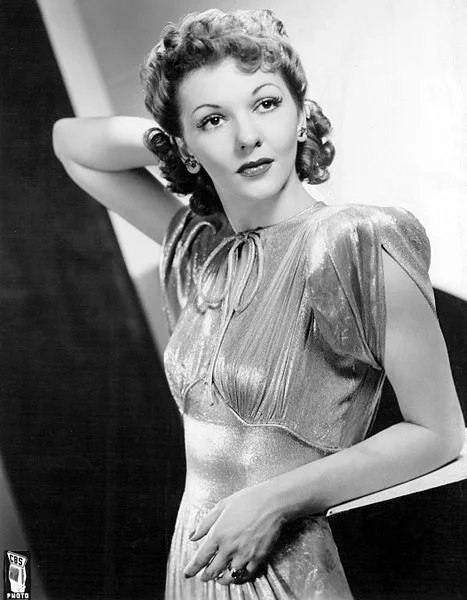
Mary Martin
Born01 Dec, 1913
Died03 Nov, 1990
NationalityAmerican
Age at time of death76
Jim Morrison
Born08 Dec, 1943
Died03 Jul, 1971
NationalityAmerican
Age at time of death27
Christopher Lee
Born27 May, 1922
Died07 Jun, 2015
NationalityBritish
Age at time of death93

Biz Markie
Born08 Apr, 1964
Died16 Jul, 2021
NationalityAmerican
Age at time of death57
Billie Holiday
Born07 Apr, 1915
Died17 Jul, 1959
NationalityAmerican
Age at time of death44
Barry White
Born12 Sep, 1944
Died04 Jul, 2003
NationalityAmerican
Age at time of death58
Tina Turner
Born26 Nov, 1939
Died24 May, 2023
NationalityAfrican, American
Age at time of death83