Real Celebrities Never Die!
OR
Search For Past Celebrities Whose Birthday You Share
Died Age: 79
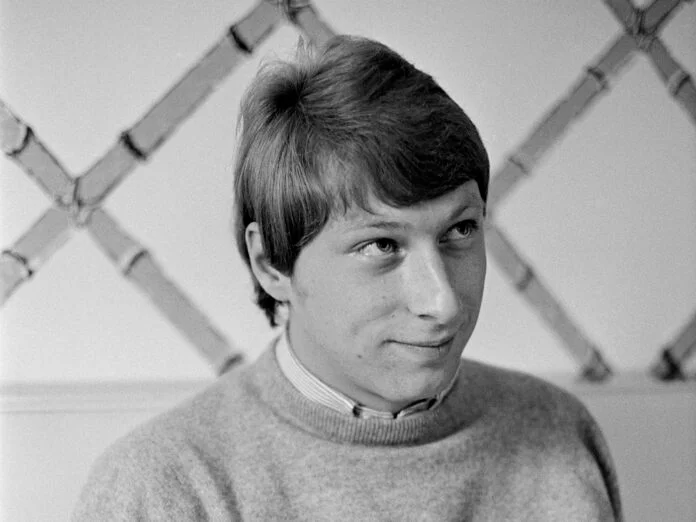
www.uncut.co.uk/
Chris Dreja
Birthday:
10 Nov, 1945
Date of Death:
24 Sep, 2025
Cause of death:
Complications from multiple strokes and chronic obstructive pulmonary disease (COPD)
Nationality:
British
Famous As:
Guitarist; Bassist; Photographer
Age at the time of death:
79
Christopher Walenty Dreja's Quote's

“We were experimenting without realising we were inventing something new.”
Christopher Walenty Dreja
🔗 deadcelebrityhub.com
Early Life: A London Lad in a Time of Change
Chris Dreja’s name may not always dominate the headlines of rock history, but his fingerprints are etched across some of its most defining moments. As rhythm guitarist and later bassist for The Yardbirds—a band that gave the world Eric Clapton, Jeff Beck, and Jimmy Page—Dreja stood at the crossroads of a musical revolution. His quiet determination and versatility helped shape a sound that bridged raw blues, electric experimentation, and the dawn of hard rock.
Born on November 11, 1945, in Surbiton, Surrey, Chris Dreja grew up in postwar Britain—a world rebuilding itself both physically and culturally. The streets buzzed with new ideas, and for Dreja, music became an early refuge and fascination. His family, though not from a musical background, supported his growing passion for the guitar, a passion that would soon align him with a circle of like-minded young men from the suburbs of southwest London.
That circle would eventually form The Yardbirds, a group that began as a local blues outfit but quickly transformed into one of the most influential bands of the 1960s. Dreja, still in his teens, found himself swept up in a creative storm that would alter the course of modern music.
The Yardbirds Years: From Rhythm to Reinvention
The Yardbirds’ rise was meteoric. By 1963, they were lighting up London’s Crawdaddy Club, replacing the Rolling Stones as the house band. Dreja’s solid rhythm guitar became the band’s anchor amid a lineup that would soon include a trio of legendary guitarists—first Eric Clapton, then Jeff Beck, and finally Jimmy Page.
Dreja’s musicianship was unflashy but essential. While others chased blistering solos, he built the scaffolding that made those pyrotechnics possible. His playing can be heard driving classics like “For Your Love” and “Heart Full of Soul,” songs that marked the Yardbirds’ shift from pure blues to a more experimental, psychedelic edge.
In 1966, as the band evolved again, Dreja made a remarkable pivot—switching from rhythm guitar to bass after Paul Samwell-Smith’s departure. That transition, made with little fanfare, showed his adaptability and deep musical intuition. He didn’t just fill a gap; he reshaped the rhythm section, grounding the band’s increasingly wild sound.
The Turning Point: Music to Photography
When The Yardbirds disbanded in 1968, Dreja stood at another creative crossroads. While Jimmy Page went on to form Led Zeppelin, Dreja chose a different artistic path—photography. It was a natural extension of his visual sensibility, one that had long informed his understated stage presence.
In a delightful twist of rock history, Dreja photographed the first lineup of Led Zeppelin for their debut album’s back cover—capturing, quite literally, the moment when one era ended and another began. His eye for composition and atmosphere translated seamlessly from sound to image, and he built a respected career behind the lens.
Personal Life: The Artist Beyond the Spotlight
Away from the stage and studio, Dreja led a relatively private life, marked by a quiet dedication to his craft. Known for his calm demeanour and dry wit, he balanced his creative pursuits with family life, preferring substance over celebrity. Even after years away from the limelight, his ties to music remained strong. When The Yardbirds reunited in the 1990s with drummer Jim McCarty, Dreja returned to his role with enthusiasm, performing and recording with the band into the 2000s.
Legacy: The Quiet Architect of a Musical Era
Chris Dreja’s story is not one of flamboyant solos or public spectacle—it’s a story of constancy, creativity, and evolution. He stood alongside rock’s most celebrated guitarists and held his own with grace, helping shape a band that influenced generations of musicians from Aerosmith to The White Stripes.
Few can claim to have played a part in birthing one of the most transformative movements in rock history, then gone on to capture its next incarnation through a camera lens. Dreja did both. His career reminds us that the foundations of great music are often built by those who work just beyond the spotlight—steady, inventive, and unshakably authentic.
In the grand tapestry of British rock, Chris Dreja remains the thread that ties together the blues roots of the early ’60s and the hard-edged experimentation that followed. His legacy endures not just in the riffs he played, but in the creative spirit he embodied—a true craftsman of both sound and vision.
Profile Snapshot
Name:
Christopher Walenty Dreja
Popular Name:
Chris Dreja
Gender:
Male
Cause of Death:
Complications from multiple strokes and chronic obstructive pulmonary disease (COPD)
Spouse:
Patricia Lalley
Place of Birth:
Surrey, United Kingdom
Place of Death:
London, United Kingdom
Occupation / Profession:
Guitarist; Bassist; Photographer
Personality Type
Mediator: Chris Dreja is the quiet architect of rock’s golden age who built lasting art through patience, intellect, and quiet mastery.
Christopher Walenty Dreja's Interesting Facts
Chris Dreja once turned down Jimmy Page’s offer to join Led Zeppelin as a rhythm guitarist to focus on his photography career.
He designed and took many of the promotional photos for The Yardbirds’ later reunions, merging his twin passions for music and visual art.
Despite being surrounded by legendary guitarists, Dreja remained modest about his own skills, often describing himself as “a rhythm man, not a showman.”
Achievements & Awards
Chris Dreja achieved international recognition as a founding member of The Yardbirds, one of the most influential bands of the 1960s that helped launch the careers of Eric Clapton, Jeff Beck, and Jimmy Page.
With The Yardbirds, Dreja contributed to hit songs such as “For Your Love,” “Heart Full of Soul,” and “Shapes of Things,” which shaped the sound of British rock and blues.
Beyond music, he built a respected second career as a professional photographer, even photographing the first lineup of Led Zeppelin for their debut album cover.
Though not a front-facing celebrity, his work has been honoured through The Yardbirds’ induction into the Rock and Roll Hall of Fame (1992), cementing his place in rock history.
External Links