Real Celebrities Never Die!
OR
Search For Past Celebrities Whose Birthday You Share
Died Age: 60
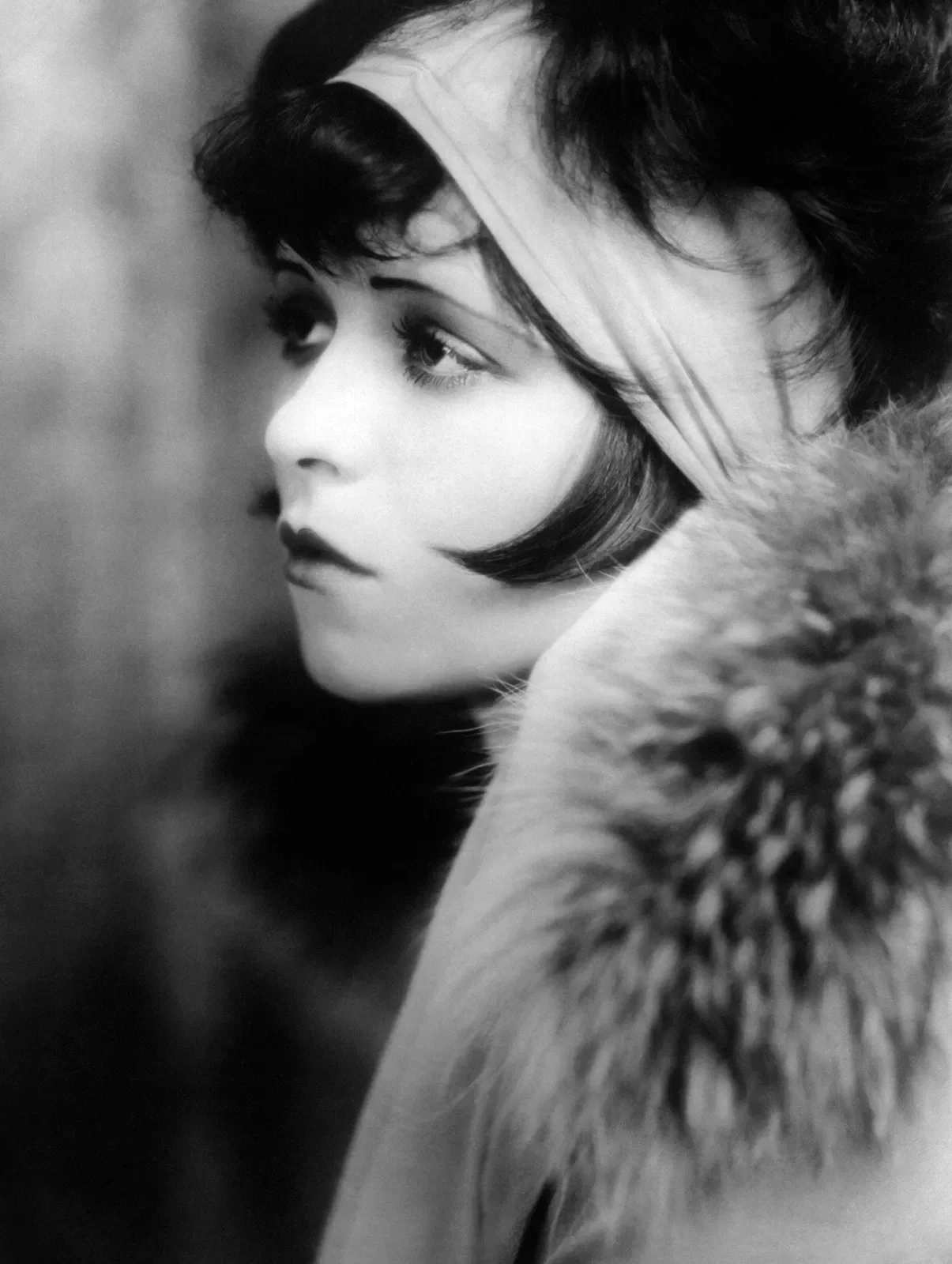
britannica.com
Clara Bow
Birthday:
29 Jul, 1905
Date of Death:
27 Sep, 1965
Cause of death:
Heart Attack
Nationality:
American
Famous As:
American actress
Age at the time of death:
60
Clara Gordon Bow's Quote's

“People used to say that I had a feeling of closeness, a great warmth of loving everybody, that they could tell me their troubles.”
Clara Gordon Bow
🔗 deadcelebrityhub.com
Early Life: From Poverty to Stardom
Clara Bow wasn’t just a star—she was a phenomenon. As the quintessential “It Girl” of the Roaring Twenties, she captivated audiences with her magnetic presence and unbridled charm. With wide, expressive eyes and a vivacious spirit that seemed to leap from the screen, Bow became the embodiment of the flapper, a symbol of modernity and liberation in Hollywood’s silent film era. But behind the glamour and allure lay a story of resilience and triumph over adversity, one that shaped her into one of the most iconic figures of early cinema.
Clara Gordon Bow was born on July 29, 1905, in a Brooklyn tenement, surrounded by hardship and strife. Her father, Robert Bow, was largely absent, drifting from job to job, while her mother, Sarah, struggled with mental illness, leaving Clara to navigate a tumultuous childhood. Tragedy marked her early years when her mother, in a fit of psychosis, attempted to kill her, forever imprinting fear and sadness onto Clara’s soul.
Despite the darkness at home, Clara found solace in the fantasy of film. She knew she wanted more than the life laid out before her—she craved the freedom and joy that flickered across the silver screen. In 1921, at just 16, Clara entered a magazine beauty contest, never imagining it would be her ticket out of Brooklyn. Winning the competition led to a minor film role in Beyond the Rainbow (1922), but it was just the beginning. Her raw talent and undeniable screen presence soon caught the eye of Hollywood executives.
The Rise to Fame: Hollywood’s Flapper Queen
As the film industry transitioned from quaint dramas to spirited jazz-age romps, Clara Bow became the face of a generation hungry for excitement and liberation. She had an energy that was both unpolished and electric—exactly what audiences craved. The 1927 film It cemented her status as the definitive “It Girl,” a term coined to describe someone with a magnetic, unexplainable charm. Clara was effortlessly modern, daring, and utterly captivating, embodying the spirit of the Roaring Twenties.
She followed up with hits like Wings (1927), which won the first-ever Academy Award for Best Picture, and Mantrap (1926), solidifying her role as Paramount Pictures’ biggest star. At the height of her fame, she was the highest-paid actress in Hollywood, her face gracing billboards and magazines nationwide.
Yet fame had its cost. Clara’s unguarded nature and carefree attitude clashed with Hollywood’s polished veneer, making her an easy target for scandal. Tabloids thrived on stories of her wild parties and romantic entanglements, painting her as reckless and untamed. Despite the gossip, audiences adored her, and her films remained immensely popular.
The Challenge of Sound: From Silent Sensation to Talkie Trials
With the advent of “talkies,” Clara faced a daunting challenge. While critics speculated that her Brooklyn accent and unrefined delivery would end her career, Clara tackled the transition with her characteristic grit. The Wild Party (1929), her first talking film, proved successful, but the pressure and scrutiny took their toll.
The relentless pace of stardom, combined with ongoing personal struggles, pushed Clara to the brink. In 1931, she walked away from the limelight, disillusioned with an industry that seemed determined to destroy the very soul that made her famous.
Personal Life: Love and Liberation
In 1931, Clara married cowboy actor Rex Bell, finding stability away from the chaos of Hollywood. They settled on a ranch in Nevada, where Clara dedicated herself to family and a quieter life, raising two sons. Though her career had faded, Clara found contentment far from the spotlight.
Legacy: The Original “It Girl”
Clara Bow’s legacy endures as a symbol of rebellion and individuality. She broke the mold of demure femininity, embodying the modern woman who lived by her own rules. Though her career was relatively short, her impact on film and pop culture was monumental.
When looking at Clara Bow’s films today, one sees more than just a glamorous starlet from a bygone era. Her expressive eyes still convey a longing for freedom, a spirit that refused to be crushed despite unimaginable hardship. Bow’s story remains one of resilience and reinvention—proof that the power of raw talent and undeniable charisma can transcend time.
She may have been dubbed the “It Girl,” but Clara Bow was much more—a trailblazer, a survivor, and an unforgettable icon of cinema’s golden age.
Profile Snapshot
Name:
Clara Gordon Bow
Popular Name:
Clara Bow
Gender:
Female
Cause of Death:
Heart Attack
Spouse:
Rex Bell
Place of Birth:
Brooklyn, New York, U.S.
Place of Death:
Culver City, California, U.S.
Occupation / Profession:
American actress
Personality Type
Entertainer: Spontaneous, energetic and enthusiastic people – life is never boring around them. Clara Bow was a vibrant and charismatic star whose spirited personality and captivating presence made her the epitome of Hollywood’s “It Girl.”
Clara Gordon Bow's Interesting Facts
Clara Bow’s legacy as a fashion and cultural icon of the Roaring Twenties remains influential, embodying the spirit of rebellion and modernity of the Jazz Age.
Clara Bow was the ultimate "It Girl" of the 1920s, symbolizing the flapper era with her vibrant personality and captivating presence on screen.
Despite her fame, Bow struggled with the transition to "talkies" due to her thick Brooklyn accent, leading to a decline in her acting career.
She became one of Hollywood’s biggest silent film stars, with her breakout role in It (1927) earning her the nickname "The It Girl."
Achievements & Awards
Clara Bow did not receive major film awards during her career, as most modern film awards did not exist in the silent film era. However, she was one of the most popular and influential actresses of the 1920s and became known as the "It Girl" for her roles in films like It (1927) and Wings (1927).
External Links
Additional Links
Latest Profiles
People also viewed
Renée Victor
Born25 Jul, 1938
Died30 May, 2025
NationalityAmerican
Age at time of death86
Barbara Payton
Born16 Nov, 1927
Died08 May, 1967
NationalityAmerican
Age at time of death39
Ruth Buzzi
Born24 Jul, 1936
Died01 May, 2025
NationalityAmerican
Age at time of death88
Jean Harlow
Born03 Mar, 1911
Died07 Jun, 1937
NationalityJean_Harlow
Age at time of death26
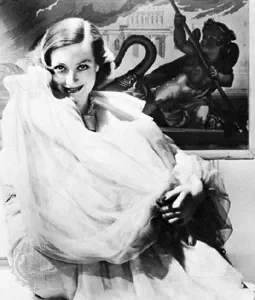
Joan Crawford
Born23 Mar, 1904
Died10 May, 1977
NationalityAmerican
Age at time of death73
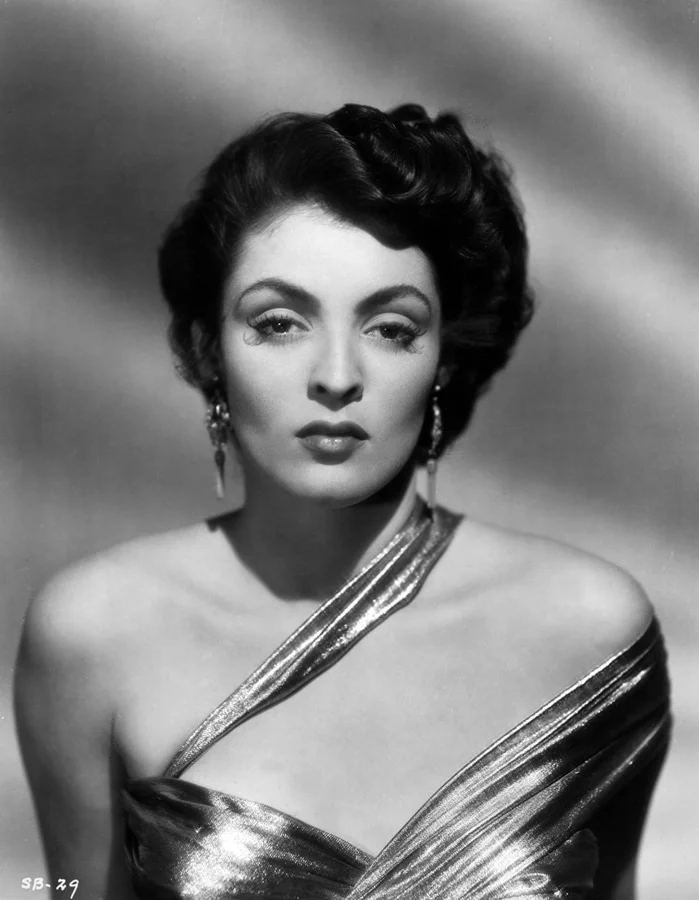
Suzan Ball
Born03 Feb, 1934
Died05 Aug, 1955
NationalityAmerican
Age at time of death21

Kimberly Hébert Gregory
Born06 Dec, 1972
Died02 Oct, 2025
NationalityAmerican
Age at time of death52

Kirstie Alley
Born11 Jan, 1951
Died04 Dec, 2022
NationalityAmerican
Age at time of death71
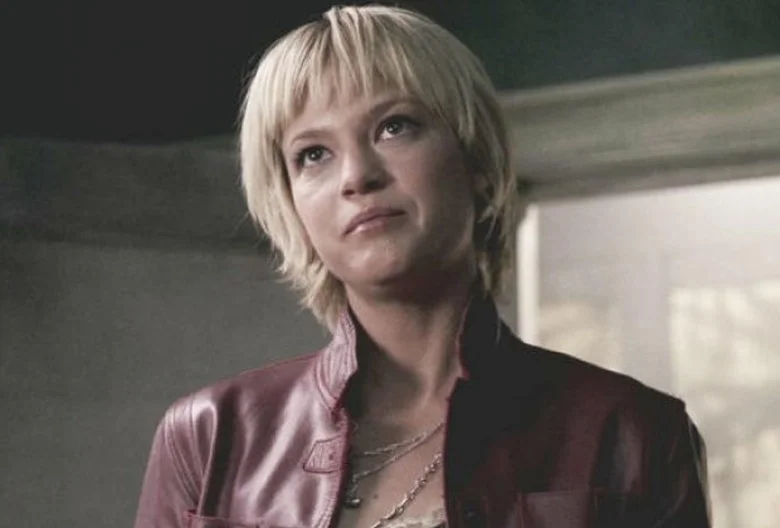
Nicki Aycox
Born25 May, 1975
Died15 Nov, 2022
NationalityAmerican
Age at time of death47

Anne Heche
Born24 May, 1969
Died10 Aug, 2022
NationalityAmerican
Age at time of death53
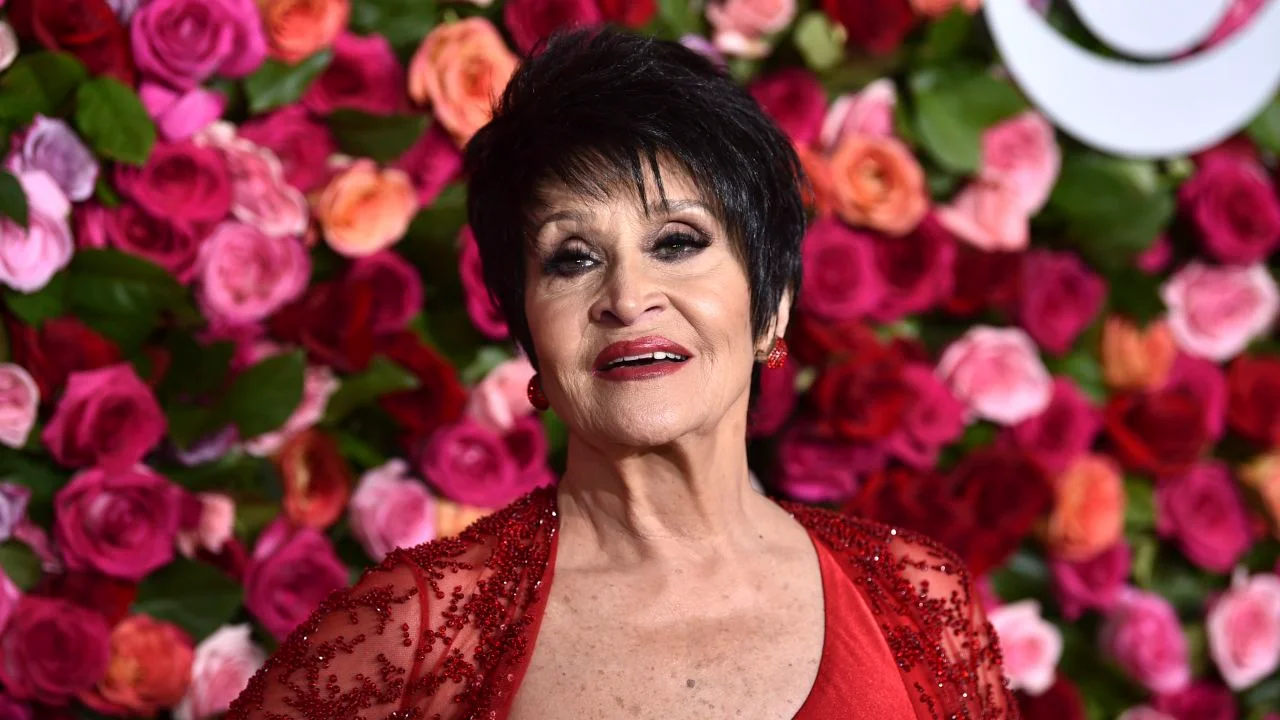
Chita Rivera
Born22 Jan, 1933
Died29 Jan, 2024
NationalityAmerican
Age at time of death91