Real Celebrities Never Die!
OR
Search For Past Celebrities Whose Birthday You Share
Died Age: 69
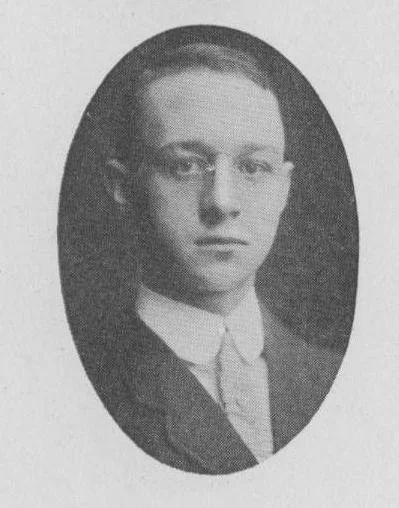
storage.googleapis.com
Clarence Birdseye
Birthday:
08 Dec, 1886
Date of Death:
07 Oct, 1956
Cause of death:
October 7, 1956
Nationality:
American
Famous As:
Entrepreneur
Age at the time of death:
69
Clarence Frank Birdseye II's Quote's

“Good food should never go to waste—preserve it.”
Clarence Frank Birdseye II
🔗 deadcelebrityhub.com
Early Life and Education
Clarence Birdseye, born on December 9, 1886, in Brooklyn, New York, was an American inventor and businessman whose innovations set the stage for the modern frozen foods industry. He developed an early interest in natural science and taxidermy and went on to study biology at Amherst College. His financial difficulties led him to withdraw after two years.
Discovery of Quick-Freezing in Labrador
In 1912, Birdseye became a field naturalist with the U.S. Department of Agriculture, where he was taken to Labrador, Canada. There, he noticed that the Inuit way of preserving newly caught fish was to put them under the cool climate of the region so that they would freeze immediately. When thawed, the fish were still fresh in taste and texture. It was during this period that Birdseye learned that freezing food at very low temperatures was the key to preserving food quality.
Development of the Quick-Freezing Technique
Desiring to reproduce this natural process of quick-freezing, Birdseye came up with the “quick-freeze” technique in 1924. His method was to pack food into cardboard boxes with a coating of wax and place them between two metal plates that were frozen to quickly and evenly freeze the food. This process avoided the creation of big ice crystals that tend to destroy food cells and thus preserved the food’s taste and texture in its natural form.
Founding of General Seafood Corporation
Birdseye established General Seafood Corporation in 1924 to sell his quick-freezing technique in bulk. With early challenges, however, his innovations attracted significant capital investment. Goldman Sachs and the Postum Company (now General Foods Corporation) acquired Birdseye’s patents and trademarks in 1929 for $22 million. The Birds Eye Frosted Foods division was created as a result of the acquisition, helping to introduce frozen foods to Americans.
Revolutionizing the Food Industry
In addition to creating the freezing method, Birdseye also solved the logistics problem of transporting frozen foods. He developed refrigerated railroad cars and store display cases, building the infrastructure needed to deliver frozen foods to the masses. His success transformed the food industry, making seasonal foods available year-round and changing the way people consumed food in America.
Prolific Inventor and Additional Contributions
As a working professional, Birdseye was a prolific inventor with more than 300 patents to his name. His inventions extended beyond food preservation to fields such as lighting, fishing gear, and heating processes. His enthusiastic curiosity and hands-on approach to problem-solving were hallmarks of his work across multiple industries.
Death and Lasting Legacy
Clarence Birdseye died on October 7, 1956, in New York City of a heart attack at age 69. His legacy continues in the frozen foods business that he pioneered, revolutionizing food preservation, distribution, and consumption across the globe.
Profile Snapshot
Name:
Clarence Frank Birdseye II
Popular Name:
Clarence Birdseye
Gender:
Male
Cause of Death:
October 7, 1956
Spouse:
Eleanor Gannett
Place of Birth:
Brooklyn, New York, USA
Place of Death:
Manhattan, New York, USA
Occupation / Profession:
Entrepreneur
Inventor
Naturalist
Personality Type
Debater: Smart and curious thinkers who cannot resist an intellectual challenge. He was known for innovation, exploration, and entrepreneurial drive.
Clarence Frank Birdseye II's Interesting Facts
Birdseye worked as a fur trader in Labrador, where he learned about flash-freezing.
He once ate rattlesnake and alligator to study food preservation.
He tested his freezing methods by preserving fish in subzero temperatures.
His first frozen food venture went bankrupt before his later success.
Achievements & Awards
Developed the quick-freezing process for food (patented 1930).
Founded Birdseye Seafoods Inc. in 1922.
Inducted into the National Inventors Hall of Fame in 2005.
Received over 300 patents in his lifetime.
Sold his company and patents to General Foods for $22 million in 1929.
External Links
Additional Links
https://lemelson.mit.edu/resources/clarence-birdseyehttps://www.amherst.edu/news/node/802955https://www.britannica.com/biography/Clarence-Birdseyehttps://www.hagley.org/research/news/hagley-vault/date-november-3-1952-inventor-entrepreneur-and-naturalist-clarencehttps://www.onthisday.com/people/clarence-birdseyehttps://www.pbs.org/wgbh/theymadeamerica/whomade/birdseye_hi.html
Latest Profiles
People also viewed
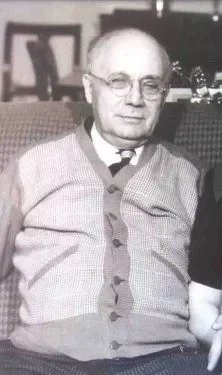
Otto Frederick Rohwedder
Born28 Jul, 1880
Died08 Nov, 1960
NationalityAmerican
Age at time of death80
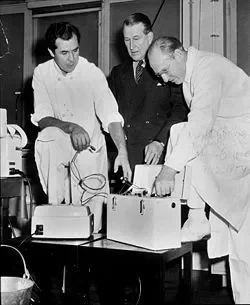
Rune Elmqvist
Born01 Dec, 1906
Died15 Dec, 1996
NationalitySwedish
Age at time of death90
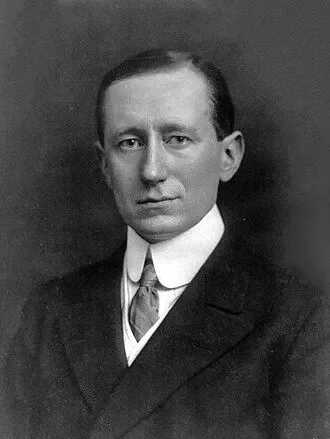
Guglielmo Marconi
Born25 Apr, 1874
Died20 Jul, 1937
NationalityItalian
Age at time of death63
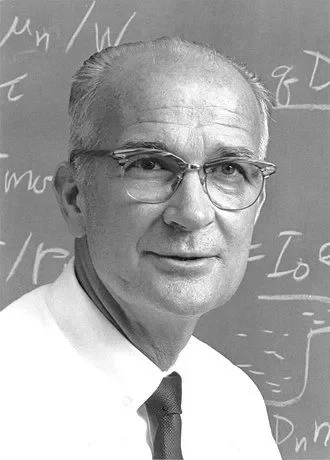
William Shockley
Born13 Feb, 1910
Died12 Aug, 1989
NationalityAmerican
Age at time of death79
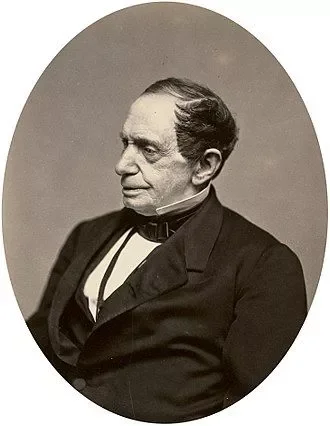
Johns Hopkins
Born19 May, 1795
Died24 Dec, 1873
NationalityAmerican
Age at time of death78
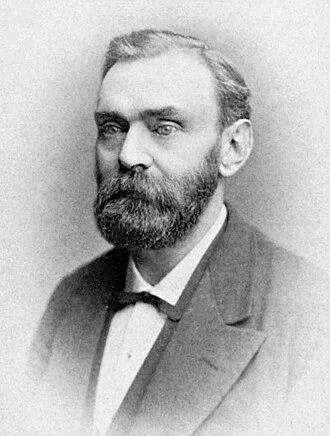
Alfred Nobel
Born21 Oct, 1833
Died10 Dec, 1896
NationalitySwedish
Age at time of death63
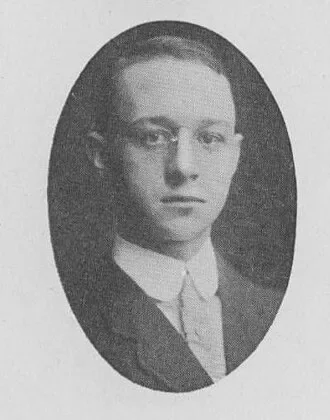
Clarence Birdseye
Born09 Dec, 1886
Died07 Oct, 1956
NationalityAmerican
Age at time of death69
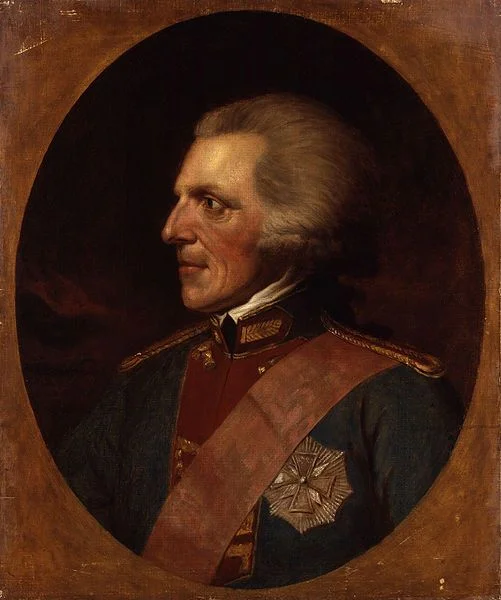
Colonel Sir Benjamin Thompson, Count Rumford
Born26 Mar, 1753
Died21 Aug, 1814
NationalityAmerican, British
Age at time of death61
Thomas Newcomen
Born28 Feb, 1664
Died05 Aug, 1729
NationalityEnglish
Age at time of death65

Gary Kildall
Born19 May, 1942
Died11 Jul, 1994
NationalityAmerican
Age at time of death52
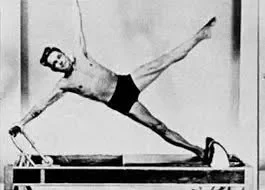
Joseph Pilates
Born09 Dec, 1883
Died09 Oct, 1967
NationalityGerman
Age at time of death83
P. T. Barnum
Born05 Jul, 1810
Died07 Apr, 1891
NationalityAmerican
Age at time of death80
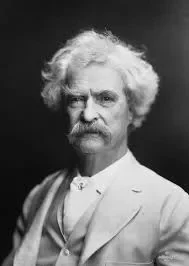
Mark Twain
Born30 Nov, 1835
Died21 Apr, 1910
NationalityAmerican
Age at time of death74
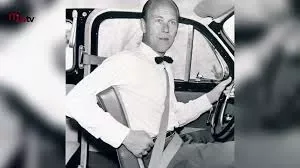
Nils Bohlin
Born17 Jul, 1920
Died26 Sep, 2002
NationalitySwedish
Age at time of death82
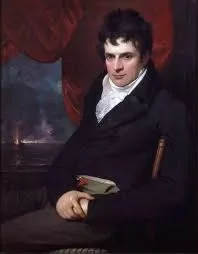
Robert Fulton
Born14 Nov, 1765
Died24 Feb, 1815
NationalityAmerican
Age at time of death49
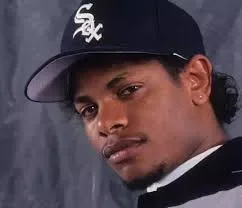
Eazy-E
Born07 Sep, 1964
Died26 Mar, 1995
NationalityAmerican
Age at time of death30
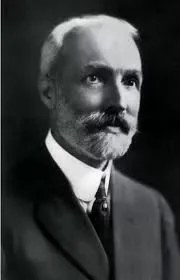
George Dayton
Born06 Mar, 1857
Died18 Feb, 1938
NationalityAmerican
Age at time of death80
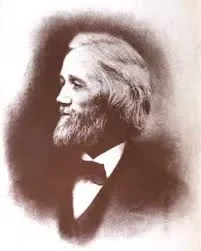
Christopher Latham Sholes
Born14 Feb, 1819
Died17 Feb, 1890
NationalityAmerican
Age at time of death71
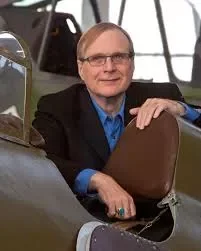
Paul Allen
Born21 Jan, 1953
Died15 Oct, 2018
NationalityAmerican
Age at time of death65
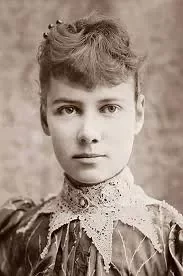
Nellie Bly
Born05 May, 1864
Died27 Jan, 1922
NationalityAmerican
Age at time of death57