Real Celebrities Never Die!
OR
Search For Past Celebrities Whose Birthday You Share
Died Age: 87
ichef.bbci.co.uk
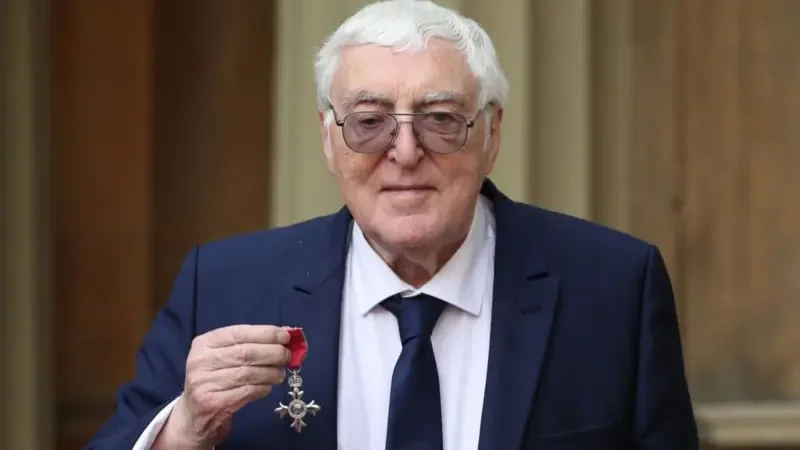
Clive Everton
Birthday:
07 Sep, 1937
Date of Death:
27 Sep, 2024
Cause of death:
Unknown
Nationality:
English
Famous As:
Author
Age at the time of death:
87
Clive Harold Everton 's Quote's

“Snooker is not just a game of potting balls — it's a game of psychology, temperament, and nerve.”
Clive Harold Everton
🔗 deadcelebrityhub.com
Early Life: A Spark of Precision
For decades, the name Clive Everton was synonymous with the sound of snooker. Calm, articulate, and deeply informed, Everton brought a quiet gravitas to a sport that rose from smoky clubs to global television audiences. But he was far more than a commentator—he was a player, a pioneer, a journalist, and a historian. His journey through the evolving world of cue sports was not just one of observation, but of deep, active participation. In many ways, Clive Everton didn’t just cover snooker—he helped build its modern identity.
Clive Everton was born on September 7, 1937, in Wolverhampton, England, into a post-war Britain where sports were a source of comfort and escape. From a young age, he showed an affinity for language and detail—a sharp mind that loved pattern, structure, and competition. These twin passions found perfect expression in cue sports, where strategy and storytelling intertwined.
Raised in a modest household, Everton was introduced to billiards by his father, who saw in the game not just skill, but character. Long before snooker became a global television event, Clive was learning to read the angles—both literal and metaphorical—of life on the green baize.
Education: A Scholar with a Cue
Everton’s intellect took him to University College, Oxford, where he read English. At Oxford, he wasn’t content to stay within academic walls; he brought cue sports with him, helping to expand their cultural relevance in elite settings. While studying, he became an accomplished amateur player in both snooker and billiards, eventually earning a place among the world’s top amateur billiards players.
His deep understanding of literature and narrative would later inform his broadcasting and writing—allowing him to not only describe what was happening in a match, but to frame it in the context of rivalry, pressure, and human psychology.
Career Journey
Player and Competitor
Though many remember him as the voice of snooker, Everton began as a competitor. In the 1950s and ’60s, he was a formidable amateur player in English billiards, ranked as high as number 9 in the world, and represented Wales in international competition. He later turned professional, a decision driven more by passion than prize money.
He once said, “I turned professional not because I thought I’d win the World Championship, but because I thought I had something to offer the game.” That humility and self-awareness defined his approach.
The Journalist Who Chronicled a Revolution
When television brought snooker to the masses in the 1970s and ’80s, Everton was already there, capturing its rise with unmatched insight. He launched Snooker Scene in 1971, a monthly magazine that became the sport’s authoritative publication. As editor for over 40 years, he wasn’t afraid to challenge the establishment, criticize governing bodies, or stand up for player rights—an unusual stance in the often clubby world of sports journalism.
Everton’s writing was fearless, sharp, and fair. He investigated corruption, celebrated underdogs, and defended the integrity of cue sports with the rigor of a watchdog and the passion of a fan.
Fun fact: Everton edited Snooker Scene almost entirely on his own for decades, writing much of its content and treating it as a personal mission.
The Voice of the Baize
Clive Everton joined the BBC snooker commentary team in the 1970s, becoming one of the sport’s most beloved voices. His style was calm and understated, a contrast to flashier commentators. He explained without condescension and praised without exaggeration. In a game of precision, his words mirrored the action: deliberate, clean, and intelligent.
He called many of the sport’s most historic moments, from Steve Davis’s dominance to Ronnie O’Sullivan’s rise, and was there as snooker became a national obsession in the UK.
Despite his popularity with viewers, Everton was controversially phased out by the BBC in the 2000s, a move that many fans and players decried as unjust. But his legacy as a broadcaster remained unshaken.
Personal Life: Quiet Strength and Enduring Principles
Clive Everton was never drawn to the celebrity side of sport. He preferred a quieter life—one filled with books, cue balls, and the occasional bit of well-earned mischief. Known for his integrity, wit, and deeply rooted principles, he was as respected in private as he was on air.
He also wrote books on snooker and billiards that are considered essential reading for enthusiasts, including Black Farce and Cue Ball Wizards, a candid insider’s history of the game.
Legacy: A Steward of Snooker’s Soul
Clive Everton’s contribution to cue sports cannot be measured in titles or trophies, but in trust. Fans trusted his voice. Players trusted his fairness. Readers trusted his honesty.
He is remembered as a steward of the sport’s conscience—a man who chronicled its glories, exposed its flaws, and preserved its history for future generations. Without him, snooker’s golden age might have gone undocumented or misunderstood. With him, it became a story worth hearing, told by someone who loved it enough to tell the truth.
In the end, Clive Everton gave snooker more than commentary—he gave it context, clarity, and character.
Profile Snapshot
Name:
Clive Harold Everton
Popular Name:
Clive Everton
Gender:
Male
Cause of Death:
Unknown
Spouse:
Valerie Everton
Place of Birth:
Worcester, England
Place of Death:
West Midlands, England
Occupation / Profession:
Author
English billiards player
English sports commentator
Journalist
Professional snooker
Personality Type
Logician Innovative inventors with an unquenchable thirst for knowledge. Clive Everton is a deeply analytical and knowledgeable thinker, driven by curiosity and a passion for understanding and explaining complex systems with clarity and precision.
Clive Harold Everton 's Interesting Facts
Before becoming a commentator, he was a professional snooker player and also won several amateur championships.
Beyond snooker, he is an accomplished author, having written numerous books on the history and strategy of cue sports.
Clive Everton is a legendary snooker commentator known for his distinctive voice and deep knowledge of the game.
Everton founded the popular snooker magazine Snooker Scene, which has been influential in the sport for decades.
Achievements & Awards
Clive Everton is a highly respected figure in the world of snooker and billiards.
He was honored with an MBE (Member of the Order of the British Empire) for his services to sports journalism and snooker.
n addition to his long career as a commentator and writer, he was also inducted into the Snooker Hall of Fame, recognizing his significant contributions to the sport.
External Links
Additional Links
Latest Profiles
People also viewed
Eva Crane
Born12 Jun, 1912
Died06 Sep, 2007
NationalityBritish
Age at time of death95
Ursula Franklin
Born16 Sep, 1921
Died22 Jul, 2016
NationalityGerman, Canadian
Age at time of death94

Clarice Lispector
Born10 Dec, 1920
Died09 Dec, 1977
NationalityBrazilian
Age at time of death56
Phyllis Diller
Born17 Jul, 1917
Died20 Aug, 2012
NationalityAmerican
Age at time of death95

Lily Ebert
Born29 Dec, 1923
Died09 Oct, 2024
NationalityHungarian, British
Age at time of death100
Joyce Kilmer
Born06 Dec, 1886
Died30 Jul, 1918
NationalityAmerican
Age at time of death31
Jonas Cohn
Born01 Dec, 1869
Died28 Jan, 1947
NationalityGerman
Age at time of death77
Richard Feynman
Born11 May, 1918
Died15 Feb, 1988
NationalityAmerican
Age at time of death69

Marshall Brain
Born17 May, 1961
Died20 Nov, 2024
NationalityAmerican
Age at time of death63

Tina Turner
Born26 Nov, 1939
Died24 May, 2023
NationalityAfrican, American
Age at time of death83
Eric Morecambe
Born14 May, 1926
Died28 May, 1984
NationalityBritish
Age at time of death58
A. W. Tozer
Born21 Apr, 1897
Died12 May, 1963
NationalityAmerican, Canadian
Age at time of death66
P. T. Barnum
Born05 Jul, 1810
Died07 Apr, 1891
NationalityAmerican
Age at time of death80
Rajendra Prasad
Born03 Dec, 1884
Died28 Feb, 1963
NationalityIndian
Age at time of death78
Stephen Hawking
Born08 Jan, 1942
Died14 Mar, 2018
NationalityEnglish
Age at time of death76
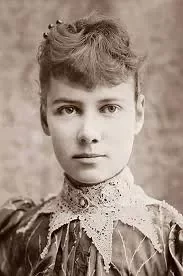
Nellie Bly
Born05 May, 1864
Died27 Jan, 1922
NationalityAmerican
Age at time of death57
George Fox
Born04 Jul, 1624
Died13 Jan, 1691
NationalityEnglish
Age at time of death66
Albert Hofmann
Born11 Jan, 1906
Died29 Apr, 2008
NationalitySwiss
Age at time of death102
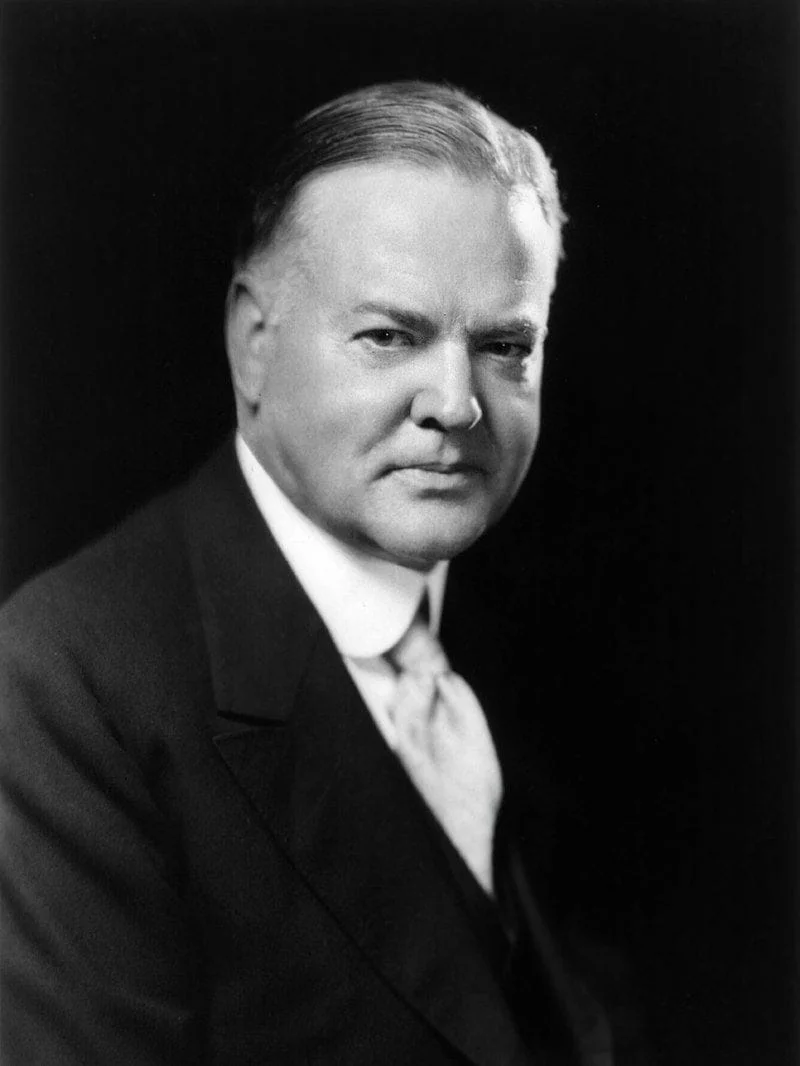
Herbert Hoover
Born10 Aug, 1874
Died20 Oct, 1964
NationalityAmerican
Age at time of death90

Jade Goody
Born05 Jun, 1981
Died22 Mar, 2009
NationalityBritish
Age at time of death27