Real Celebrities Never Die!
OR
Search For Past Celebrities Whose Birthday You Share
Died Age: 65
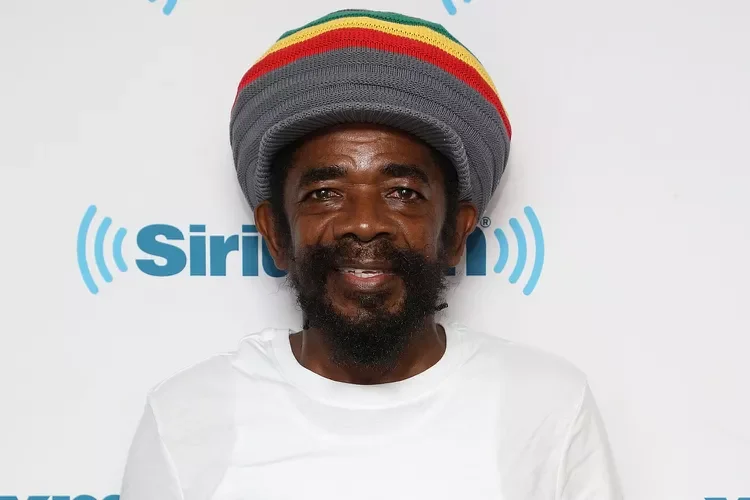
people.com
Cocoa Tea
Birthday:
02 Sep, 1959
Date of Death:
10 Mar, 2025
Cause of death:
Cardiac arrest
Nationality:
Jamaican
Famous As:
Reggae singer
Age at the time of death:
65
Colvin George Scott's Quote's

“Good lyrics don’t expire—truth never goes out of style.”
Colvin George Scott
🔗 deadcelebrityhub.com
Early Life: Roots in Rocky Point
Few voices in reggae music carry the same warmth, clarity, and spiritual conviction as Cocoa Tea’s. With his honeyed vocals and unwavering message of love, unity, and Rastafarian pride, he became one of Jamaica’s most beloved and enduring cultural ambassadors. His music didn’t just entertain—it uplifted, teaching generations the value of kindness, self-respect, and faith through melody.
Born Calvin George Scott on September 3, 1959, in the small seaside community of Rocky Point in Clarendon, Jamaica, Cocoa Tea’s early life was steeped in simplicity and song. The rhythms of the island were everywhere—from church choirs to street sound systems—and young Calvin absorbed them all. His nickname, “Cocoa Tea,” came from his childhood love of the sweet beverage, a simple pleasure that would one day become synonymous with his gentle, comforting sound.
Music surrounded him even before he could fully understand its power. His mother was deeply spiritual, and church services introduced him to harmonies that stirred the soul. He sang in the local church choir and spent hours listening to reggae greats like Bob Marley and Dennis Brown, who would later become a major influence. It was in this fertile cultural landscape that Calvin began to dream—not of fame, but of purpose.
Education and Early Musical Awakening
Though formal schooling played a role in his upbringing, Cocoa Tea’s most valuable education came from the sound systems that defined Jamaica’s grassroots music scene. As a teenager, he gravitated toward community dances and open-air performances, where he learned how to connect with an audience. It was an era of discovery, both musically and spiritually.
He embraced the Rastafarian faith as a guiding philosophy, shaping his worldview and musical identity. The faith’s focus on truth, justice, and unity resonated deeply with him, and these themes would later form the foundation of his songwriting.
Career Journey: From Local Stages to Global Reggae Icon
Early Career – The First Notes of Recognition
Cocoa Tea recorded his first single, “Searching in the Hills,” in 1974, though it went largely unnoticed. Undeterred, he continued honing his craft, performing at local events and refining the smooth vocal delivery that would define his style. His breakthrough came in the early 1980s when he connected with legendary producer Henry “Junjo” Lawes. The collaboration produced “Rocking Dolly”—a song that not only became a hit but also cemented his place in the roots reggae revival movement.
Rising Stardom – Voice of the Conscious Generation
The mid to late 1980s marked Cocoa Tea’s ascent as one of Jamaica’s most consistent hitmakers. Songs like “I Lost My Sonia,” “Good Life,” “Young Lover,” and “Rikers Island” showcased his ability to blend sweet melodies with socially conscious lyrics. His 1989 hit “Rikers Island” was especially significant—it addressed the struggles of young Jamaicans caught in the criminal justice system, reflecting his compassion for the marginalised.
Beyond the studio, Cocoa Tea became known for his impeccable live performances. His voice, as pure as it was soothing, seemed immune to time or fatigue. Whether on Kingston’s stages or at international festivals, he carried the message of reggae’s spiritual and social mission with unshakable grace.
1990s and Beyond – Global Recognition and Continued Evolution
By the 1990s, Cocoa Tea was not only a star in Jamaica but a respected figure on the global reggae stage. His albums “Tune In,” “Authorised,” and “One Up” revealed an artist who never strayed from authenticity. He collaborated with producers like King Jammy and Bobby Digital, navigating the transition from roots to dancehall with elegance.
A defining moment came in 1994 with the release of “Holy Mount Zion,” a soulful anthem that reaffirmed his spiritual convictions. And in 2008, during the U.S. presidential campaign, he captured global attention with “Barack Obama,” a heartfelt tribute that celebrated the hope and history embodied in Obama’s rise. It was classic Cocoa Tea—politically aware, uplifting, and utterly sincere.
Personal Life: The Man Behind the Music
Offstage, Cocoa Tea was known for his humility and gentle spirit. He remained deeply connected to his roots in Jamaica, dividing his time between touring and nurturing younger artists. A devoted family man and proud Rastafarian, he lived the values he sang about—spiritual devotion, love of community, and peace.
He also built his own recording studio and label, Roaring Lion, providing a platform for emerging reggae talents. His mentorship extended beyond music—he often encouraged young artists to stay true to themselves, both lyrically and morally.
Legacy: A Voice That Never Faded
Cocoa Tea’s legacy rests not only in his rich catalogue of music but in the purity of his message. He carried forward the torch lit by Bob Marley and Dennis Brown, reminding listeners that reggae was not just rhythm—it was reason and revelation. His passing in 2024 was met with an outpouring of love from fans and musicians worldwide, each remembering the man who sang of justice with a smile and of faith with a melody.
To this day, his voice remains one of reggae’s most distinct—silky yet strong, comforting yet commanding. Cocoa Tea’s songs continue to flow through radios, sound systems, and hearts, as timeless as the message they carry: peace, love, and the power of truth.
Profile Snapshot
Name:
Colvin George Scott
Popular Name:
Cocoa Tea
Gender:
Male
Cause of Death:
Cardiac arrest
Spouse:
Malvia Scott
Place of Birth:
Rocky Point, Jamaica
Place of Death:
Fort Lauderdale, Florida, United States
Occupation / Profession:
Reggae singer
Songwriter
Personality Type
Entertainer: Cocoa Tea was a musician who turned faith, love, and truth into timeless harmony.
Colvin George Scott's Interesting Facts
Cocoa Tea’s stage name came from his childhood love of the warm cocoa drink common in Jamaican households.
He was also an accomplished fisherman and often spoke about how the sea brought him peace and inspiration.
Beyond music, he ran his own record label, Roaring Lion, to promote emerging reggae talent in Jamaica.
Achievements & Awards
Cocoa Tea enjoyed a remarkable career spanning more than four decades, producing numerous chart-topping reggae hits such as “Rikers Island,” “Good Life,” “Holy Mount Zion,” and “Barack Obama.”
He performed on some of the world’s biggest reggae stages, including Reggae Sumfest and Jamaica’s annual Rebel Salute, where he was celebrated as a cornerstone of conscious reggae.
His contribution to Jamaican music earned him the Reggae Icon Award in 2019, recognising his enduring influence and commitment to spreading positive, uplifting messages through his art.
Even into his later years, he continued to mentor young artists, solidifying his legacy as both performer and teacher.
External Links
Latest Profiles
People also viewed

Jimi Hendrix
Born27 Nov, 1942
Died18 Sep, 1970
NationalityAmerican
Age at time of death27

Irving Berlin
Born11 May, 1888
Died22 Sep, 1989
NationalityAmerican
Age at time of death101

George Harrison
Born25 Feb, 1943
Died29 Nov, 2001
NationalityBritish
Age at time of death58

Olivia Newton-John
Born26 Sep, 1948
Died08 Aug, 2022
NationalityBritish, Australian
Age at time of death73

Jim Morrison
Born08 Dec, 1943
Died03 Jul, 1971
NationalityAmerican
Age at time of death27
Biz Markie
Born08 Apr, 1964
Died16 Jul, 2021
NationalityAmerican
Age at time of death57

Barry White
Born12 Sep, 1944
Died04 Jul, 2003
NationalityAmerican
Age at time of death58

Tina Turner
Born26 Nov, 1939
Died24 May, 2023
NationalityAfrican, American
Age at time of death83
Adam Yauch
Born05 Aug, 1964
Died04 May, 2012
NationalityAmerican
Age at time of death47

Nina Simone
Born21 Feb, 1933
Died21 Apr, 2003
NationalityAmerican
Age at time of death70

Tammi Terrell
Born29 Apr, 1945
Died16 Mar, 1970
NationalityAmerican
Age at time of death24
DMX
Born18 Dec, 1970
Died09 Apr, 2021
NationalityAmerican
Age at time of death50

Patsy Cline
Born08 Sep, 1932
Died05 Mar, 1963
NationalityAmerican
Age at time of death30

Keith Martin
Born22 Sep, 1966
Died25 Mar, 2022
NationalityAmerican
Age at time of death55

Waylon Jennings
Born15 Jun, 1937
Died13 Feb, 2002
NationalityAmerican
Age at time of death64

Chuck Berry
Born18 Oct, 1926
Died18 Mar, 2017
NationalityAmerican
Age at time of death90

Buddy Holly
Born07 Sep, 1936
Died03 Feb, 1959
NationalityAmerican
Age at time of death22

Bon Scott
Born09 Jul, 1946
Died19 Feb, 1980
NationalityAustralian
Age at time of death33
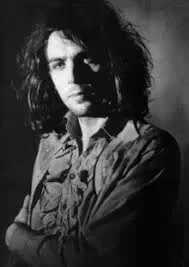
Syd Barrett
Born06 Jan, 1946
Died07 Jul, 2006
NationalityEnglish
Age at time of death60

Michael Hutchence
Born22 Jan, 1960
Died22 Nov, 1997
NationalityAustralian
Age at time of death37