Real Celebrities Never Die!
OR
Search For Past Celebrities Whose Birthday You Share
Died Age: 86
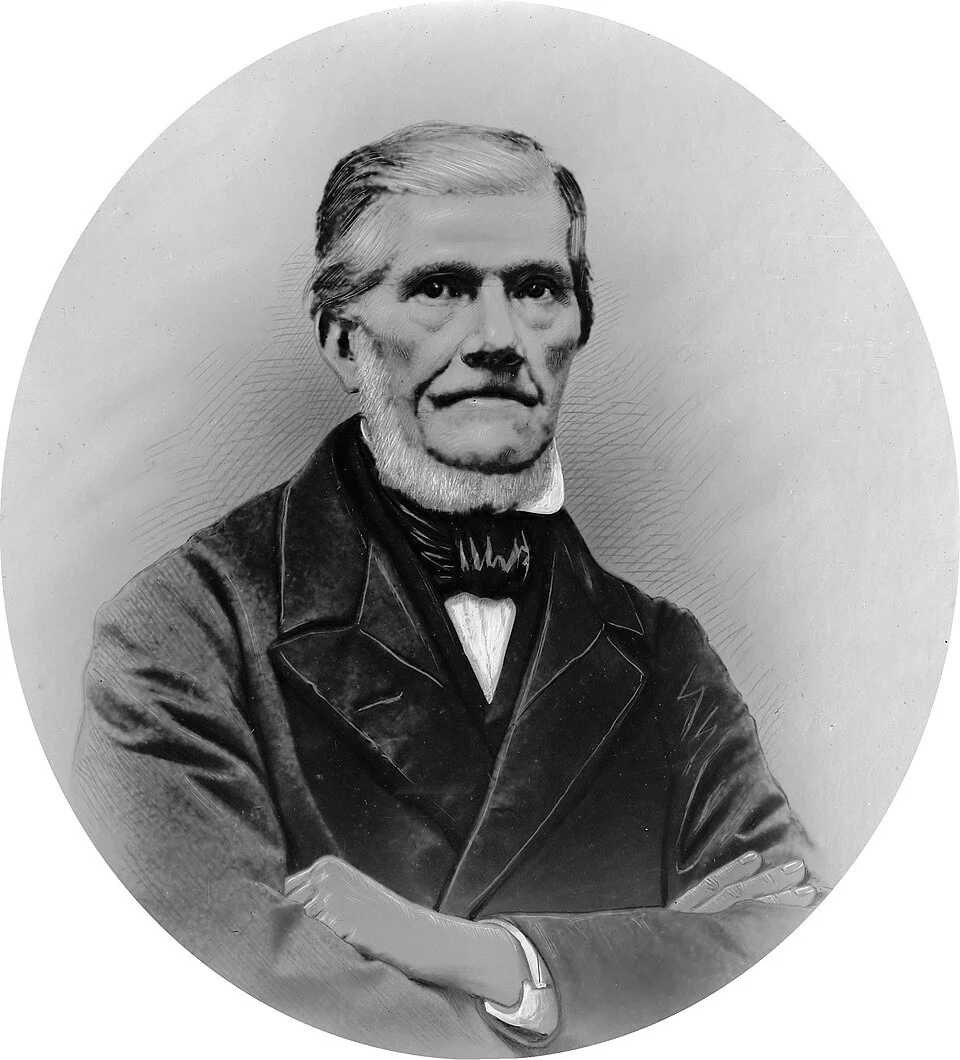
wikipedia.org
Coenraad van Houten
Birthday:
14 Mar, 1801
Date of Death:
26 May, 1887
Cause of death:
Unknown
Nationality:
Dutch
Famous As:
Chemist
Age at the time of death:
86
Coenraad Johannes van Houten's Quote's

“Good chocolate starts with good process.”
Coenraad Johannes van Houten
🔗 deadcelebrityhub.com
Early Life and Family Background
Coenraad Johannes van Houten, born in Amsterdam, the Netherlands, on March 15, 1801, played a very important part in chocolate production. His father, Casparus van Houten, set up a chocolate factory at Amsterdam in 1815 and thereby established the family business in the chocolate sector.
The Invention of the Cocoa Press
In 1828, Casparus van Houten Sr. patented a hydraulic press that could successfully press cocoa butter out of roasted cocoa beans. This reduced the cocoa butter content by nearly half, which was left as a “cake” that could be milled into cocoa powder. This revolutionized the production of less fatty drinking chocolate and provided cocoa butter for more edible eating chocolate, which formed the basis of the modern chocolate industry.
The Dutch Process: A Major Innovation
Building on his father’s discovery, Coenraad van Houten created a process known as “Dutching” or the “Dutch process.” It involved treating the cocoa powder with alkaline salts, such as potassium or sodium carbonates, to neutralize the acidity and remove the bitterness. The alkalization process also resulted in a water-soluble cocoa, which made the cocoa smoother and less bitter-tasting. Dutch-processed cocoa is darker in color and less bitter in taste compared to natural cocoa.
Impact on the Chocolate Industry
The union of the hydraulic press and the Dutch process made chocolate production a more affordable and more acceptable food for the masses. The ability to produce cocoa powder and isolate cocoa butter enabled the production of solid chocolate items. Interestingly, in 1847, the English chocolate maker J. S. Fry & Sons produced what is now considered the first chocolate bar, a feat made possible by the van Houtens’ breakthroughs.
Business Expansion and Global Reach
In 1835, Coenraad van Houten married Hermina van Houten (unrelated) of Groningen. In 1850, he transferred his production from a Leiden windmill to a steam factory at Weesp, opening the company’s markets to England, France, and Germany. His son, Casparus Johannes van Houten (1844–1901), joined the business in 1865 and participated in the marketing and extension of the reach of the brand across the globe. Company advertisements appeared far and wide in Europe and America, and the name Van Houten became famous.
The Van Houten Legacy in Chocolate Manufacturing
Though their products had a revolutionary impact, the van Houtens did not get wealthy from their patents. The patent for the cocoa press ran out in 1838, and other manufacturers could utilize and develop the technology, and thus the technology was widely used in the business. Interestingly, John Cadbury went to Weesp in 1866 to buy a Van Houten press, even though it was not integrated into Cadbury’s production until 1875.
Death and Lasting Influence
Coenraad Johannes van Houten died on May 27, 1887, in Weesp, Netherlands, aged 86. His contribution still stands today in the chocolate-producing business, where the hydraulic cocoa press and Dutch process are the primary methods of chocolate production even today. As each chocolate bar or glass of cocoa is enjoyed, individuals are consuming the work of the van Houtens that made the chocolate products more accessible, palatable, and affordable all around the globe.
Profile Snapshot
Name:
Coenraad Johannes van Houten
Popular Name:
Coenraad van Houten
Gender:
Male
Cause of Death:
Unknown
Spouse:
Hermina Stijkel
Place of Birth:
Amsterdam, Netherlands
Place of Death:
Weesp, Netherlands
Occupation / Profession:
Chemist
Chocolatier
Inventor
Personality Type
Architect: Imaginative and strategic thinkers, with a plan for everything. He was known for strategic thinking, problem-solving, and a focus on improving systems.
Coenraad Johannes van Houten's Interesting Facts
His father, Casparus van Houten, started the family chocolate business in 1815.
The cocoa press reduced cocoa butter content from 50% to 27%, making cocoa powder affordable.
The "Dutch process" improved chocolate’s solubility in water.
Van Houten’s company was sold to a German firm in 1971, but the brand persists.
Achievements & Awards
Expanded the family business, Van Houten, into a leading chocolate brand.
His innovations enabled mass production of chocolate products
Introduced the "Dutch process" for alkalizing cocoa.
Invented the cocoa press in 1828.
Patented the process to produce cocoa powder (Dutch Patent, 1828).
External Links
Additional Links
https://acitgroup.com.au/how-van-houten-invented-hot-cocoa/https://duyviswiener.com/chocolate-processing/explore-the-alkaline-world-of-dutch-processed-cocoa-powder/https://exhibits.library.cornell.edu/chocolate-food-of-the-gods/feature/coenraad-van-houten:https://factkaleidoscope.wordpress.com/2020/09/15/coenraad-van-houten/https://factkaleidoscope.wordpress.com/2020/09/15/coenraad-van-houten/https://www.articlesfactory.com/articles/food/the-van-houtens-the-netherlands-and-the-history-of-chocolate.htmlhttps://www.geni.com/people/Coenraad-Johannes-van-Houten/6000000006602010704https://www.gracesguide.co.uk/Van_Houtens_Chocolatehttps://www.hotchocolateworld.com/dutch-cocoa/
Latest Profiles
People also viewed
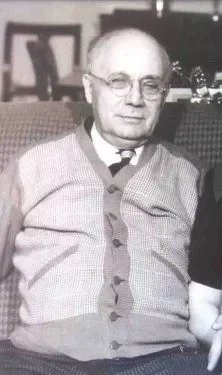
Otto Frederick Rohwedder
Born28 Jul, 1880
Died08 Nov, 1960
NationalityAmerican
Age at time of death80
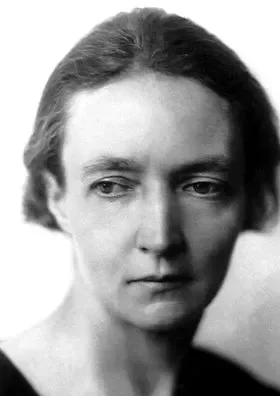
Irène Joliot-Curie
Born12 Sep, 1897
Died17 Mar, 1956
NationalityFrench
Age at time of death58
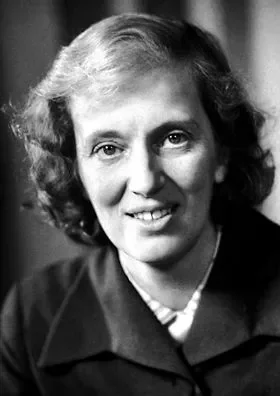
Dorothy Hodgkin
Born12 May, 1910
Died29 Jul, 1994
NationalityBritish
Age at time of death84
Rune Elmqvist
Born01 Dec, 1906
Died15 Dec, 1996
NationalitySwedish
Age at time of death90

Siou-Ling Tsien de Perlinghi
Born02 Oct, 1912
Died01 Feb, 2008
NationalityChinese, Belgian
Age at time of death95
Guglielmo Marconi
Born25 Apr, 1874
Died20 Jul, 1937
NationalityItalian
Age at time of death63
William Shockley
Born13 Feb, 1910
Died12 Aug, 1989
NationalityAmerican
Age at time of death79
Alfred Nobel
Born21 Oct, 1833
Died10 Dec, 1896
NationalitySwedish
Age at time of death63
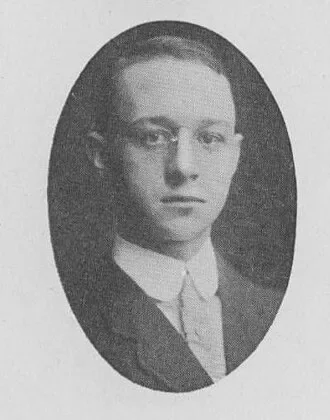
Clarence Birdseye
Born09 Dec, 1886
Died07 Oct, 1956
NationalityAmerican
Age at time of death69
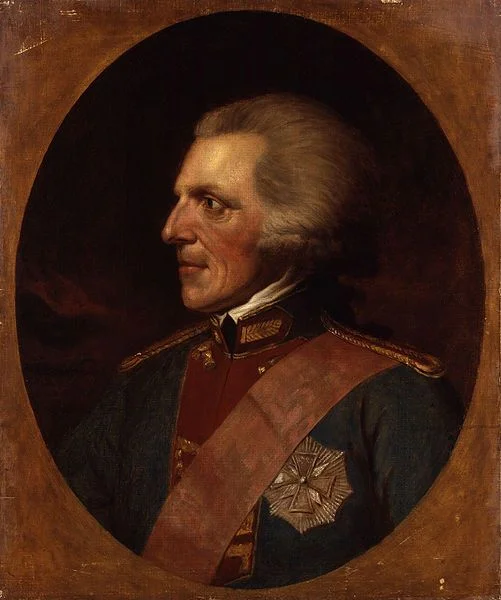
Colonel Sir Benjamin Thompson, Count Rumford
Born26 Mar, 1753
Died21 Aug, 1814
NationalityAmerican, British
Age at time of death61
Thomas Newcomen
Born28 Feb, 1664
Died05 Aug, 1729
NationalityEnglish
Age at time of death65
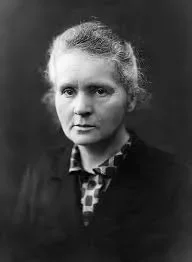
Marie Curie
Born07 Nov, 1867
Died04 Jul, 1934
NationalityPolish, French
Age at time of death66
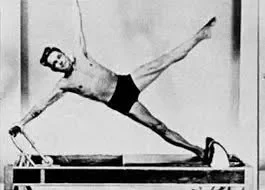
Joseph Pilates
Born09 Dec, 1883
Died09 Oct, 1967
NationalityGerman
Age at time of death83

Nils Bohlin
Born17 Jul, 1920
Died26 Sep, 2002
NationalitySwedish
Age at time of death82
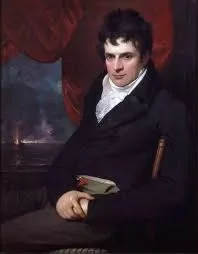
Robert Fulton
Born14 Nov, 1765
Died24 Feb, 1815
NationalityAmerican
Age at time of death49
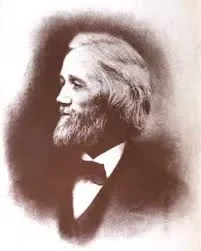
Christopher Latham Sholes
Born14 Feb, 1819
Died17 Feb, 1890
NationalityAmerican
Age at time of death71
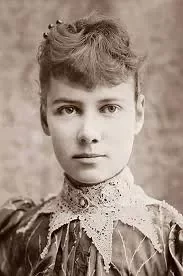
Nellie Bly
Born05 May, 1864
Died27 Jan, 1922
NationalityAmerican
Age at time of death57
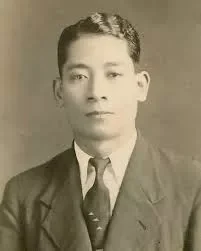
Momofuku Ando
Born05 Mar, 1910
Died05 Jan, 2007
Nationalityjapanese
Age at time of death96
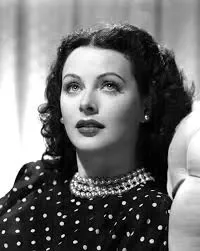
Hedy Lamarr
Born09 Nov, 1914
Died19 Jan, 2000
NationalityAmerican
Age at time of death85
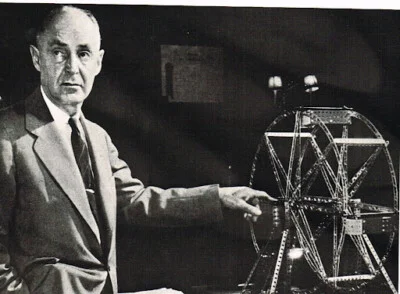
Alfred Carlton Gilbert
Born15 Feb, 1884
Died24 Jan, 1961
NationalityAmerican
Age at time of death76