Real Celebrities Never Die!
OR
Search For Past Celebrities Whose Birthday You Share
Died Age: 89
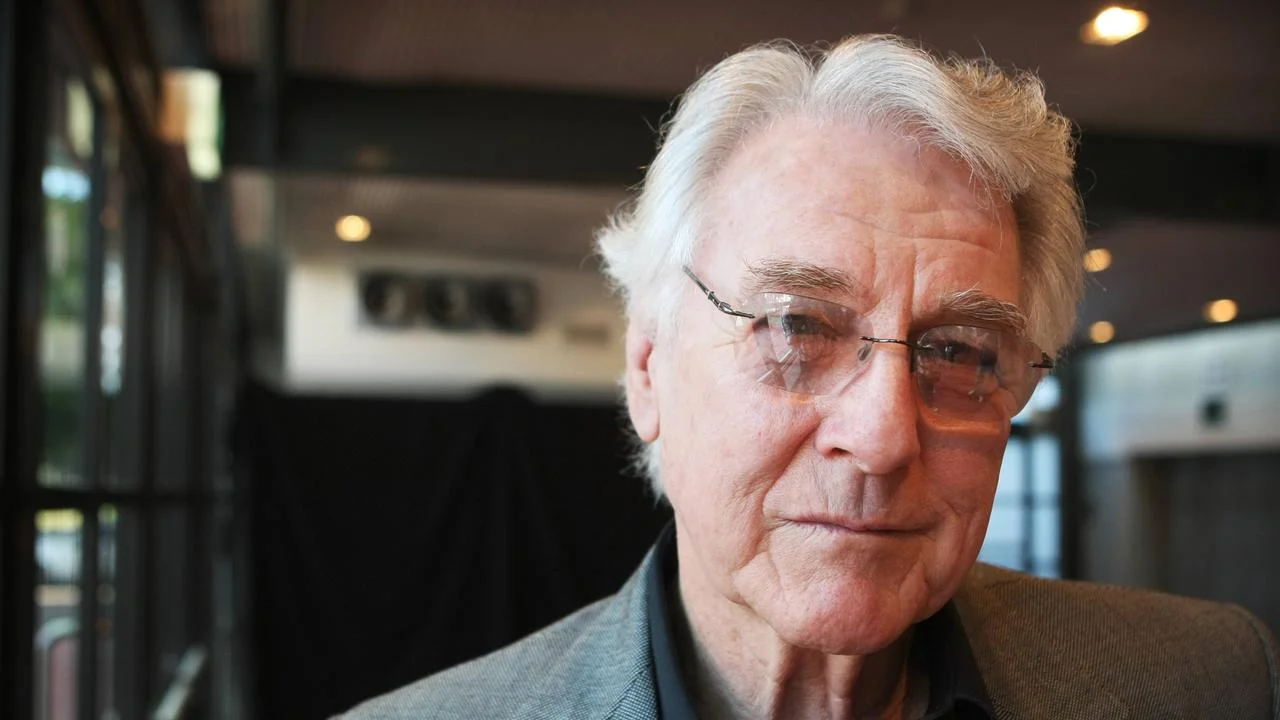
content.api.news
Col Joye
Birthday:
12 Apr, 1936
Date of Death:
04 Aug, 2025
Cause of death:
Unknown
Nationality:
Australian
Famous As:
Businessman
Age at the time of death:
89
Colin Frederick Jacobsen's Quote's

“If I’m going to be a singer, that’s the sort of singer I want to be.”
Colin Frederick Jacobsen
🔗 deadcelebrityhub.com
Early Life: Roots in Sydney
Col Joye was a soul-warming force in Australian popular music, a humble showman with a gentle voice and an entrepreneurial heart. Over a career that stretched more than six decades, he rewrote what it meant to be a homegrown rock ’n’ roller, transforming a kid from suburban Sydney into a national treasure whose influence still echoes in Australia’s musical landscape.
Colin Frederick Jacobsen was born in the Sydney suburb of East Hills, where he grew up in a tight-knit family alongside his brothers Kevin and Keith. The Jacobsen home was modest, lively, and full of music. Early country sounds, skiffle rhythms, and the earliest hints of rock ’n’ roll drifted from the family radio, capturing young Colin’s imagination.
He left school around the age of fourteen to work as a jewellery salesman, helping support his family. But music stayed with him. Even while polishing display cases and assisting customers, he was humming tunes, imagining band names, and drifting toward a future he hadn’t yet realized he was building.
Education: Learning in Rehearsal Rooms and Road Trips
Though he never completed a traditional education, Col Joye’s training came through experience—late-night rehearsals, improvised jam sessions, and small gigs across Sydney. Along with Kevin and Keith, he became part of a group that eventually evolved into Col Joye and the Joy Boys. These early years were a master class in performance, discipline, and surviving the grind of a budding music scene.
His “education” was unconventional but essential: learning how to read a crowd, build a setlist, and deliver a song with sincerity. These lessons would later become key to his success.
Career Journey
Early Breakthroughs: The Rise of a Teen Idol
By the late 1950s, the group began playing more consistently, and an impulsive name change before a gig—branding themselves Col Joye and the Joy Boys—became permanent. Before long, Col’s gentle vocal style and easy stage presence made him one of Australia’s first pop sensations.
In 1959, his single “Bye Bye Baby” became a runaway hit, followed by “Oh Yeah Uh Huh,” which became one of the first all-Australian pop singles to reach number one nationally. His regular appearances on TV shows like Bandstand helped cement his place as a household name. For many young Australians, he wasn’t just a singer—he was the face of a new cultural movement.
Building Behind the Scenes
Not content with simply performing, Col entered the business side of music in the 1960s. With his brother Kevin, he co-founded music publishing companies, a talent agency, and later ATA Studios in Glebe. Their ventures became launching pads for emerging artists and songwriters.
A notable moment came in 1961, when Col heard a young trio performing in Queensland—the Bee Gees. Sensing their potential, he signed them to Joye Music, giving them early support long before their global fame. The Bee Gees later provided backing vocals on his track “Starlight of Love,” a small but charming intersection of two musical paths.
Shifts and Comebacks
As the 1960s progressed, musical tastes shifted with the arrival of the British Invasion. Though the rock ’n’ roll landscape changed rapidly, Col found ways to adapt. In 1973, he returned to the top of the charts with the country-infused ballad “Heaven Is My Woman’s Love,” reminding Australia of his enduring appeal.
His career, however, was nearly derailed in 1990, when he suffered a severe fall from a tree, resulting in major injuries. Doctors were uncertain he would ever fully recover. Yet, in classic Col Joye fashion, he defied expectations. By 1998, he was back touring—proof of his resilience and his deep love for performing.
Personal Life: Family and Quiet Generosity
Col married Dalys in 1970, and together they raised two children, Clayton and Amber, both of whom later found their own place in the entertainment world. Friends and colleagues often described Col as gentle, down-to-earth, and endlessly generous with his time.
A beloved bit of trivia: Col often traveled with a ukulele on tour, greeting mornings by strumming cheerful tunes—an impromptu ritual that lifted the spirits of his fellow performers.
At home, he was known as a devoted family man who cherished simple routines, meaningful conversations, and the creative pursuits of his loved ones.
Legacy: An Architect of Australian Pop
Col Joye’s legacy is woven deep into the story of Australian music. He was one of the first Australian pop artists to reach number one nationally, paving the way for homegrown musicians to break through in an industry then dominated by overseas influences.
His behind-the-scenes contributions mattered just as much. From building studios to developing publishing avenues to nurturing young talent, he helped establish an infrastructure that supported Australian artists for decades.
His contributions were formally recognized when he was appointed a Member of the Order of Australia in 1981 and inducted into the ARIA Hall of Fame in 1988. In his later years, he donated more than a thousand artifacts—costumes, photographs, instruments—to the National Film and Sound Archive, preserving the history he helped create.
When he passed away in 2025 at the age of 89, tributes remembered not just a performer, but a pioneer. A kind man with a soft voice and a big vision. A bridge between musical generations.
Profile Snapshot
Name:
Colin Frederick Jacobsen
Popular Name:
Col Joye
Gender:
Male
Cause of Death:
Unknown
Spouse:
Dalys Dawson
Place of Birth:
Sydney, Australia
Place of Death:
Sydney, Australia
Occupation / Profession:
Businessman
Musician
Singer
Songwriter
Personality Type
Defender: Col Joye’s personality blended gentle warmth, quiet determination, and an unfailing generosity that made him as beloved behind the scenes as he was on stage.
Colin Frederick Jacobsen's Interesting Facts
He discovered the Bee Gees early in their career and signed them to his publishing company before they rose to global fame.
Col Joye once carried his ukulele everywhere on tour, often waking up to play a new cheerful tune each morning for his bandmates.
In 1990, he survived a serious fall from a tree—an accident that left him badly injured, yet he returned to touring years later, undeterred.
Achievements & Awards
Col Joye was made a Member of the Order of Australia in 1981, recognizing his outstanding contribution to entertainment.
He was inducted into the ARIA Hall of Fame in 1988, cementing his place as a pioneer of Australian pop and rock music.
Over his long career, he also won several major awards, including a CMAA (Country Music Association of Australia) award and two Mo Awards for his performances and influence in live entertainment.
External Links
Additional Links
Latest Profiles
People also viewed

Richard DeVos
Born04 Mar, 1926
Died06 Sep, 2018
NationalityAmerican
Age at time of death92
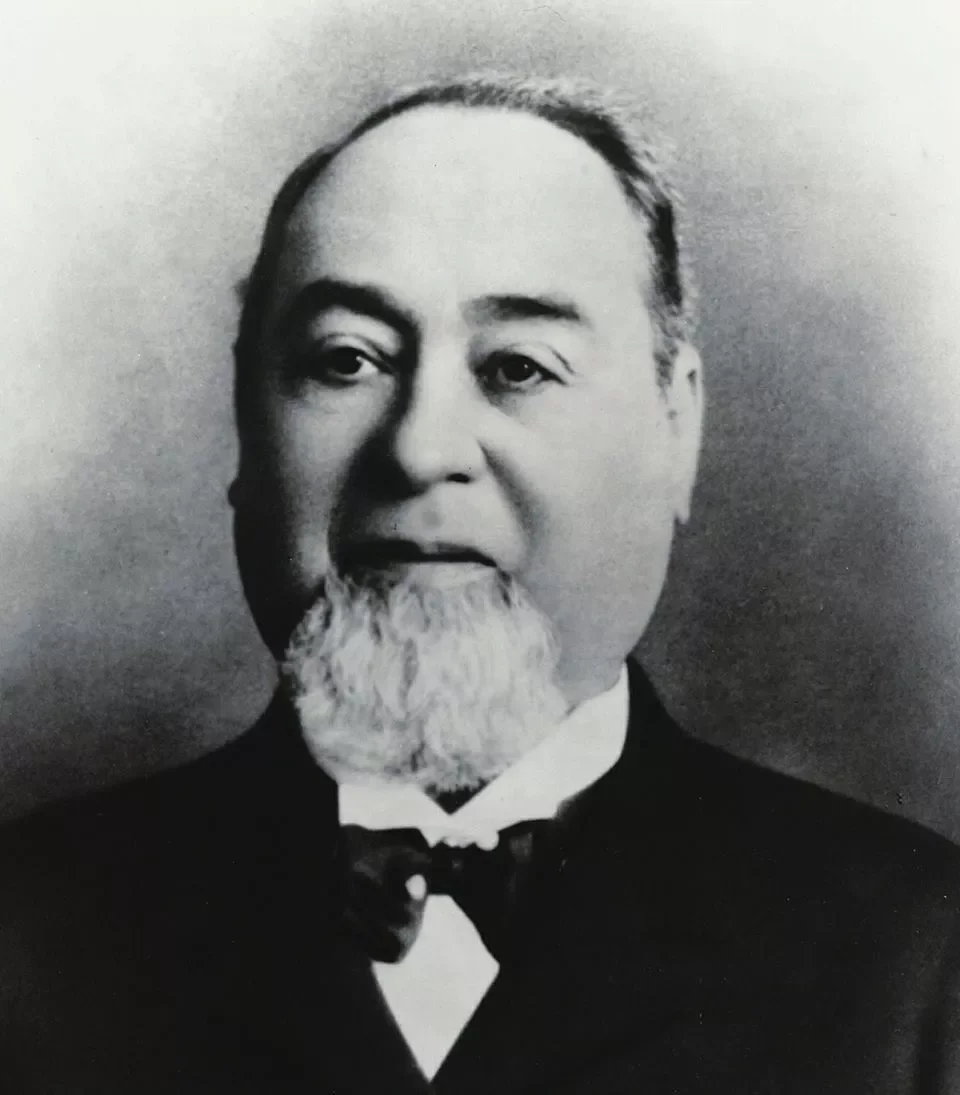
Levi Strauss
Born26 Feb, 1829
Died26 Sep, 1902
NationalityGerman, American
Age at time of death73
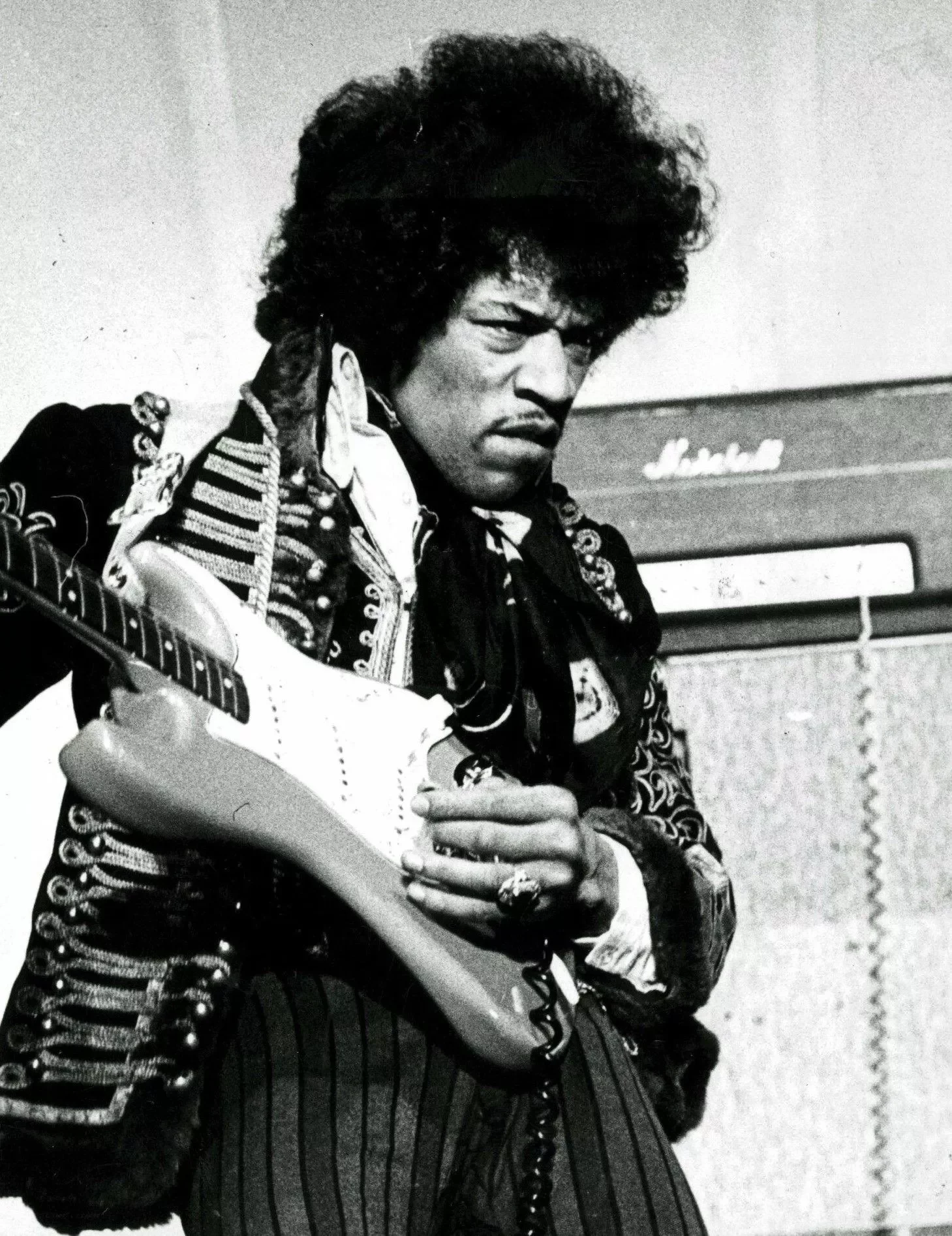
Jimi Hendrix
Born27 Nov, 1942
Died18 Sep, 1970
NationalityAmerican
Age at time of death27
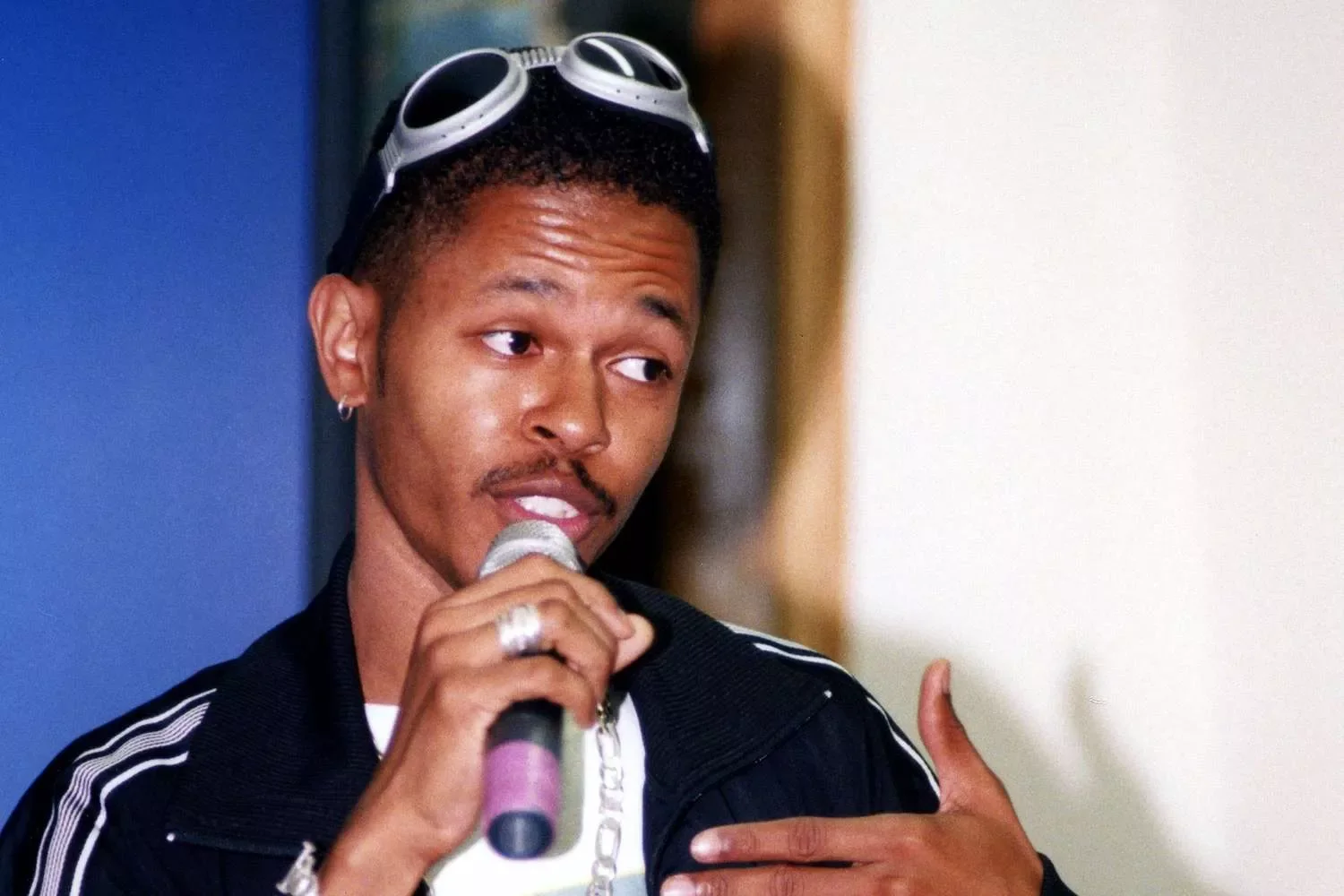
Jesse Powell
Born12 Sep, 1971
Died13 Sep, 2022
NationalityAmerican
Age at time of death51
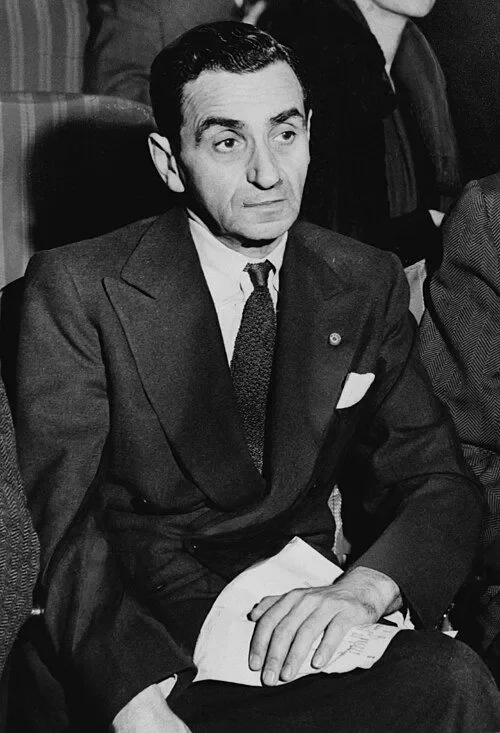
Irving Berlin
Born11 May, 1888
Died22 Sep, 1989
NationalityAmerican
Age at time of death101
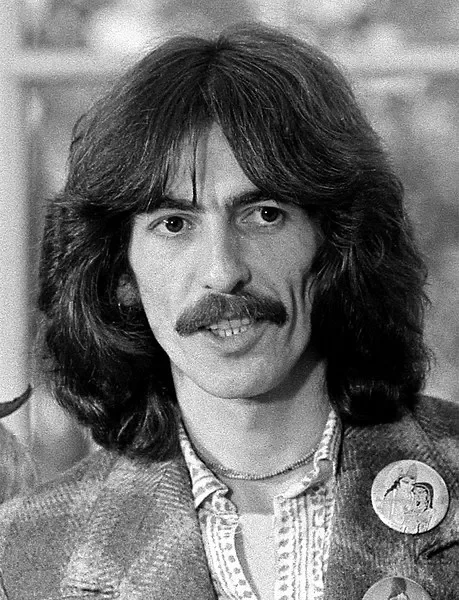
George Harrison
Born25 Feb, 1943
Died29 Nov, 2001
NationalityBritish
Age at time of death58
Tony Bennett
Born03 Aug, 1926
Died21 Jul, 2023
NationalityAmerican
Age at time of death96
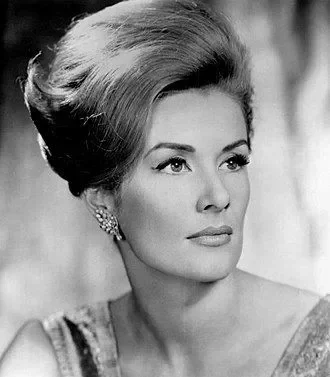
Sally Ann Howes
Born20 Jul, 1930
Died19 Dec, 2021
NationalityBritish, American
Age at time of death91
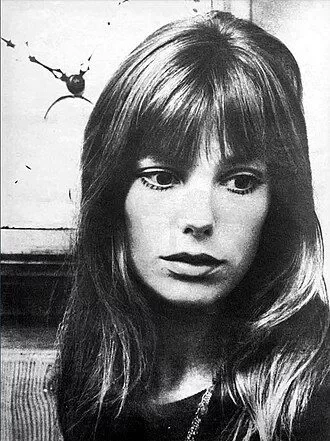
Jane Birkin
Born14 Dec, 1946
Died16 Jul, 2023
NationalityBritish, French
Age at time of death76

Chester Bennington
Born20 Mar, 1976
Died20 Jul, 2017
NationalityAmerican
Age at time of death41
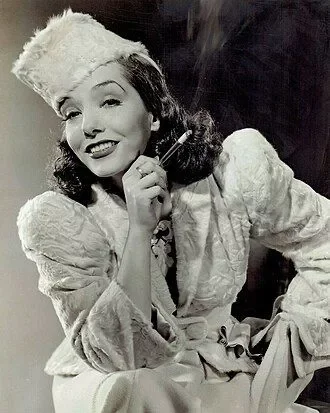
Lupe Vélez
Born18 Jul, 1908
Died14 Dec, 1944
NationalityMexican
Age at time of death36
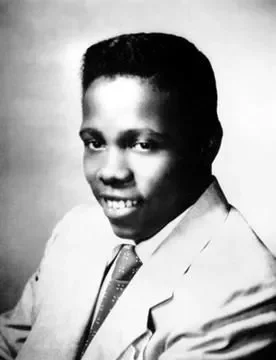
Johnny Ace
Born09 Jun, 1929
Died25 Dec, 1954
NationalityAmerican
Age at time of death25
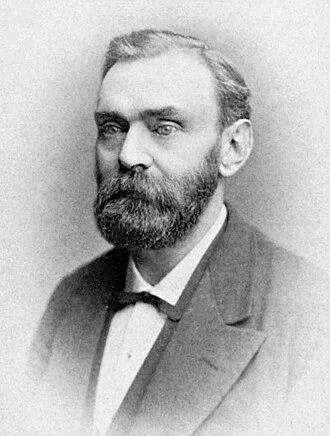
Alfred Nobel
Born21 Oct, 1833
Died10 Dec, 1896
NationalitySwedish
Age at time of death63
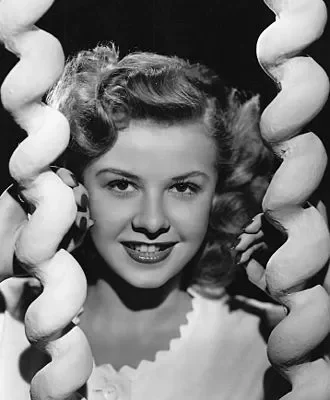
Vera-Ellen
Born16 Feb, 1921
Died30 Aug, 1981
NationalityAmerican German
Age at time of death60
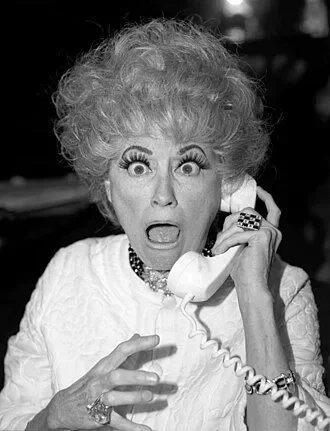
Phyllis Diller
Born17 Jul, 1917
Died20 Aug, 2012
NationalityAmerican
Age at time of death95
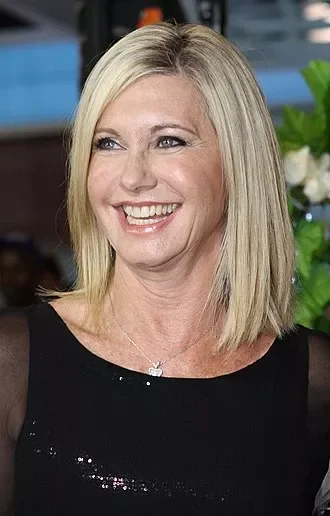
Olivia Newton-John
Born26 Sep, 1948
Died08 Aug, 2022
NationalityBritish, Australian
Age at time of death73
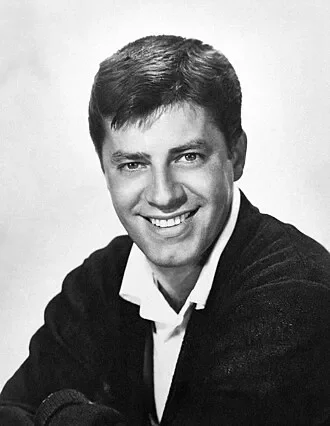
Jerry Lewis
Born16 Mar, 1926
Died20 Aug, 2017
NationalityAmerican
Age at time of death91
Cissy Houston
Born30 Sep, 1933
Died07 Oct, 2024
NationalityAmerican
Age at time of death91
Mary Martin
Born01 Dec, 1913
Died03 Nov, 1990
NationalityAmerican
Age at time of death76
Jim Morrison
Born08 Dec, 1943
Died03 Jul, 1971
NationalityAmerican
Age at time of death27