Real Celebrities Never Die!
OR
Search For Past Celebrities Whose Birthday You Share
Died Age: 72
www.bbc.com
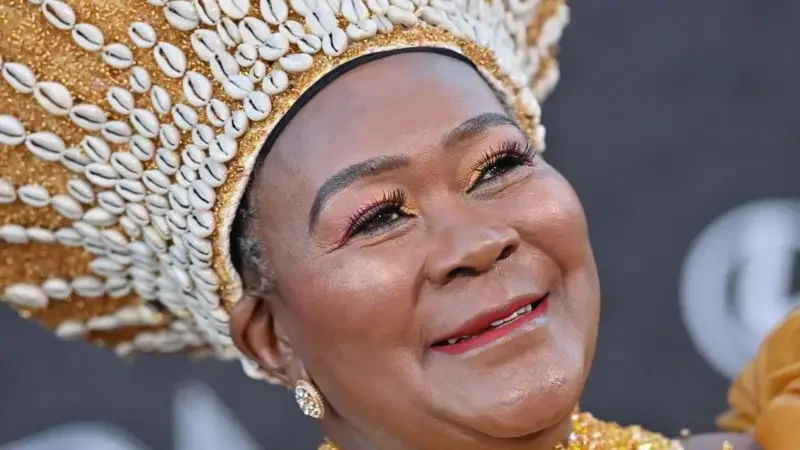
Connie Chiume
Birthday:
04 Jun, 1952
Date of Death:
05 Aug, 2024
Cause of death:
Period illness
Nationality:
South African
Famous As:
Actress
Age at the time of death:
72
Connie Temweka Gabisile Chiume's Quote's

“I am not just acting, I’m telling our stories so we are never forgotten.”
Connie Temweka Gabisile Chiume
🔗 deadcelebrityhub.com
Early Life: Roots in Resistance
With a career spanning over four decades, Connie Chiume has embodied the spirit of storytelling not only on screen and stage but also in the lives of those she has touched through her mentorship and presence. Whether she’s donning regal attire in international blockbusters or commanding local television sets with fierce authenticity, Chiume’s presence is always magnetic. Her life, stitched with courage, talent, and quiet revolution, is a testament to the power of persistence and purpose.
Born in 1952 in Welkom, a mining town nestled in South Africa’s Free State province, Connie Chiume’s beginnings were humble but deeply layered with the political and cultural tensions of the era. Her father was from Malawi, and her mother was South African. This intermingling of heritage would later echo in her wide-ranging performances across diverse African narratives.
Growing up during apartheid, Chiume’s childhood was shaped by displacement, injustice, and the constant hum of resistance. But it was also in these formative years that her flame for storytelling began to flicker. As a child, she would mimic characters from the radio, using her voice to fill the silences in a home and country often muted by fear. There were no red carpets then—only dirt roads, dusty schoolyards, and a burning desire to be heard.
Education: A Stage for Self-Discovery
After finishing her schooling in the Free State, Chiume trained as a teacher. It was a path many young Black South Africans were channelled into due to limited opportunities. But her heart yearned for something more expressive, more alive. A turning point came in the 1970s when she moved to Greece and studied drama. There, among foreign streets and unfamiliar tongues, she discovered the universality of human emotion and the transformative power of theatre.
This overseas exposure emboldened her voice. It gave her the confidence to return home not as a teacher, but as a performer ready to reimagine what it meant to be a Black South African woman on stage and screen.
Career Journey: A Life in Three Acts
Early Career: Lighting the Flame
In the 1980s, Chiume plunged into South Africa’s performing arts scene, making waves in television dramas and theatre productions. She became a household name in the 1990s with roles in shows like Zone 14, where she played Mamokete, a character so deeply rooted in the community’s struggles and triumphs that audiences felt she could be their own mother, aunt, or neighbour.
But her journey was far from linear. The local industry, starved for resources and stifled by censorship, offered few opportunities for complex Black female leads. Yet Chiume’s performances always rose above the script. She gave her characters dignity, rage, softness, and strength, which was sometimes all in a single glance.
Major Achievements: The World Takes Notice
A defining moment came in 2018, when Chiume was cast as an elder of the River Tribe in Marvel’s Black Panther. Though a supporting role, her appearance was symbolic—a nod to the rich storytelling traditions of Africa, embodied by someone who had long been its custodian. She brought grace and gravitas to the screen, standing alongside global stars but never overshadowed.
Following that, her role in Black Is King, Beyoncé’s visual album, solidified her as a global face of African royalty and resilience. Locally, she continued to captivate audiences in shows like Gomora, where she played Mam’Sonto, a powerful yet complicated matriarch navigating crime, survival, and motherhood in the township. Critics hailed her performance as “a masterclass in layered storytelling.”
Later Career: Beyond the Spotlight
In her later years, Chiume has become a mentor, producer, and advocate for the arts. She champions emerging talent, particularly young Black women, encouraging them to own their voices and narratives. Her off-screen work includes mentoring in township drama schools and serving as a cultural ambassador, always emphasising the importance of preserving indigenous languages and oral histories.
Personal Life: The Woman Behind the Roles
Away from the spotlight, Chiume is deeply grounded. A mother of four, she has balanced her professional life with the demands of raising a family, often saying that her greatest role has been that of “Makhulu” (grandmother). She loves gardening, traditional cooking, and still cries during powerful stage performances, which is a reminder that art continues to move her just as she has moved so many others.
Trivia lovers might be surprised to learn that she nearly pursued a career in nursing before switching to education and later, acting. Or that she once toured internationally with South African theatre troupes during apartheid, bringing forbidden stories to audiences who had never seen the realities of her homeland.
Legacy: A Living Legend
Connie Chiume’s legacy is not simply carved in awards or applause but in the generational echoes of her work. She has shown what it means to endure, to adapt, and to elevate African stories onto global stages without losing their soul.
She is remembered as a pioneer who carved space where there was none, who transformed maternal characters into icons of strength, and who remains an unwavering voice for dignity in art. Whether as Mamokete, Mam’Sonto, or the regal River Elder, Connie Chiume has never just acted but also testified. Her life is a masterwork in becoming: not just an actress, but a vessel for truth.
Profile Snapshot
Name:
Connie Temweka Gabisile Chiume
Popular Name:
Connie Chiume
Gender:
Female
Cause of Death:
Period illness
Spouse:
Not publicly disclosed
Place of Birth:
South Africa
Place of Death:
Johannesburg, South Africa
Occupation / Profession:
Actress
Filmmaker
Personality Type
Protagonist: Connie Chiume is a warm-hearted leader who lifts others through powerful storytelling and unshakable purpose.
Connie Temweka Gabisile Chiume's Interesting Facts
Before becoming an actress, Connie seriously considered becoming a flight attendant, but her fear of flying changed her mind.
She speaks multiple languages fluently, including isiZulu, Sesotho, and English, which has enriched her acting versatility.
Connie was part of a theatre production that toured Europe during apartheid, using the stage as a political weapon to expose injustice abroad.
Achievements & Awards
Connie Chiume has received numerous accolades throughout her illustrious career, including a Lifetime Achievement Award at the South African Film and Television Awards (SAFTAs) in recognition of her contributions to the industry.
She gained international acclaim for her role as a Tribal Elder in Marvel’s Black Panther and Beyoncé’s Black Is King.
Her standout performances in local series like Gomora and Zone 14 cemented her as one of South Africa’s most respected actresses, celebrated for portraying complex, powerful women.
Beyond acting, she has also contributed behind the scenes as a producer and mentor, nurturing the next generation of African storytellers.
External Links
Latest Profiles
People also viewed
Oliver Burgess Meredith
Born16 Nov, 1907
Died09 Sep, 1997
NationalityAmerican
Age at time of death89
Sally Ann Howes
Born20 Jul, 1930
Died19 Dec, 2021
NationalityBritish, American
Age at time of death91
Olivia de Havilland
Born01 Jul, 1916
Died26 Jul, 2020
NationalityBritish, American
Age at time of death104
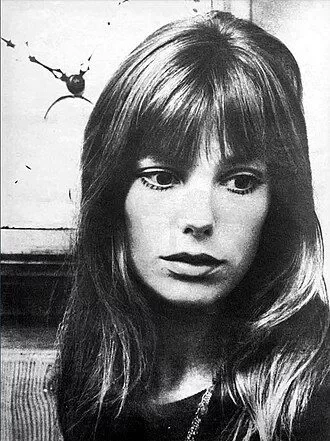
Jane Birkin
Born14 Dec, 1946
Died16 Jul, 2023
NationalityBritish, French
Age at time of death76
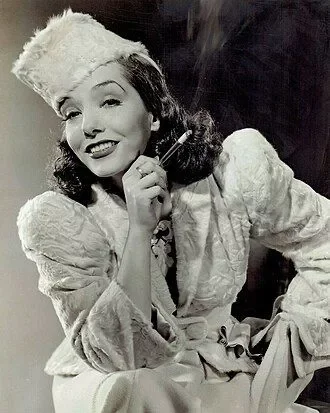
Lupe Vélez
Born18 Jul, 1908
Died14 Dec, 1944
NationalityMexican
Age at time of death36

Vera-Ellen
Born16 Feb, 1921
Died30 Aug, 1981
NationalityAmerican German
Age at time of death60
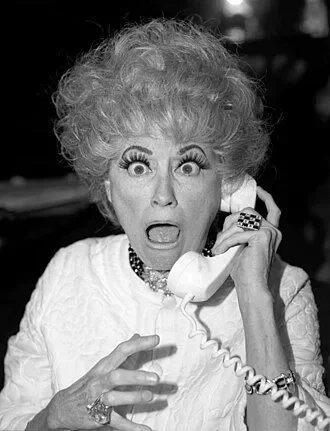
Phyllis Diller
Born17 Jul, 1917
Died20 Aug, 2012
NationalityAmerican
Age at time of death95
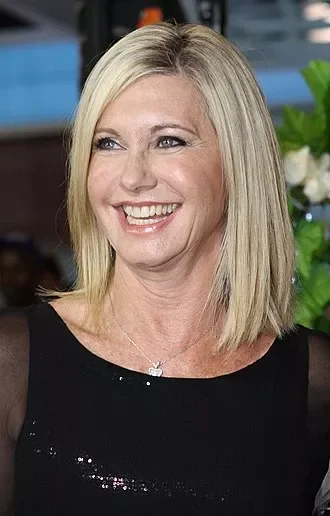
Olivia Newton-John
Born26 Sep, 1948
Died08 Aug, 2022
NationalityBritish, Australian
Age at time of death73

Jerry Lewis
Born16 Mar, 1926
Died20 Aug, 2017
NationalityAmerican
Age at time of death91

Mary Martin
Born01 Dec, 1913
Died03 Nov, 1990
NationalityAmerican
Age at time of death76
Tina Turner
Born26 Nov, 1939
Died24 May, 2023
NationalityAfrican, American
Age at time of death83

Tawny Kitaen
Born05 Aug, 1961
Died07 May, 2021
NationalityAmerican
Age at time of death59
Adam Yauch
Born05 Aug, 1964
Died04 May, 2012
NationalityAmerican
Age at time of death47
Gloria Swanson
Born27 Mar, 1899
Died04 Apr, 1983
NationalityAmerican
Age at time of death84
Whitney Houston
Born09 Aug, 1963
Died11 Feb, 2012
NationalityAmerican
Age at time of death48
Ed Sabol
Born11 Sep, 1916
Died09 Feb, 2015
NationalityAmerican
Age at time of death98

Caroline Flack
Born09 Nov, 1979
Died15 Feb, 2020
NationalityBritish
Age at time of death40
Hedy Lamarr
Born09 Nov, 1914
Died19 Jan, 2000
NationalityAmerican
Age at time of death85
Betty White
Born30 Nov, 1922
Died31 Dec, 2021
NationalityAmerican
Age at time of death99

Grace Bradley
Born21 Sep, 1913
Died21 Sep, 2010
NationalityAmerican
Age at time of death97