Real Celebrities Never Die!
OR
Search For Past Celebrities Whose Birthday You Share
Died Age: 74
cnnbrasil.com
Cristina Buarque
Birthday:
23 Dec, 1950
Date of Death:
27 Mar, 2025
Cause of death:
Cancer
Nationality:
Brazilian
Famous As:
Brazilian singer
Age at the time of death:
74
Maria Christina Buarque de Holanda's Quote's
“I’m terrified of performing. I really enjoy recording, being in the studio, rehearsing, friendships with musicians. But that whole audience thing—I don’t like it, I never did.”
Maria Christina Buarque de Holanda
🔗 deadcelebrityhub.com
Roots in History and Harmony
Cristina Buarque, born Maria Christina Buarque de Hollanda, was a quiet force whose life mission was to seek out and preserve the purest forms of samba—the kind born from the hillsides of Rio de Janeiro. With a voice that enveloped listeners like a warm dusk, and a presence that radiated serenity and purpose, she became known as “Chefia” (The Chief)—an affectionate title that reflected her quiet leadership in the world of traditional Brazilian music.
While the spotlight never interested her, Cristina’s influence pulsed through every samba she sang, every forgotten composer she revived, and every gathering she led in song. Her life was a testament to the idea that true cultural power often works quietly—building memory, not chasing fame.
Born on December 23, 1950, in São Paulo, Cristina was the daughter of two towering cultural figures: historian Sérgio Buarque de Holanda and pianist Maria Amélia Cesário Alvim. In a home filled with books, music, and spirited conversation, Cristina’s childhood blended the intellectual with the artistic. Her earliest memories were scored by piano melodies drifting through the house and the rhythmic joy of samba gatherings.
This blend of art and scholarship became the bedrock of Cristina’s worldview. Where others heard rhythm, she heard history. Where some saw nostalgia, she saw preservation.
A Foundation in Culture
Though her formal education was less publicly discussed, Cristina’s upbringing amounted to an elite cultural formation. She had an almost academic reverence for samba, poring over family archives, attending rodas (samba circles), and studying the music of the older generation. These experiences gave her a rare combination: deep emotional connection and critical insight into the music she would come to champion.
Her sensitivity to tradition and detail wasn’t learned in a classroom—it was inherited, lived, and cultivated over years in the heart of Brazilian musical life.
A Life in Samba: Cristina’s Musical Journey
Beginnings (1967–1973)
Cristina made her first recording in 1967 with Paulo Vanzolini, already revealing her commitment to the heart of samba. A year later, she contributed vocals to Chico Buarque de Hollanda Vol. 3, performing the haunting “Sem Fantasia”—a track that marked her first major appearance on Brazil’s national stage.
Rising Voice (1974–1979)
Her debut solo album, Cristina (1974), featured "Quantas Lágrimas" by Manacéia and established her as a new voice committed to the roots of samba. This was no typical debut—it was a carefully curated homage to the masters of the genre, including Cartola, Dona Ivone Lara, and Paulinho da Viola. Her second album, Prato e Faca (1976), deepened this vision, bringing attention to lesser-known composers and reaffirming her role as a cultural archivist.
Collaborations and Cultural Preservation (1980s–2000s)
By the 1980s, Cristina was working closely with icons like Mauro Duarte. Their joint album, Cristina e Mauro Duarte (1985), became a beloved tribute to the golden age of samba. In the following decades, she continued releasing albums—Resgate (1994) and Ganha-se Pouco, Mas é Divertido (2000)—that dug deep into samba’s emotional and historical roots.
But more than recordings, Cristina fostered community. She helped revive the samba scene in Lapa, Rio’s cultural center, and became a mentor to young musicians and researchers. She was known for sharing rare recordings, unreleased tapes, and stories that couldn’t be found in any textbook—only in her memory and heart.
The Paquetá Years
In her later life, Cristina moved to the island of Paquetá, in Rio de Janeiro’s bay. There, she hosted intimate samba circles that drew musicians and devotees from across Brazil. Her house, shared with around 30 cats, became a sanctuary—a mix of home, museum, and temple to the music she loved. These gatherings, infused with laughter, rhythm, and memory, were Cristina’s final gift to samba.
A Quiet Life, Rich in Love
Despite her musical contributions, Cristina remained deeply private. She was a devoted mother to five children: Ana, Zeca, Paulo, Antônio, and Maria do Carmo. Her son, Zeca Ferreira, remembered her as someone who lived “a whole life of love for her craft and for the quiet shade,” a poetic nod to her choice to avoid stardom in favor of meaningful connection.
To those closest to her, Cristina wasn’t just a singer. She was “Chefia”—the quiet center of every musical celebration, every heartfelt conversation, every plate of food shared with song.
Legacy: A Keeper of Culture, A Voice for the Forgotten
Cristina Buarque leaves behind more than albums—she leaves a cultural legacy. She resurrected long-forgotten sambas and made sure their creators received the attention they deserved. President Lula himself honored her memory, recognizing her extraordinary role in bringing the poetry and rhythm of Rio’s hills to the hearts of Brazilians everywhere.
Cristina’s legacy lies in the songs she revived, the communities she nurtured, and the quiet authority she carried into every samba circle. She is remembered not just as a singer, but as a guardian of Brazil’s cultural soul—a woman who, with gentle resolve and infinite love, ensured that the roots of samba would never be silenced.
In a world that often chases volume, Cristina Buarque chose resonance. And through that choice, her voice will echo for generations.
Profile Snapshot
Name:
Maria Christina Buarque de Holanda
Popular Name:
Cristina Buarque
Gender:
Female
Cause of Death:
Cancer
Spouse:
Homero Honório Ferreira
Place of Birth:
São Paulo, São Paulo, Brazil
Place of Death:
Rio de Janeiro, Rio de Janeiro, Brazil
Occupation / Profession:
Brazilian singer
Composer
Personality Type
Advocate Quiet and mystical, yet very inspiring and tireless idealists. Cristina Buarque is a thoughtful and principled idealist, driven by a quiet yet powerful dedication to public service and societal well-being, combining strategic insight with deep compassion.
Maria Christina Buarque de Holanda's Interesting Facts
Cristina Buarque is a Brazilian singer known for her deep connection to samba and for preserving traditional Brazilian music.
Cristina has dedicated much of her career to highlighting the works of lesser-known samba composers, especially women.
Despite being less commercially prominent than her brother, she has earned critical respect for her authenticity and dedication to musical heritage.
She is the sister of renowned musician Chico Buarque, and they both come from a family rich in cultural and artistic influence.
Achievements & Awards
Cristina Buarque was honored in 2014 with Brazil’s Bertha Lutz Prize, an award given by the Federal Senate to women who have made significant strides in advancing gender equality and women’s rights
External Links
Latest Profiles
People also viewed
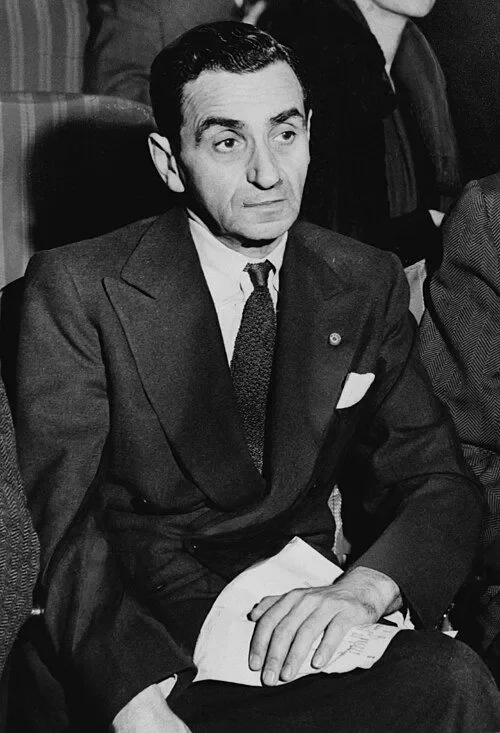
Irving Berlin
Born11 May, 1888
Died22 Sep, 1989
NationalityAmerican
Age at time of death101
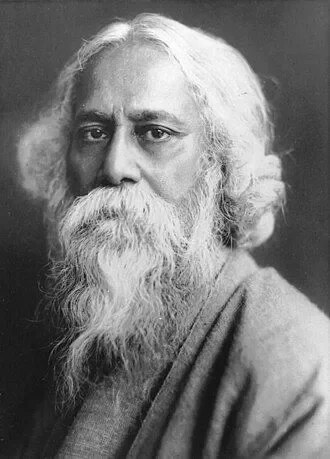
Rabindranath Tagore
Born07 May, 1861
Died08 Aug, 1941
NationalityIndian
Age at time of death80
Barry White
Born12 Sep, 1944
Died04 Jul, 2003
NationalityAmerican
Age at time of death58
Nina Simone
Born21 Feb, 1933
Died21 Apr, 2003
NationalityAmerican
Age at time of death70
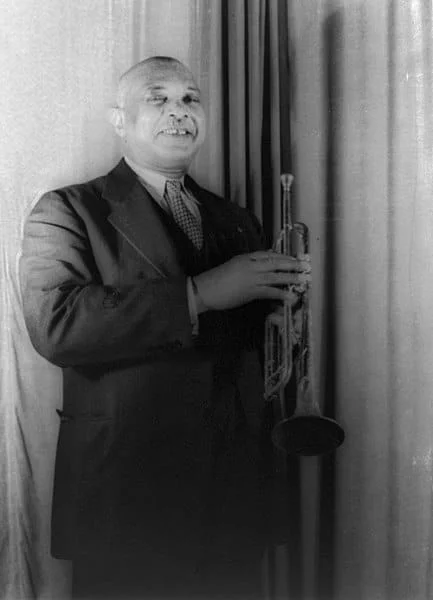
W.C. Handy
Born16 Nov, 1873
Died28 Mar, 1958
NationalityAmerican
Age at time of death84
Johnny Otis
Born28 Dec, 1921
Died17 Jan, 2012
NationalityAmerican
Age at time of death90
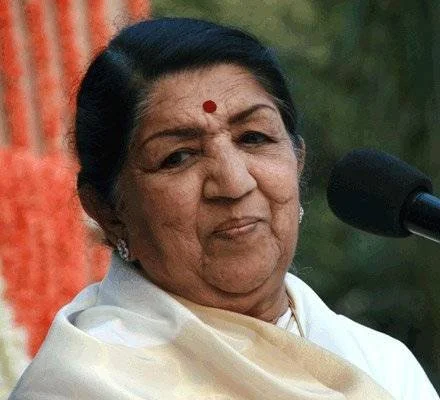
Lata Mangeshkar
Born28 Sep, 1929
Died06 Feb, 2022
NationalityIndian
Age at time of death92
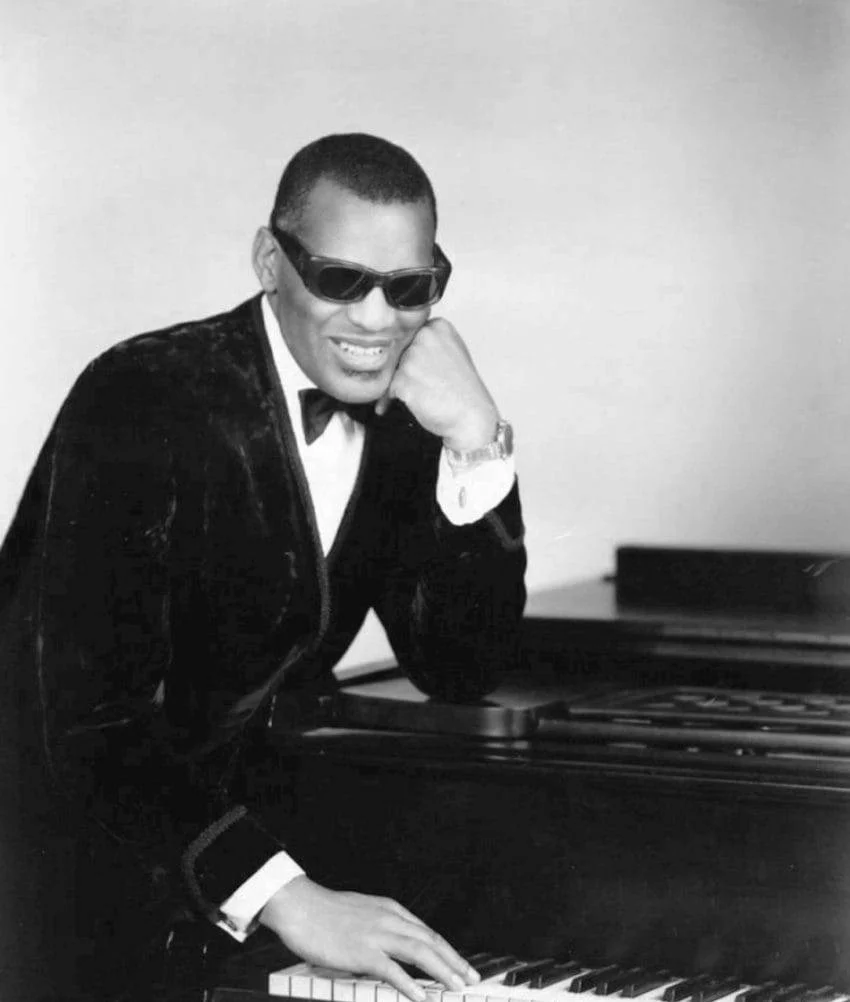
Ray Charles
Born23 Sep, 1930
Died10 Jun, 2004
NationalityAmerican
Age at time of death73
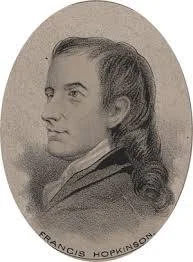
Francis Hopkinson
Born02 Oct, 1737
Died09 May, 1791
NationalityAmerican
Age at time of death53
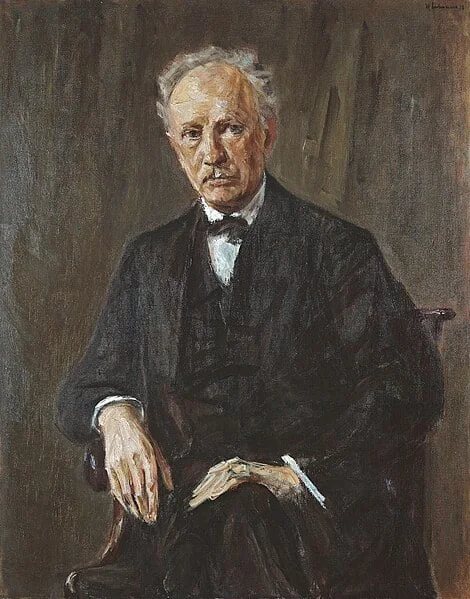
Richard Strauss
Born11 Jun, 1864
Died08 Sep, 1949
NationalityGerman
Age at time of death85
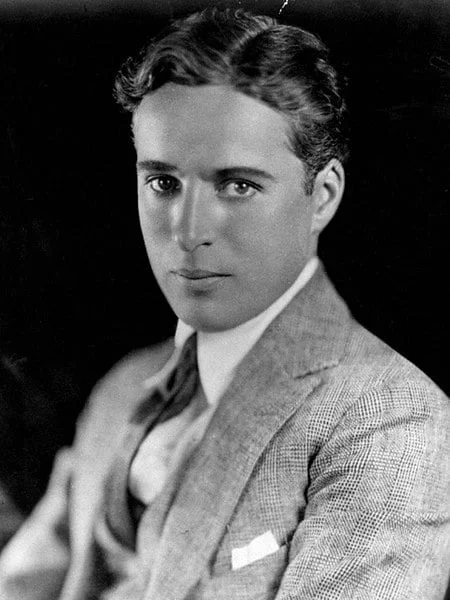
Charlie Chaplin
Born16 Apr, 1889
Died25 Dec, 1977
NationalityBritish
Age at time of death88
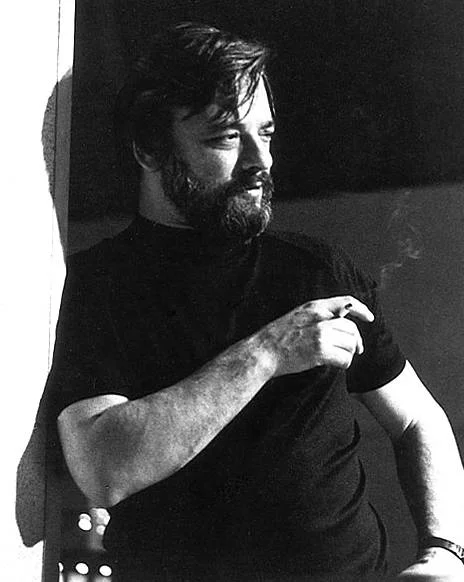
Stephen Sondheim
Born22 Mar, 1930
Died26 Nov, 2021
NationalityAmerican
Age at time of death91
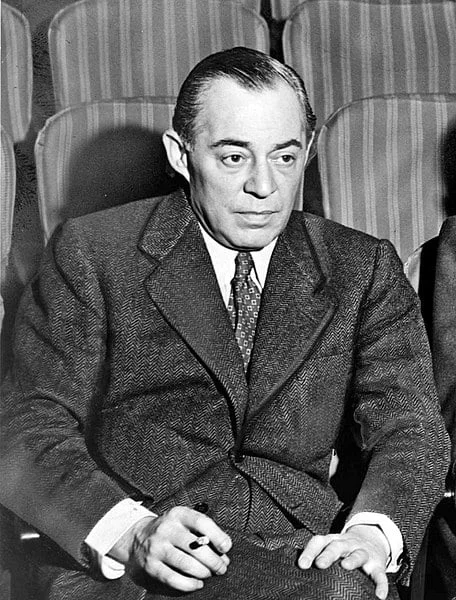
Richard Rodgers
Born28 Jun, 1902
Died30 Dec, 1979
NationalityAmerican
Age at time of death77
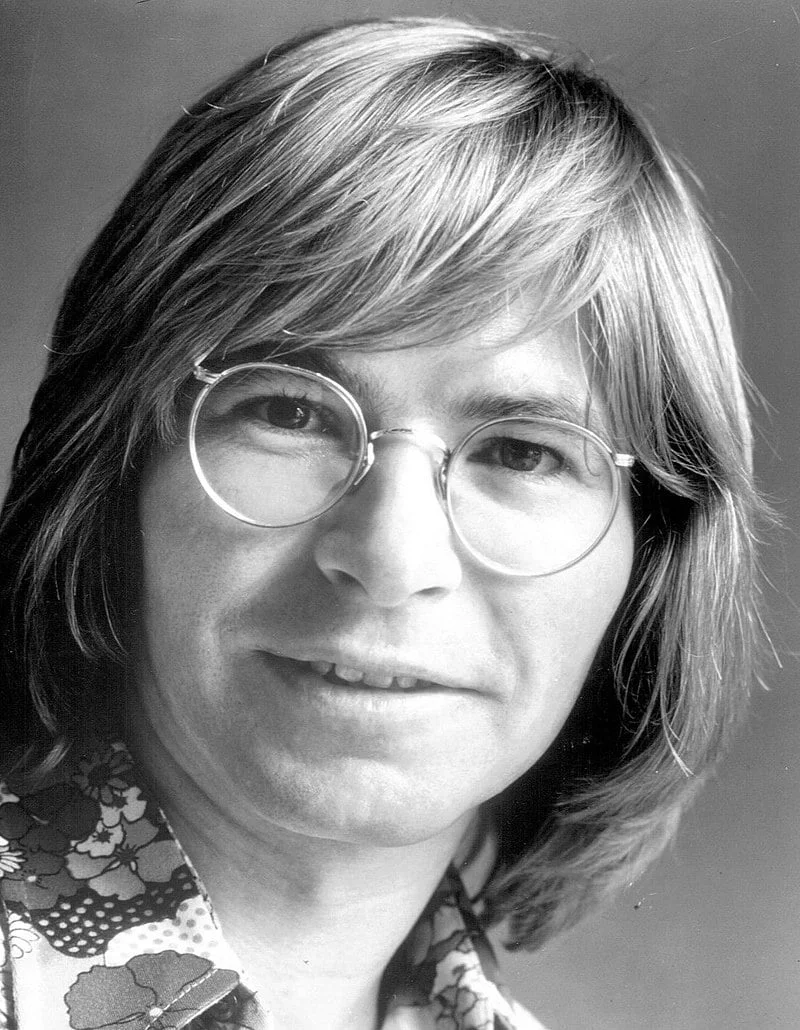
John Denver
Born31 Dec, 1943
Died12 Oct, 1997
NationalityAmerican
Age at time of death53
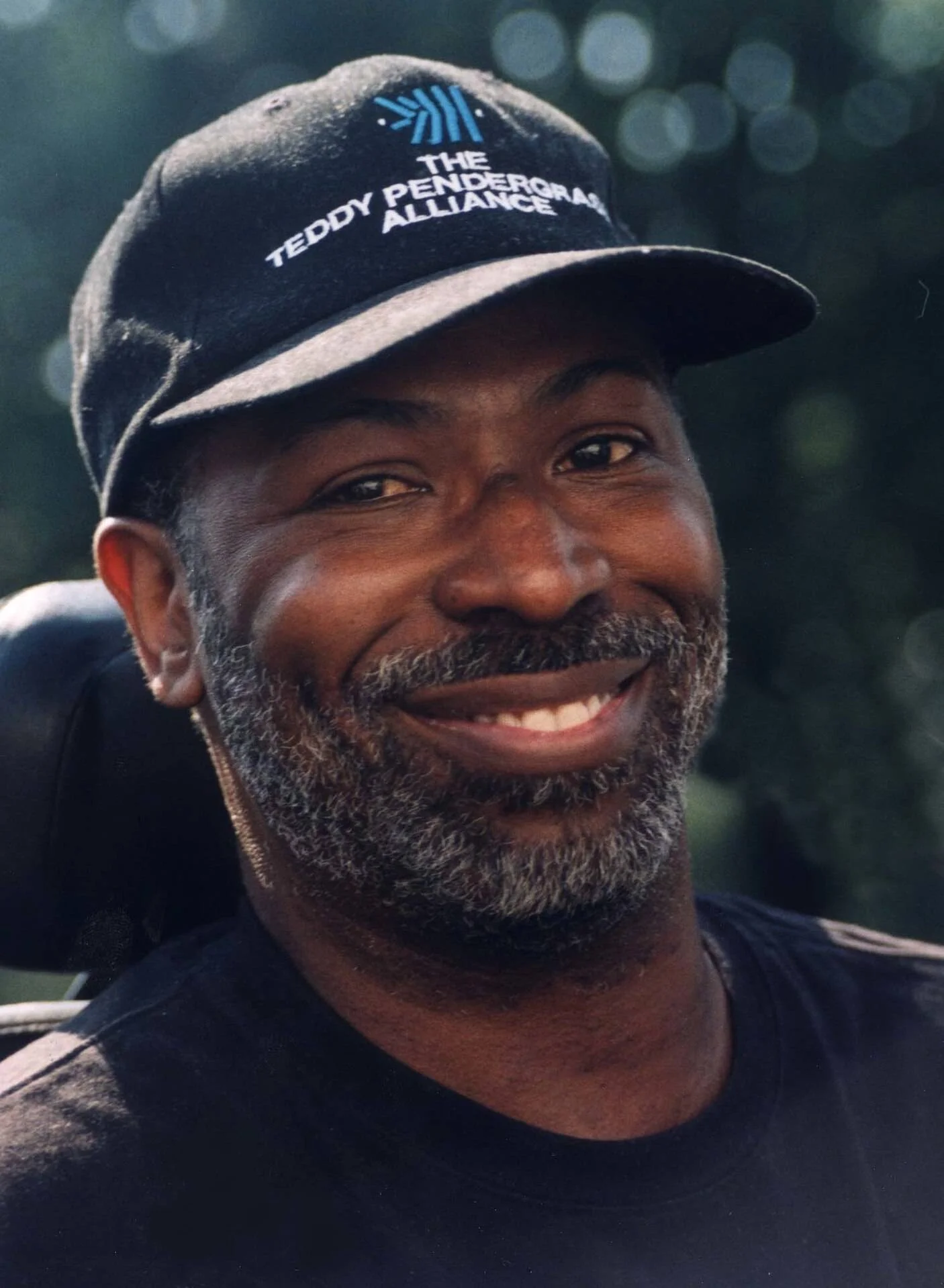
Teddy Pendergrass
Born26 Mar, 1950
Died13 Jan, 2010
NationalityAmerican
Age at time of death59
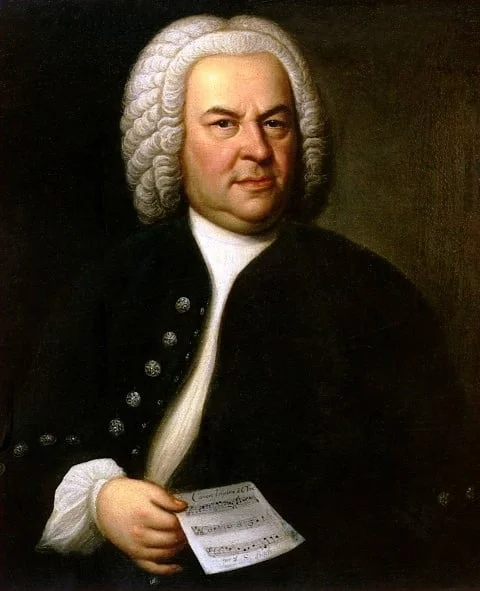
J S Bach
Born31 Mar, 1685
Died28 Jul, 1750
NationalityGerman
Age at time of death65
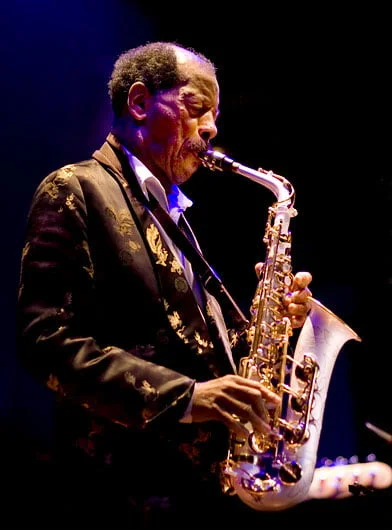
Ornette Coleman
Born09 Mar, 1930
Died11 Jun, 2015
NationalityAmerican
Age at time of death85
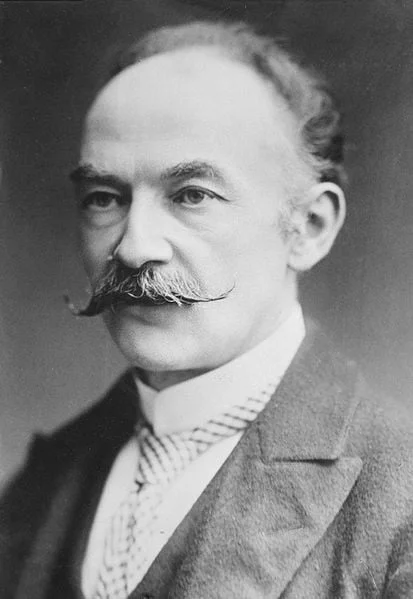
Thomas Hardy
Born02 Jun, 1840
Died11 Jan, 1928
NationalityBritish
Age at time of death87
George Martin
Born03 Jan, 1926
Died08 Mar, 2016
NationalityBritish
Age at time of death90
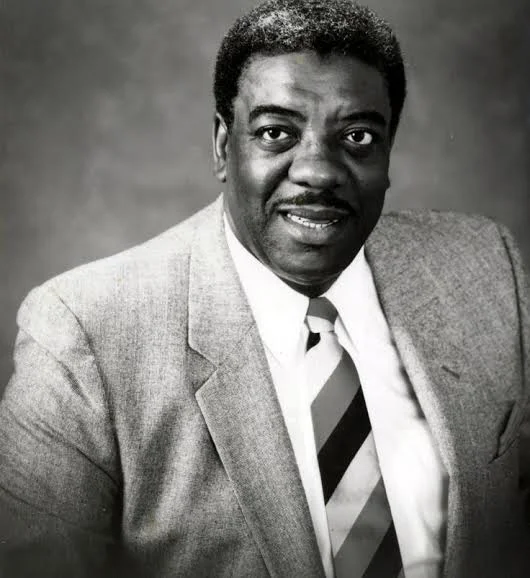
James Cleveland
Born05 Dec, 1931
Died09 Feb, 1991
NationalityAmerican
Age at time of death59