Real Celebrities Never Die!
OR
Search For Past Celebrities Whose Birthday You Share
Died Age: 51
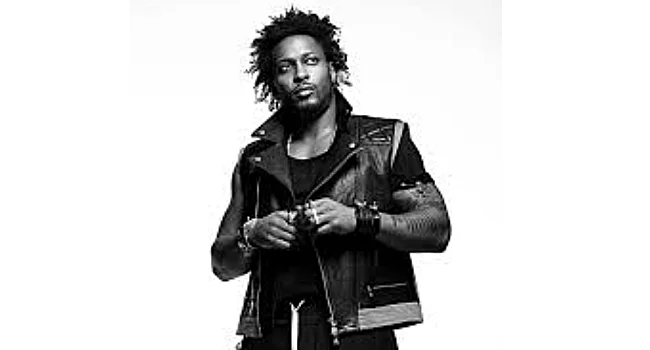
www.channelstv.com
D’Angelo
Birthday:
10 Feb, 1974
Date of Death:
13 Oct, 2025
Cause of death:
Pancreatic cancer
Nationality:
American
Famous As:
Multi-instrumentalist
Age at the time of death:
51
Michael Eugene Archer's Quote's

“I never claimed I do neo-soul. I make Black music.”
Michael Eugene Archer
🔗 deadcelebrityhub.com
Overview
D'Angelo was a rare talent whose voice and musicianship reshaped the landscape of soul and R&B. With a voice steeped in gospel warmth, a musical sensibility rooted in jazz, funk, and hip-hop, and a devotion to authenticity, he emerged not just as a singer but as a musical storyteller whose work resonated deeply. Over three decades, he crafted songs and albums that spoke of love, pain, resilience and hope.
Early Life
Michael Eugene Archer was born on February 11, 1974, in the Southside of Richmond, Virginia. Raised in a Pentecostal household — his father served as a preacher — the church was woven into the fabric of his childhood. Music wasn’t just background noise; it was woven into worship and family life. As early as age three, Mike was already at the family piano, teaching himself melodies and complex basslines by ear. His older brother recalled a moment when a three-year-old Michael surprised everyone by playing what sounded like a full song — an early glimpse of his extraordinary musical instinct.
Growing up, he gravitated toward local music scenes, joining bands formed with cousins and friends. Names like Three of a Kind, Precise, and Intelligent, Deadly but Unique (I.D.U.) marked those early steps. Through church services, family gatherings, and local shows, Mike honed his craft — blending the spirituality of gospel with the rhythms and soul of emerging R&B. That grounded upbringing laid the foundation for everything he would later accomplish.
Education and First Turning Points
Mike’s formal schooling took a backseat when his musical potential began to demand attention. By his late teens, he and his group decided to challenge themselves — literally — on stage. In 1991, at age 17, they entered the storied Amateur Night competition at Harlem’s Apollo Theatre. The first performance was shaky; nerves got to him. But when he returned the following year, something had shifted. With a confident, soul-charged performance, he won, not just once, but for three consecutive weeks. That streak earned the group notice and cash prizes, and confirmed to Mike that music was where he belonged.
Emboldened, he dropped out of school and moved to New York City with his sights set on music. It was a bold move — trading conventional expectations for a dream. But for Mike Archer, that leap was both inevitable and necessary.
Career Journey
Early Career & First Breakthrough (1993–1995)
In New York, Mike’s talent began to catch the eyes (and ears) of industry insiders. After an audition in 1993, he was signed to EMI — a significant validation for a young man who once played piano in church pews. Shortly after, in 1994, he co-wrote and co-produced “U Will Know,” a powerful anthem by a group called Black Men United. The song featured many established R&B stars — and it marked the arrival of Michael Archer on the national stage.
The next year, he released his debut album, Brown Sugar. Rich, sensual, and soaked in soulful grooves and jazzy undertones, it immediately resonated. Songs like “Lady” — with its warm vocals and gentle bass — climbed the charts, and the album ultimately went platinum. But more than that, Brown Sugar introduced a new sound: one that felt timeless, spiritual, intimate, and deeply modern. That sound would come to be known as “neo-soul,” and D’Angelo was at its heart.
Crafting a Modern Classic — Growth, Struggle and Triumph (1996–2000)
After the success of Brown Sugar, D’Angelo didn’t rush to churn out hits. Instead, he retreated — wrestling with creative and personal pressures, searching for depth beyond fame. For a while, he released only a handful of covers and soundtrack songs. But those years weren’t wasted: they were a crucible. He was living life — absorbing its highs and lows — preparing for something deeper.
In 2000, he emerged again with the album Voodoo. Mellow, hypnotic, layered with groove, soul, and raw honesty, Voodoo struck a chord. The single “Untitled (How Does It Feel)” resonated with intimacy and vulnerability, while other tracks delved into love, pain, joy, and doubt. The album won him his first Grammy and cemented his reputation not just as a singer, but as an artist unafraid to explore — to bare emotion. In doing so, he redefined what R&B could be.
Yet, with acclaim came attention. D’Angelo spoke candidly about his discomfort with the trappings of commercial success, insisting art should serve expression — not markets. That same honesty, combined with his deep personal introspection, ushered him into a period of retreat: creative silence, public absence, and intense self-reflection.
Return and Later Career (2014–2025)
After more than a decade away from the spotlight, D’Angelo returned in 2014 with Black Messiah — a record saturated with social consciousness, soulful anger, and spiritual longing. At a time when the world was grappling with injustice, race, identity and hope, Black Messiah resonated instantly. Driven by mature artistry, it blended his signature soulful grooves with protest, reflection, longing and love. Songs like “Really Love” captured tenderness and longing, while the album’s broader themes spoke to a generation. Black Messiah earned him Grammy recognition again, proving that his creative light had not dimmed — it had evolved.
In the ensuing years, though health challenges mounted, D’Angelo remained involved creatively. He contributed to soundtracks, collaborated with peers, and even began work on new music before illness forced a hiatus. Through it all, his devotion to authenticity, his mastery of multiple instruments, his songwriting, his ability to fuse gospel, funk, hip-hop and soul — remained undiminished.
Personal Life
Outside the spotlight, Michael Archer was a private man. In the 1990s, he was romantically involved with fellow soul singer Angie Stone; together they had a son, Swayvo Twain (born Michael Archer Jr.). Later, he fathered two more children: a daughter and another son. Despite fame, D’Angelo remained deeply connected to his roots: the rhythms of Richmond, the hymns of church pews, the intimate conversations behind studio doors. Though he never married, he was a father — and through his children, a legacy would live on.
But beyond family, D’Angelo carried human vulnerabilities: doubt, introspection, the desire for solitude. Fame and expectation weighed heavily at times. And yet, rather than shy away, he channelled these struggles into his music — transforming personal pain into universal soul.
Legacy
D’Angelo’s passing in 2025 marked the end of a luminous life — but his influence continues. He was more than a singer: he was a bridge between church pews and neon clubs; between gospel hymns and street rhythms; between sorrow and joy. He redefined R&B and soul for a generation — not through flashy gimmicks, but through honesty, heart, and craft.
His albums stand as modern classics, each marking a chapter in his evolving artistry. His songs continue to inspire new artists, influence genres, and comfort listeners worldwide. His ability to blend spirituality with sensuality, social consciousness with deep emotion, created a musical language that remains timeless.
In the story of contemporary soul, D’Angelo will be remembered as a visionary who let his inner voice guide him. Though he is gone, his music remains as a testament to what happens when talent, courage, and authenticity converge.
He leaves behind not just songs, but a blueprint for artists who dare to merge heart, soul, and truth.
Profile Snapshot
Name:
Michael Eugene Archer
Popular Name:
D’Angelo
Gender:
Male
Cause of Death:
Pancreatic cancer
Spouse:
Unmarried
Place of Birth:
Richmond, Virginia, United States
Place of Death:
New York, New York, United States
Occupation / Profession:
Multi-instrumentalist
Record producer.
Singer-songwriter
Personality Type
Entertainer: D’Angelo was a calm, thoughtful person who cared deeply about making honest, real music that came straight from the heart.
Michael Eugene Archer's Interesting Facts
D’Angelo rejected the “neo-soul” label and preferred to describe his work simply as “Black music.”
His second album, Voodoo, debuted at No. 1 on the Billboard 200 and became one of the era’s most influential R&B records
In 2016, he again swept key R&B categories with Black Messiah, reaffirming his status as one of soul music’s most important modern voices.
Achievements & Awards
D’Angelo earned four Grammy Awards across his career, including major wins for Voodoo, Black Messiah, and the song “Really Love.”
His second album, Voodoo, debuted at No. 1 on the Billboard 200 and became one of the era’s most influential R&B records.
In 2016, he again swept key R&B categories with Black Messiah, reaffirming his status as one of soul music’s most important modern voices.
Across three landmark albums, he reshaped contemporary R&B with artistry that was both innovative and timeless.
External Links
Additional Links
Latest Profiles
People also viewed
Elliot Smith
Born06 Aug, 1969
Died21 Oct, 2003
NationalityAmerican
Age at time of death34
Brian Jones
Born28 Feb, 1942
Died03 Jul, 1969
NationalityBritish
Age at time of death27
Bill Haley
Born06 Jul, 1925
Died09 Feb, 1981
NationalityAmerican
Age at time of death55
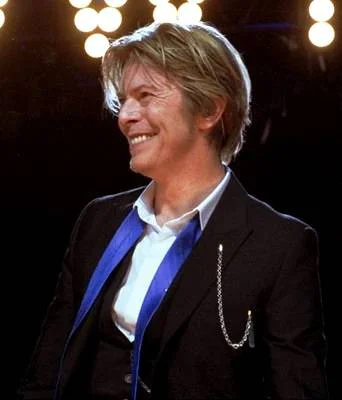
David Bowie
Born08 Jan, 1947
Died10 Jan, 2016
NationalityBritish
Age at time of death69
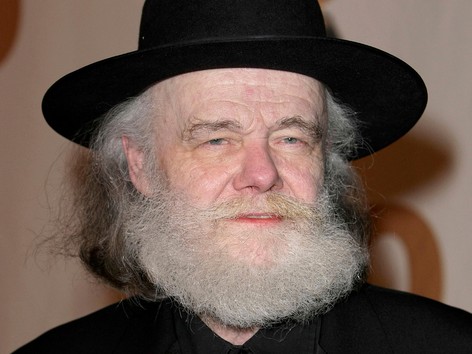
Garth Hudson
Born02 Aug, 1937
Died21 Jan, 2025
NationalityCanadian
Age at time of death87
Angie Stone
Born18 Dec, 1961
Died01 Mar, 2025
NationalityAmerican
Age at time of death63
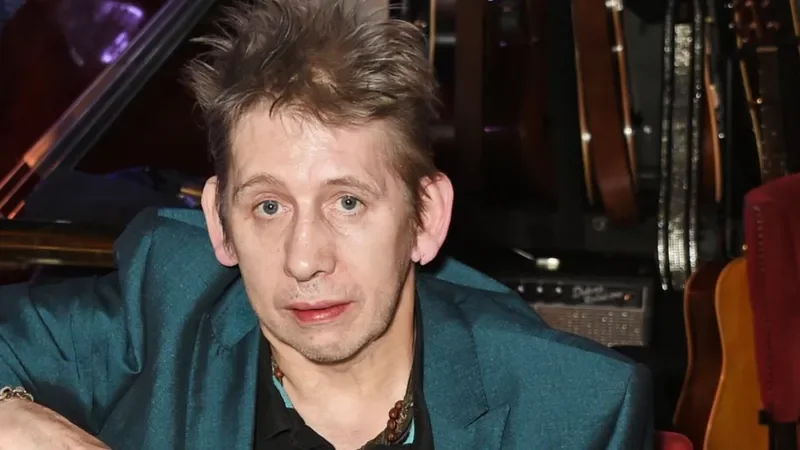
Shane MacGowan
Born25 Dec, 1957
Died30 Nov, 2023
NationalityIrish
Age at time of death65
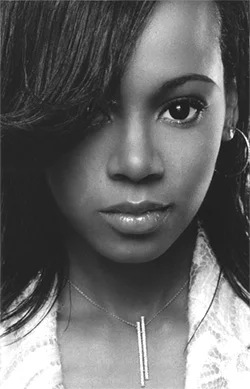
Left Eye
Born27 May, 1971
Died25 Apr, 2002
NationalityAmerican
Age at time of death30
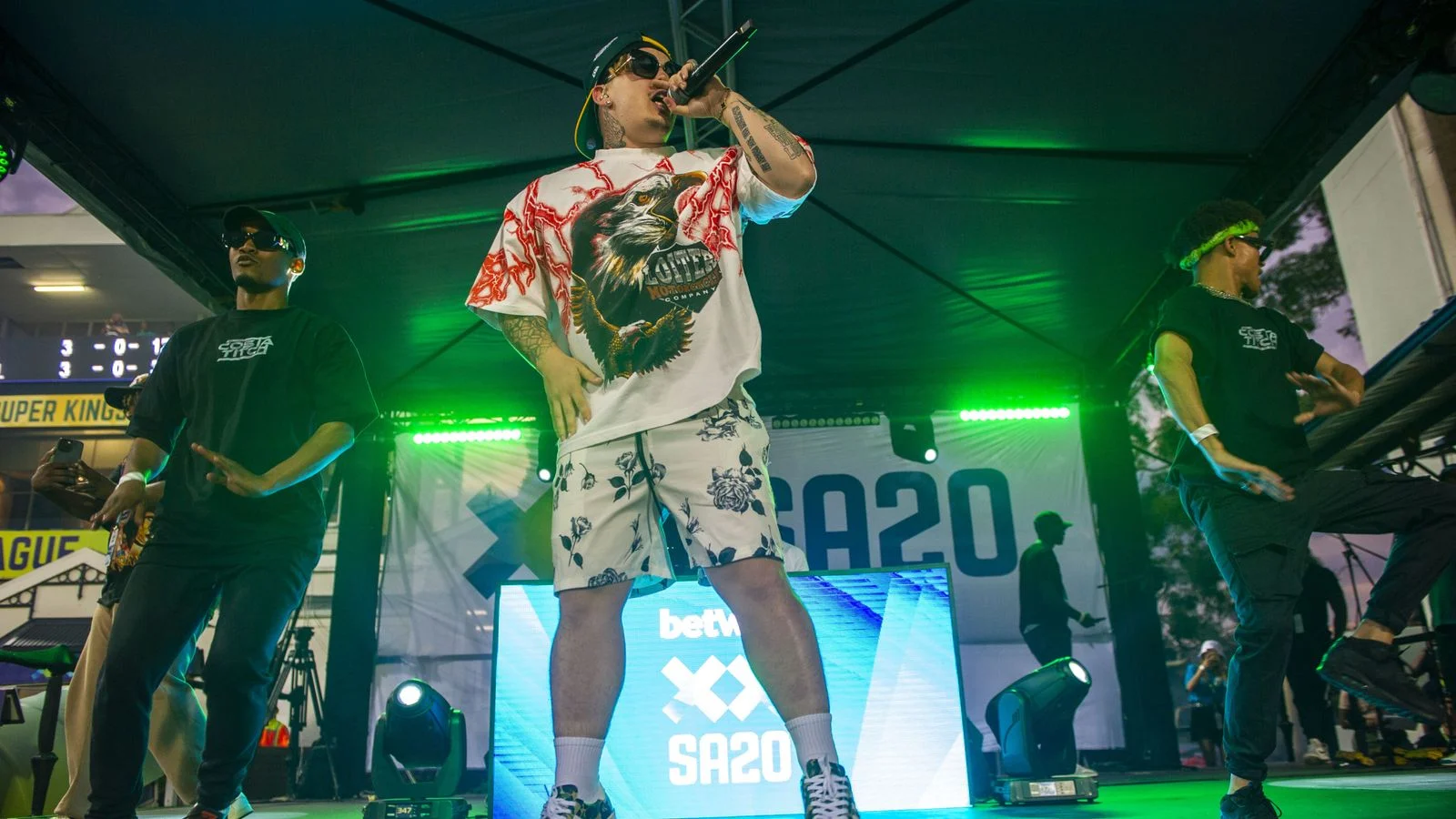
Costa Titch
Born24 Jan, 1995
Died10 Mar, 2023
NationalitySouth African
Age at time of death28