Real Celebrities Never Die!
OR
Search For Past Celebrities Whose Birthday You Share
Died Age: 92
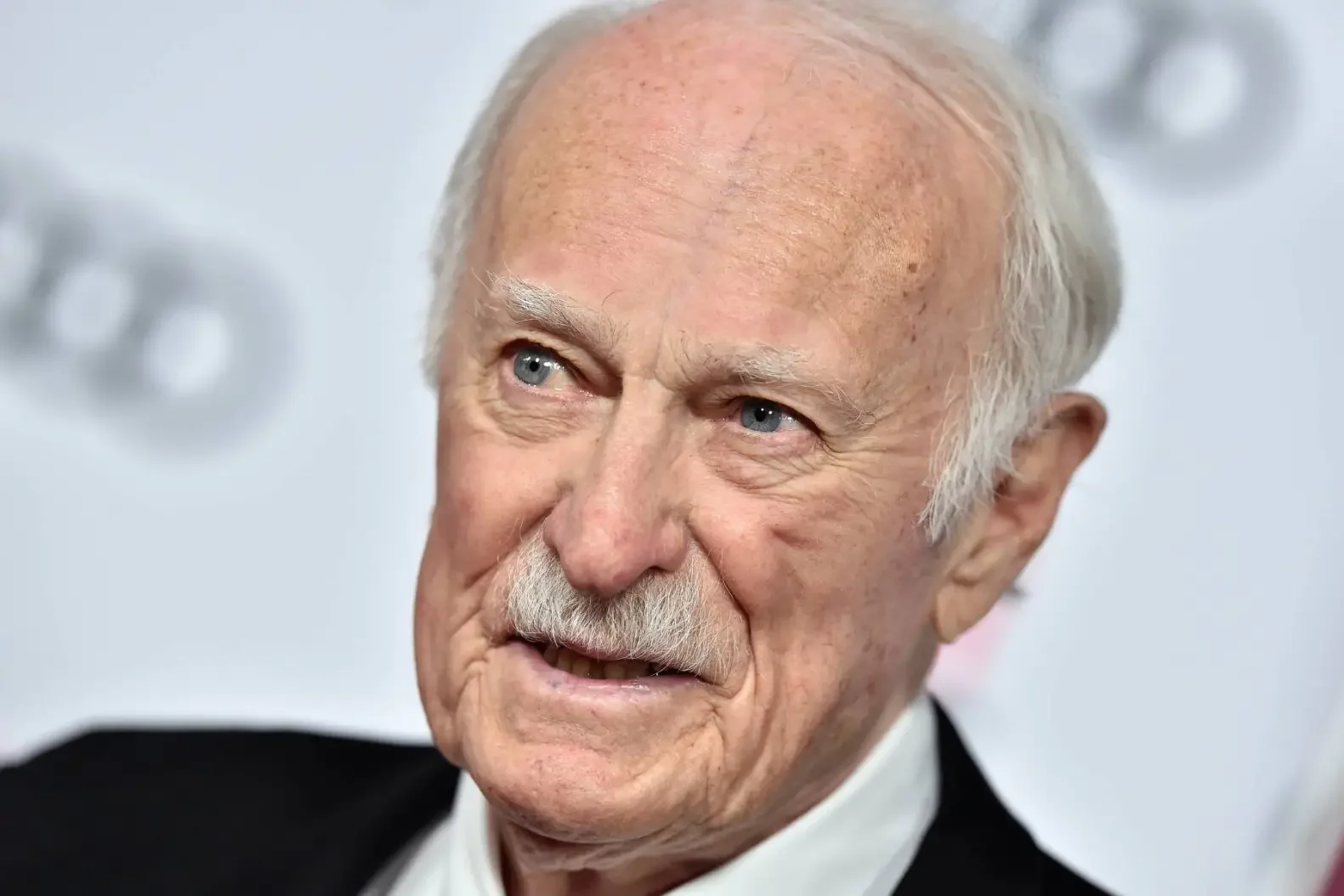
www.rollingstone.com
Dabney Coleman
Birthday:
02 Jan, 1932
Date of Death:
15 May, 2024
Cause of death:
Cardiac arrest
Nationality:
American
Famous As:
Actor
Age at the time of death:
92
Dabney Wharton Coleman's Quote's

“You always think a job’s going to change your life—then you realise it’s just more work.”
Dabney Wharton Coleman
🔗 deadcelebrityhub.com
Early Life: From Modest Roots to Big Dreams
Dabney Coleman never needed to be the leading man to steal a scene. With his signature moustache, sly smirk, and razor-sharp comedic instincts, Coleman carved a career out of characters you loved to loathe: bosses with too much power, bureaucrats with too little self-awareness, and men whose egos far outpaced their achievements. For more than five decades, he was Hollywood’s favourite heel: a character actor who left a leading-man-sized impression. Beneath the bluster and bravado of his most iconic roles lay the instincts of a true craftsman who made being bad look so good in movies.
Dabney Wharton Coleman was born on January 3, 1932, in Austin, Texas, into a quiet Southern family that valued education and hard work. He was the youngest of four children, and his father died when Dabney was just four years old. Raised by his mother, Mary Wharton Coleman, he grew up with a strong sense of resilience and independence, qualities that would later inform the toughness and wit of his screen characters.
Though Coleman wasn’t born into a showbiz family, his charisma was apparent early on. Friends recall him as charming, effortlessly funny, and a natural mimic. However, acting wasn’t his first dream. In fact, his early years were shaped more by sports and service than by stage and screen. After high school, Coleman attended the Virginia Military Institute and then the University of Texas, where he briefly considered law. But fate had other plans, and also, Hollywood was calling.
Education and a Late-Blooming Calling
Coleman’s path to acting was anything but direct. After serving in the U.S. Army during the Korean War, he returned to civilian life with a new outlook and an uncertain future. Then, a chance encounter with a friend who’d studied acting changed everything. Inspired, Coleman enrolled at the Neighbourhood Playhouse in New York City, where he studied under the legendary Sanford Meisner.
It was here, in the heart of Manhattan’s theatre district, that Coleman discovered a deep passion for performance. His classmates included Robert Duvall and Diane Keaton. They were actors who, like him, would come to define an era. Though he started late, his seriousness and commitment were undeniable. He wasn’t in it for fame; he wanted to be good.
Career Journey: The Long Game to Lasting Fame
The Early Years: Climbing Slowly but Surely
Coleman’s career began with small television roles in the early 1960s with bit parts on shows like The Fugitive, Bonanza, and The Outer Limits. For more than a decade, he was a journeyman actor, dependable and present but not yet distinguishable. Hollywood, it seemed, didn’t quite know what to do with him.
But in the mid-1970s, things began to shift. His roles grew meatier, and his persona more defined. There was something about the way he delivered a line—mocking, yet magnetic, which made audiences take notice.
Breakthrough and Golden Era: The Man You Love to Hate
Coleman hit his stride in the 1980s, becoming one of the most recognisable and reliably funny faces in film. He had a knack for playing antagonists who were so hilariously out of touch that they became endearing in spite of themselves.
In the 1980’s 9 to 5, he played the chauvinistic boss Franklin Hart Jr., opposite Jane Fonda, Lily Tomlin, and Dolly Parton. The role was a revelation and an instant classic. His blend of sleaze and slapstick made him unforgettable. Critics praised him for creating a cartoonish villain without being flat.
The hits kept coming: Tootsie (1982), where he played the lecherous soap opera director; WarGames (1983), where he portrayed a government official with icy authority; and Cloak & Dagger (1984), one of his rare heroic roles, which earned him a new generation of young fans.
Later Career: A Subtle Shift and a Return to Drama
In the 1990s and 2000s, Coleman transitioned into more complex, often dramatic roles. He starred in the TV series The Slap Maxwell Story, Buffalo Bill, and later in HBO’s Boardwalk Empire, where he played the Commodore, a corrupt, menacing figure in stark contrast to his earlier comic roles.
He also lent his voice to the animated series Recess, bringing an unexpected warmth to Principal Prickly. Even in animation, Coleman managed to infuse his characters with a perfect mix of bluster and vulnerability.
Personal Life: The Man Behind the Moustache
Despite a career built on playing blowhards and bullies, those who knew Coleman describe him as reserved, intelligent, and deeply thoughtful. He was married twice and had four children. Off-screen, he was a tennis enthusiast and often played in celebrity tournaments, even earning a reputation as one of the best players in Hollywood.
Coleman even once trained as a classical pianist and had a deep appreciation for jazz, which is a reflection of the subtle complexity he brought to his performances.
Legacy: The Character Actor Who Defined a Generation
Dabney Coleman didn’t need a marquee name or a leading role to make a lasting impact. His genius lay in elevating the supporting role into something unforgettable. He was the villain you quoted, the boss you feared, the face you recognised even if you didn’t know his name.
Over the years, he earned an Emmy Award, a Golden Globe, and the admiration of peers and audiences alike. In an industry often driven by flash, Coleman built a legacy on consistency, timing, and a refusal to be anything but authentic.
He passed away in 2024, leaving behind a body of work that spans genres, decades, and generations. More importantly, he left behind a lesson for aspiring actors everywhere: Be memorable, be true to your craft, and never underestimate the power of a perfectly timed smirk.
Profile Snapshot
Name:
Dabney Wharton Coleman
Popular Name:
Dabney Coleman
Gender:
Male
Cause of Death:
Cardiac arrest
Spouse:
Jean Hale
Ann Courtney Harrell
Place of Birth:
Austin, Texas, United States
Place of Death:
Santa Monica, California, United States
Occupation / Profession:
Actor
Personality Type
Commander: Bold, imaginative and strong-willed leaders, always finding a way – or making one. A sharp-minded, confident leader with a flair for turning wit into power
Dabney Wharton Coleman's Interesting Facts
Coleman was originally cast in the pilot for The Mary Tyler Moore Show but was replaced before it aired.
He trained for a time as a classical pianist and maintained a lifelong love for jazz music.
Despite playing many gruff or cynical roles, he was known among peers for being thoughtful, private, and deeply professional.
Achievements & Awards
Dabney Coleman built an extraordinary career spanning over six decades, becoming a master of the antagonistic supporting role with unforgettable performances in 9 to 5, Tootsie, and Boardwalk Empire.
He won a Primetime Emmy Award in 1987 for Sworn to Silence and received a Golden Globe in 1988 for The Slap Maxwell Story.
His portrayal of flawed, often egotistical characters brought a unique depth to television and film, earning him critical respect and industry admiration.
In 2014, he was honoured with a star on the Hollywood Walk of Fame, cementing his legacy as one of Hollywood’s most distinctive character actors.
Latest Profiles
People also viewed
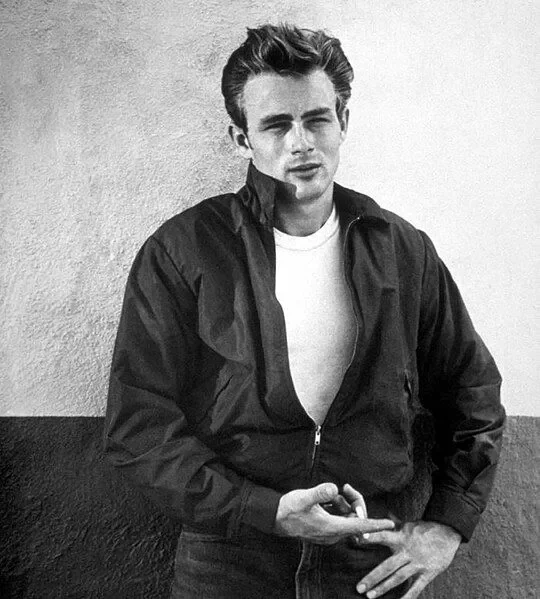
James Dean
Born08 Feb, 1931
Died30 Sep, 1955
NationalityAmerican
Age at time of death24
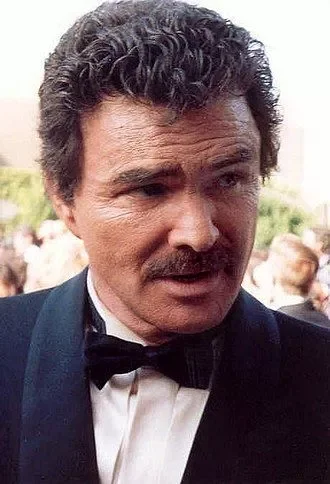
Burt Reynolds
Born11 Feb, 1936
Died06 Sep, 2018
NationalityAmerican
Age at time of death82
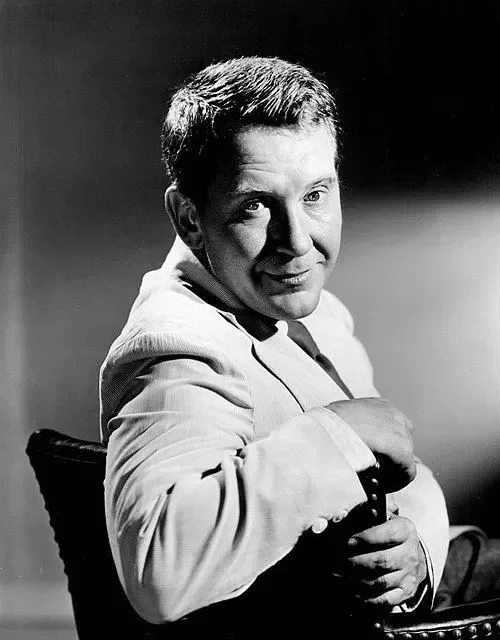
Oliver Burgess Meredith
Born16 Nov, 1907
Died09 Sep, 1997
NationalityAmerican
Age at time of death89

Paul Walker
Born12 Sep, 1973
Died30 Nov, 2013
NationalityAmerican
Age at time of death40
Jonathan Brandis
Born13 Apr, 1976
Died12 Nov, 2003
NationalityAmerican
Age at time of death27

Anton Yelchin
Born11 Mar, 1989
Died19 Jun, 2016
NationalityAmerican
Age at time of death27

Chester Bennington
Born20 Mar, 1976
Died20 Jul, 2017
NationalityAmerican
Age at time of death41
Peter Fonda
Born23 Feb, 1940
Died16 Aug, 2019
NationalityAmerican
Age at time of death79
Jerry Lewis
Born16 Mar, 1926
Died20 Aug, 2017
NationalityAmerican
Age at time of death91
Marlon Brando
Born03 Apr, 1924
Died01 Jul, 2004
NationalityAmerican
Age at time of death80
James Stewart
Born20 May, 1908
Died02 Jul, 1997
NationalityAmerican
Age at time of death89

Cory Monteith
Born11 May, 1982
Died13 Jul, 2013
NationalityCanadian
Age at time of death31

Christopher Lee
Born27 May, 1922
Died07 Jun, 2015
NationalityBritish
Age at time of death93
Paul Mooney
Born04 Aug, 1941
Died19 May, 2021
NationalityAmerican
Age at time of death79
George Murphy
Born04 Jul, 1902
Died03 May, 1992
NationalityAmerican
Age at time of death89
Fred Ward
Born30 Dec, 1942
Died08 May, 2022
NationalityAmerican
Age at time of death79
Frank Sinatra
Born12 Dec, 1915
Died14 May, 1998
NationalityAmerican
Age at time of death82

Eric Morecambe
Born14 May, 1926
Died28 May, 1984
NationalityBritish
Age at time of death58

DMX
Born18 Dec, 1970
Died09 Apr, 2021
NationalityAmerican
Age at time of death50
Alfred Hitchcock
Born13 Aug, 1899
Died29 Apr, 1980
NationalityAmerican, British
Age at time of death80