Real Celebrities Never Die!
OR
Search For Past Celebrities Whose Birthday You Share
Died Age: 29
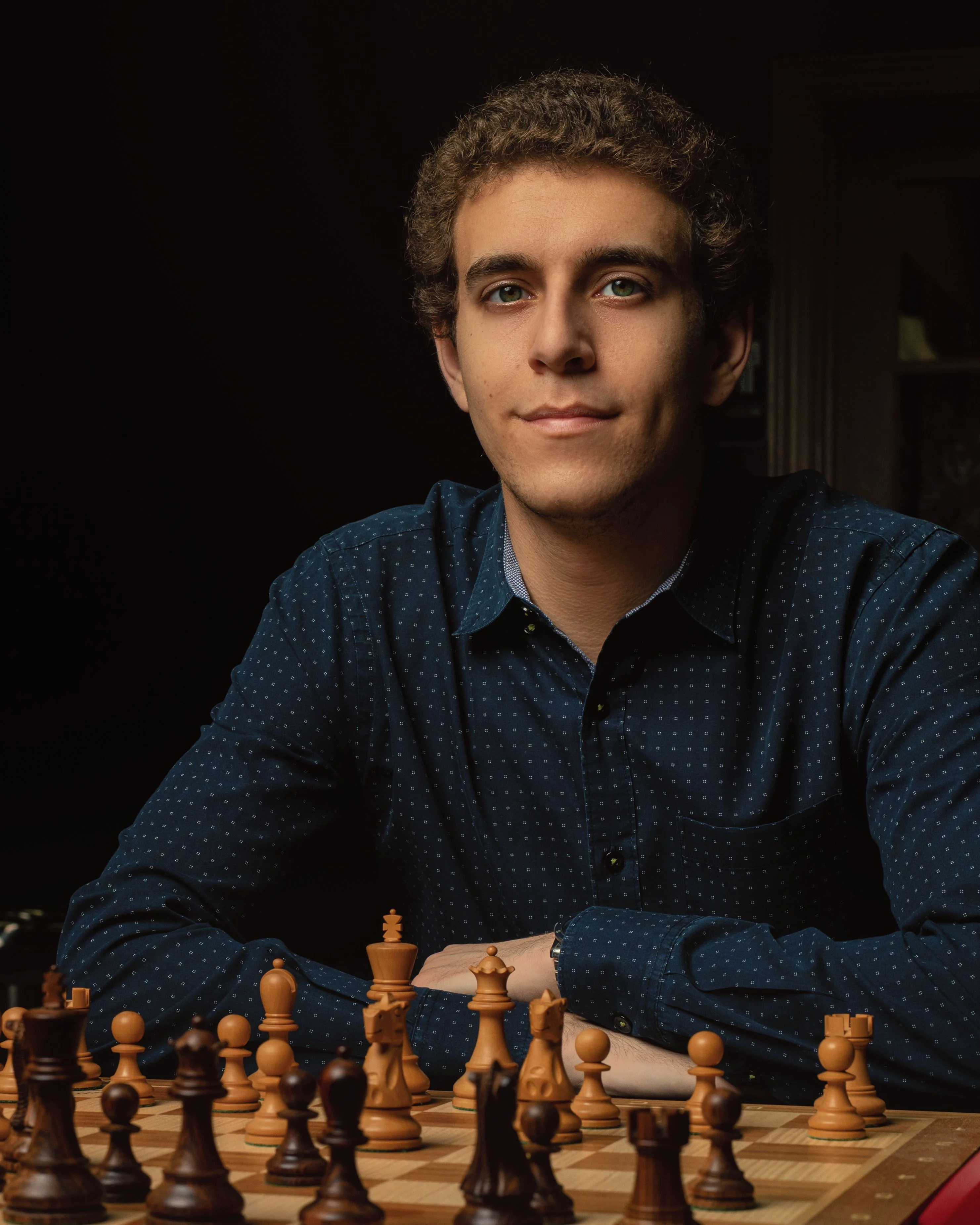
images.chesscomfiles.com
Daniel Naroditsky
Birthday:
08 Nov, 1995
Date of Death:
18 Oct, 2025
Cause of death:
Drug Overdose or Suicide
Nationality:
American
Famous As:
American chess grandmaster (GM)
Age at the time of death:
29
Early Life: A Prodigy with a Poet’s Mind
Daniel Naroditsky’s story is that rare blend of brilliance and humility—a tale of a prodigy who not only conquered chessboards but also redefined what it means to teach, inspire, and connect through the game. Known for his fluid storytelling, analytical precision, and quiet charisma, Naroditsky has become one of the most beloved figures in modern chess—a bridge between the game’s classical traditions and its digital renaissance.
Daniel Naroditsky was born on November 9, 1995, in San Mateo, California, into a family that nurtured both intellect and curiosity. His father, Vladimir, and mother, Irina, were immigrants from the former Soviet Union—a culture steeped in chess. At six years old, Daniel discovered the game that would shape his life, learning its rhythms and mysteries at the Bay Area’s Mechanics’ Institute, one of America’s oldest chess clubs.
He wasn’t just a quick learner—he was a storyteller even then. Those who saw him play recall a child who didn’t merely move pieces, but built narratives on the board. By the time he was ten, he was already competing nationally, earning recognition for his calm demeanour and uncanny ability to visualise long, complex sequences.
Education: The Scholar Behind the Grandmaster
Naroditsky’s education was never confined to the chessboard. A voracious reader and deep thinker, he balanced competitive chess with academic excellence, eventually attending Stanford University, where he studied history. The discipline suited him—he approached chess as both an art and a historical dialogue, learning not just positions but the personalities who created them.
It was during these years that Naroditsky began writing. At just fourteen, he published Mastering Positional Chess, an extraordinary achievement for someone so young. Two more books followed, blending accessible instruction with literary grace—a foreshadowing of the teacher he would become.
Career Journey: From Over-the-Board to Online Icon
Early Triumphs
Naroditsky’s rise through the ranks was meteoric. He became the U.S. Junior Champion in 2007 and the youngest published chess author in history the same year. In 2013, he earned the title of Grandmaster—an honour that placed him among the elite few who had mastered the game at its deepest level.
Yet even as he competed internationally, Daniel was already charting a different kind of path—one that blended competition with communication.
Becoming a Voice of the Game
As chess entered its digital age, Naroditsky found his true calling as one of its most articulate ambassadors. His commentaries—first for major online tournaments, later for global audiences on platforms like Chess.com and Twitch—earned him a loyal following.
What set him apart wasn’t just his deep understanding of the game, but his ability to make it come alive. Whether explaining a subtle endgame nuance or describing the tension of a blitz battle, Naroditsky’s tone was that of a storyteller—equal parts mentor, friend, and philosopher.
He became known simply as “Danya” to his fans, a trusted guide in the often-intimidating world of high-level chess. His blitz streams, where he juggled lightning-fast play with detailed explanations, became legendary—proof that intellect and warmth could coexist in a single broadcast.
Challenges and Evolution
The life of a chess professional is rarely smooth. There were years when Naroditsky stepped back from constant competition, seeking balance between personal growth and professional commitment. Rather than retreating, he evolved—using that time to teach, write, and build one of the most respected educational platforms in the chess world.
As streaming transformed chess into a global spectator sport, Naroditsky stood at its centre—not as a celebrity chasing numbers, but as a teacher reminding the world that chess, at its heart, is about connection.
Personal Life: Grace Beyond the Board
Away from the spotlight, Naroditsky is known for his modesty and thoughtfulness. Friends and colleagues often describe him as introspective, with a wry sense of humour and an almost old-fashioned courtesy. He enjoys classical music, literature, and philosophy—pursuits that often echo in his commentary, where a single game can spark reflections on creativity, risk, and the human mind.
A fun bit of trivia: despite being one of the world’s fastest blitz players online, Naroditsky often plays with a serene expression, barely showing emotion even in chaotic positions—a demeanour fans jokingly refer to as “Zen Grandmaster mode.”
Legacy: The Heart of Modern Chess
Daniel Naroditsky’s legacy reaches far beyond his titles or ratings. He represents a new archetype of the chess master—not just a competitor, but a communicator, educator, and artist. Through his writing, commentary, and teaching, he has brought the intricacies of chess to millions, transforming the game from a symbol of intellect into a celebration of human creativity.
In an era defined by fast clicks and fleeting fame, Naroditsky remains a reminder that mastery and humility can coexist—that brilliance doesn’t have to be loud to be powerful. Whether he’s narrating a tense endgame, teaching a young student, or reflecting on the philosophy of chess itself, Daniel Naroditsky continues to do what he has always done best: make the ancient game feel alive, human, and endlessly inspiring.
Profile Snapshot
Name:
Daniel Aaron Naroditsky
Popular Name:
Daniel Naroditsky
Gender:
Male
Cause of Death:
Drug Overdose or Suicide
Spouse:
Place of Birth:
San Mateo, California, United States
Place of Death:
Charlotte, North Carolina, United States
Occupation / Profession:
American chess grandmaster (GM)
Commentator
Content creator
Personality Type
Logistician: Daniel Naroditsky possesses the calm focus of someone who thinks deeply before speaking; he approaches chess and life with quiet confidence, sharp insight, and a genuine curiosity that challenges and inspires those around him.
Daniel Aaron Naroditsky's Interesting Facts
Daniel once served as the Resident Grandmaster at the Mechanics’ Institute Chess Club in San Francisco—the same historic club where he first learned the game.
He has a deep love for classical music, often comparing chess strategy to the art of musical composition.
Interestingly, despite his calm, analytical nature, he is also a formidable bullet chess player with a lightning-fast intuition.
Achievements & Awards
Daniel Naroditsky became a Grandmaster in 2013, one of the youngest Americans ever to earn the title. He won the U.S. Junior Championship in 2007 and later represented the United States in international competitions, including the World Team Championship.
Beyond competitive success, he gained recognition as an author of acclaimed instructional books like Mastering Positional Chess and Mastering Complex Endgames. Today, he is celebrated not only as a top-tier player but also as one of the most respected chess commentators and educators in the world.