Real Celebrities Never Die!
OR
Search For Past Celebrities Whose Birthday You Share
Died Age: 81
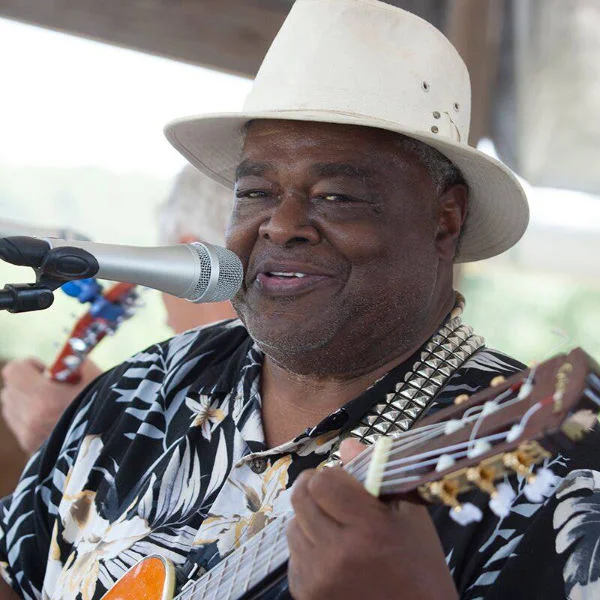
blueskc.org
Danny Cox
Birthday:
17 Jul, 1943
Date of Death:
06 Mar, 2025
Cause of death:
Heart failure
Nationality:
American
Famous As:
Folk singer
Age at the time of death:
81
Daniel Cox Jr.'s Quote's

“If you’re not singing about something that matters, you’re just making noise.”
Daniel Cox Jr.
🔗 deadcelebrityhub.com
Early Life
Danny Cox embodied the soulful spirit of folk and the fire of social consciousness. He was an American singer-songwriter whose voice carried both tenderness and conviction. From his roots in Cincinnati to becoming a beloved figure in the Kansas City music community, he fused genres, told stories of struggle and hope, and built a legacy that resonates far beyond his 1974 album Feel So Good.
Born on July 18, 1943, in Cincinnati, Ohio, Danny Cox grew up as the sixth of seven children in a family where music was as natural as breathing. His parents filled their home with gospel, blues, and soul, and young Danny soaked it all in. Singing in the church choir alongside Rudolph Isley, he discovered the joy of harmony and performance early on.
Cincinnati’s musical crossroads—where Appalachian folk, urban blues, and gospel met—offered Danny a broad canvas of sound. But his upbringing was more than melody. As a young teen, he became involved in the Civil Rights Movement, joining demonstrations and lending his voice to calls for equality. Even before he had a guitar in hand, Danny understood that music could be both personal expression and a force for justice.
Education and Early Musical Awakening
Danny’s formal education took a backseat to the lessons life offered him on the road and in coffeehouses. By the early 1960s, he was touring the North American folk circuit, playing small clubs and college halls, where his rich baritone and heartfelt storytelling earned him a devoted following.
In 1965, during a solo folk tour across Canada, he had a chance encounter with a young guitarist after a broken string interrupted a show—a moment that symbolised the serendipity of the folk world he inhabited. That tour deepened his love for the power of simple songs sung with conviction. The folk revival of the era, coupled with the growing anti-war and civil rights movements, infused his work with both passion and purpose.
Career Journey
Early Career (1960s–Early 1970s)
In 1967, Danny settled in Kansas City, Missouri—a city whose rich musical soul matched his own. There, he quickly became a fixture in the local scene, performing in intimate clubs and collaborating with a range of musicians. He signed with major labels including ABC Dunhill, Casablanca, and MGM, and began recording under Good Karma Productions.
His self-titled album, Danny Cox (1971), introduced his smooth blend of folk and soul to a wider audience. But it was Feel So Good (1974) that became his signature work—an album brimming with warmth, optimism, and groove, combining acoustic honesty with pop sensibility. His performances were electric yet deeply human, each song carrying both a smile and a message.
Major Achievements and Turning Points
Cox refused to be boxed in by genre. He moved fluidly between folk, blues, gospel, and jazz, defying labels and following the truth of the music. He performed at legendary venues, including Carnegie Hall, and shared stages with artists across musical styles, earning admiration for his authenticity and generosity.
Tragedy struck in 2008 when a fire destroyed his home and much of his musical archive. Yet, rather than being defeated, Cox became the centre of a remarkable outpouring of community support. Kansas City’s musicians rallied around him, organising benefit concerts to help him rebuild. The experience deepened his sense of belonging and inspired a late-career renaissance.
In 2012, he released Kansas City – Where I Belong, an album that looked backwards and forward at once. Revisiting older songs and introducing new ones, it captured a lifetime’s worth of soul, humour, and perspective. It also included his own artwork, reflecting his creativity beyond music.
Later Years
In his later years, Danny expanded into musical theatre and storytelling. His musical Fair Ball told the story of the Negro Leagues, honouring baseball’s unsung heroes with songs that blended history and heart. Even into his eighties, he remained active—performing monthly gigs, appearing at community events, and continuing to sing “If I Had a Hammer,” the anthem that summed up his lifelong belief in justice and unity.
Personal Life
Danny’s life offstage was as rich as his music. He and his wife, Mona, built a home filled with laughter, creativity, and love. Together they raised a large family, and his children and grandchildren often joined him at shows, turning concerts into celebrations of family and community.
Known for his humour and eccentric charm, Danny wasn’t afraid of colour or flair—whether wearing bright yellow from hat to shoes or sharing wild stories from his touring days. “I took a lot of acid in the ’60s,” he once joked, “so any story I tell might go anywhere.” Beneath the laughter was a deep humility and kindness that endeared him to everyone he met.
Legacy
When Danny Cox passed away in March 2025 at the age of 81, Kansas City and the wider folk world mourned the loss of a true original. His legacy lives in every note he sang, every cause he championed, and every musician he inspired.
As a performer, he was fearless; as a songwriter, he was honest; as a man, he was gracious and grounded. Danny taught by example—that music is not just entertainment, but a form of truth-telling and human connection.
He leaves behind not only albums and songs but a spirit of resilience and love that continues to ripple through the community he helped shape. Danny Cox’s story is one of strength, soul, and sincerity—a testament to a life lived fully, with purpose and joy.
Profile Snapshot
Name:
Daniel Cox Jr.
Popular Name:
Danny Cox
Gender:
Male
Cause of Death:
Heart failure
Spouse:
Unknown
Place of Birth:
Cincinnati, Ohio, United States
Place of Death:
Kansas City
Occupation / Profession:
Folk singer
Songwriter
Personality Type
Entertainer: Danny Cox was a warm-spirited soul whose easy laughter and deep conviction made everyone around him feel seen and inspired.
Daniel Cox Jr.'s Interesting Facts
Cox once sang the national anthem at a Kansas City Chiefs game, earning a standing ovation for his powerful baritone.
He was also a skilled visual artist who designed many of his own album covers.
Despite his fame, he continued performing in small local venues well into his eighties, saying he preferred “rooms where you can see the faces.”
Achievements & Awards
Later in life, he wrote and starred in the musical Fair Ball, celebrating the history of the Negro Leagues, and was honoured throughout Kansas City for his cultural and community contributions.
He recorded acclaimed albums such as Danny Cox (1971) and Feel So Good (1974), both of which cemented his place in the folk-soul canon.
Danny Cox built a career that spanned over six decades, performing at venues as iconic as Carnegie Hall and sharing stages with some of America’s most respected folk and blues artists.
External Links
Additional Links
Latest Profiles
People also viewed
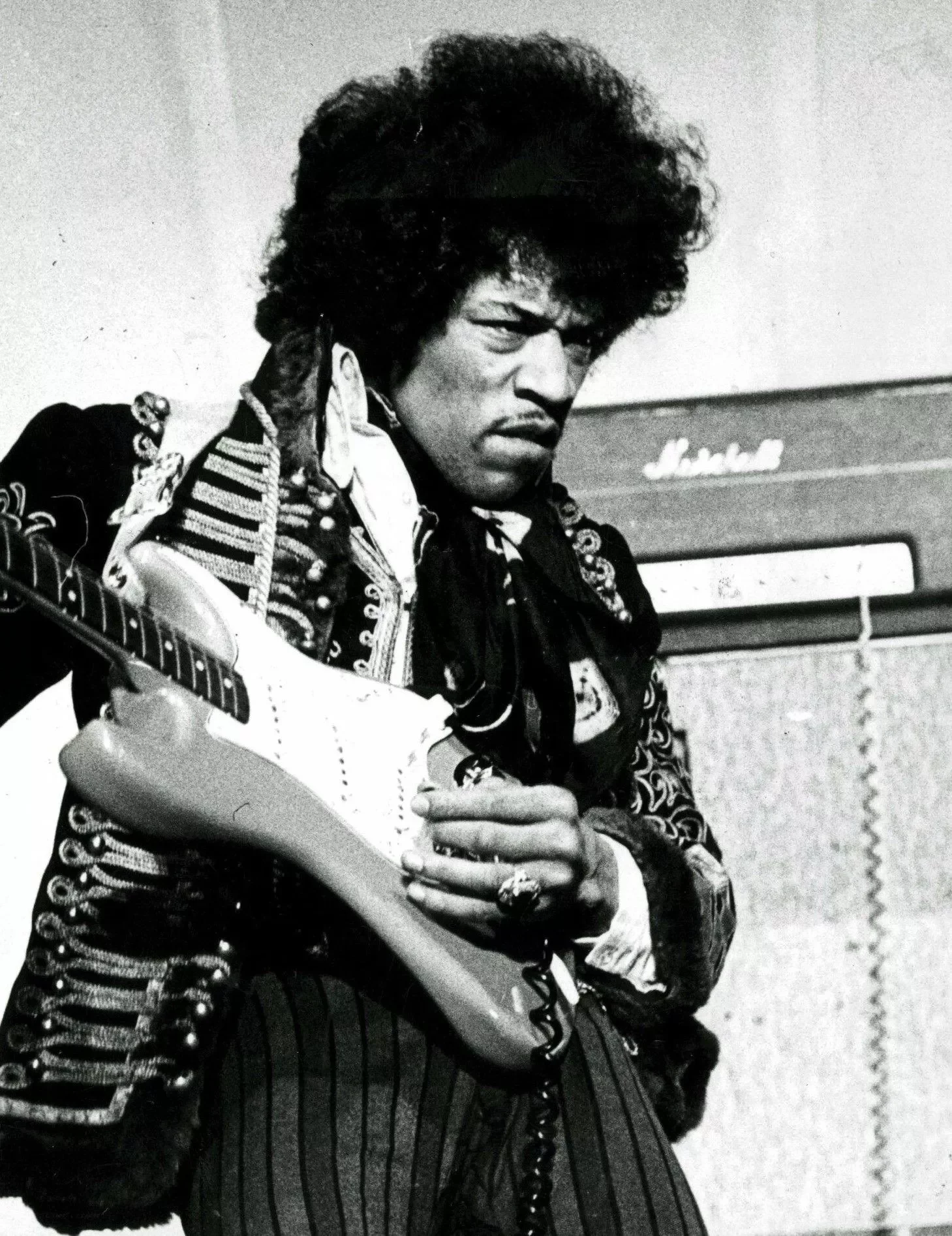
Jimi Hendrix
Born27 Nov, 1942
Died18 Sep, 1970
NationalityAmerican
Age at time of death27
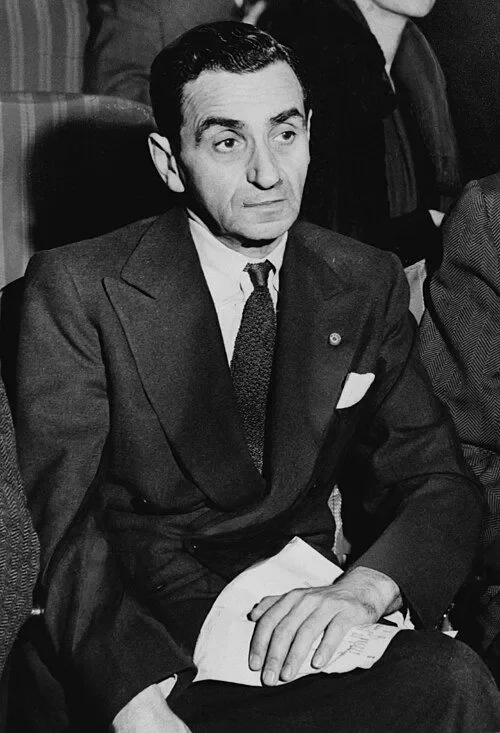
Irving Berlin
Born11 May, 1888
Died22 Sep, 1989
NationalityAmerican
Age at time of death101
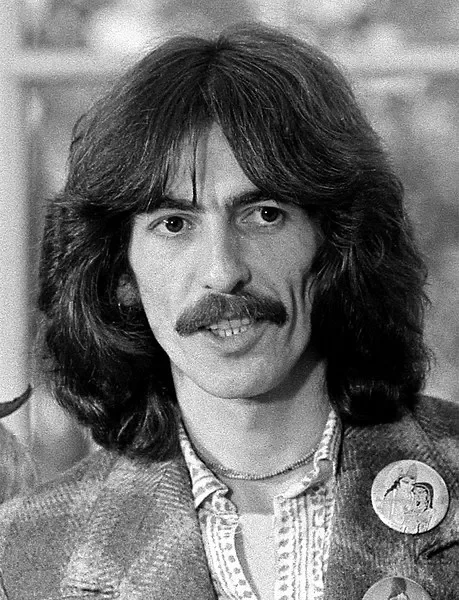
George Harrison
Born25 Feb, 1943
Died29 Nov, 2001
NationalityBritish
Age at time of death58
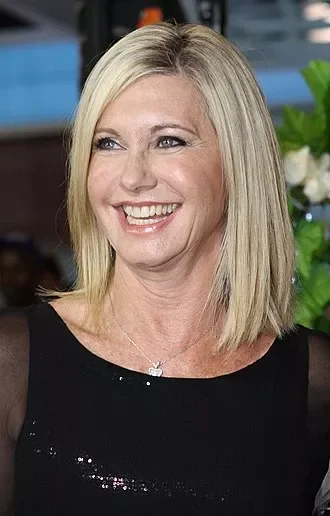
Olivia Newton-John
Born26 Sep, 1948
Died08 Aug, 2022
NationalityBritish, Australian
Age at time of death73
Jim Morrison
Born08 Dec, 1943
Died03 Jul, 1971
NationalityAmerican
Age at time of death27
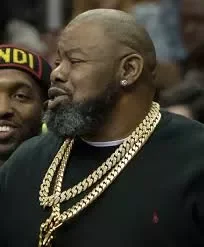
Biz Markie
Born08 Apr, 1964
Died16 Jul, 2021
NationalityAmerican
Age at time of death57
Barry White
Born12 Sep, 1944
Died04 Jul, 2003
NationalityAmerican
Age at time of death58
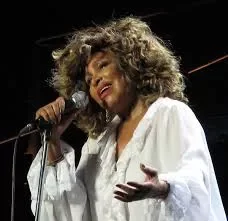
Tina Turner
Born26 Nov, 1939
Died24 May, 2023
NationalityAfrican, American
Age at time of death83
Adam Yauch
Born05 Aug, 1964
Died04 May, 2012
NationalityAmerican
Age at time of death47
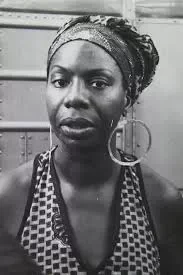
Nina Simone
Born21 Feb, 1933
Died21 Apr, 2003
NationalityAmerican
Age at time of death70
Tammi Terrell
Born29 Apr, 1945
Died16 Mar, 1970
NationalityAmerican
Age at time of death24
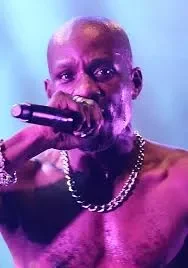
DMX
Born18 Dec, 1970
Died09 Apr, 2021
NationalityAmerican
Age at time of death50
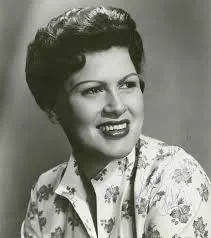
Patsy Cline
Born08 Sep, 1932
Died05 Mar, 1963
NationalityAmerican
Age at time of death30
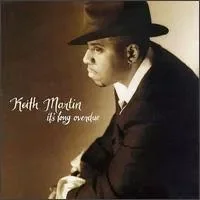
Keith Martin
Born22 Sep, 1966
Died25 Mar, 2022
NationalityAmerican
Age at time of death55
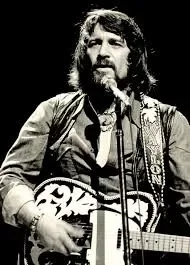
Waylon Jennings
Born15 Jun, 1937
Died13 Feb, 2002
NationalityAmerican
Age at time of death64
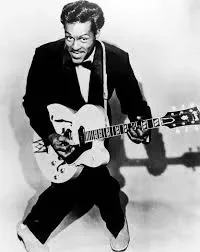
Chuck Berry
Born18 Oct, 1926
Died18 Mar, 2017
NationalityAmerican
Age at time of death90
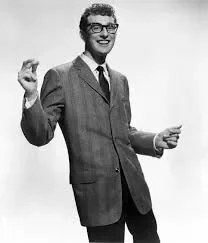
Buddy Holly
Born07 Sep, 1936
Died03 Feb, 1959
NationalityAmerican
Age at time of death22
Bon Scott
Born09 Jul, 1946
Died19 Feb, 1980
NationalityAustralian
Age at time of death33
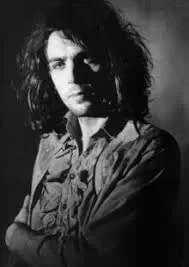
Syd Barrett
Born06 Jan, 1946
Died07 Jul, 2006
NationalityEnglish
Age at time of death60

Michael Hutchence
Born22 Jan, 1960
Died22 Nov, 1997
NationalityAustralian
Age at time of death37