Real Celebrities Never Die!
OR
Search For Past Celebrities Whose Birthday You Share
Died Age: 81
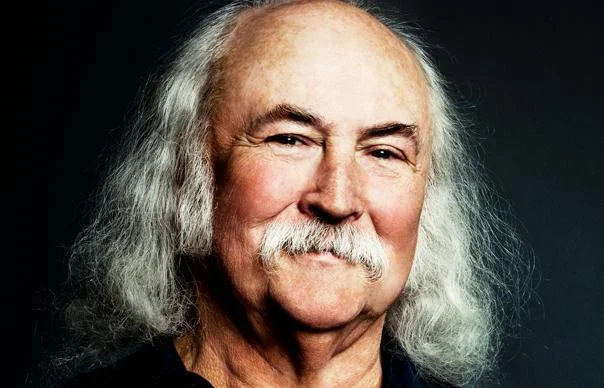
www.uncut.co.uk
David Crosby
Birthday:
14 Aug, 1941
Date of Death:
18 Jan, 2023
Cause of death:
Series of Illness
Nationality:
American
Famous As:
Actor
Age at the time of death:
81
David Van Cortlandt Crosby's Quote's

“Music is the only thing I’ve ever known that doesn’t hurt when it hits you.”
David Van Cortlandt Crosby
🔗 deadcelebrityhub.com
Roots of a Rebel: Early Life
David Crosby was never content to follow the script. Whether harmonizing with his bandmates or confronting the establishment with a disarming candor, he lived a life of defiant artistry. As a founding member of two of rock’s most iconic bands;The Byrds and Crosby, Stills & Nash, Crosby’s unmistakable voice and daring musical instincts helped define a generation’s sound. But his story, like his music, was more than just melody; it was about rebellion, redemption, and the relentless pursuit of truth through song.
Born on August 14, 1941, in Los Angeles, David Van Cortlandt Crosby came into the world with the sort of pedigree that could open doors but also complicate expectations. His father, Floyd Crosby, was an Academy Award–winning cinematographer who had worked with the likes of F.W. Murnau and won accolades for Tabu (1931). His mother, Aliph Van Cortlandt Whitehead, hailed from a prominent New York family with deep colonial roots.
From a young age, Crosby walked the line between the privilege of his upbringing and the pull of a restless spirit. He was more interested in harmonies than homework, more drawn to folk clubs than formality. His older brother Ethan, a musical influence and early collaborator, first introduced him to the guitar, planting a seed that would soon become an obsession.
There were early signs of the rebellious streak that would later define him. He was expelled from several schools, including the prestigious Crane Country Day School. Yet amid the turbulence, one thing remained constant: music. Folk, jazz, and later rock would become the language through which Crosby made sense of a complicated world.
Education: A Meandering Path to Mastery
Crosby's academic record was far from stellar. After stints at several schools, he briefly attended Santa Barbara City College, studying drama before dropping out. His real education came in smoky clubs and living rooms, where young musicians traded licks, lyrics, and dreams.
It was during these formative years that Crosby immersed himself in the folk scene, drawing inspiration from artists like Woody Guthrie and Josh White. He also developed a taste for jazz harmonies—an influence that would later make Crosby, Stills & Nash's vocal arrangements so distinctive. In many ways, his lack of formal musical training allowed him to approach songwriting and harmony with unorthodox creativity.
Career in Harmony and Discord: Phases of a Musical Odyssey
The Byrds and the Breakaway (1964–1967)
Crosby’s first major foray into fame came with The Byrds, a band that married folk sensibilities with the electrified edge of rock. Their cover of Bob Dylan’s “Mr. Tambourine Man” launched them into the stratosphere in 1965, with Crosby’s jangly guitar and celestial harmonies helping to shape the “folk-rock” genre.
But tension brewed beneath the success. Crosby’s outspokenness, particularly regarding political issues and his insistence on greater creative input, led to his ousting from the band in 1967. He was fired shortly after delivering an impassioned speech about the Kennedy assassination at the Monterey Pop Festival. It was a career low point, but it would also open the door to something legendary.
Crosby, Stills & Nash (and sometimes Young): The Golden Years (1968–1977)
In 1968, fate intervened when Crosby met Stephen Stills and Graham Nash. The chemistry was instant, their voices blending into three-part harmonies that felt at once effortless and transcendent. Their self-titled debut album in 1969 was a critical and commercial triumph, featuring hits like “Suite: Judy Blue Eyes” and Crosby’s haunting tribute to his late girlfriend, “Guinnevere.”
With the addition of Neil Young, CSNY became a countercultural supergroup. Their music became synonymous with the protest movement of the late '60s and early '70s, particularly the raw, anguished anthem “Ohio,” written in response to the Kent State shootings.
But egos clashed, and internal strife often derailed momentum. Crosby, while creatively indispensable, also became known for his erratic behavior—a reflection of deepening struggles with addiction.
The Long Spiral and Redemption (1980s–1990s)
By the early 1980s, Crosby’s personal life was in freefall. Drug addiction had taken hold, leading to multiple arrests, a stint in a Texas prison, and an infamous mugshot that became tabloid fodder. Yet this period also marked a turning point. Prison sobered him—literally and metaphorically—and he emerged determined to rebuild.
In 1988, he published a brutally honest autobiography, Long Time Gone, co-written with Carl Gottlieb. It revealed a man unafraid to confront his demons, and it helped shift public perception from fallen rock star to survivor.
A successful liver transplant in 1994 (due to years of substance abuse) gave him a new lease on life. Fun fact: the surgery was partially funded by Phil Collins, who admired Crosby and wanted to help.
A Creative Renaissance and Final Act (2000s–2023)
In his later years, Crosby entered a period of unexpected prolific output. Starting in 2014, he released five solo albums in just eight years—a burst of creativity few artists achieve even in their prime. He collaborated with younger musicians like Michael League of Snarky Puppy and his son James Raymond, creating lush, jazz-infused records that critics praised for their freshness and depth.
Despite lingering tensions with former bandmates, particularly Nash and Young, Crosby seemed more at peace than ever. In interviews, he was candid, reflective, and often wryly self-deprecating. Twitter became his unlikely playground, where he shared music recommendations, snarky banter, and unsolicited critiques of fan-submitted joint-rolling attempts.
A Complicated, Passionate Personal Life
Crosby’s personal life was as layered as his music. He had six children, including James Raymond, whom he met for the first time as an adult only to discover they shared a profound musical connection. James would go on to become his keyboardist and co-writer.
He also famously served as a sperm donor to Melissa Etheridge and Julie Cypher, fathering two children. While unconventional, the arrangement symbolized Crosby’s openness and his enduring belief in chosen family.
Longtime partner Jan Dance became his wife in 1987 and remained by his side until his death. Their relationship was a steady anchor amid the chaos of fame and recovery.
Legacy: A Voice That Dared to Question and Soar
David Crosby died on January 18, 2023. He was a man of contradictions: soulful yet sardonic, gifted yet self-destructive, sharp-edged yet full of grace. His harmonies redefined what rock music could sound like. His songs—“Déjà Vu,” “Wooden Ships,” “Almost Cut My Hair”—weren’t just melodies; they were cultural signposts.
He leaves behind more than just records and accolades. He leaves a legacy of fearlessness, of pushing past failure, and of using music as a mirror to reflect the truths of his time. As Graham Nash once said, “David had a heart as big as the sky, and he wore it on his sleeve.”
Even in his final years, Crosby seemed aware of his mortality but not afraid of it. "I’m afraid of dying," he once joked, "but I’m more afraid of not singing before I do."
And sing he did,without apology.
Profile Snapshot
Name:
David Van Cortlandt Crosby
Popular Name:
David Crosby
Gender:
Male
Cause of Death:
Series of Illness
Spouse:
Singer
Songwriter
Guitarist
Actor
Place of Birth:
Los Angeles, California, United States
Place of Death:
Santa Ynez, California, United States
Occupation / Profession:
Actor
Guitarist
Singer
Songwriter
Personality Type
Campaigner Enthusiastic, creative and sociable free spirits, who can always find a reason to smile. David Crosby was a free-spirited, outspoken, and deeply creative soul who lived on his own terms and inspired others to do the same.
David Van Cortlandt Crosby's Interesting Facts
Crosby appeared as himself in a few TV shows, including The Simpsons and Hook, showing his playful side.
Despite being a musical icon, he never learned to read sheet music and played everything by ear.
He was obsessed with sailing and once spent years living aboard his beloved boat, Mayan, which he bought in the 1960s.
Achievements & Awards
Beyond awards, his distinct harmonies and political voice left an enduring imprint on American counterculture.
David Crosby was a two-time Rock and Roll Hall of Fame inductee, first as a founding member of The Byrds (1991) and again with Crosby, Stills & Nash (1997).
He received a Grammy Lifetime Achievement Award alongside his bandmates, recognizing his profound influence on modern music.
His work with both groups helped shape the folk-rock and psychedelic sound of the 1960s and '70s, with multiple platinum albums and classic hits like “Eight Miles High” and “Suite: Judy Blue Eyes.”
External Links
Latest Profiles
People also viewed
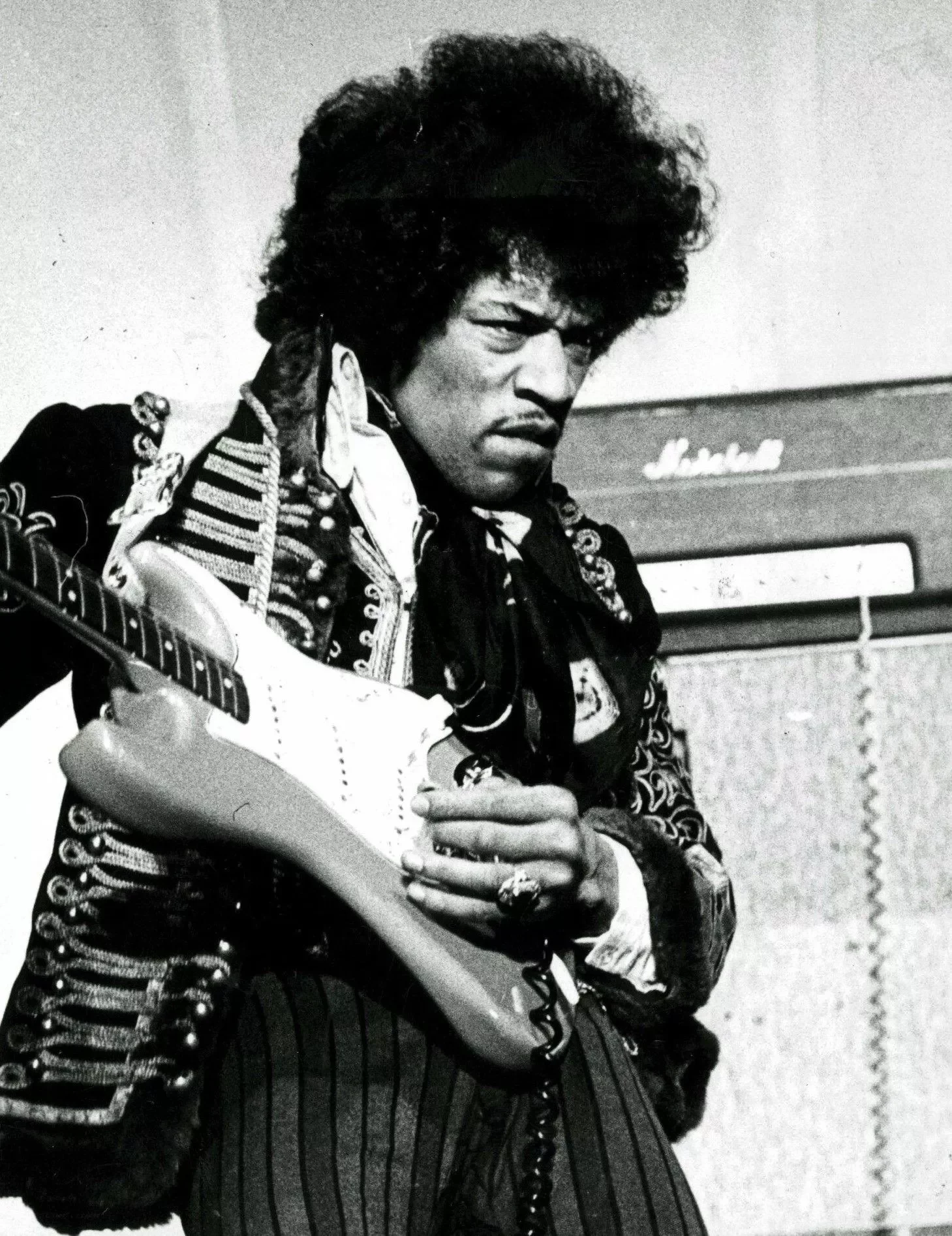
Jimi Hendrix
Born27 Nov, 1942
Died18 Sep, 1970
NationalityAmerican
Age at time of death27
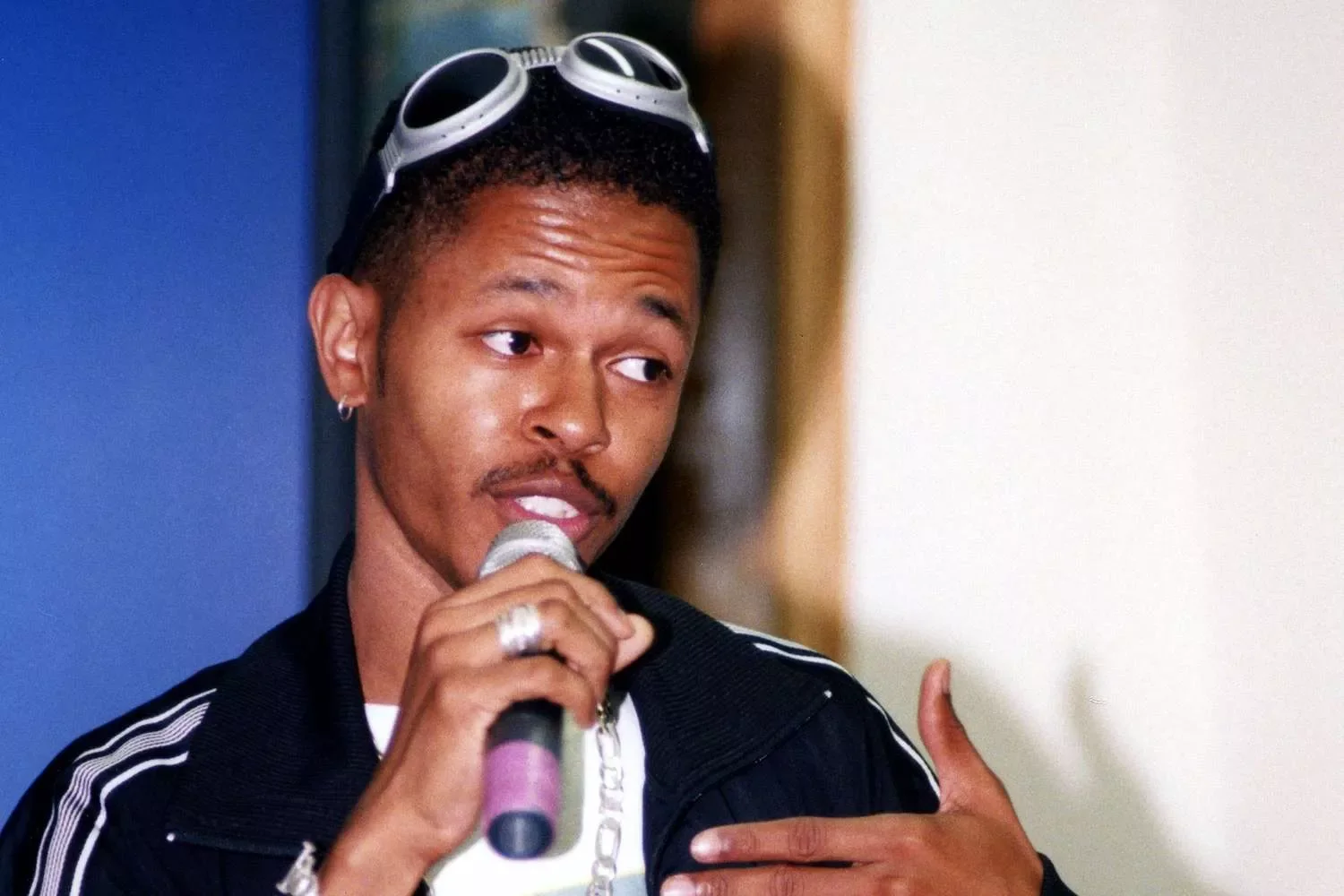
Jesse Powell
Born12 Sep, 1971
Died13 Sep, 2022
NationalityAmerican
Age at time of death51
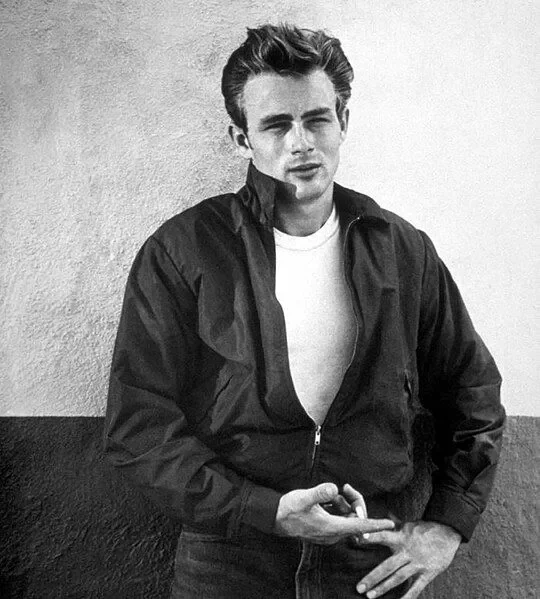
James Dean
Born08 Feb, 1931
Died30 Sep, 1955
NationalityAmerican
Age at time of death24
Irving Berlin
Born11 May, 1888
Died22 Sep, 1989
NationalityAmerican
Age at time of death101
Burt Reynolds
Born11 Feb, 1936
Died06 Sep, 2018
NationalityAmerican
Age at time of death82
Oliver Burgess Meredith
Born16 Nov, 1907
Died09 Sep, 1997
NationalityAmerican
Age at time of death89
Paul Walker
Born12 Sep, 1973
Died30 Nov, 2013
NationalityAmerican
Age at time of death40
Jonathan Brandis
Born13 Apr, 1976
Died12 Nov, 2003
NationalityAmerican
Age at time of death27
George Harrison
Born25 Feb, 1943
Died29 Nov, 2001
NationalityBritish
Age at time of death58
Tony Bennett
Born03 Aug, 1926
Died21 Jul, 2023
NationalityAmerican
Age at time of death96
Sally Ann Howes
Born20 Jul, 1930
Died19 Dec, 2021
NationalityBritish, American
Age at time of death91
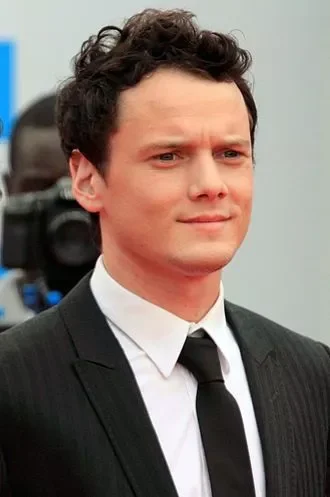
Anton Yelchin
Born11 Mar, 1989
Died19 Jun, 2016
NationalityAmerican
Age at time of death27
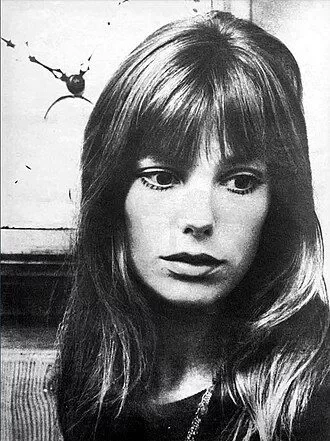
Jane Birkin
Born14 Dec, 1946
Died16 Jul, 2023
NationalityBritish, French
Age at time of death76
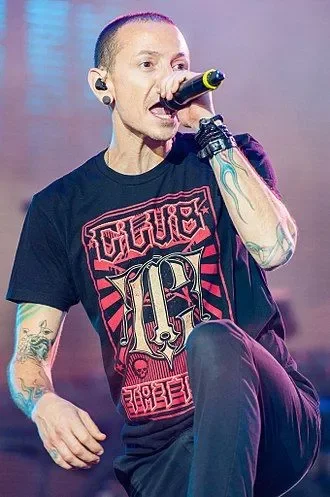
Chester Bennington
Born20 Mar, 1976
Died20 Jul, 2017
NationalityAmerican
Age at time of death41
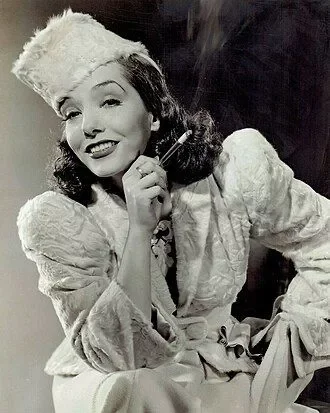
Lupe Vélez
Born18 Jul, 1908
Died14 Dec, 1944
NationalityMexican
Age at time of death36
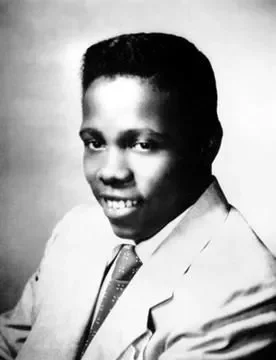
Johnny Ace
Born09 Jun, 1929
Died25 Dec, 1954
NationalityAmerican
Age at time of death25
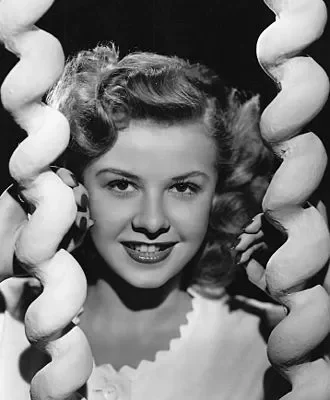
Vera-Ellen
Born16 Feb, 1921
Died30 Aug, 1981
NationalityAmerican German
Age at time of death60
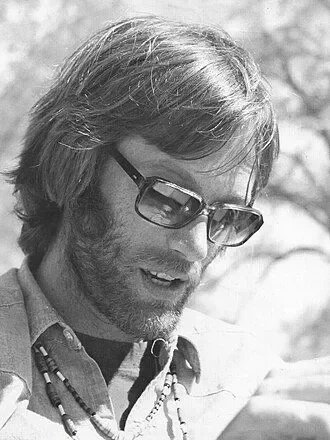
Peter Fonda
Born23 Feb, 1940
Died16 Aug, 2019
NationalityAmerican
Age at time of death79
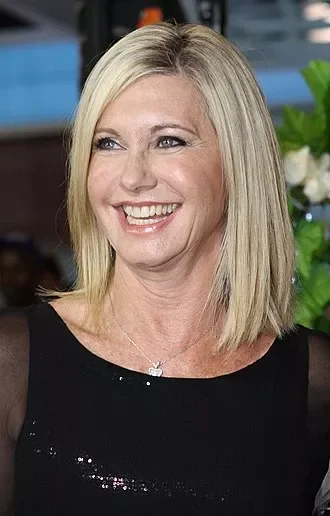
Olivia Newton-John
Born26 Sep, 1948
Died08 Aug, 2022
NationalityBritish, Australian
Age at time of death73
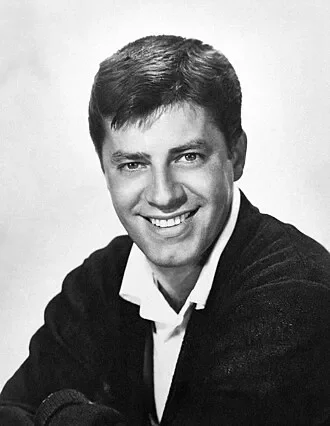
Jerry Lewis
Born16 Mar, 1926
Died20 Aug, 2017
NationalityAmerican
Age at time of death91