Real Celebrities Never Die!
OR
Search For Past Celebrities Whose Birthday You Share
Died Age: 97
www.nytimes.com
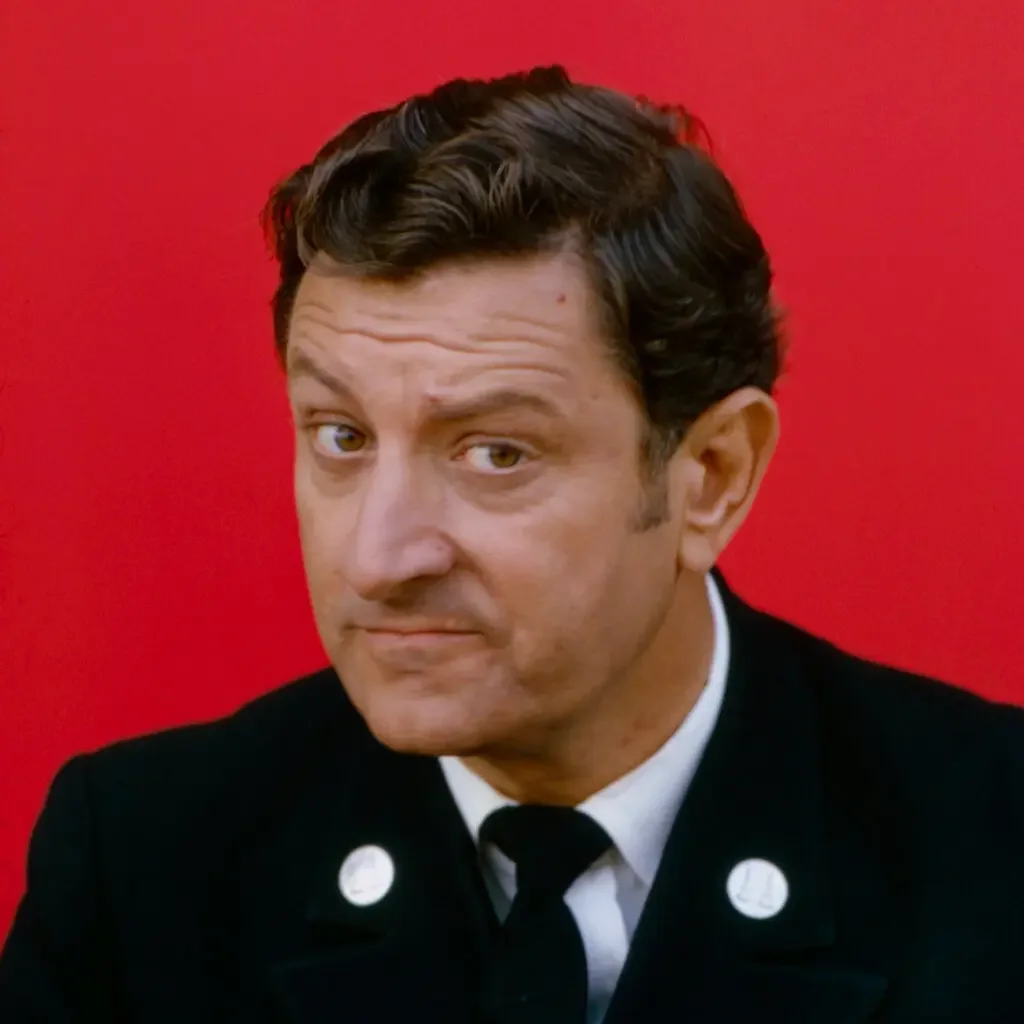
David Ketchum
Birthday:
03 Feb, 1928
Date of Death:
09 Aug, 2025
Cause of death:
Heart Faliure
Nationality:
American
Famous As:
American actor
Age at the time of death:
97
David Ketchum's Quote's

“My boss at Christmas was a lot of fun: ‘I want you to look in your pay envelopes and you’ll know that I keep the Christmas spirit around here. Because in each and every envelope you’ll find … snow.”
David Ketchum
🔗 deadcelebrityhub.com
Early Life
David Ketchum was a character actor, comedian, and television writer whose knack for absurdity and timing made him a quietly memorable figure in classic American sitcoms. Though rarely the leading man, he lit up small moments—especially as Agent 13 in Get Smart, emerging from mailboxes or fire hydrants with a deadpan underdog energy. His journey, from Illinois youth with dreams of engineering to decades of TV work, writing rooms, and radio waves, was one of adaptability, comedy, and steady creative presence.
David Ketchum was born on February 4, 1928, in Quincy, Illinois. The son of Cecil Estel Ketchum and Flora Mueller, he grew up far from Hollywood glamour—but with curiosities and ambitions that reached beyond small-town Midwestern limits. He eventually moved west to attend UCLA, where he studied physics, planning perhaps for a career grounded in the practical and predictable. But even as he worked on equations and theory, something else called: laughter, performance, the delight in making others smile.
While a student, David joined the USO, entertaining military personnel stationed overseas. That experience did more than give him performance practice—it showed him the power of comedy under pressure, of lightness in tough moments. It was in those evenings abroad, performing for those who needed a break, that seeds were planted of what would become his life’s work.
Education & Formative Influences
At UCLA, where physics was his major, Ketchum learned discipline, rigor, and how to think clearly under pressure. Those skills turned out to serve him well—sometimes in surprising ways—after he pivoted toward entertainment. The USO work, radio broadcasts, and early performance opportunities gave him both confidence and perspective: the ability to connect with people, to hold a microphone, to shift tone, and to find comedy not in big gestures only, but in odd detail.
Career Journey
David Ketchum’s professional life can be thought of in phases: radio beginnings and television entry; breakout character moments; writing and versatility; and later life reflection.
Phase One: Radio and Early Television Entry
After college, Ketchum built some of his first professional work in radio. He hosted a program in San Diego for seven years—learning pacing, audience connection, improvisation, and the particular difficulties of voice work without visuals. At the same time, he started appearing in guest spots on television—small roles that allowed him to test range, timing, and how to land a joke or a beat on screen.
Phase Two: Breakout Roles and Signature Characters
In the early 1960s, Ketchum began gaining traction. He had a regular role in I’m Dickens, He’s Fenster playing Mel Warshaw, an awkward, charming character who needed more than comedic chops—he needed precision. Then came Camp Runamuck, where he played Counselor Spiffy; this role offered chaos, teamwork, and room for the absurd. But his signature came in Get Smart, beginning around 1966, when he stepped into the role of Agent 13. What made that role memorable wasn’t just the dialogue—it was the recurring gag, the physical comedy. Agent 13 appeared in absurd hiding places: mailboxes, fire hydrants, vending machines, even a washing machine. For a tall man, squeezed into tiny spaces, that absurdity became a comic art. He reprised this role many times over the decades: in the original run, later in a Get Smart TV movie, and again in a revival.
Phase Three: Writing, Range, and Versatility
Beyond acting, Ketchum proved himself adept at writing. He wrote for nearly fifty television series—ranging from comedy to more genre hybrid shows—and contributed scripts to iconic shows from Happy Days, MASH*, The Love Boat, to The Six Million Dollar Man. His acting work and his writing work informed each other: he understood how to craft a joke as a writer because he knew what it looked like when he had to perform it. He shifted between character roles (cameos, guest parts) and behind-the-scenes work, often juggling both.
Phase Four: Later Years and Sustained Legacy
Through the 1980s and 1990s, David Ketchum’s on-screen appearances became less frequent, but his presence in television remained solid—both in re-airings of classic shows and occasional guest roles. He also lived long enough to see the ways TV comedy evolved, to witness new generations discovering Get Smart and his other work. Even as age slowed the pace, his contributions—scripts, performances, roles—endured in syndication, nostalgia, and in the affectionate memories of fans.
Personal Life
In August 1957, David married Louise Bryant. Their marriage lasted for nearly seven decades. The couple had two daughters, Nicole and Wendy. Friends and family remembered him as warm, generous, with a wry sense of humor. Despite the comedic roles and occasional absurd physical stunts, he carried an earthy humility: someone who recognized how strange and lucky it was to build a career in television and laughter, and who cherished the people around him.
One memorable detail: to play Agent 13, Ketchum often had to contort into small, uncomfortable hiding spots—mailboxes, lockers, washing machines—while still delivering lines. At over six feet tall, those moments were physically unpleasant, but he leaned into the challenge. In interviews later in life he joked about how absurd it was: the face-in-washer performance, the spin-tubes, the cramped stunts. Comedy, he knew, sometimes required contortion—not just of body but of humility.
Legacy
David Ketchum passed away on August 10, 2025, in Thousand Oaks, California, at the age of 97. His legacy is richer than any single episode, though Agent 13 remains his most beloved creation.
He showed how character acting—those small, recurring roles—can leave durable impressions. A single episode, a single gag, can live on if done with care.
As a writer, he contributed to many shows that shaped American television comedy and beyond. His scripts helped define comedic tone in the 1960s, 70s, 80s.
He brought physical comedy, absurdity, and a love for the unexpected into his work—reminding audiences that laughter often depends not just on what's said, but where, when, and how one appears.
For nearly 70 years, his marriage and family anchored him amid a career of odd jobs, quirky roles, late nights in studios, and stunts in tight spaces. He leaves behind people who loved him and a body of work that keeps people smiling.
Conclusion
David Ketchum’s life was that of a slow burn rather than a sudden blaze: not always center stage, but always present, always ready with a peculiar twist, a comedic reveal, or a script that catches you unexpectedly. From a student planning for engineering to a comedian who squeezed himself into mailboxes, he journeyed through radio, sitcoms, writing rooms, and late afternoon laughter. He showed that depth of character doesn’t always mean leading roles—it can mean being the one who emerges from the fire hydrant, the one whose script lands behind the scenes, the one whose smile lingers in reruns. His legacy endures in episodes watched anew, in laughs shared, and in the simplicity of surprise that still delights.
Profile Snapshot
Name:
David Ketchum
Popular Name:
David Ketchum
Gender:
Male
Cause of Death:
Heart Faliure
Spouse:
Louise Bryant
Place of Birth:
Quincy, Illinois, U.S.
Place of Death:
Thousand Oaks, California, U.S.
Occupation / Profession:
American actor
Comedian
Personality Type
Adventurer: David Ketchum was an inventive and witty performer and writer, combining analytical roots with a playful spirit—brave enough to embrace absurdity, skilled enough to craft comedy, and warm enough to leave a legacy of laughter and kindnessDavid Ketchum was an inventive and witty performer and writer, combining analytical roots with a playful spirit—brave enough to embrace absurdity, skilled enough to craft comedy, and warm enough to leave a legacy of laughter and kindness
David Ketchum's Interesting Facts
David Ketchum is a hydrologist with over 10 years of experience in hydrology, geospatial science, and natural resource management.
He helped develop the OpenET agricultural field boundary processing pipeline, using satellite data to map irrigation across the Western U.S.
His research focuses on understanding water supply challenges, particularly in Montana and the broader Western United States.
He has contributed to advancing methods for estimating agricultural water usage through irrigation.
Achievements & Awards
Iconic Role as Agent 13: He is best remembered for his recurring role as Agent 13 in the hit spy spoof series Get Smart.
WGA Award Nomination: He earned a prestigious Writers Guild of America (WGA) Award nomination for co-writing the classic MASH* episode "Tuttle."
External Links
Additional Links
Latest Profiles
People also viewed
Norm Crosby
Born15 Sep, 1927
Died07 Nov, 2020
NationalityAustralian
Age at time of death93
Jerry Lewis
Born16 Mar, 1926
Died20 Aug, 2017
NationalityAmerican
Age at time of death91
Guy de Maupassant
Born05 Aug, 1850
Died06 Jul, 1893
NationalityFrench
Age at time of death42
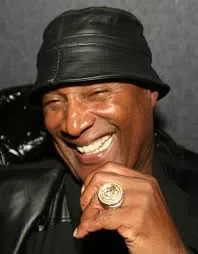
Paul Mooney
Born04 Aug, 1941
Died19 May, 2021
NationalityAmerican
Age at time of death79
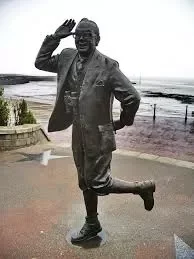
Eric Morecambe
Born14 May, 1926
Died28 May, 1984
NationalityBritish
Age at time of death58
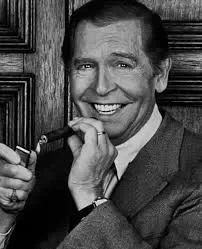
Milton Berle
Born12 Jul, 1908
Died27 Mar, 2002
NationalityAmerican
Age at time of death93
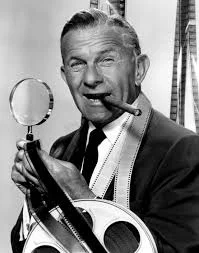
George Burns
Born20 Jan, 1896
Died09 Mar, 1996
NationalityAmerican
Age at time of death100
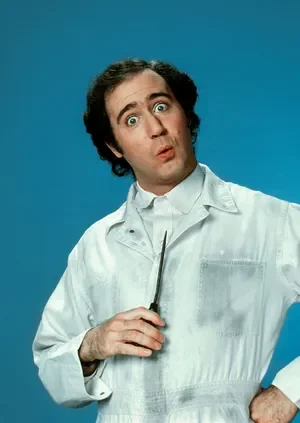
Andy Kaufman
Born17 Jan, 1949
Died16 May, 1984
NationalityAmerican
Age at time of death35
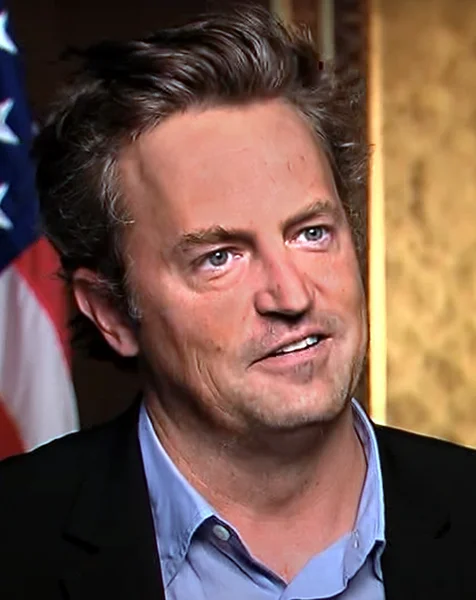
Matthew Perry
Born19 Aug, 1969
Died28 Oct, 2023
NationalityAmerican, Canadian
Age at time of death54
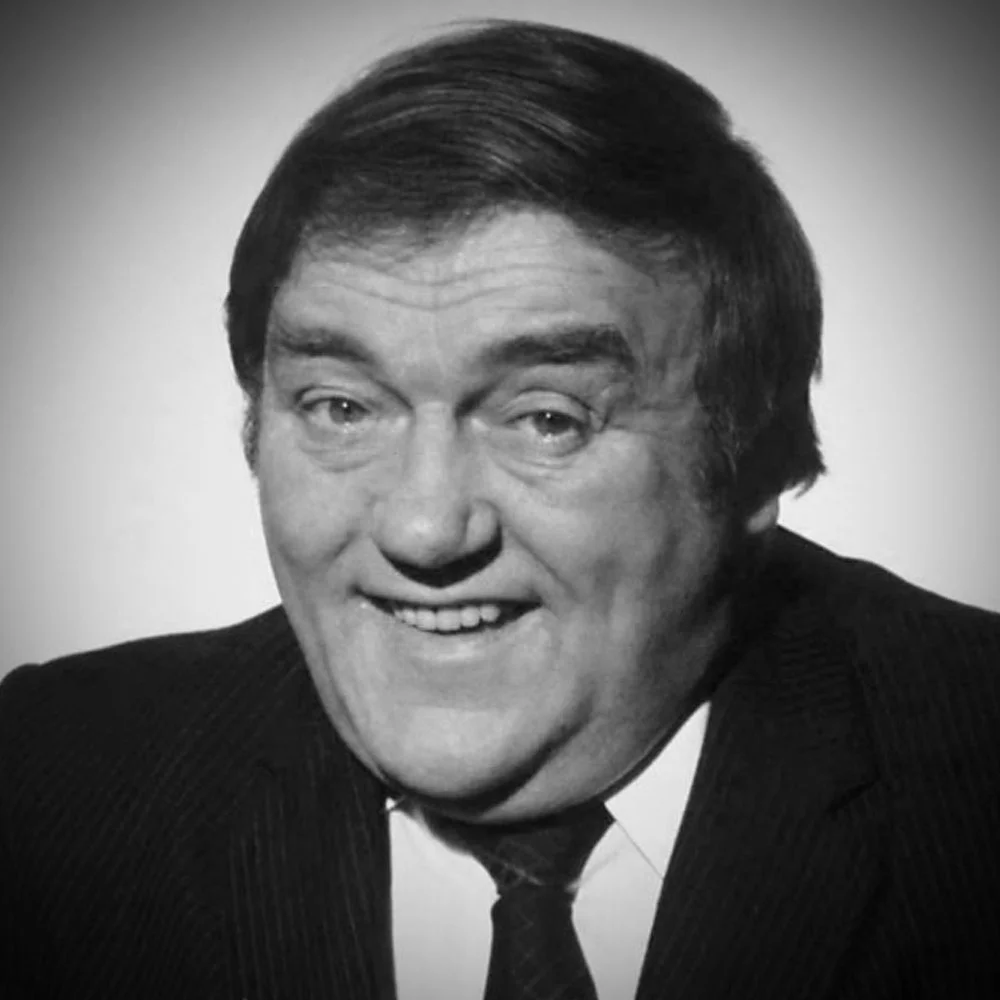
Les Dawson
Born02 Feb, 1931
Died10 Jun, 1993
NationalityBritish
Age at time of death62
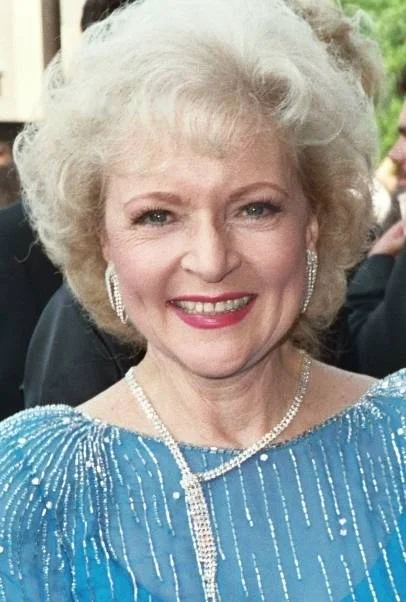
Betty White
Born30 Nov, 1922
Died31 Dec, 2021
NationalityAmerican
Age at time of death99
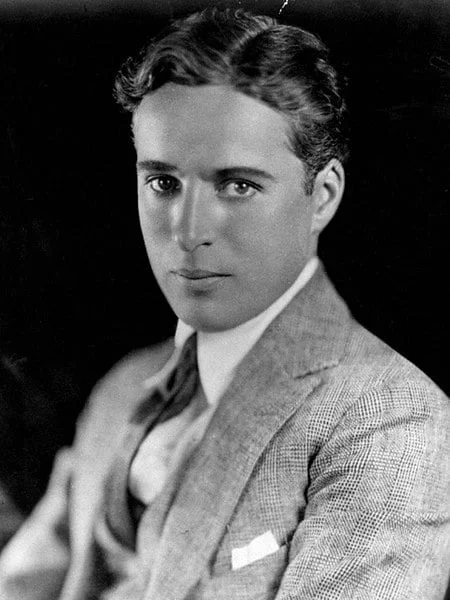
Charlie Chaplin
Born16 Apr, 1889
Died25 Dec, 1977
NationalityBritish
Age at time of death88
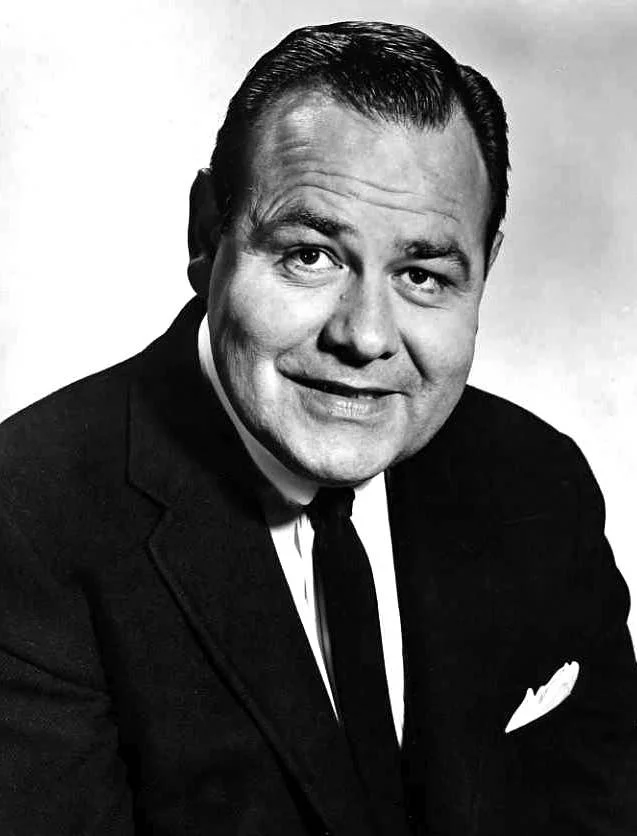
Jonathan Winters
Born11 Nov, 1925
Died11 Apr, 2013
NationalityAmerican
Age at time of death87
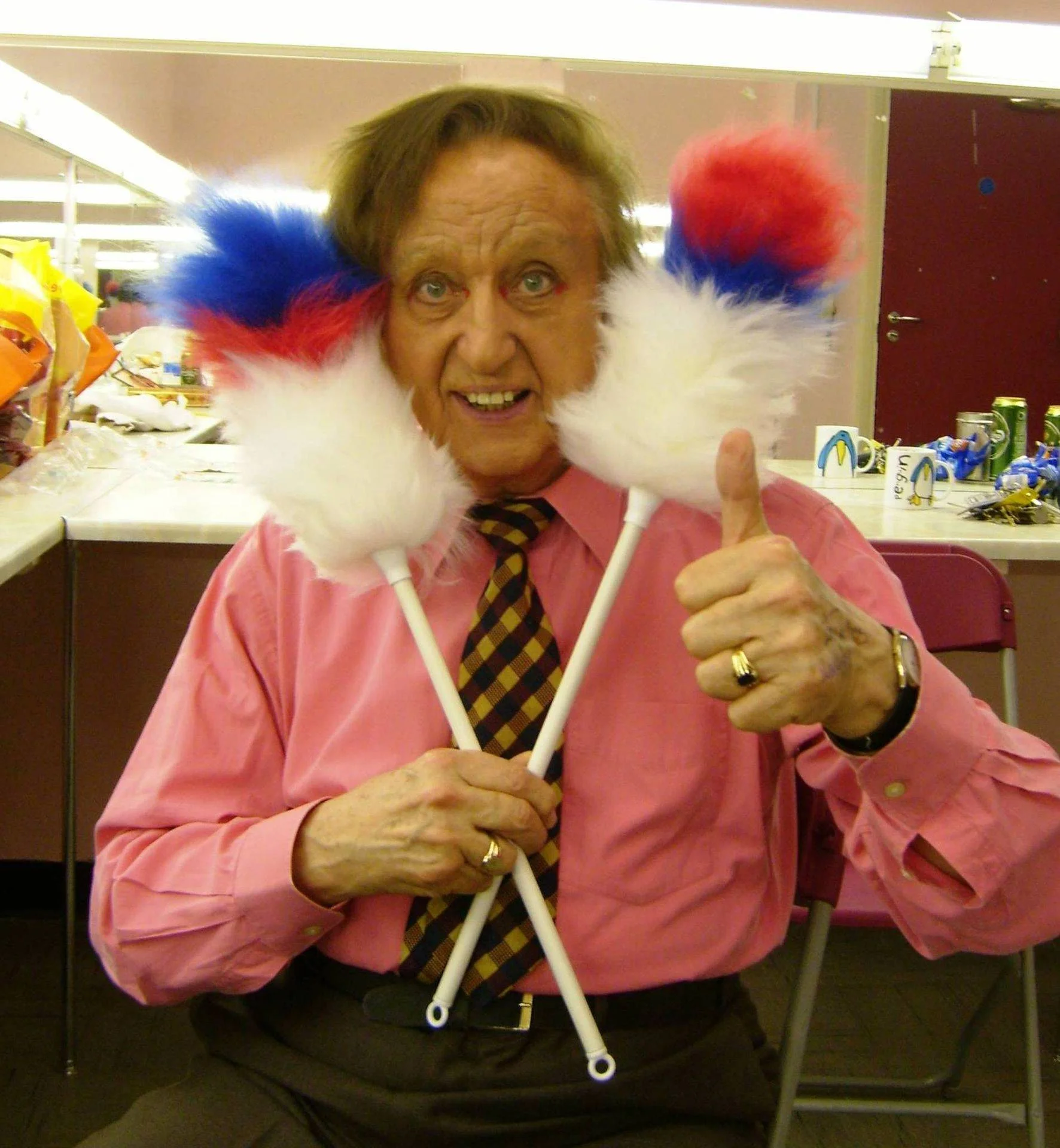
Ken Dodd
Born08 Nov, 1927
Died11 Mar, 2018
NationalityBritish
Age at time of death90
Benny Hill
Born21 Jan, 1924
Died20 Apr, 1992
NationalityBritish
Age at time of death68
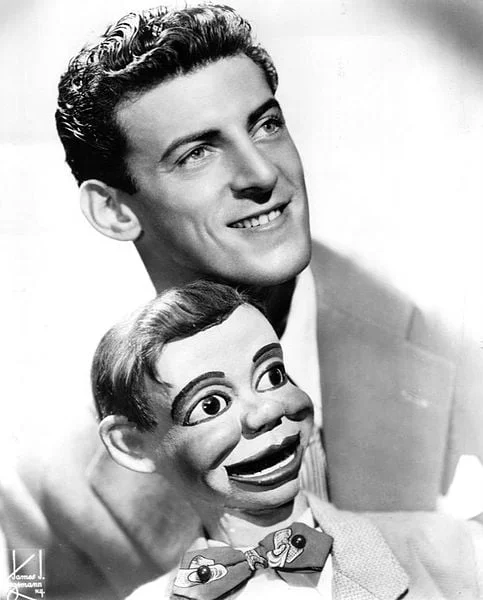
Paul Winchell
Born21 Dec, 1922
Died24 Jun, 2005
NationalityAmerican
Age at time of death82
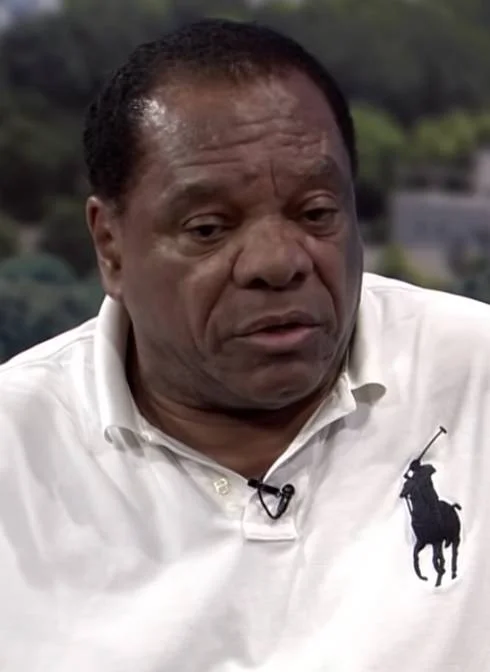
John Witherspoon
Born27 Jan, 1942
Died29 Oct, 2019
NationalityAmerican
Age at time of death77
Johnny Carson
Born23 Oct, 1925
Died23 Jan, 2005
NationalityAmerican
Age at time of death79
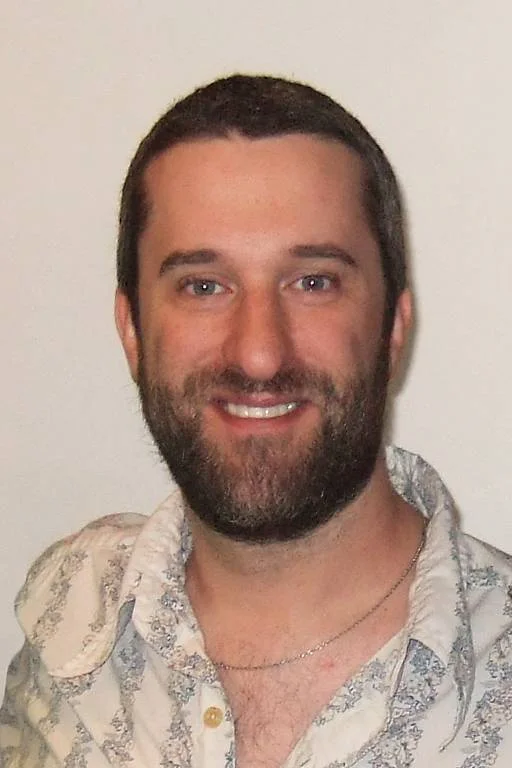
Dustin Diamond
Born07 Jan, 1977
Died01 Feb, 2021
NationalityAmerican
Age at time of death44
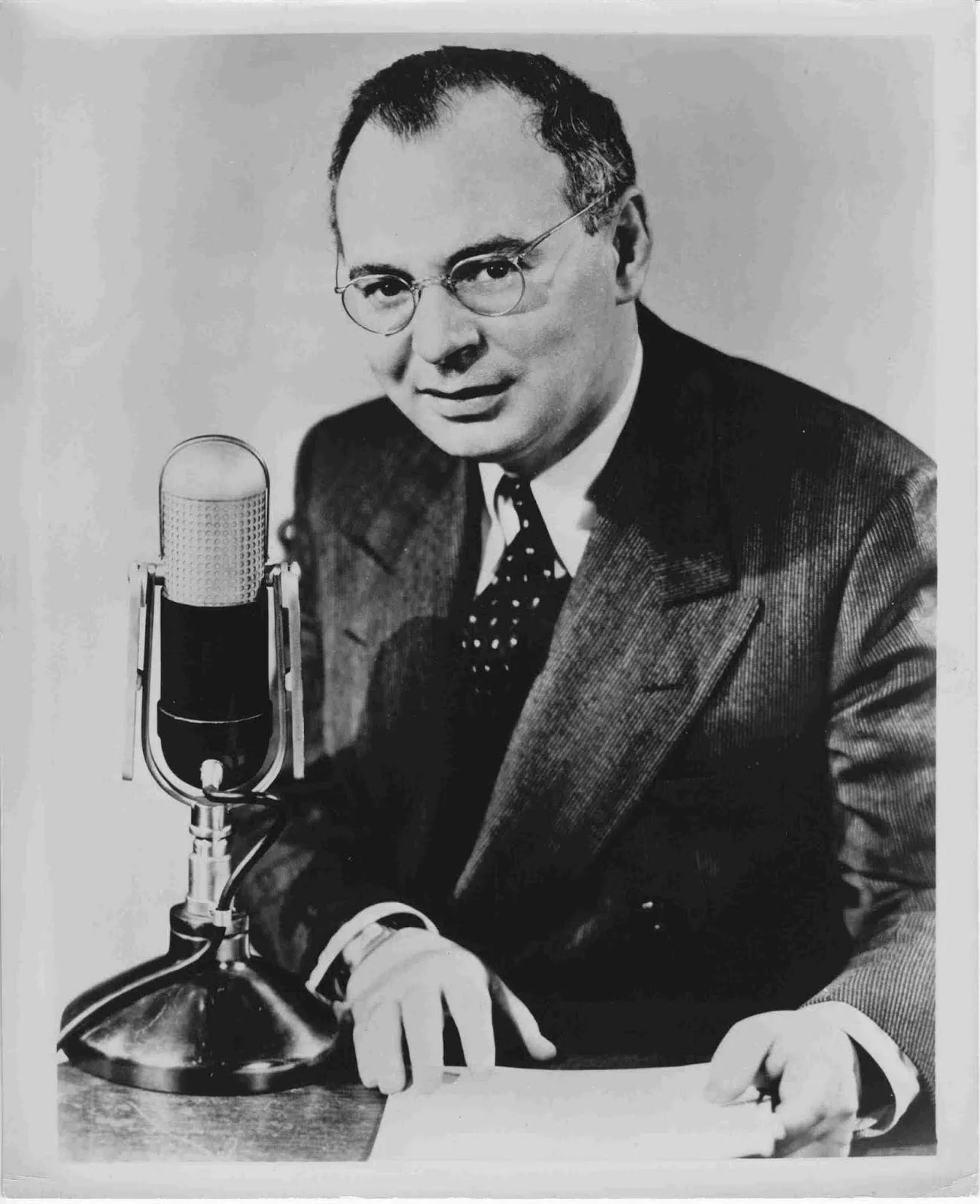
Dave Elman
Born06 May, 1900
Died05 Dec, 1967
NationalityAmerican
Age at time of death67