Real Celebrities Never Die!
OR
Search For Past Celebrities Whose Birthday You Share
Died Age: 67

morgridge.org
David Mangelsdorf
Birthday:
21 Jul, 1958
Date of Death:
02 Aug, 2025
Cause of death:
Complications following surgery
Nationality:
American
Famous As:
Biologist
Age at the time of death:
67
David John Mangelsdorf's Quote's

“To answer a big question, you have to ask a big question — and take a big risk.”
David John Mangelsdorf
🔗 deadcelebrityhub.com
Early Life and Influences
David John Mangelsdorf was a rare kind of scientist — a curious explorer of the body’s hidden regulatory networks whose discoveries reshaped our understanding of metabolism, disease, and potential therapies. Over decades, he transformed obscure molecular puzzles into pathways that now guide drug development.
David Mangelsdorf grew up in Kingman, Arizona, a quiet desert town nestled against the vast, sun-baked landscape of the Mojave. From an early age, he was drawn to the rhythms of nature — the desert’s stark beauty, its cycles of scarcity and survival. That environment, with its harsh demands and subtle balances, may have planted the seeds for his later fascination with how biological systems regulate themselves. Family and home life were modest, but supportive. Though not much has been written about dramatic childhood events, the modest beginnings of the young desert boy who would become “Davo” to his colleagues speak to a grounded, curious mind shaped by simplicity and wonder.
Education: The Foundation of a Scientific Vision
Mangelsdorf’s formal journey into science began at Northern Arizona University, where he earned dual Bachelor of Science degrees in biology and chemistry in 1981. From those early years, he already bridged two disciplines, hinting at the integrative approach he would later bring to molecular biology and pharmacology.
After completing his undergraduate studies, he moved south to the University of Arizona, where he pursued a PhD in biochemistry. In 1987, he achieved that milestone — but rather than rest, he dove deeper. As a postdoctoral fellow at the Salk Institute for Biological Studies from 1987 to 1993, he found himself working with some of the best minds in molecular biology. It was here that he began to explore nuclear receptors — proteins in the cell nucleus that act as switches to turn genes on or off.
One key early success: he helped define the vitamin D receptor’s gene and later characterised RXR, a nuclear receptor activated by 9-cis retinoic acid. These early breakthroughs laid a foundation — but, at the time, it was not yet clear just how profound the implications would be.
Career Journey: From Orphan Receptors to Global Impact
Early Career: Building the Laboratory and Taking Risks
In 1993, Mangelsdorf joined the faculty at UT Southwestern Medical Centre in Dallas, Texas. He became an Investigator of the Howard Hughes Medical Institute — a recognition of both his promise and his potential. Over the next years, he built his lab, carefully selecting questions that others often avoided. As he later recalled, his mentor Alfred G. Gilman told him, “Whatever you do, do not practice safe science.” That advice resonated deeply. Rather than focusing on well-worn questions, Mangelsdorf pursued “orphan” nuclear receptors — proteins whose ligands and functions were unknown.
This was risky. It meant venturing into uncharted territory — where many experiments could fail, and the path to discovery was anything but guaranteed. But by 2000, his lab had already begun generating insights that would eventually revolutionise metabolic biology.
Major Achievements: Discovery of Signalling Pathways, Therapeutic Potential
By the early 2000s, the risks began to pay off. Mangelsdorf, often collaborating with his longtime colleague Steven Kliewer, began to identify ligands — small molecules that activate those orphan receptors — and elucidate their physiological functions. This led to the discovery of major signalling pathways mediated by the hormones FGF19 and FGF21, regulators of nutrient metabolism that govern how the body responds to feeding and fasting. These pathways turned out to have far-reaching implications, influencing cholesterol, lipid, and bile acid homeostasis — processes central to metabolic health.
In time, Mangelsdorf’s work on these receptors revealed pathways not only relevant to metabolic diseases like diabetes and obesity, but also to conditions such as cholestasis, cancer, and even parasitic infections. In nematodes — parasitic worms — his team characterised a nuclear receptor pathway (DAF-12), suggesting that molecules targeting it might become a novel class of anti-parasitic drugs.
One fascinating, somewhat surprising offshoot of his work came in 2023: his lab showed that FGF21 could reverse acute alcohol intoxication in mice — sobering them after alcohol poisoning. This finding hinted at entirely new therapeutic uses for hormones originally studied for their role in metabolism.
Over the years, Mangelsdorf’s research earned him numerous awards. In 2012, he received the Rolf Luft Award from Sweden’s Karolinska Institutet — a distinction given to a single scientist worldwide for outstanding contributions in endocrinology and diabetes research. In 2025, not long before he passed, he and Kliewer were announced as recipients of the Endocrine Society’s Edwin B. Astwood Award for Outstanding Research in Basic Science. And earlier, in 2024, he had been elected to the U.S. National Academy of Medicine — a crowning honour, especially given that he was already a member of the National Academy of Sciences since 2008.
Later Career: Leadership, Mentorship, and Expanding Influence
In 2006, Mangelsdorf was named Chair of the Department of Pharmacology at UT Southwestern — a role that amplified his influence beyond his own lab. During that time, he also served as interim director of the Green Centre for Reproductive Biology Sciences, beginning in 2006, and played a key role in reestablishing the Centre’s autonomy, a transition achieved in 2019.
Under his leadership, the Mangelsdorf/Kliewer lab expanded, growing into a hub of creativity and multidisciplinary collaboration. He mentored a generation of scientists, urging them to challenge assumptions and explore unexpected connections. Colleagues remember him not just for his brilliance, but for his generosity — always crediting his team, always open to new ideas, always ready to take scientific risks.
He also co founded X-Ceptor Therapeutics Inc. around 2000 — a biotech venture focused on discovering compounds that modulate nuclear receptors. The company later became part of Exelixis, highlighting how his foundational science laid the groundwork for real-world, clinical and therapeutic innovation.
Personal Life: The Man Behind the Discoveries
To those who worked with him, David Mangelsdorf was “Davo” — not just a brilliant scientist, but a warm, curious human being. He was known for his quiet optimism, his infectious enthusiasm for even the smallest scientific puzzle, and his readiness to encourage others. Though his life was deeply rooted in molecular biology and pharmacology, he never lost a sense of wonder for the living world — perhaps a connection to his desert childhood, where life is often subtle, resilient, and beautifully balanced.
He is survived by his wife, Katrina Voe Cotton, and their three daughters — Laura, Sara, and Alyssa — along with two grandsons, James and Henry — a reminder that beyond the lab, he was also family, love, and legacy.
Legacy: A Scientist Who Transformed What We Know
David Mangelsdorf’s legacy can be summed up in a single, powerful idea: he turned “orphan” mysteries into foundational knowledge. By decoding nuclear receptors once thought irrelevant or inscrutable, he unlocked entire networks of metabolic regulation — from how our bodies manage cholesterol and bile acids to how they respond to feeding, fasting, and even toxic stress like alcohol. His discoveries opened new doors to therapeutics for obesity, diabetes, cancer, parasitic diseases, gallbladder disorders, and perhaps even sudden alcohol poisoning.
More than that, he embodied a distinctive spirit of science: bold, curious, and unafraid to question established wisdom. He mentored others to do the same. He helped build institutions — labs, centres, biotech start-ups — that carry on his vision. And he left behind a community of scientists profoundly shaped by his generosity, his insight, and his courage.
In the years and decades to come, many treatments and drugs may trace their roots back to the signalling pathways he revealed. But beyond science, his legacy lives on in the curiosity he instilled, the minds he trained, and the hope he fostered — that even the most obscure questions can yield discoveries with the power to change lives. In that sense, David Mangelsdorf will be remembered not just for what he discovered, but for the way he discovered it.
Profile Snapshot
Name:
David John Mangelsdorf
Popular Name:
David Mangelsdorf
Gender:
Male
Cause of Death:
Complications following surgery
Spouse:
Katrina Voe Cotton
Place of Birth:
The Mojave Desert town of Kingman, Arizona
Place of Death:
Dallas, Texas
Occupation / Profession:
Biologist
Chemist
Personality Type
Logician: David Mangelsdorf was a fearless and curious scientist, whose warmth, generosity, and unshakable optimism made him as inspiring to colleagues and students as he was brilliant in the lab.
David John Mangelsdorf's Interesting Facts
While his lab is best known for metabolic research, Mangelsdorf also investigated hormone pathways in parasitic worms — work that opened up novel directions for antiparasitic drug development.
He once described one of his greatest insights as a “eureka moment” when considering that the hormone FGF21 might regulate water balance, not just metabolism.
Later in his career, he became known affectionately as “Davo” among colleagues, a nod to his approachable, warm style despite his towering scientific stature.
Achievements & Awards
David Mangelsdorf transformed the once‑mysterious “orphan” nuclear receptors into a rich landscape of biological insight, most notably uncovering key signalling pathways mediated by hormones such as FGF19 and FGF21 — discoveries that reshaped our understanding of metabolism, bile‑acid regulation, and energy balance.
His work helped illuminate mechanisms behind cholesterol and lipid homeostasis, offering foundational knowledge now used in drug development for metabolic diseases.
Over his career, he earned many of science’s highest honours, including election to the National Academy of Sciences in 2008, to the National Academy of Medicine in 2024, the Rolf Luft Award in 2012, and — together with Steven Kliewer — the Endocrine Society’s 2025 Edwin B. Astwood Award for Outstanding Research in Basic Science.
External Links
Latest Profiles
People also viewed
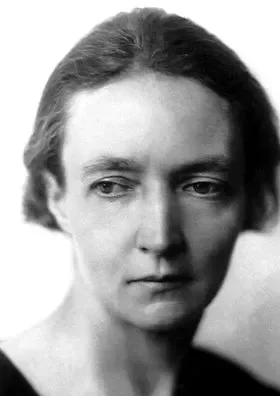
Irène Joliot-Curie
Born12 Sep, 1897
Died17 Mar, 1956
NationalityFrench
Age at time of death58
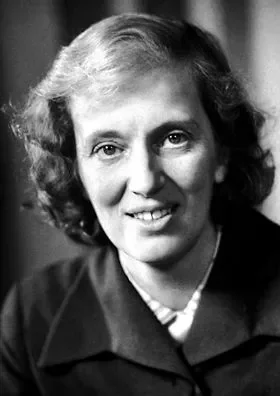
Dorothy Hodgkin
Born12 May, 1910
Died29 Jul, 1994
NationalityBritish
Age at time of death84

Siou-Ling Tsien de Perlinghi
Born02 Oct, 1912
Died01 Feb, 2008
NationalityChinese, Belgian
Age at time of death95
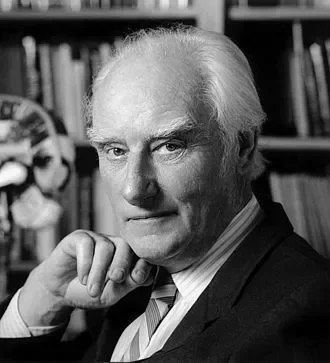
Francis Crick
Born08 Jun, 1916
Died28 Jul, 2004
NationalityBritish
Age at time of death88
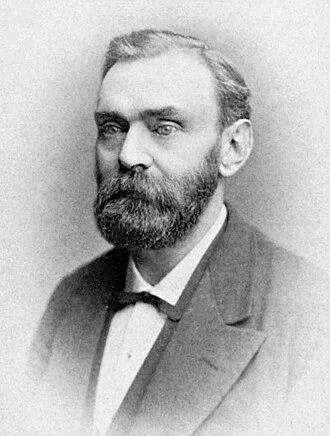
Alfred Nobel
Born21 Oct, 1833
Died10 Dec, 1896
NationalitySwedish
Age at time of death63
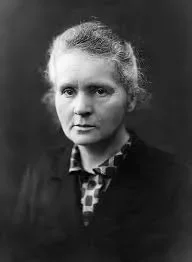
Marie Curie
Born07 Nov, 1867
Died04 Jul, 1934
NationalityPolish, French
Age at time of death66
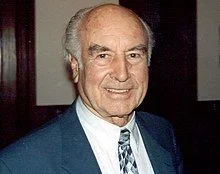
Albert Hofmann
Born11 Jan, 1906
Died29 Apr, 2008
NationalitySwiss
Age at time of death102
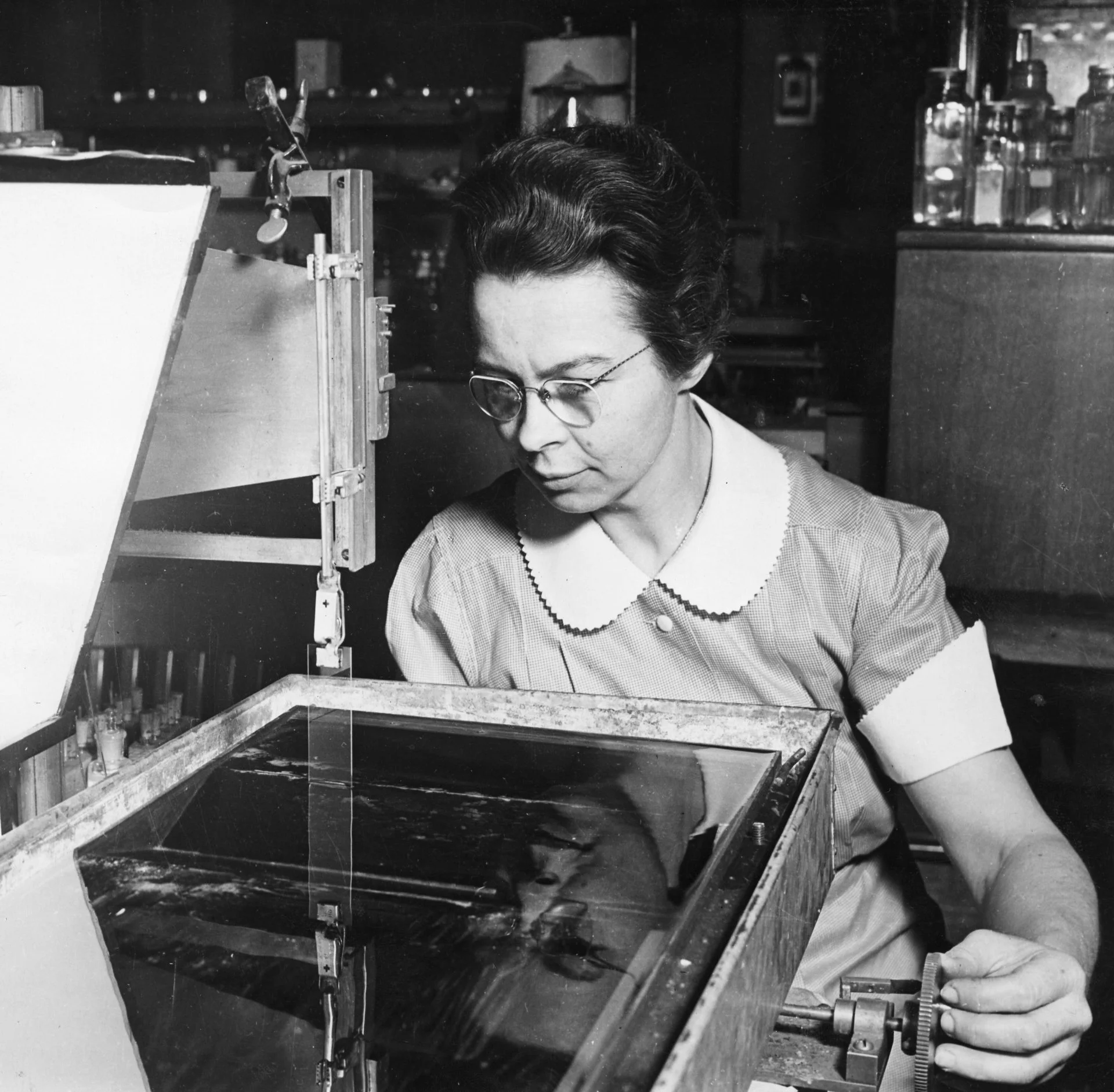
Katharine Burr Blodgett
Born10 Jan, 1898
Died12 Oct, 1979
NationalityAmerican
Age at time of death81
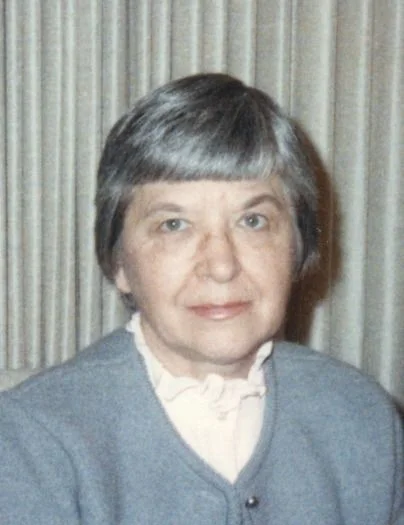
Stephanie Kwolek
Born31 Jul, 1923
Died18 Jun, 2014
NationalityPolish, American
Age at time of death90
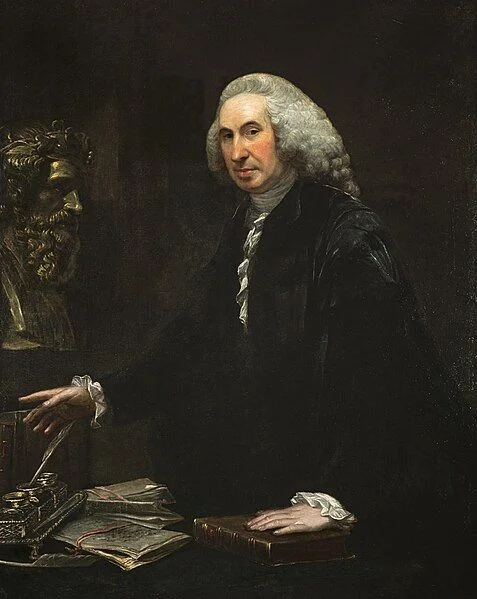
William Cullen
Born15 Apr, 1710
Died05 Feb, 1790
NationalityScottish
Age at time of death79
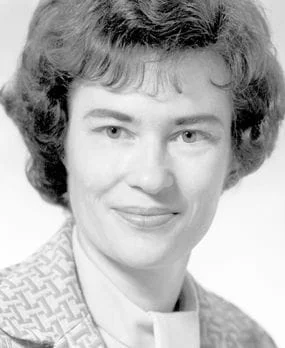
Patsy Sherman
Born15 Sep, 1930
Died11 Feb, 2008
NationalityAmerican
Age at time of death77
Sir Humphry Davy
Born17 Dec, 1778
Died29 May, 1829
NationalityBritish
Age at time of death50
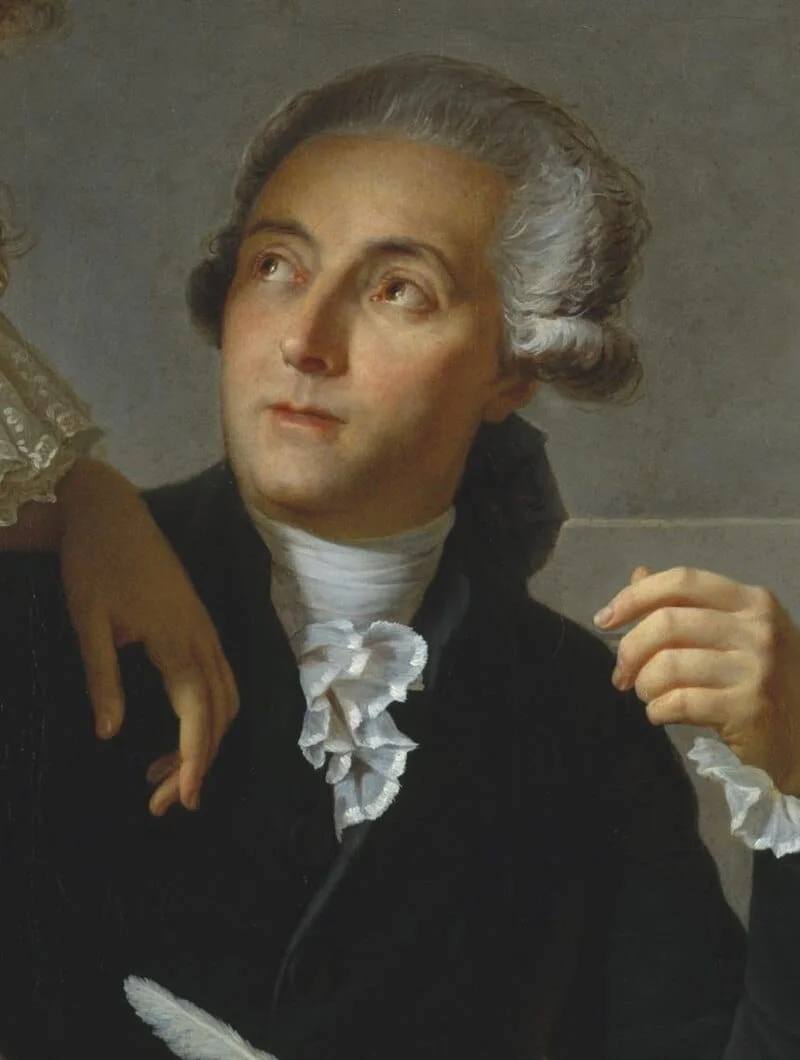
Antoine Lavoisier
Born26 Aug, 1743
Died08 May, 1794
NationalityFrench
Age at time of death50
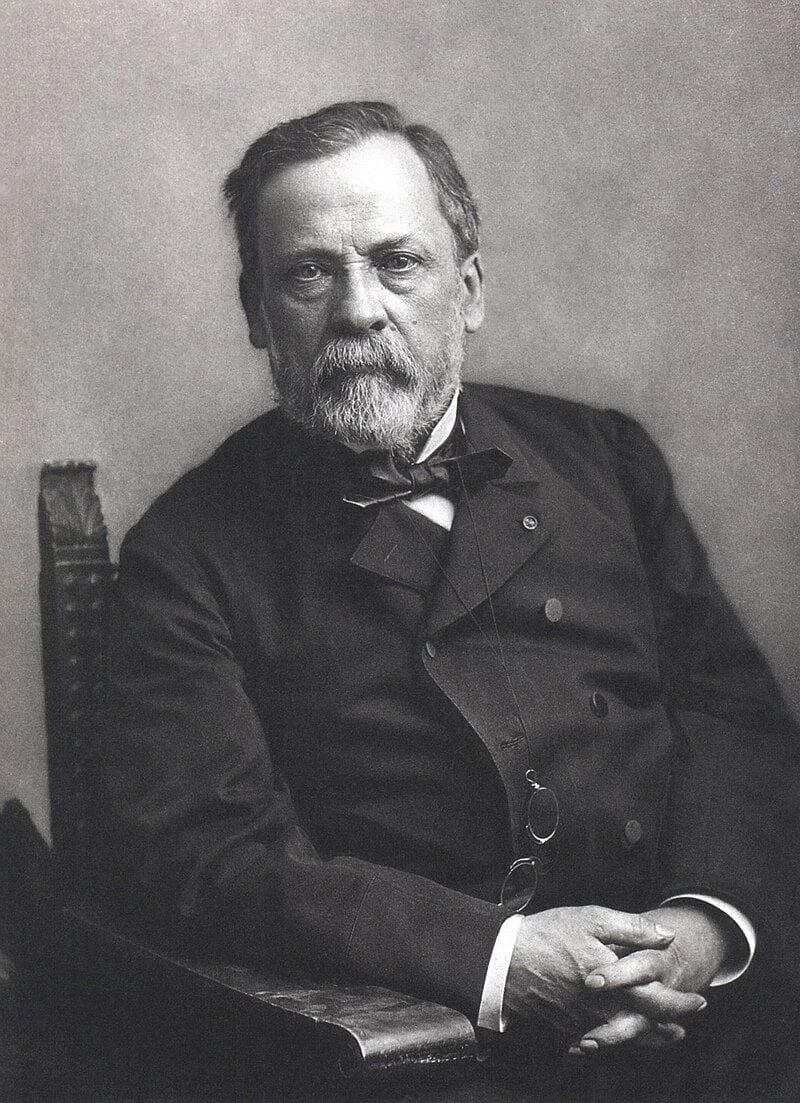
Louis Pasteur
Born27 Dec, 1822
Died28 Sep, 1895
NationalityFrench
Age at time of death72
Otto Hahn
Born08 Mar, 1879
Died28 Jul, 1968
NationalityGerman
Age at time of death89
John Walker
Born29 May, 1781
Died01 May, 1859
NationalityBritish
Age at time of death77
Roy J. Plunkett
Born26 Jun, 1910
Died12 May, 1994
NationalityAmerican
Age at time of death83
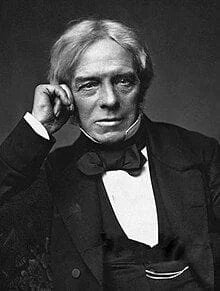
Michael Faraday
Born22 Sep, 1791
Died25 Aug, 1867
NationalityBritish
Age at time of death75
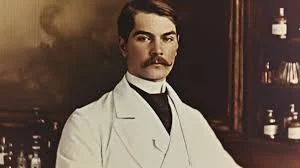
John Pemberton
Born08 Jul, 1831
Died16 Aug, 1888
NationalityAmerican
Age at time of death57
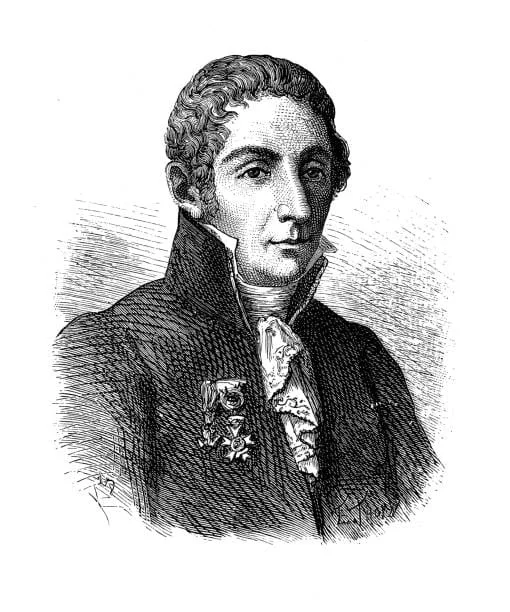
Alessandro Volta
Born18 Feb, 1745
Died05 Mar, 1827
NationalityItalian
Age at time of death82