Real Celebrities Never Die!
OR
Search For Past Celebrities Whose Birthday You Share
Died Age: 90
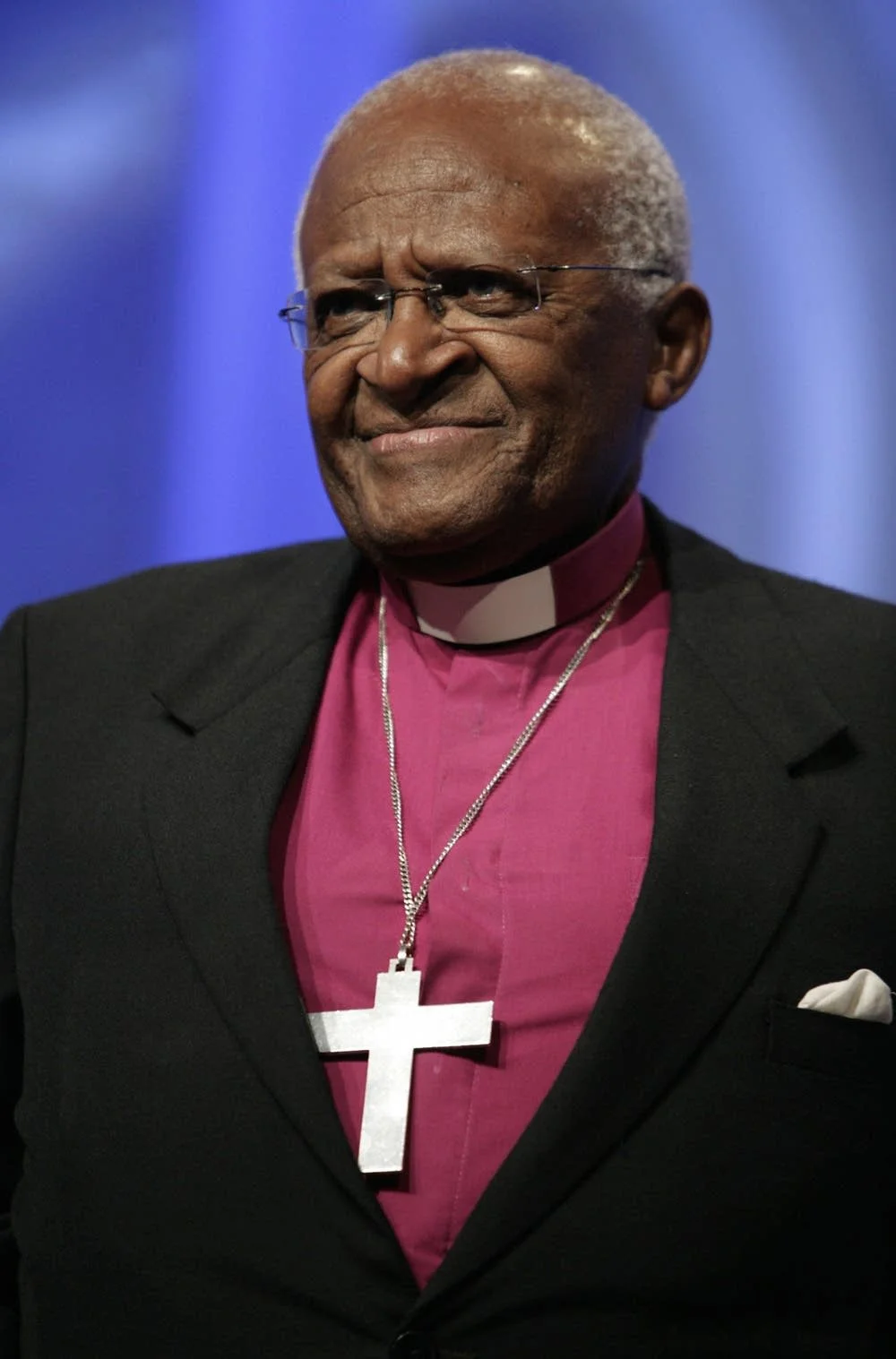
img.apmcdn.org
Desmond Tutu
Birthday:
07 Oct, 1931
Date of Death:
26 Dec, 2021
Cause of death:
Prostate Cancer
Nationality:
South African
Famous As:
Activist
Age at the time of death:
90
Desmond Mpilo Tutu's Quote's

“Do your little bit of good where you are; it's those little bits of good put together that overwhelm the world.”
Desmond Mpilo Tutu
🔗 deadcelebrityhub.com
Early Life: A Childhood of Contrasts
Desmond Tutu was a man who carried the weight of a nation’s pain, yet never let go of his infectious laugh. A spiritual leader with the heart of an activist, he wielded compassion as a weapon against injustice. Revered for his fearless opposition to apartheid and beloved for his boundless optimism, Tutu emerged as the moral compass of South Africa, one of the world's most enduring voices for human dignity.
Born on October 7, 1931, in the dusty township of Klerksdorp, South Africa, Desmond Mpilo Tutu entered a world stained by segregation and poverty. His father, Zachariah, was a schoolteacher—stern and principled. His mother, Aletta, was a domestic worker with a gentle resilience that left a deep imprint on her son. Though their lives were modest, the Tutu household pulsed with warmth, learning, and faith.
Tutu fell gravely ill with tuberculosis as a teenager. While hospitalised for over a year, he was cared for by a white Anglican priest, Father Trevor Huddleston, who treated him with rare compassion in a time when such empathy across racial lines was nearly unheard of. That experience etched itself into Tutu’s heart, planting the seeds of both his spiritual calling and his fierce commitment to racial justice.
Education: A Calling Ignited by Learning
Tutu initially followed in his father’s footsteps, becoming a teacher after attending Pretoria Bantu Normal College. But in 1957, when the apartheid government imposed restrictions on Black education through the Bantu Education Act, Tutu resigned in protest. That act of defiance became his first public stand against injustice.
Turning to theology, Tutu studied at St. Peter’s Theological College in Johannesburg. He later won a scholarship to King’s College in London, where he earned his bachelor’s and master’s degrees in theology. His time abroad expanded his worldview and strengthened his belief that faith must be lived through action. In London, he also experienced a kind of racial equality that felt revolutionary—a glimpse of what his homeland could be.
Career: A Priest Who Preached Justice
Early Ministry and the Rise of a Voice
Ordained as an Anglican priest in 1961, Tutu quickly became known for his eloquence and intellect. But it wasn’t until the mid-1970s when he became Dean of Johannesburg (the first Black person to hold the position), that his voice began to shake the foundations of apartheid.
Clad in his clerical robes and armed with scripture, Tutu denounced the regime from pulpits and public platforms. He refused to be neutral. “If you are neutral in situations of injustice,” he once declared, “you have chosen the side of the oppressor.”
Global Recognition and the Nobel Peace Prize
In 1984, at the height of apartheid’s brutality, Desmond Tutu was awarded the Nobel Peace Prize. It was a recognition not just of his nonviolent resistance, but of his role as a unifier in a deeply fractured nation. As Bishop of Johannesburg and later as Archbishop of Cape Town (the first Black person to lead the Anglican Church in southern Africa), he became an international figure, tirelessly advocating for sanctions against the apartheid government and travelling the globe to rally support.
Despite death threats and government surveillance, he remained unflinching. He once insisted on flying economy class, even when travelling internationally, believing it was wrong to live in luxury while others suffered.
The Truth and Reconciliation Years
After apartheid crumbled, Tutu was appointed by President Nelson Mandela to chair South Africa’s Truth and Reconciliation Commission in 1996. It was perhaps the most painful chapter of his career. Day after day, he listened to harrowing testimonies from victims and perpetrators alike, often weeping openly.
But Tutu believed in the healing power of truth. “There is no future without forgiveness,” he said, urging a divided country to walk the hard road toward unity. His approach wasn’t about forgetting the past—it was about confronting it with honesty and grace.
Personal Life: Joy, Family, and Playfulness
Despite his gravitas, Desmond Tutu never lost his childlike joy. He loved to dance. He cracked jokes sometimes mid-sermon. He laughed with his whole body, often so hard that tears streamed down his face.
He was married to Leah Nomalizo Tutu for over six decades, and together they raised four children. Leah was his steady partner who was strong, private, and unsparing in her support. Tutu affectionately called her “the boss,” crediting her with keeping him grounded.
He also loved gardening and was a huge fan of cricket, often slipping away from meetings to catch match updates. In a charming twist, he once appeared in an ad campaign for a South African fast-food chain, KFC, because he believed humour could unite people.
Legacy: A Beacon of Moral Courage
Desmond Tutu passed away on December 26, 2021, but his legacy radiates far beyond his life. He was not only a fighter for racial justice but a defender of LGBTQ+ rights, a critic of global inequality, and a tireless advocate for peace in places like Israel-Palestine and Myanmar. Even in retirement, he remained outspoken, famously rebuking his own church and political leaders when they strayed from the path of justice.
He left behind no buildings or monuments bearing his name, by choice. His legacy was not in stone—it was in the hearts he stirred, the wounds he helped heal, and the light he shone into some of humanity’s darkest corners.
In the end, Desmond Tutu was a spiritual insurgent, a joyful warrior whose greatest weapon was love. His life reminds us that courage doesn’t always roar; it sometimes laughs.
Profile Snapshot
Name:
Desmond Mpilo Tutu
Popular Name:
Desmond Tutu
Gender:
Male
Cause of Death:
Prostate Cancer
Spouse:
Nomalizo Leah Tutu
Place of Birth:
Klerksdorp, South Africa
Place of Death:
Oasis Care Centre, Cape Town, South Africa
Occupation / Profession:
Activist
Author
Bishop
Personality Type
Advocate: Quiet and mystical, yet very inspiring and tireless idealists. Desmond Tutu was a deeply principled and empathetic visionary whose quiet strength and unwavering idealism inspired a nation toward healing and justice.
Desmond Mpilo Tutu's Interesting Facts
He once said he’d rather go to hell than worship a homophobic God, showing his bold stance on LGBTQ+ rights.
He signed off his emails with “God bless you richly” and often added smiley faces, even in serious messages.
Tutu loved The Lion King and joked that Rafiki, the wise baboon, reminded people of him.
Achievements & Awards
Desmond Tutu played a pivotal role in the fight against apartheid, using his position as Archbishop and moral authority to advocate for nonviolent resistance and global sanctions against South Africa’s racist regime.
He was awarded the Nobel Peace Prize in 1984, recognising his tireless, peaceful opposition to apartheid.
Later, he chaired the Truth and Reconciliation Commission, a groundbreaking effort to help South Africa confront its traumatic past through restorative justice.
Over his lifetime, Tutu received numerous honours, including the Presidential Medal of Freedom, and honorary degrees from prestigious institutions worldwide, cementing his legacy as a global champion for human rights and dignity.
External Links
Latest Profiles
People also viewed
Eva Crane
Born12 Jun, 1912
Died06 Sep, 2007
NationalityBritish
Age at time of death95
Ursula Franklin
Born16 Sep, 1921
Died22 Jul, 2016
NationalityGerman, Canadian
Age at time of death94
Phyllis Diller
Born17 Jul, 1917
Died20 Aug, 2012
NationalityAmerican
Age at time of death95
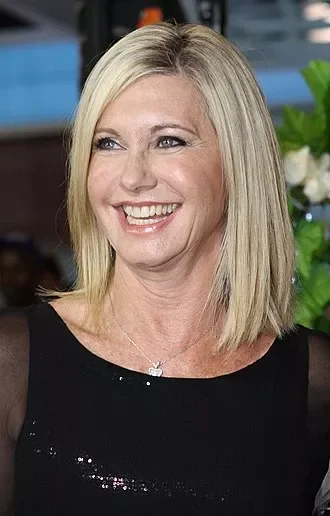
Olivia Newton-John
Born26 Sep, 1948
Died08 Aug, 2022
NationalityBritish, Australian
Age at time of death73
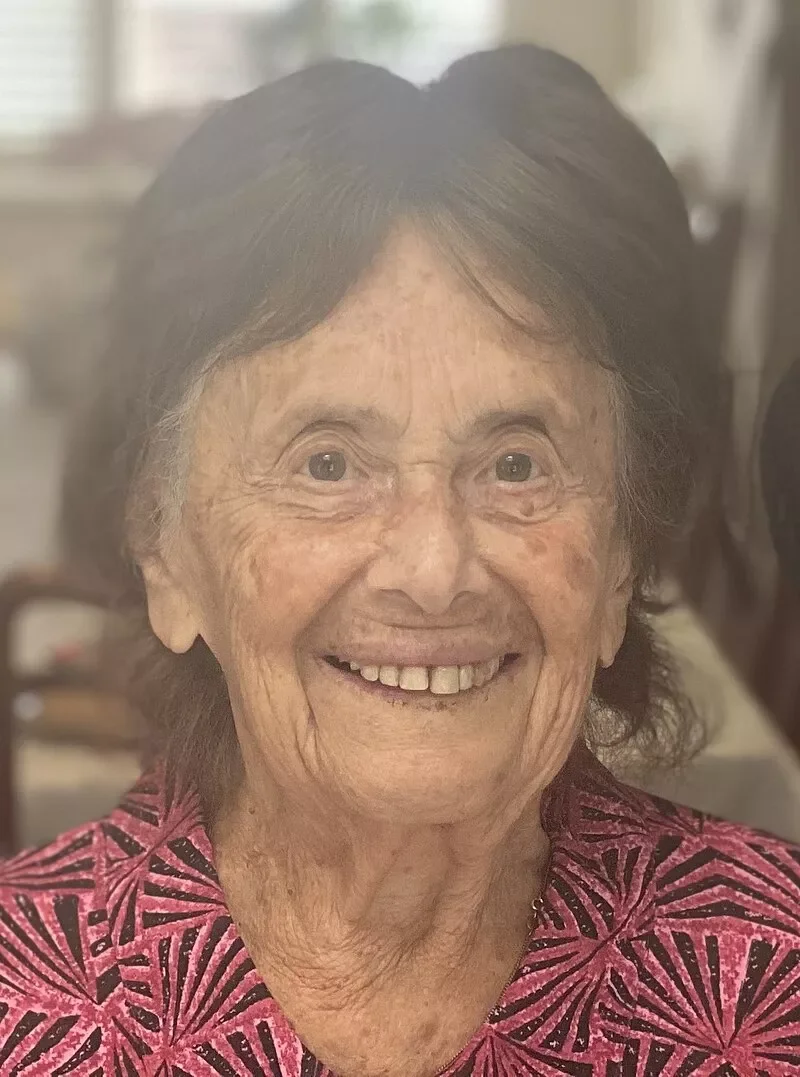
Lily Ebert
Born29 Dec, 1923
Died09 Oct, 2024
NationalityHungarian, British
Age at time of death100
Jonas Cohn
Born01 Dec, 1869
Died28 Jan, 1947
NationalityGerman
Age at time of death77
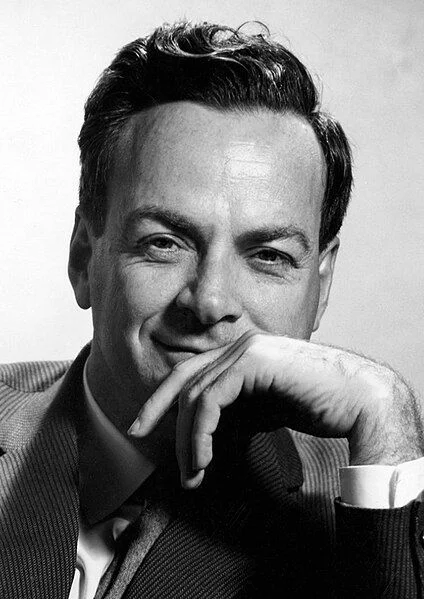
Richard Feynman
Born11 May, 1918
Died15 Feb, 1988
NationalityAmerican
Age at time of death69
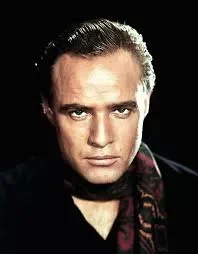
Marlon Brando
Born03 Apr, 1924
Died01 Jul, 2004
NationalityAmerican
Age at time of death80
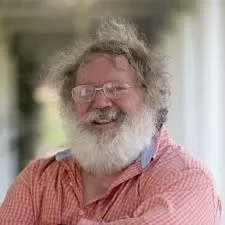
Marshall Brain
Born17 May, 1961
Died20 Nov, 2024
NationalityAmerican
Age at time of death63
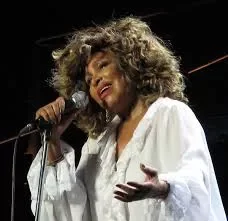
Tina Turner
Born26 Nov, 1939
Died24 May, 2023
NationalityAfrican, American
Age at time of death83
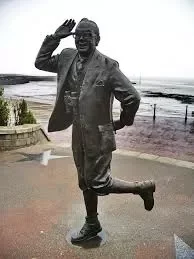
Eric Morecambe
Born14 May, 1926
Died28 May, 1984
NationalityBritish
Age at time of death58
A. W. Tozer
Born21 Apr, 1897
Died12 May, 1963
NationalityAmerican, Canadian
Age at time of death66
P. T. Barnum
Born05 Jul, 1810
Died07 Apr, 1891
NationalityAmerican
Age at time of death80
Nina Simone
Born21 Feb, 1933
Died21 Apr, 2003
NationalityAmerican
Age at time of death70
Stephen Hawking
Born08 Jan, 1942
Died14 Mar, 2018
NationalityEnglish
Age at time of death76
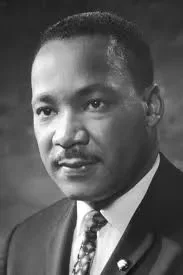
Martin Luther King Jr.
Born15 Jan, 1929
Died04 Apr, 1968
NationalityAmerican
Age at time of death39
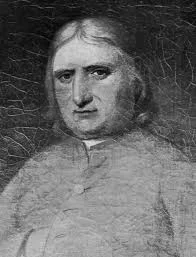
George Fox
Born04 Jul, 1624
Died13 Jan, 1691
NationalityEnglish
Age at time of death66
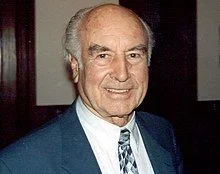
Albert Hofmann
Born11 Jan, 1906
Died29 Apr, 2008
NationalitySwiss
Age at time of death102
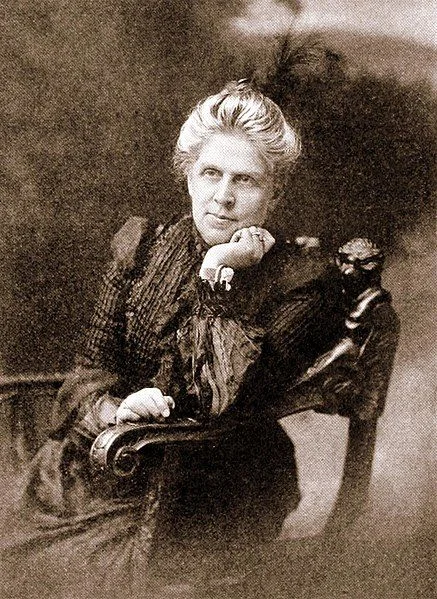
Harriet Russell Strong
Born23 Jul, 1844
Died06 Sep, 1926
NationalityAmerican
Age at time of death82
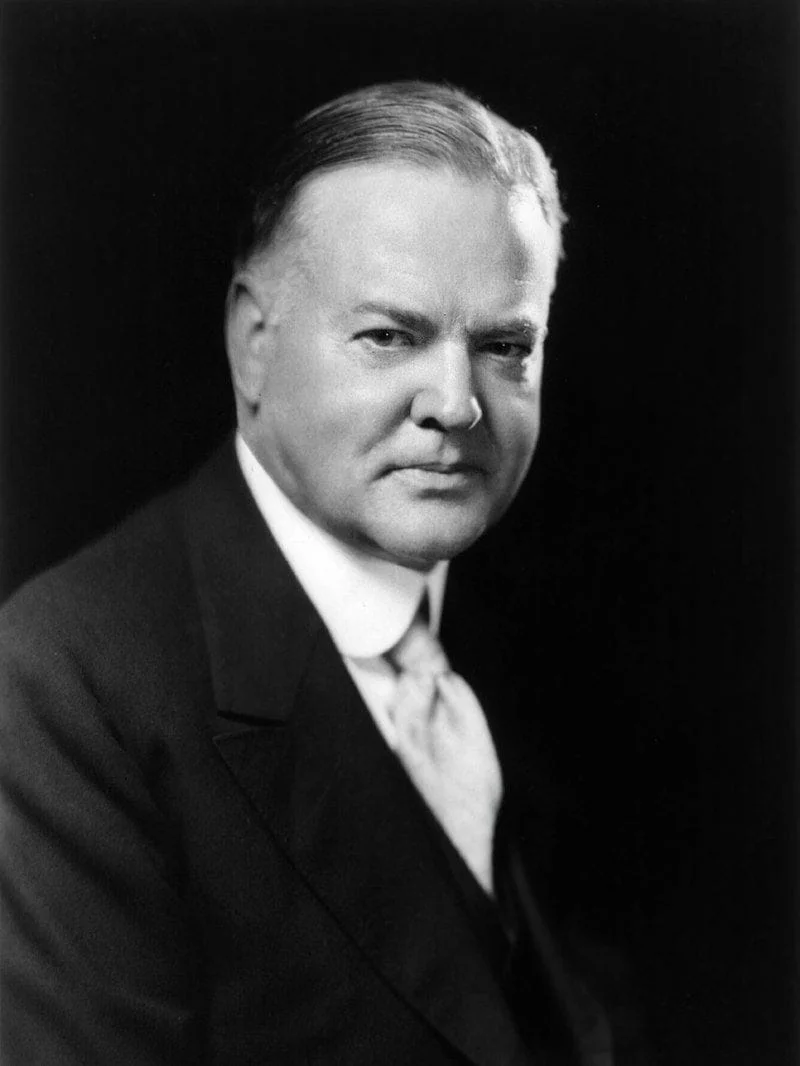
Herbert Hoover
Born10 Aug, 1874
Died20 Oct, 1964
NationalityAmerican
Age at time of death90