Real Celebrities Never Die!
OR
Search For Past Celebrities Whose Birthday You Share
Died Age: 38
vintageshowbiz.com
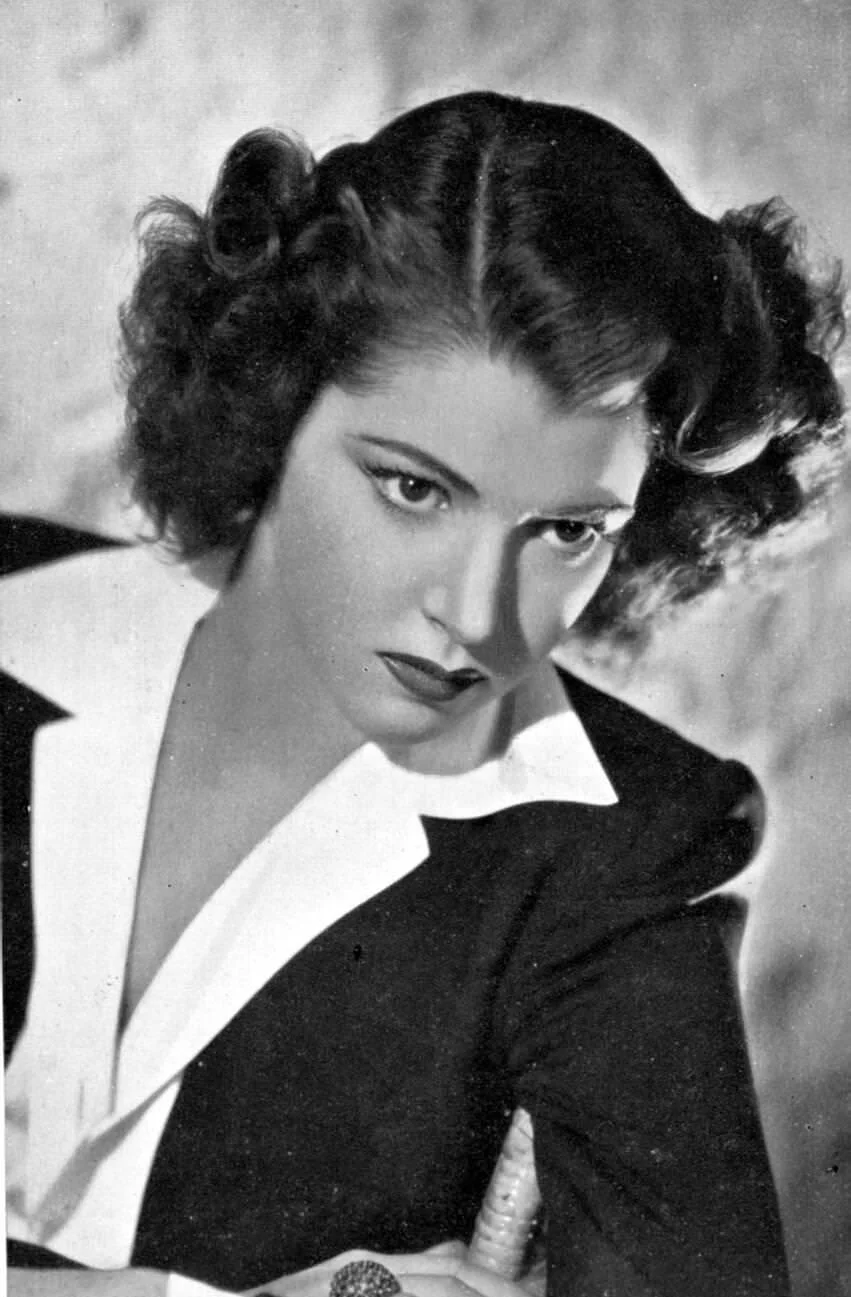
Diana Barrymore
Birthday:
03 Mar, 1921
Date of Death:
25 Jan, 1960
Cause of death:
Drug Overdose
Nationality:
American
Famous As:
American film
Age at the time of death:
38
Diana Blanche Barrymore Blythe's Quote's

“On the "Barrymore Legacy": "Damn them for giving me nothing and taking it away before I had it! Damn mother for her grandness and her indifference and her disdain of me, and damn daddy for the crazy, mixed-up life he led and the daughter he never gave a damn for, and damn uncle Lionel for treating me like the boarding-school bitch I am, and damn aunt Ethel who doesn't even know I'm alive, and damn me for being a silly, arrogant, affected schoolgirl! God damn us all! We deserve everything we get!”
Diana Blanche Barrymore Blythe
🔗 deadcelebrityhub.com
Early Life: Born to Greatness, Raised in Chaos
Diana Barrymore was born into Hollywood royalty, a name synonymous with brilliance on stage and screen. As the daughter of the legendary John Barrymore, she seemed destined for greatness. With her striking beauty, magnetic presence, and undeniable talent, she had all the makings of a classic star. But behind the glamour was a woman struggling to carve out her own identity amid the shadows of expectation and personal demons. Her life became a cautionary tale—a story of dazzling potential, turbulent struggles, and an enduring legacy.
Born Diana Blanche Barrymore Blythe on March 3, 1921, in New York City, she entered the world with both privilege and burden. Her father, John Barrymore, was one of the most revered actors of his generation, while her mother, Dolores Costello, was a celebrated silent film star. But the glitz of Hollywood masked a troubled upbringing.
Her parents' marriage was volatile, marked by John Barrymore’s alcoholism and erratic behavior. By the time Diana was four, her parents had divorced, and she was largely raised by her mother and grandmother. Though surrounded by wealth, she grew up feeling emotionally neglected, longing for a connection with her famous but distant father. His sporadic appearances in her life left a lasting impact, planting the seeds of both admiration and heartache.
Education: An Escape Through Learning
Diana attended various private schools, including the esteemed Convent of the Sacred Heart, before enrolling at the American Academy of Dramatic Arts in New York. Here, she found a sense of purpose. Unlike many Hollywood offspring, she did not rely solely on her name; she honed her craft with dedication. Her talent was evident, and soon, Broadway and Hollywood came calling.
Hollywood Dreams and Career Highs
Diana made her Broadway debut in 1939 in Romance, earning positive reviews that set the stage for her transition to Hollywood. Signed by Universal Pictures, she appeared in films like Eagle Squadron (1942) and Nightmare (1942). With her sharp features, piercing blue eyes, and captivating screen presence, she quickly gained recognition.
Despite early success, she found herself in a frustrating position—Hollywood seemed more interested in her last name than in nurturing her as an artist. While she had the talent, the industry’s tendency to typecast and the overwhelming expectations attached to her family name became obstacles she struggled to overcome.
Personal Struggles: A Battle with Addiction and Identity
Diana Barrymore's life off-screen was tumultuous. The pressure to live up to the Barrymore name weighed heavily on her, and like her father, she turned to alcohol for solace. Her struggles with addiction became well known, leading to erratic behavior, failed marriages, and a decline in her career.
Her personal life was riddled with troubled relationships, including three short-lived marriages, most notably to actor Bramwell Fletcher. Her bouts with alcoholism and emotional instability led to professional setbacks, and by the late 1940s, she found herself estranged from the industry that had once welcomed her so eagerly.
A Fight for Redemption: Memoir and Later Years
In 1957, Diana took control of her narrative with the release of her memoir, Too Much, Too Soon, a raw and revealing account of her struggles with addiction, family expectations, and the perils of fame. The book, later adapted into a film starring Dorothy Malone, was both a plea for understanding and a cautionary tale about Hollywood’s darker side.
Despite moments of sobriety and attempts at reinvention, Diana’s demons remained relentless. Her later years were marked by financial difficulties and declining health. On January 25, 1960, at the age of 38, she was found dead from an apparent overdose—another Barrymore lost too soon to the cycle of addiction and self-destruction.
Legacy: A Name That Echoes Through Generations
Though Diana Barrymore’s life was tragically brief, her story remains an important chapter in Hollywood history. She embodied the beauty and burden of fame, showcasing both its intoxicating allure and its potential to consume those unprepared for its weight. Her memoir stands as a poignant testament to her struggles, offering insight into the often-overlooked emotional toll of a life in the spotlight.
The Barrymore legacy lives on through subsequent generations, including Drew Barrymore, who has openly discussed her own battles with addiction and the influence of her family’s history. Diana’s story, while heartbreaking, serves as a reminder that even those born into glamour are not immune to life’s harshest trials.
In the end, Diana Barrymore was not just a fallen star—she was a woman who fought to be seen beyond her famous name. And in telling her story, she ensured that her voice, however troubled, would never be forgotten.
Profile Snapshot
Name:
Diana Blanche Barrymore Blythe
Popular Name:
Diana Barrymore
Gender:
Female
Cause of Death:
Drug Overdose
Spouse:
Bramwell Fletcher
John Robert Howard II
Robert Wilcox
Place of Birth:
New York City, U.S.
Place of Death:
New York City, U.S.
Occupation / Profession:
American film
Stage actress
Personality Type
Adventurer: Flexible and charming artists, always ready to explore and experience something new. Diana Barrymore embraced life’s highs and lows with intensity.
Diana Blanche Barrymore Blythe's Interesting Facts
Despite her Hollywood lineage, she struggled with alcoholism and turbulent relationships, which overshadowed her promising acting career.
Diana Barrymore was a member of the famous Barrymore acting dynasty, being the daughter of legendary actor John Barrymore.
She wrote a candid autobiography titled Too Much, Too Soon, detailing her struggles with fame, family, and addiction.
Tragically, she passed away at the age of 38 in 1960, following years of personal and professional hardships.
Achievements & Awards
Diana Barrymore gained recognition in Hollywood during the 1940s for films like Nightmare and Between Us Girls. Though she didn’t receive major awards, her autobiography,
Too Much, Too Soon (1957), became a bestseller and was later made into a movie. Her legacy remains tied to both her acting career and her candid life story
External Links