Real Celebrities Never Die!
OR
Search For Past Celebrities Whose Birthday You Share
Died Age: 78
assets.nst.com.my
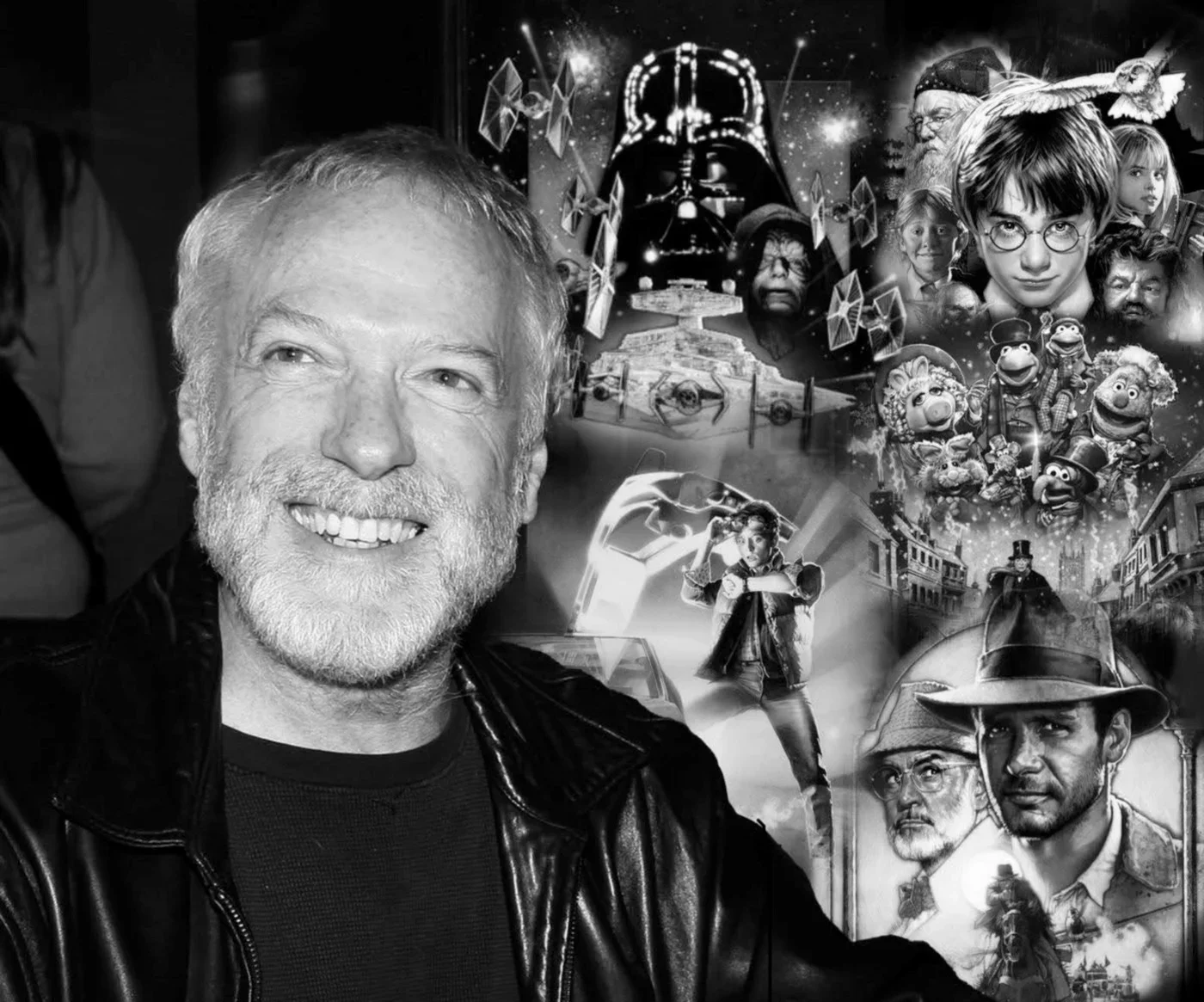
Drew Struzan
Birthday:
17 Mar, 1947
Date of Death:
12 Oct, 2025
Cause of death:
Alzheimer’s disease
Nationality:
American
Famous As:
American artist
Age at the time of death:
78
Drew Struzan's Quote's

“I wasn’t looking to tell a story. I’m looking to give a person a feeling about something they could hope for … I design a composition that is open-ended”
Drew Struzan
🔗 deadcelebrityhub.com
Overview
Drew Struzan is an artist whose brushstrokes became synonymous with cinematic magic—a painter whose vivid, dynamic posters captured not just the image of a film, but its very soul. From the menacing glare of a villain to the gleam of adventure on a hero’s face, Struzan’s art has shaped the way generations remember movies before the opening credits even roll.
Early Life: Nurtured by Creativity
Drew Struzan was born on March 18, 1947, in Oregon City, Oregon, into a family that encouraged curiosity and artistic exploration. From a young age, he demonstrated an unusual sensitivity to color, light, and composition. Sketching became his constant companion, whether on the margins of school notebooks or on scraps of paper around the house.
His parents, though not artists themselves, nurtured his imagination. They noticed that Drew had an almost instinctive ability to capture emotion in faces—a skill that would become his hallmark. As a teenager, he studied the works of Norman Rockwell and the grand illustrators of classic American advertising, soaking in lessons in storytelling through image.
A small piece of trivia: Struzan’s early inspiration came from comic books, which he credited for teaching him how to convey motion, drama, and personality in a single frame.
Education: Building Foundations for a Legendary Career
Struzan attended the Art Center College of Design in Pasadena, California, one of the most respected institutions for commercial and entertainment art. There, he learned the technical skills necessary to turn raw talent into professional mastery: precise draftsmanship, composition, and mastery of airbrush—a tool that would define his signature style.
The Art Center was not just a technical training ground—it was where Struzan absorbed the language of storytelling through visual means. He emerged not only with a refined skillset but with an understanding that illustration was about capturing narrative, emotion, and anticipation all at once.
Early Career: Breaking Into the Industry
After graduation in the late 1960s, Struzan began working in commercial illustration, producing album covers, advertising art, and small-scale posters. It was a competitive field, but his unique combination of realism, dramatic lighting, and human warmth quickly distinguished him.
He first gained notice in the film industry through work on smaller movie posters, steadily building relationships with studios and art directors. His breakthrough came with a series of projects for Disney, where he demonstrated the ability to infuse even family-oriented films with energy and depth.
Fun trivia: Early in his career, Struzan often worked late into the night listening to classical music, claiming it helped him “see the story in color and composition.”
Major Achievements: Defining the Visual Language of Hollywood
By the late 1970s, Struzan was in high demand, and his work began to define the visual language of blockbuster cinema. Some of his most iconic contributions include:
● Star Wars (original trilogy and beyond) – Struzan’s portraits of Luke, Leia, and Darth Vader became the defining imagery for one of the most beloved franchises in film history.
● Indiana Jones series – His posters captured both the thrill of adventure and the charm of Harrison Ford’s titular hero.
● Back to the Future, E.T., and Blade Runner – Each work displayed his uncanny ability to merge realism with imaginative storytelling.
Struzan’s technique often involved painstakingly layered airbrush, pencil, and acrylic work, creating an almost three-dimensional effect. Colleagues noted his obsessive attention to facial expressions, gestures, and background detail. For Struzan, every poster was a miniature narrative—a visual movie trailer in a single image.
Later Career: Legacy Beyond the Canvas
Even as digital tools transformed illustration, Struzan remained committed to hand-painted techniques. He continued to produce art for collectors, limited editions, and film retrospectives, cementing his reputation as one of the last great masters of cinematic illustration.
Beyond the canvas, Struzan has inspired generations of artists. Many modern poster designers cite him as the benchmark for how to combine storytelling, portraiture, and emotion in a single image.
Personal life remained grounding: Struzan is known for his humility, gentle demeanor, and deep love for family. Friends describe him as introspective and methodical, someone who views art not as a career but as a lifelong conversation with imagination.
Legacy: Painting the Stories of Our Lives
Drew Struzan’s influence stretches far beyond the posters that adorn walls and memorabilia shops. He taught the world that a movie poster could be an emotional experience, a promise, and an artwork all at once. His images remain indelibly linked to the memories of audiences who first encountered Star Wars, Back to the Future, or Indiana Jones through his lens.
Drew Struzan is remembered as a master storyteller with a brush—a man whose art continues to captivate, inspire, and bring cinematic worlds to life even before the film begins. His legacy endures, a testament to the power of imagination, craft, and devotion to the stories that move us.
Profile Snapshot
Name:
Drew Struzan
Popular Name:
Drew Struzan
Gender:
Male
Cause of Death:
Alzheimer’s disease
Spouse:
Dylan Struzan
Place of Birth:
Oregon City, Oregon, U.S.
Place of Death:
Pasadena, California, U.S.
Occupation / Profession:
American artist
Cover designer
Illustrator
Personality Type
Entertainer: Drew Struzan was a sensitive, visionary creative — a deeply feeling, idealistic artist whose imagination and empathy turned blockbuster movies into emotional, human‑scale works of art, while quietly exercising disciplined mastery to shape a distinctive, timeless style
Drew Struzan's Interesting Facts
Drew Struzan is the legendary poster artist behind iconic film artwork such as Star Wars, Indiana Jones, Back to the Future, and Harry Potter.
He often paints his posters using a combination of acrylics, colored pencils, and airbrushing, giving his work a distinctive warm, textured look.
Struzan created more than 150 movie posters over his career, many of which became more famous than the films’ official marketing photos.
Despite his massive impact on pop-culture imagery, he originally struggled financially as a young illustrator and took on album cover work before moving fully into movie posters
Achievements & Awards
He won a Saturn Award in 2002 for his lifetime work in genre filmmaking and an Inkpot Award in 2010 recognizing his impact on pop culture and illustration. Later, he received the Saul Bass Award in 2014, the Sergio Award for Lifetime Achievement in 2016, and was inducted into the Society of Illustrators Hall of Fame in 2020.
External Links
Additional Links
Latest Profiles
People also viewed
Beatrix Potter
Born28 Jul, 1866
Died22 Dec, 1943
NationalityBritish
Age at time of death77
Dr. Seuss
Born02 Mar, 1904
Died24 Sep, 1991
NationalityAmerican
Age at time of death87

Ian Falconer
Born25 Aug, 1959
Died07 Mar, 2023
NationalityAmerican
Age at time of death63

Chris Moore
Born31 May, 1947
Died06 Feb, 2025
NationalityAmerican
Age at time of death77