Real Celebrities Never Die!
OR
Search For Past Celebrities Whose Birthday You Share
Died Age: 56
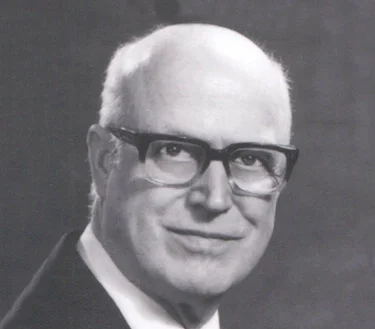
plasticshof.org
Earl Tupper
Birthday:
28 Jul, 1907
Date of Death:
05 Oct, 1963
Cause of death:
Heart attack
Nationality:
American
Famous As:
Chemist
Age at the time of death:
56
Earl Silas Tupper's Quote's

“Build it right, and they’ll buy it.”
Earl Silas Tupper
🔗 deadcelebrityhub.com
Early Life and Family Background
Earl Silas Tupper was born on July 28, 1907, in Berlin, New Hampshire, to Ernest Leslie Tupper and Lulu Clark Tupper. He was an only child. His father farmed the family land and greenhouses, and his mother did laundry and operated a boarding house to supplement the income. Ernest Tupper was an inventor in his own right, with a patent on a machine that would clean chickens. This kind of inventive lifestyle encouraged Earl to develop his passion for innovation and entrepreneurship early in life.
Education and Early Career
After graduating from Bryant College (now Bryant University) in Providence, Rhode Island, Tupper entered the business sector by opening a landscaping and nursery company. The Great Depression, however, pushed his company into bankruptcy. He then became an employee of the DuPont chemical company, where he developed skills in working with polymer materials.
Founding of the Earl S. Tupper Company
Tupper established the Earl S. Tupper Company in 1938, with the goal of manufacturing plastic items for a number of industries. His opportunity came with World War II, when he experimented with polyethylene, a flexible plastic created by DuPont for use in the war effort. By washing black, odorous polyethylene slag—a byproduct of oil refining—Tupper produced a light, indestructible plastic. He developed an airtight, watertight lid inspired by paint can seals, which created containers that made food stay fresh longer and spilling impossible.
The Tupperware Party Sales Model
In spite of the innovative design, Tupperware did not succeed in retail environments, as customers had to be shown the product’s seal system. Saleswoman Brownie Wise saw the sales potential in selling Tupperware in home parties, where the features of the product could be shown to customers face to face. Seizing on the concept, Tupper withdrew his products from store displays in the early 1950s and dedicated himself to the home party selling concept exclusively.
Business Success and Sale of Tupperware
Tupper’s inventive product design and Wise’s marketing expertise together transformed Tupperware into a significant part of 1950s American culture for suburban housewives. The company’s distribution system offered women business opportunities previously unknown. Tupper fired Wise in January 1958 and sold The Tupperware Company to Rexall Drug in 1958 for $16 million. At the time of selling the company, Tupper divorced his wife, purchased an island in Panama, and renounced his United States citizenship to avoid paying taxes.
Later Life and Philanthropy
In 1969, Tupper donated 428 acres of land in Smithfield, Rhode Island, to his alma mater, Bryant College, to accommodate a new campus, which was opened in 1971. Tupper spent the rest of his years in Costa Rica in isolation, continuing to create various inventions but never achieving the same level of success again.
Death and Legacy
Earl Tupper passed away on October 3, 1983, in Costa Rica at the age of 76. Tupper’s legacy is carried on in the Tupperware brand that revolutionized food storage and direct sales marketing. His induction into the Plastics Hall of Fame recognizes his enduring contribution to the plastics industry. “Tupperware” is now used generically to refer to plastic food storage containers, a testament to the lasting impact of his innovations.
Profile Snapshot
Name:
Earl Silas Tupper
Popular Name:
Earl Tupper
Gender:
Male
Cause of Death:
Heart attack
Spouse:
Marie Whitcomb
Place of Birth:
Berlin, New Hampshire, USA
Place of Death:
San José, Costa Rica
Occupation / Profession:
Chemist
Entrepreneur
Inventor
Personality Type
Commander: Bold, imaginative and strong-willed leaders, always finding a way – or making one. He was known for strategic vision, leadership, and determination.
Earl Silas Tupper's Interesting Facts
He initially struggled to sell Tupperware until Brownie Wise’s party plan took off.
He refined polyethylene slag from DuPont into flexible plastic.
He retired to Costa Rica after selling his company and became a citizen there.
Tupper started as a tree surgeon before turning to invention.
Achievements & Awards
Founded Tupperware Plastics Company in 1938.
Invented Tupperware and patented its airtight seal (U.S. Patent No. 2,487,400) in 1949.
Received recognition for advancing plastic manufacturing techniques.
Sold Tupperware to Rexall Drug Company for $16 million in 1958.
Tupperware inducted into the Plastics Hall of Fame posthumously.
External Links
Additional Links
https://melodystupperwaretuppertalk.wordpress.com/fun-facts-about-tupperware-and-other-life-hacks/https://plasticshof.org/members/earl-s-tupper/https://www.azquotes.com/author/48179-Earl_Tupperhttps://www.encyclopedia.com/education/economics-magazines/tupper-earl-silashttps://www.futura-sciences.com/sciences/personnalites/chimie-earl-silas-tupper-1075/https://www.mentalfloss.com/article/85379/15-tupperware-facts-back-fridgehttps://www.npr.org/transcripts/1238535892
Latest Profiles
People also viewed
Otto Frederick Rohwedder
Born28 Jul, 1880
Died08 Nov, 1960
NationalityAmerican
Age at time of death80
Irène Joliot-Curie
Born12 Sep, 1897
Died17 Mar, 1956
NationalityFrench
Age at time of death58
Dorothy Hodgkin
Born12 May, 1910
Died29 Jul, 1994
NationalityBritish
Age at time of death84
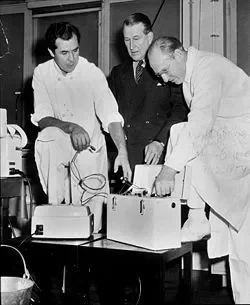
Rune Elmqvist
Born01 Dec, 1906
Died15 Dec, 1996
NationalitySwedish
Age at time of death90

Siou-Ling Tsien de Perlinghi
Born02 Oct, 1912
Died01 Feb, 2008
NationalityChinese, Belgian
Age at time of death95
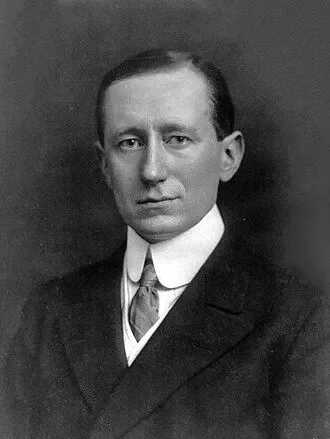
Guglielmo Marconi
Born25 Apr, 1874
Died20 Jul, 1937
NationalityItalian
Age at time of death63
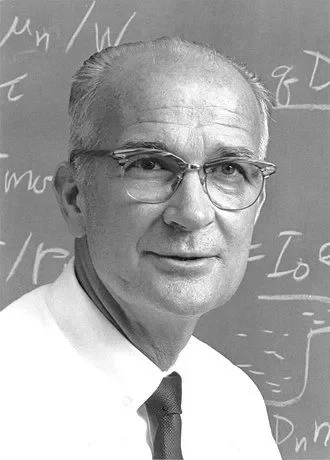
William Shockley
Born13 Feb, 1910
Died12 Aug, 1989
NationalityAmerican
Age at time of death79
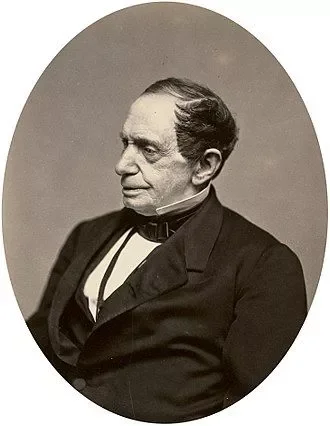
Johns Hopkins
Born19 May, 1795
Died24 Dec, 1873
NationalityAmerican
Age at time of death78
Alfred Nobel
Born21 Oct, 1833
Died10 Dec, 1896
NationalitySwedish
Age at time of death63
Clarence Birdseye
Born09 Dec, 1886
Died07 Oct, 1956
NationalityAmerican
Age at time of death69
Colonel Sir Benjamin Thompson, Count Rumford
Born26 Mar, 1753
Died21 Aug, 1814
NationalityAmerican, British
Age at time of death61
Thomas Newcomen
Born28 Feb, 1664
Died05 Aug, 1729
NationalityEnglish
Age at time of death65
Marie Curie
Born07 Nov, 1867
Died04 Jul, 1934
NationalityPolish, French
Age at time of death66

Gary Kildall
Born19 May, 1942
Died11 Jul, 1994
NationalityAmerican
Age at time of death52
Joseph Pilates
Born09 Dec, 1883
Died09 Oct, 1967
NationalityGerman
Age at time of death83
P. T. Barnum
Born05 Jul, 1810
Died07 Apr, 1891
NationalityAmerican
Age at time of death80
Mark Twain
Born30 Nov, 1835
Died21 Apr, 1910
NationalityAmerican
Age at time of death74
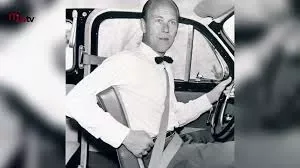
Nils Bohlin
Born17 Jul, 1920
Died26 Sep, 2002
NationalitySwedish
Age at time of death82
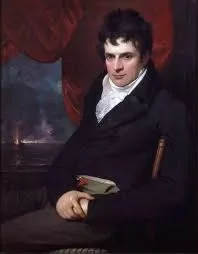
Robert Fulton
Born14 Nov, 1765
Died24 Feb, 1815
NationalityAmerican
Age at time of death49

Eazy-E
Born07 Sep, 1964
Died26 Mar, 1995
NationalityAmerican
Age at time of death30