Real Celebrities Never Die!
OR
Search For Past Celebrities Whose Birthday You Share
Died Age: 91
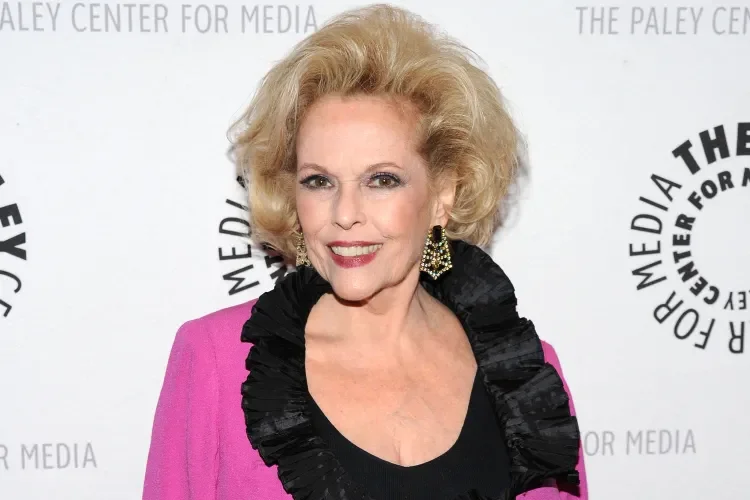
people.com
Eileen Fulton
Birthday:
12 Sep, 1933
Date of Death:
13 Jul, 2025
Cause of death:
Declining Health
Nationality:
American
Famous As:
American actress
Age at the time of death:
91
Margaret Elizabeth McLarty 's Quote's

“The reason for my longevity on television? I just won’t let it die. It’s still here because I want it to be. You can accomplish almost anything if you want to.”
Margaret Elizabeth McLarty
🔗 deadcelebrityhub.com
Early Life
Eileen Fulton, born Margaret Elizabeth McLarty, became a cornerstone of American daytime television, transforming what was meant to be a short-term soap role into one of the most enduring performances in the genre. For half a century she inhabited Lisa Grimaldi on As the World Turns, a character who evolved from ingénue to vixen to matriarch, as complex and volatile as she was compelling. Fulton was more than a soap star—she was a singer, a novelist, a stage actress, and a voice that helped reshape what women in soaps could be.
Margaret Elizabeth McLarty entered the world on September 13, 1933, in Asheville, North Carolina. Her father was a Methodist minister, and her mother taught in public schools. Because of her father’s work, the family moved around the state, and young Margaret grew up with much of her identity tied to church, music, and performance from a very early age. At just two years old, she made a mark on audiences—literally—by singing in a church service, bursting into the altar with a childlike insistence that performance, at least, could not wait.
As she grew up, she showed aptitude in both music and drama: singing, acting in school plays, absorbing the rhythms of church choirs and southern culture. These early years established something central: Fulton was never content simply to be nice; she wanted tension, feeling, character, and complexity.
Education & Formative Influences
Fulton completed her higher education at Greensboro College, graduating in 1956 with a degree in music and dramatics. During her college years she performed in plays like Candida and The Thirteen Clocks, showing early both her commitment to stagecraft and her ease with theatrical variety. After college she moved to New York, studying acting with prestigious teachers including Sanford Meisner and Lee Strasberg, and also training under Martha Graham in dance.
Modeling and odd jobs helped her make ends meet as she pursued her craft. These were the years when she sharpened her sense of how performance, discipline, and risk intertwine—how much of acting is preparation, and how much is daring.
Career Journey
Eileen Fulton’s career can be seen in phases: her breakthrough and long tenure on As the World Turns, her stage and crossover work, her ventures into writing and music, and her later years of reflection and legacy-building.
Phase One: Breakthrough & As the World Turns
In 1960, Fulton won the role that would define her—and reshape soap opera history—Lisa Miller (later Lisa Grimaldi) on As the World Turns. The character was originally intended as a temporary “nice girl” love interest, but Fulton brought a spark—she introduced cunning, intrigue, and a dose of moral ambiguity that made Lisa far more interesting. Over time, scriptwriters leaned into that, and Lisa evolved into one of that soap’s most complex and watched characters.
The show lasted until 2010, and Fulton remained with it nearly the whole time—50 years. Through marriages, affairs, betrayals, rivalries, scandals, she carried Lisa Grimaldi with energy, charm, and an ability to provoke strong audience feelings—love, disgust, fascination. She became known for living Lisa’s highs and lows in front of millions of viewers, and for using opportunity after opportunity to stretch the role into more than what was first given.
Phase Two: Stage, Music, and Broader Artistic Work
While As the World Turns anchored her fame, Fulton also kept company with theatre. Early in her career she appeared in productions like The Fantasticks, Abe Lincoln in Illinois, and in more demanding fare like Who’s Afraid of Virginia Woolf? She crossed between daytime television and stage performances, sometimes performing two shows in a single evening or handling daytime tapings and live theatre in quick succession.
She also stretched into singing, releasing albums and integrating song into her cabaret performances. Her voice became another part of her public identity—one more channel for expression, mood, and emotion.
Phase Three: Writing, Personal Branding, and Reinvention
Beyond acting and singing, Fulton became a writer. She published two autobiographies (How My World Turns in 1970; As My World Still Turns in 1995) that reflected on both her life and her long run as Lisa, how character and performer sometimes blur. She also tried her hand at fiction: murder mysteries, novels inspired by soap-opera tropes, exploring the dark corners and secrets behind glamour and daily drama.
Her professional persona included one especially infamous contract clause: she insisted her character should not ever be made a grandmother—intended to preserve a sense of vitality, relevance, perhaps flirtation with age but without surrendering to expected tropes. That kind of agency over her image was rare, and indicative of how Fulton viewed her own career: not as passive, but as something she could steer.
Phase Four: Later Years & Final Curtain
As As the World Turns wound down in 2010, Fulton made sure Lisa’s final presence in Oakdale reflected decades of story and growth. After the soap concluded, she stepped back from regular acting, though she continued to perform cabaret, revisit favorite roles, and maintain her writing. She formally retired around 2019.
In her later years she also returned to her roots: her birthplace in Asheville, North Carolina, where she kept connections to the arts, scholarships, and remembered where she started. She passed away on July 14, 2025, at the age of 91, having lived the full circle of being both performer and witness to the shifting world of television, culture, femininity, and aging.
Personal Life
Fulton was married three times. Her first marriage was to Bill Cochrane in 1957, her second to record producer Danny Fortunato in 1970 (ending around 1980), and her third very briefly to Rick McMorrow in 1989. None of her marriages yielded children.
Outside of romantic life, she was deeply invested in education and giving back. She established music scholarships—in honor of her father and mother—at Brevard College and Greensboro College. She also held an honorary doctorate from Greensboro, which acknowledged both her achievements and her role as an example for younger artists.
Friends described her as both generous and tough: someone who understood the public glare, who appreciated her success but also guarded her private self. She often said that Lisa and Eileen were different in key ways—even as she acknowledged how much of herself she brought into Lisa’s clothes, betrayals, flair, confidence.
Legacy
Eileen Fulton’s legacy is powerful and multi-layered:
She set new standards for what it meant to be a woman in soap operas—not only a virtuous heroine but someone who could scheme, feel moral discomfort, make mistakes, provoke resentments, and yet be beloved.
Her fifty-year tenure as Lisa Grimaldi is almost unmatched: longevity not as repetition, but as evolution, as a story told over lifetimes.
In theater, music, and writing, she showed that an actress in daytime television could have serious artistic breadth.
The “grandmother clause” is more than trivia—it symbolizes her concern for ageism, image, relevance, and for holding agency over how she aged in public.
She influenced countless younger performers who saw that path: that daytime television could offer durability, challenge, and depth.
Conclusion
Eileen Fulton’s life was in many ways entwined with her greatest role—Lisa Grimaldi—but she was never limited by it. From a little girl singing in church, through training, bold character choices, and decades on screen, she built a career that was as much about choices as about talent. She showed that longevity can be creative, that aging needn’t diminish, and that one can live many “lives” within a single person: the actor, the writer, the singer, the outspoken woman who refused to fade quietly. Her legacy lives in every scene she transformed, every story she carried, and in the sense that she redefined what it means to play a lasting role with both heart and sparkle.
Profile Snapshot
Name:
Margaret Elizabeth McLarty
Popular Name:
Eileen Fulton
Gender:
Female
Cause of Death:
Declining Health
Spouse:
Bill Cochrane
Danny Fortunato
Rick McMorrow
Place of Birth:
Asheville, North Carolina, U.S.
Place of Death:
Asheville, North Carolina, U.S.
Occupation / Profession:
American actress
Singer Author
Personality Type
Entertainer: Eileen Fulton was a fiercely determined, ambitious and creative performer who shaped her legacy through bold choices, enduring persistence, and a flair for both drama and self-reinvention.
Margaret Elizabeth McLarty 's Interesting Facts
Eileen Fulton is best known for her role as Lisa Grimaldi on the soap opera As the World Turns, which she played for over 50 years.
She made her Broadway debut in the 1961 play Mary, Mary.
Fulton has authored an autobiography titled Fortunately, My Life Is Crazy.
She received a Daytime Emmy Award nomination for Outstanding Lead Actress in a Drama Series in 1984.
Achievements & Awards
Eileen Fulton received the Editor’s Award at the Soap Opera Digest Awards in 1991 for her iconic role in As the World Turns. She was later honored with induction into the Soap Opera Hall of Fame in 1998 and received the prestigious Daytime Emmy Lifetime Achievement Award in 2004.
External Links
Latest Profiles
People also viewed
Renée Victor
Born25 Jul, 1938
Died30 May, 2025
NationalityAmerican
Age at time of death86
Barbara Payton
Born16 Nov, 1927
Died08 May, 1967
NationalityAmerican
Age at time of death39
Ruth Buzzi
Born24 Jul, 1936
Died01 May, 2025
NationalityAmerican
Age at time of death88

Clara Bow
Born29 Jul, 1905
Died27 Sep, 1965
NationalityAmerican
Age at time of death60
Jean Harlow
Born03 Mar, 1911
Died07 Jun, 1937
NationalityJean_Harlow
Age at time of death26
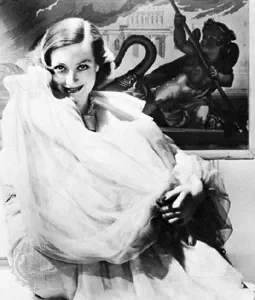
Joan Crawford
Born23 Mar, 1904
Died10 May, 1977
NationalityAmerican
Age at time of death73
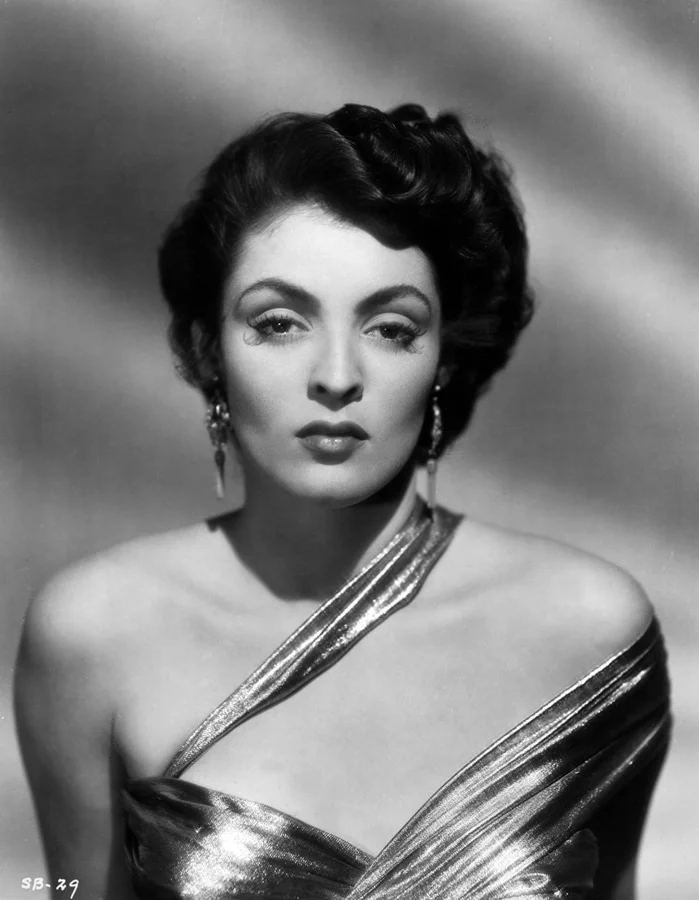
Suzan Ball
Born03 Feb, 1934
Died05 Aug, 1955
NationalityAmerican
Age at time of death21
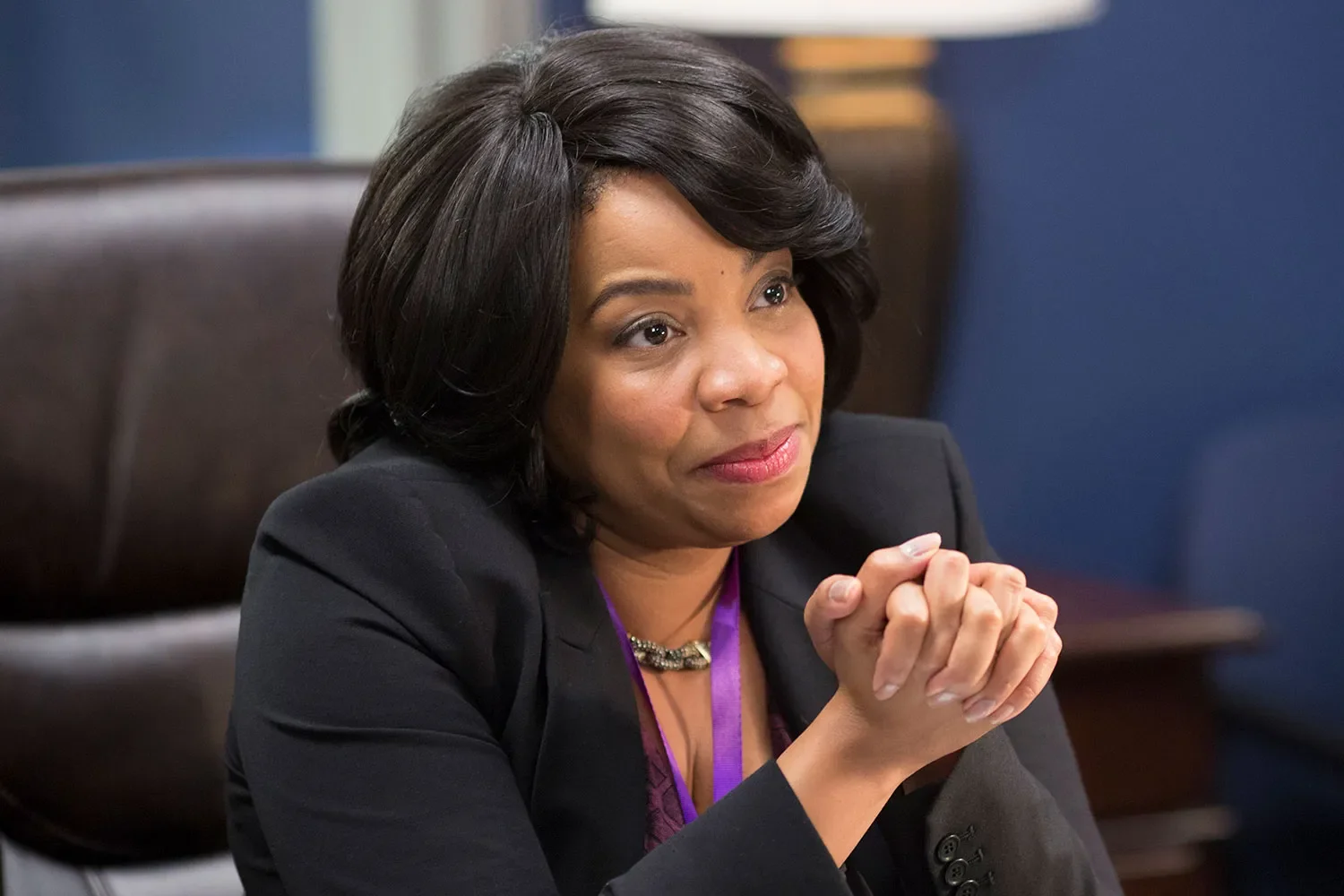
Kimberly Hébert Gregory
Born06 Dec, 1972
Died02 Oct, 2025
NationalityAmerican
Age at time of death52
Kirstie Alley
Born11 Jan, 1951
Died04 Dec, 2022
NationalityAmerican
Age at time of death71
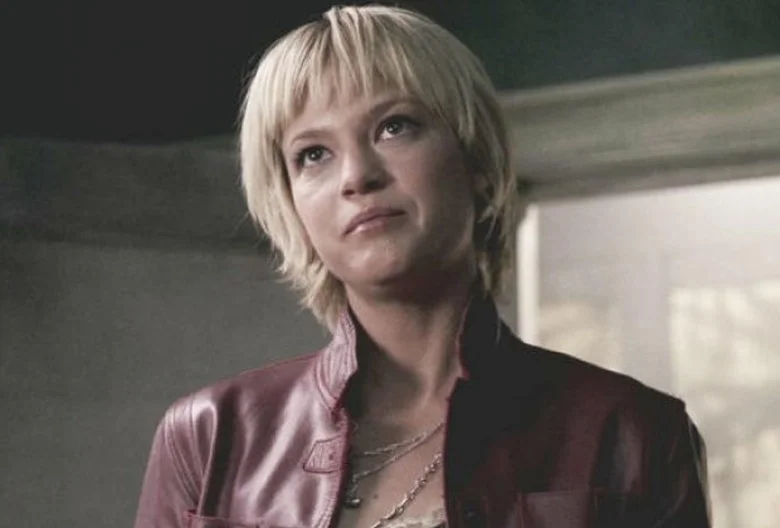
Nicki Aycox
Born25 May, 1975
Died15 Nov, 2022
NationalityAmerican
Age at time of death47
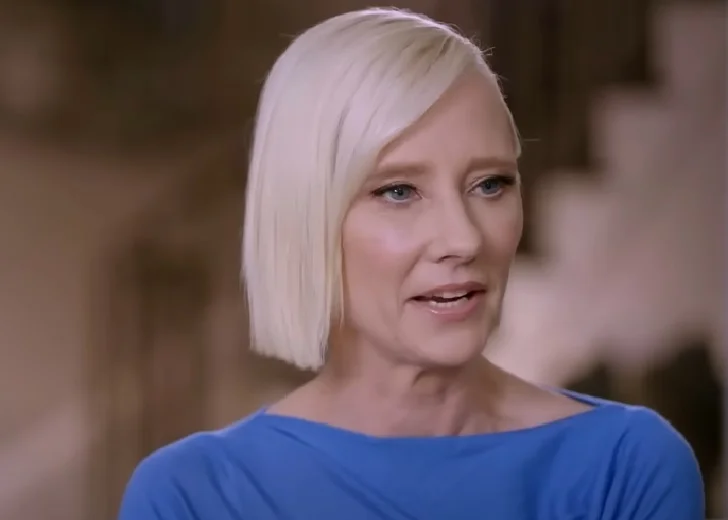
Anne Heche
Born24 May, 1969
Died10 Aug, 2022
NationalityAmerican
Age at time of death53
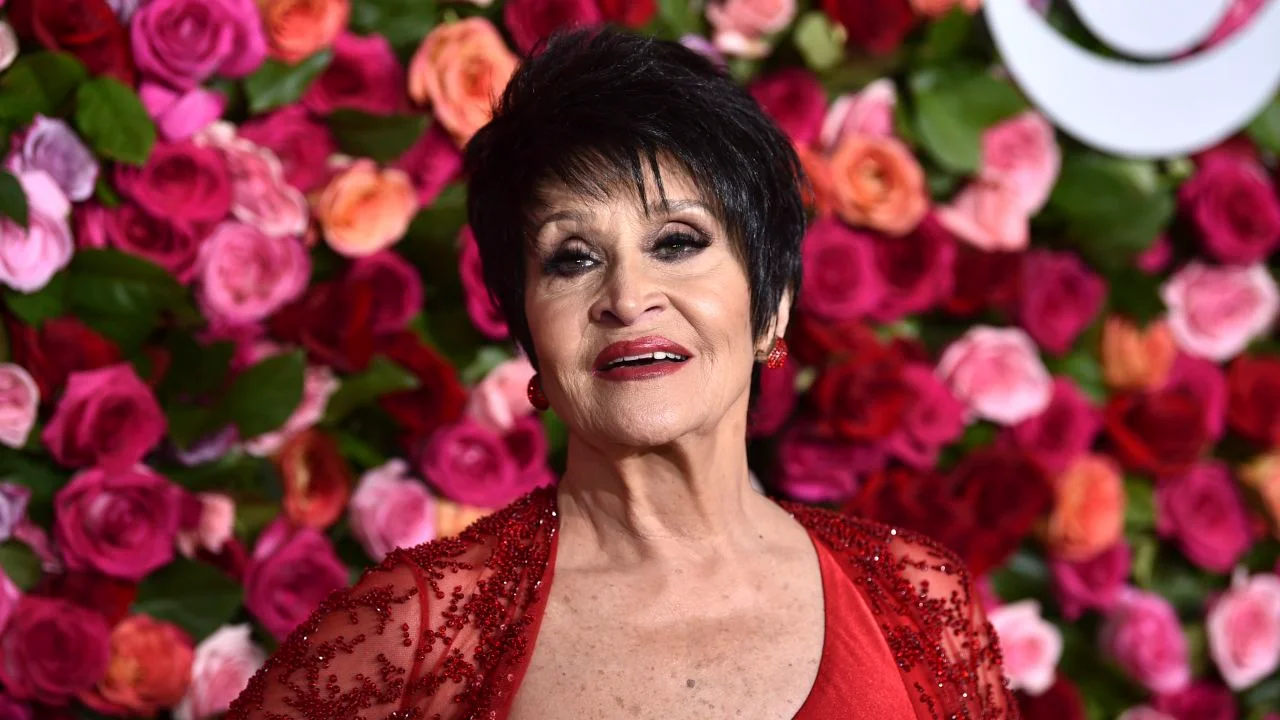
Chita Rivera
Born22 Jan, 1933
Died29 Jan, 2024
NationalityAmerican
Age at time of death91
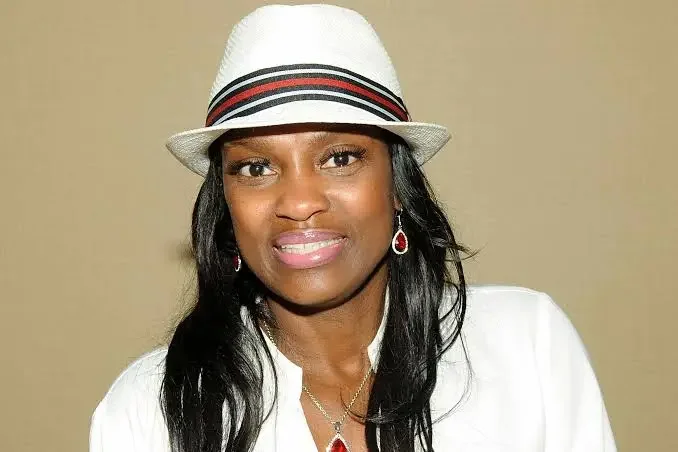
Danielle Spencer
Born23 Jun, 1965
Died10 Aug, 2025
NationalityAmerican
Age at time of death60