Real Celebrities Never Die!
OR
Search For Past Celebrities Whose Birthday You Share
Died Age: 76
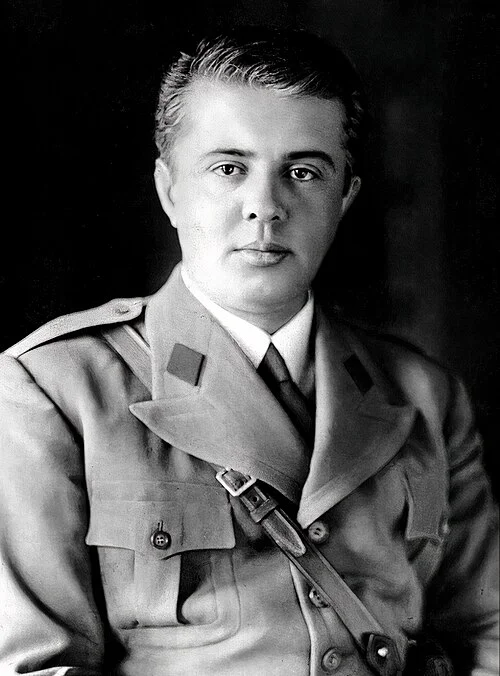
wikipedia.org
Enver Hoxha
Birthday:
16 Oct, 1908
Date of Death:
11 Apr, 1985
Cause of death:
Heart failure
Nationality:
Albanian
Famous As:
Dictator
Age at the time of death:
76
Enver Halil Hoxha's Quote's

“The bunkers are our shield against imperialism.”
Enver Halil Hoxha
🔗 deadcelebrityhub.com
Early Life and Background
Enver Hoxha was born on October 16, 1908, in Gjirokastër, a town in southern Albania that was then part of the Ottoman Empire. He came from a Muslim family; his father, Halil Hoxha, was a cloth merchant. Growing up in this historically rich but economically modest region shaped his worldview and later influenced his political ambitions. Gjirokastër’s traditional society and the economic struggles of Albania during this period provided the backdrop for Hoxha’s formative years.
Education and Formative Years
Hoxha’s education played a significant role in shaping his ideological beliefs. He attended the French lycée in Korçë, where he was introduced to Western ideas and philosophies. Later, he briefly studied at the American Technical School in Tiranë. In 1930, Hoxha received a state scholarship to study at the University of Montpellier in France, where he pursued law but did not graduate. During these years abroad, he became acquainted with Marxist literature and ideas that would later define his political career. From 1934 to 1936, he worked as a secretary at the Albanian consulate general in Brussels while continuing his studies. Returning to Albania in 1936, Hoxha worked as a teacher at his former school in Korçë. However, his career took a sharp turn when Italy invaded Albania in 1939. Refusing to join the Albanian Fascist Party, he lost his teaching position and opened a tobacco shop in Tiranë. This humble store became a hub for communist activities and marked the beginning of Hoxha’s rise as a revolutionary leader.
Personal Life
Enver Hoxha married Nexhmije Xhuglini in 1945. Nexhmije herself was an ardent communist and played an active role in Albania’s political sphere during her husband’s rule. The couple had two children and remained closely involved in each other’s lives both personally and politically.
Political Career
Hoxha’s political ascent began during World War II when Yugoslav communists helped him establish the Albanian Communist Party (later renamed the Party of Labour) in 1941. As its first secretary, he quickly consolidated power within the party. During the war, he served as political commissar for the Army of National Liberation, leading resistance efforts against Italian and German occupation forces. Following Albania’s liberation from German occupation in 1944, Hoxha became prime minister and de facto head of state. Over the next four decades, he transformed Albania into one of Europe’s most tightly controlled communist states. His government abolished the monarchy, collectivized agriculture, and heavily invested in industrialization. Under his leadership, Albania achieved self-sufficiency in food production and eradicated illiteracy—a remarkable feat for one of Europe’s poorest nations at the time.
Contributions and Controversial Legacy
Hoxha’s contributions were transformative but came at great cost. While he modernized Albania’s economy and infrastructure, his methods were brutal. Inspired by Stalinism, he implemented policies of state atheism, closing religious institutions and persecuting clerics. Thousands were imprisoned, executed, or exiled for opposing collectivization or being deemed disloyal to the regime. Private property was confiscated, dissent was crushed, and cultural life was strictly controlled. On the international stage, Hoxha pursued isolationist policies to preserve Albania’s sovereignty. He broke ties with Yugoslavia in 1948, aligned with Stalinist Soviet Union until 1961, and later formed alliances with Maoist China before severing relations in 1978 following Mao Zedong’s death. By rejecting foreign influence altogether, Hoxha envisioned Albania as an independent socialist model but left it economically isolated.
Death and Legacy
Enver Hoxha died on April 11, 1985, in Tiranë at the age of 76 due to heart failure. His death marked the end of an era for Albania but left behind a deeply divided legacy. While some credit him with modernizing Albania and fostering national pride through self-reliance policies, others condemn his authoritarian rule for its human rights abuses and economic stagnation. Today, Hoxha remains a polarizing figure—a symbol of both progress and repression during one of Albania’s most turbulent periods.
Profile Snapshot
Name:
Enver Halil Hoxha
Popular Name:
Enver Hoxha
Gender:
Male
Cause of Death:
Heart failure
Spouse:
Nexhmije Xhuglini
Place of Birth:
Gjirokastër, Ottoman Empire (now Albania)
Place of Death:
Tirana, Albania
Occupation / Profession:
Dictator
Politician
Revolutionary
Personality Type
Logistician: Practical and fact-minded individuals, whose reliability cannot be doubted. He had a rigid ideology and authoritarian style. He was known for discipline, order, and adherence to systems.
Enver Halil Hoxha's Interesting Facts
He banned religion, declaring Albania the world’s first atheist state in 1967.
He broke with the Soviet Union in 1961 and China in 1978, isolating Albania completely.
His childhood home is now a museum in Gjirokastër.
Hoxha ordered the construction of over 170,000 bunkers across Albania.
Achievements & Awards
Authored over 60 volumes of political works.
Became First Secretary of the Party of Labour (1941–1985).
Led Albania’s communist resistance during WWII.
Received the Order of Lenin from the Soviet Union (1940s).
Transformed Albania into a fully collectivized state.
External Links
Additional Links
https://www.britannica.com/biography/Enver-Hoxhahttps://www.britannica.com/print/article/273593https://www.encyclopedia.com/people/history/albanian-history-biographies/enver-hoxhahttps://www.imdb.com/name/nm1375343/bio/https://www.iwm.at/event/enver-hoxha-biography-of-a-balkan-tyranthttps://www.thecollector.com/enver-hoxha-affirmative-action-albania-autocrat/http://www.enver-hoxha.net/content/content_english/biography.htm
Latest Profiles
People also viewed
Gerald Ford
Born14 Jul, 1913
Died26 Dec, 2006
NationalityAmerican
Age at time of death93
Victor Hugo
Born26 Feb, 1802
Died22 May, 1885
NationalityFrench
Age at time of death83
George Murphy
Born04 Jul, 1902
Died03 May, 1992
NationalityAmerican
Age at time of death89
P. T. Barnum
Born05 Jul, 1810
Died07 Apr, 1891
NationalityAmerican
Age at time of death80
Rajendra Prasad
Born03 Dec, 1884
Died28 Feb, 1963
NationalityIndian
Age at time of death78
Nelson Rockefeller
Born08 Jul, 1908
Died26 Jan, 1979
NationalityAmerican
Age at time of death70

Ethan Allen
Born21 Jan, 1738
Died12 Feb, 1789
NationalityAmerican
Age at time of death51
Herbert Hoover
Born10 Aug, 1874
Died20 Oct, 1964
NationalityAmerican
Age at time of death90
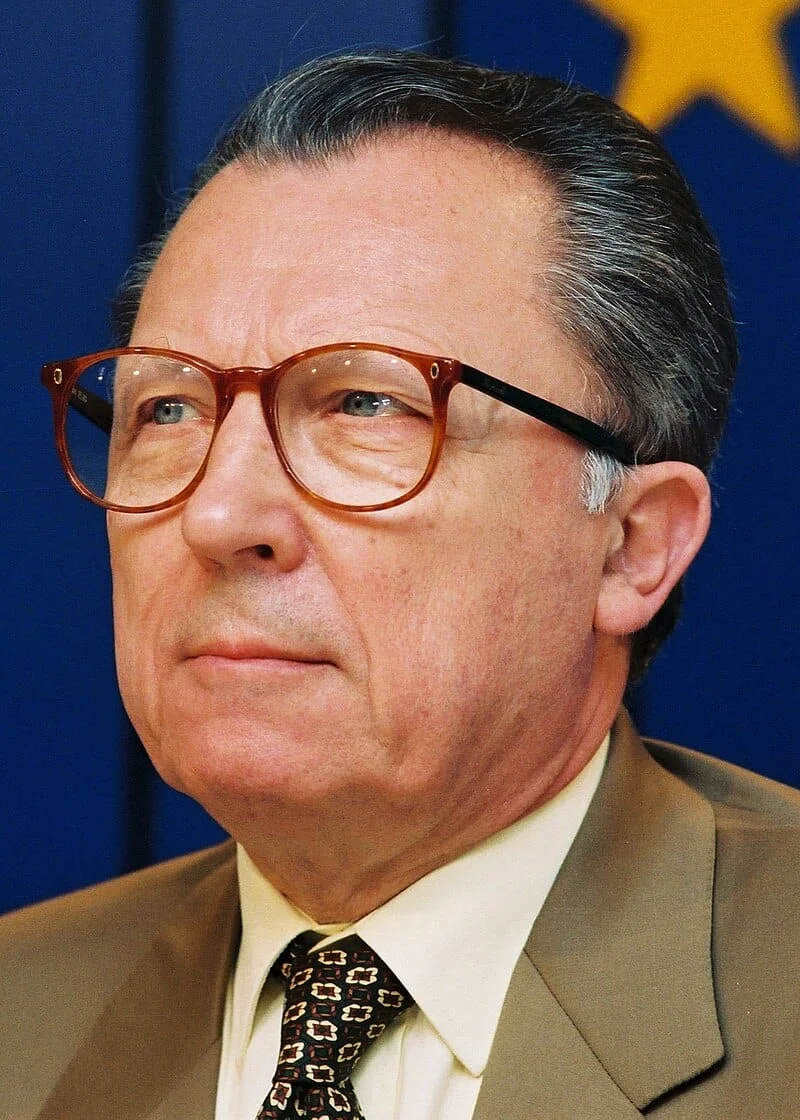
Jacques Delors
Born20 Jul, 1925
Died27 Dec, 2023
NationalityFrench
Age at time of death98
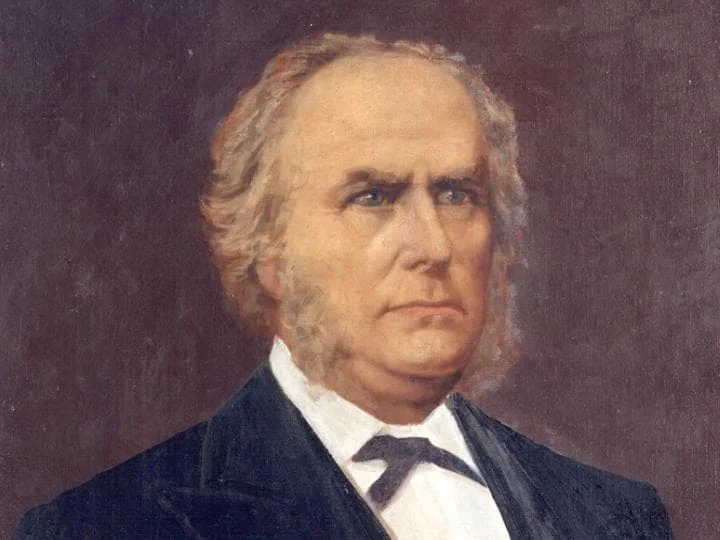
James Harrison
Born17 Apr, 1816
Died03 Sep, 1893
NationalityScottish,Australian
Age at time of death77
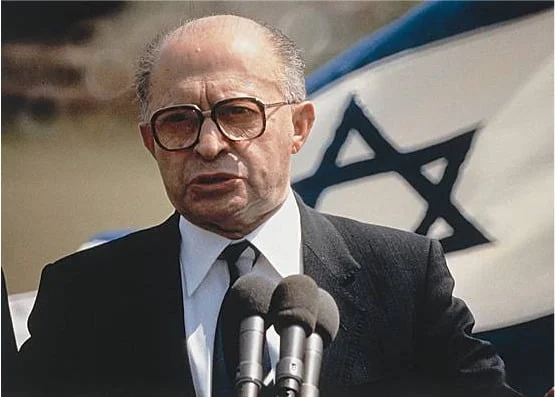
Menachem Begin
Born16 Aug, 1913
Died09 Mar, 1992
NationalityIsraeli
Age at time of death78
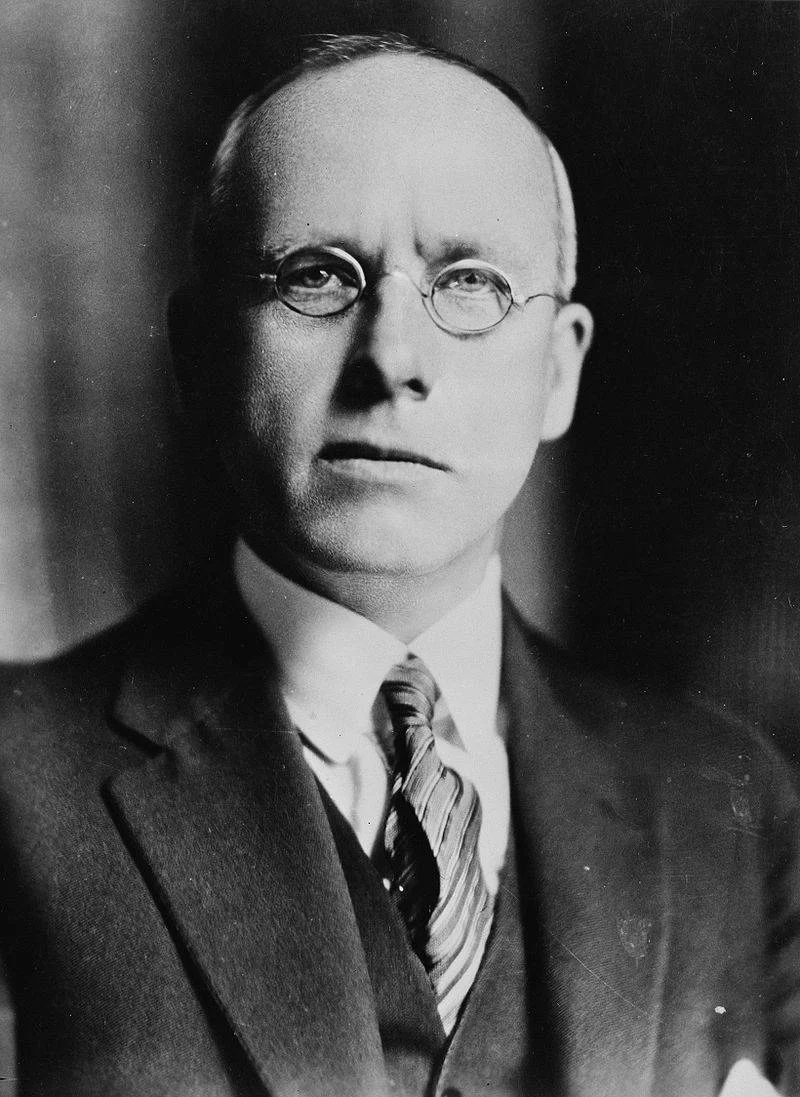
Peter Fraser
Born28 Aug, 1884
Died12 Dec, 1950
NationalityNew Zealand
Age at time of death66
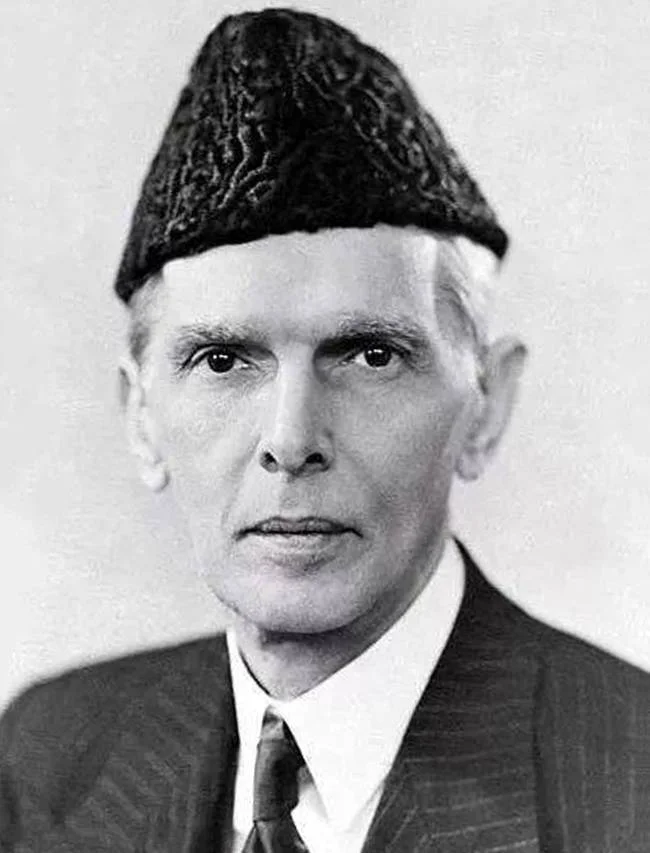
Muhammad Ali Jinnah
Born25 Dec, 1876
Died11 Sep, 1948
NationalityPakistani
Age at time of death71
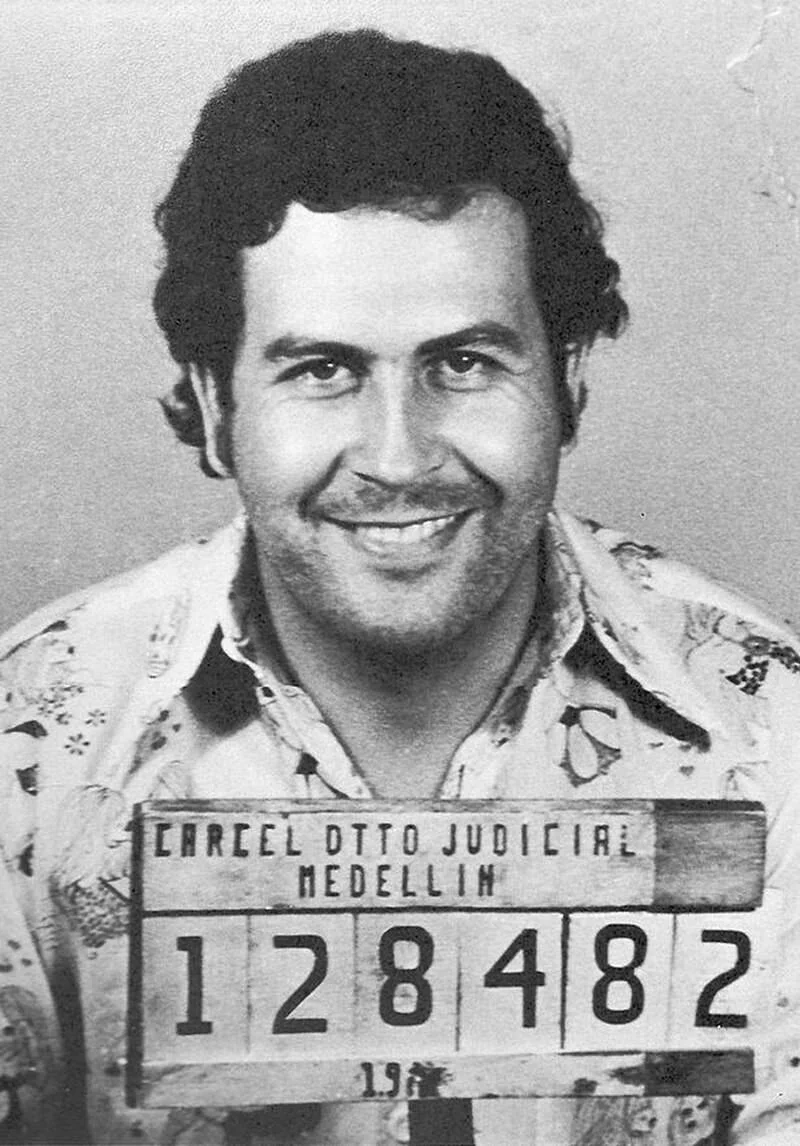
Pablo Escobar
Born01 Dec, 1949
Died02 Dec, 1993
NationalityColombian
Age at time of death44
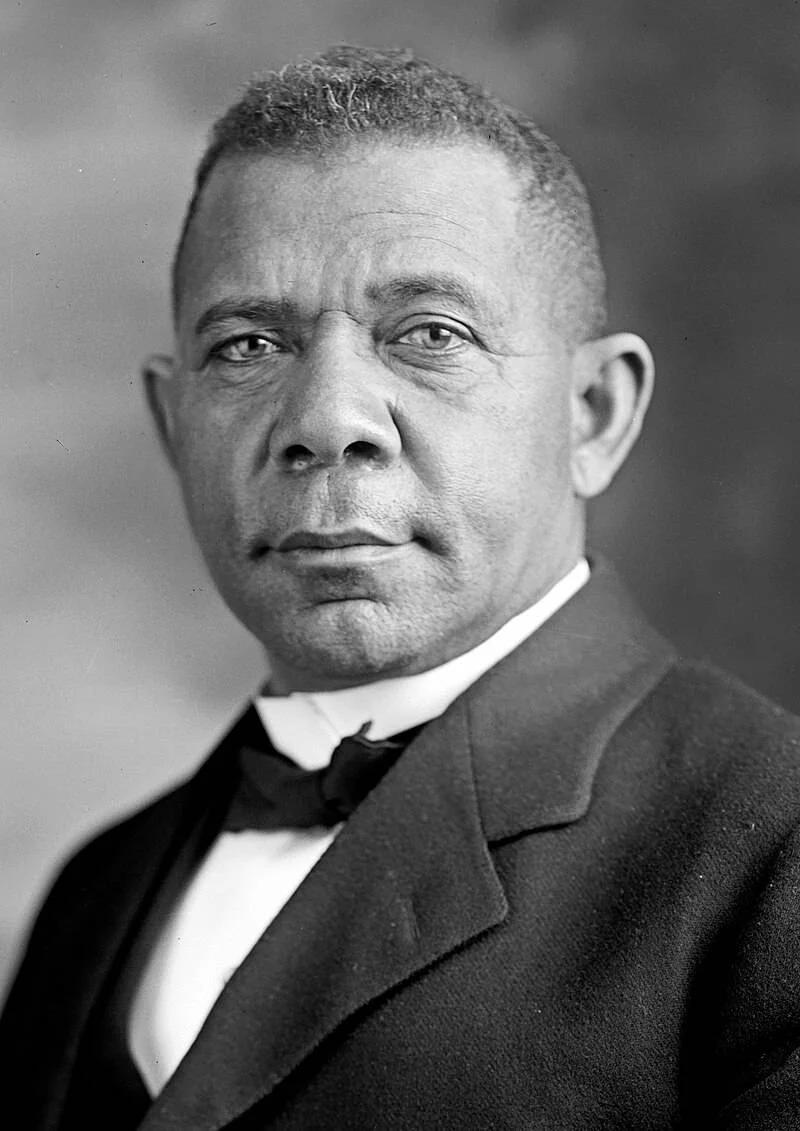
Booker T. Washington
Born05 Apr, 1856
Died14 Nov, 1915
NationalityAmerican
Age at time of death59
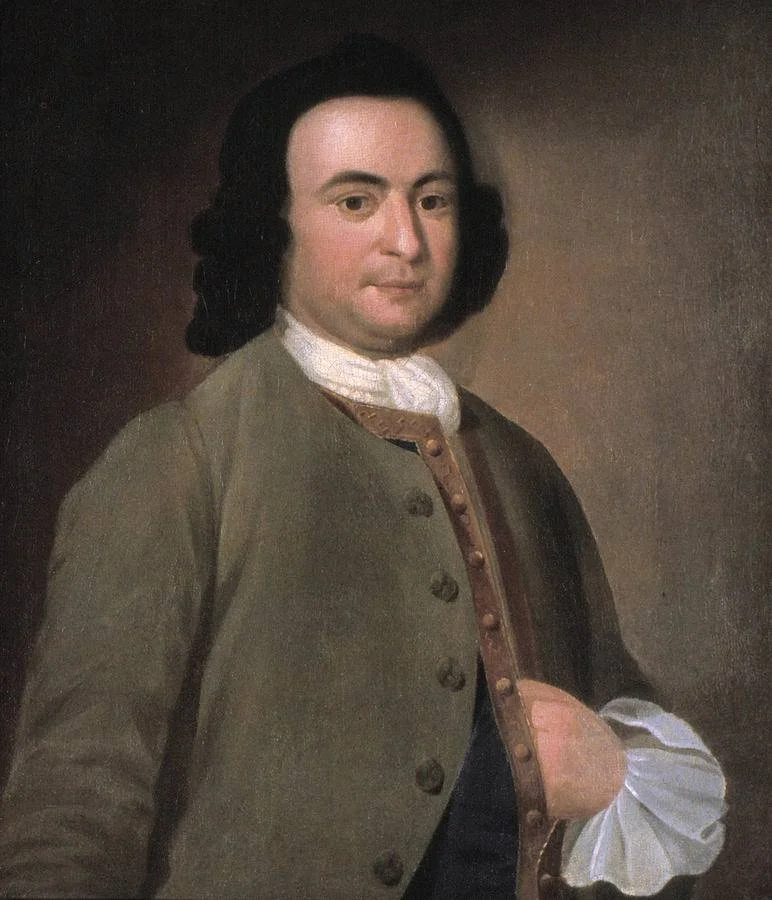
George Mason
Born11 Dec, 1725
Died07 Oct, 1792
NationalityAmerican, British
Age at time of death66
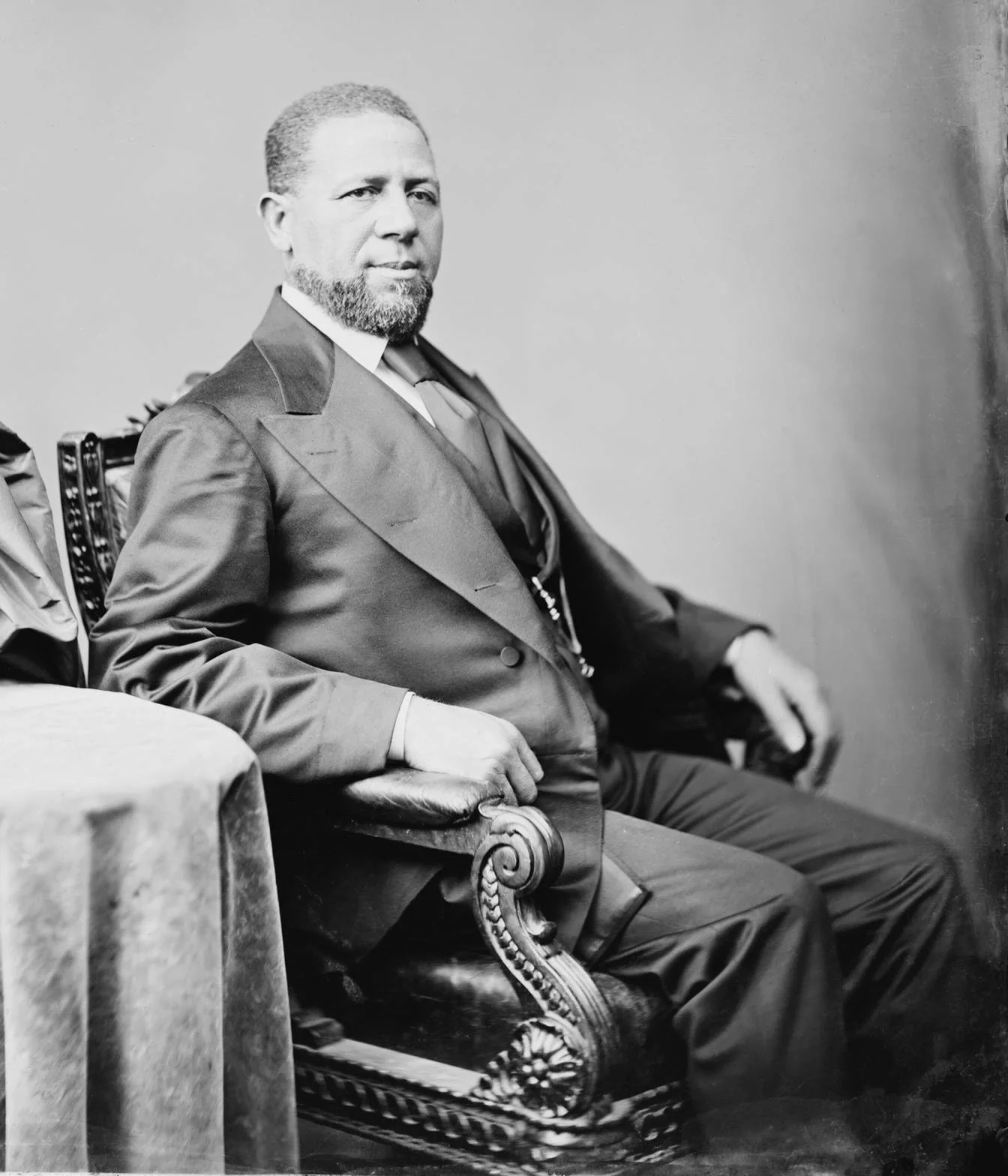
Hiram R. Revels
Born27 Sep, 1827
Died16 Jan, 1901
NationalityAmerican
Age at time of death73
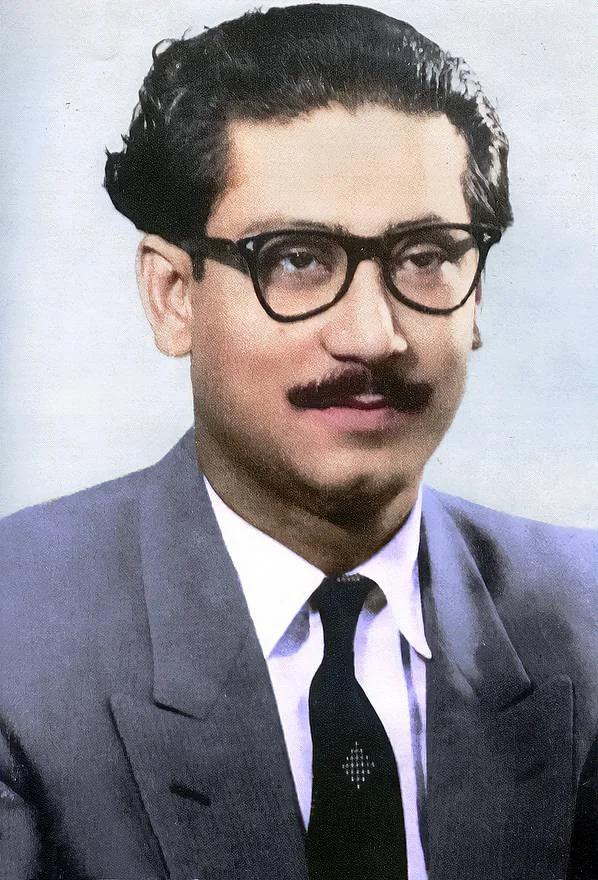
Sheikh Mujibur Rahman
Born17 Mar, 1920
Died15 Aug, 1975
NationalityIndian, Pakistani, Bangladeshi
Age at time of death55
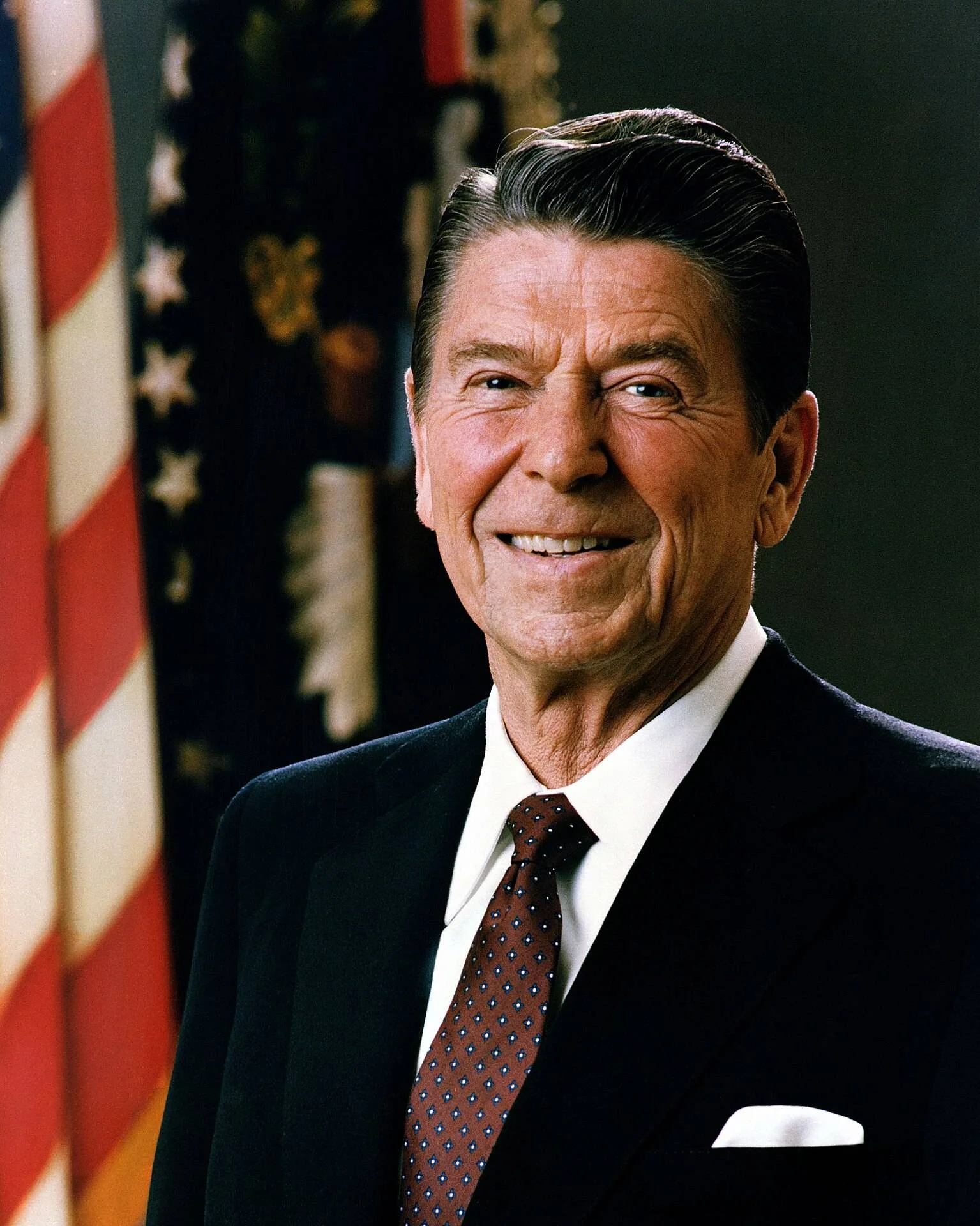
Ronald Reagan
Born06 Feb, 1911
Died05 Jun, 2004
NationalityAmerican
Age at time of death93
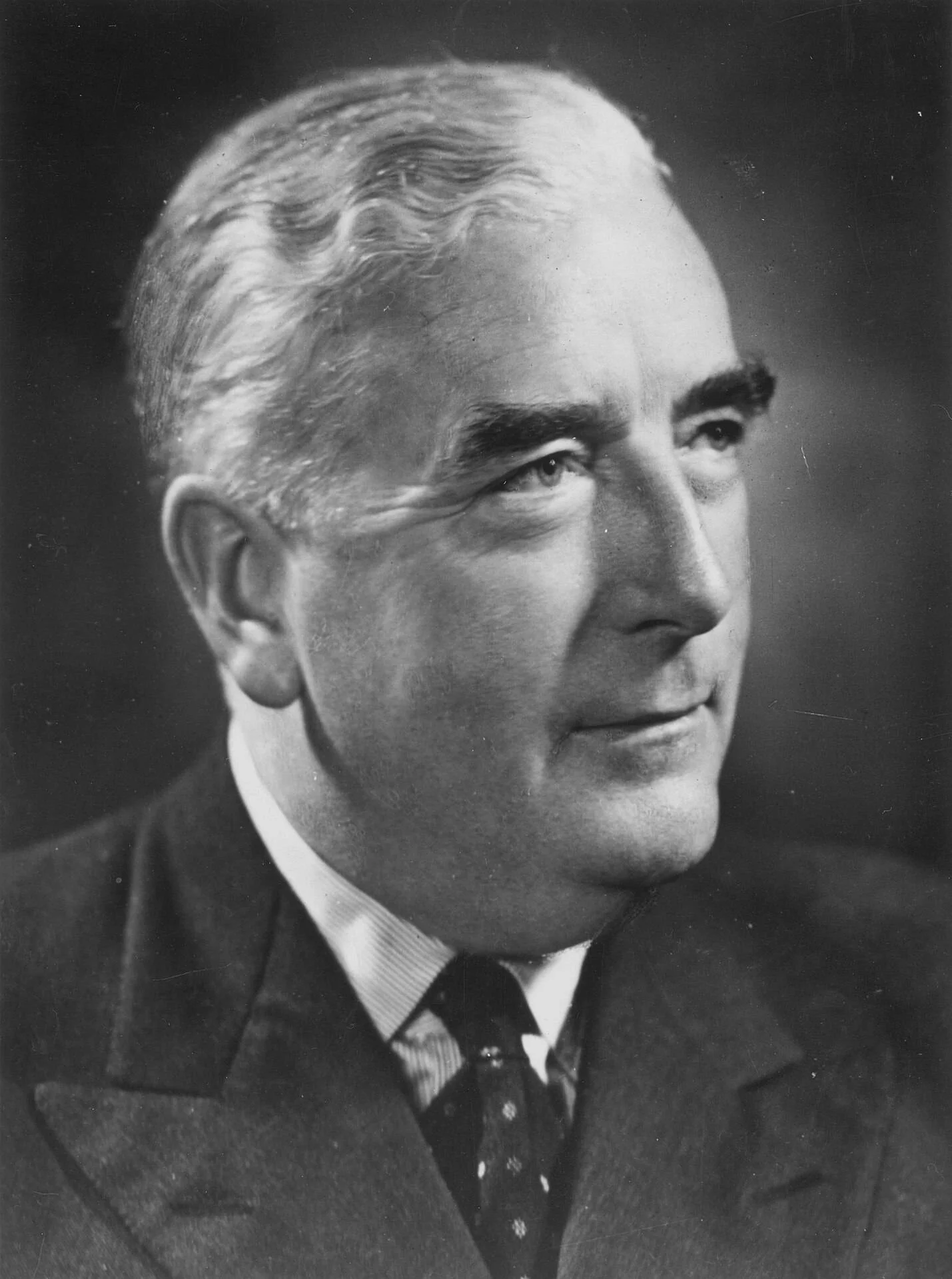
Robert Menzies
Born20 Dec, 1894
Died15 May, 1978
NationalityAustralian
Age at time of death83