Real Celebrities Never Die!
OR
Search For Past Celebrities Whose Birthday You Share
Died Age: 81
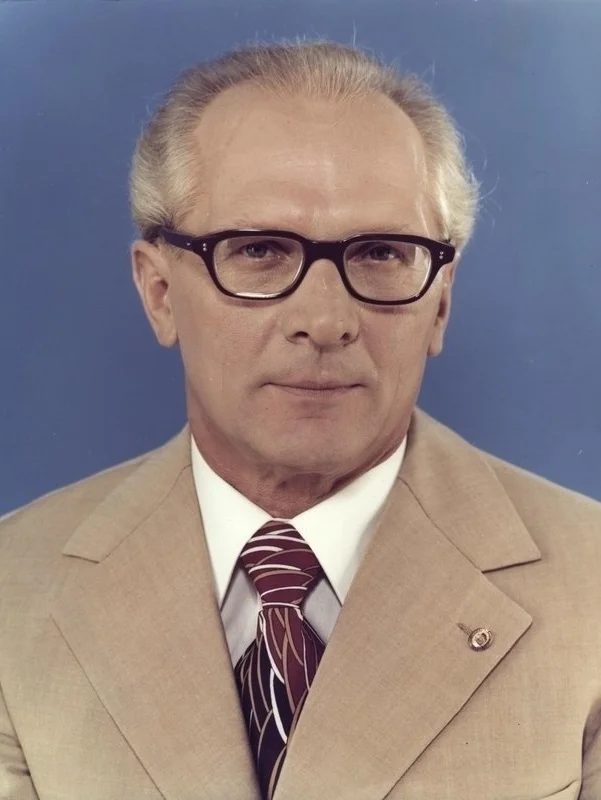
wikimedia.org
Erich Honecker
Birthday:
25 Aug, 1912
Date of Death:
29 May, 1994
Cause of death:
Liver cancer
Nationality:
German
Famous As:
Communist Activist
Age at the time of death:
81
Erich Ernst Paul Honecker's Quote's

“The future belongs to socialism, not capitalism.”
Erich Ernst Paul Honecker
🔗 deadcelebrityhub.com
Biography of Erich Honecker
Erich Honecker, a big name in East Germany’s story, came into the world on August 25, 1912, in Neunkirchen, a gritty little town in Germany’s Saarland. Growing up wasn’t easy with all the money troubles and political chaos swirling around, and it really shaped the way he saw things. His dad, Wilhelm, hauled coal for a living and was deep into the Communist Party of Germany (KPD), while his mom, Caroline, kept the home fires burning. Raised in a hardworking family with six brothers and sisters, Erich got a taste of leftist ideas early on.
Early Life and Education
Honecker’s kid years lined up with Germany’s rough patch after World War I. The Saarland, where he called home, got taken over by the French, which only fired up his family’s dislike for capitalism even more. At ten, he jumped into the Spartacus League’s kids’ group, a stepping stone to the Communist Youth League. By fourteen, he was all in with the Young Communist League of Germany (KJVD), and at seventeen, he signed up with the Communist Party for real. After wrapping up grade school, finding a trade gig was tough, but he eventually learned roofing from his uncle. Still, politics was calling louder than any job. In 1928, the KJVD picked him to head to Moscow’s International Lenin School, where he soaked up communist ideas and got ready to dive into revolutionary life headfirst.
Personal Life
Honecker’s love life had its share of ups and downs. He tied the knot three times. First up was Charlotte Schanuel, but she passed away too soon in 1947. Right after, he married Edith Baumann and had a daughter with her, though that didn’t last once he fell for Margot Feist, who became wife number three in 1953. Margot wasn’t just a spouse—she ran East Germany’s education system for over twenty years and had a big say in Erich’s political moves. They had a daughter, Sonja, together.
Political Career and Rise to Power
Honecker got his political start back in the Weimar Republic days, leading the KJVD in Saarland. When Hitler took over in 1933, communists had to go underground. Erich kept at it in secret but got nabbed by the Gestapo in 1935, slapped with a ten-year sentence for “preparing treason.” He did hard time in Brandenburg-Görden Prison until the Soviets busted him out in 1945. After the war, he climbed fast in East Germany’s new Socialist Unity Party (SED). By 1958, he’d landed a spot in the Politburo, handling security stuff. That’s when he helped get the Berlin Wall up in 1961—a move that stuck as a Cold War icon. In 1971, he took over from Walter Ulbricht as SED General Secretary, pretty much running East Germany. He kept things tight with the Soviet Union and worked to keep socialism steady. From 1976 on, he also chaired the Council of State, locking in his control even more.
Contributions and Controversies
Honecker’s time in charge was a mixed bag. He poured effort into making life better with housing, healthcare, and schools for folks. But he also leaned hard on the Stasi to keep everyone in line, watching and shutting down anyone who spoke out. His tough border rules meant a lot of East Germans died trying to make it to the West. And when Gorbachev started shaking things up in the Soviet Union, Honecker dug in his heels, leaving East Germany out of step with the changes rippling through Eastern Europe by the late ‘80s. In 1989, people hit the streets demanding a freer system. With his own party and the Soviets breathing down his neck, he stepped down on October 18, 1989. Not long after, the Berlin Wall came down—a sign his time was up and a whole era was over.
Exile and Death
Once Germany came back together in 1990, Honecker was in hot water for human rights messes from his days in power. But liver cancer slowed him down, and in 1993, they let him off the hook to join his family in Chile. He spent his last days near Santiago with Sonja’s crew. Erich Honecker passed on May 29, 1994, at 81 in Santiago de Chile. His quiet exit closed the book on a life that once called the shots but left folks split on what it all meant.
Legacy
Erich Honecker’s still a figure folks can’t agree on. Some East Germans who got by on his social programs look back and see a guy who kept things steady in Cold War chaos. Others—especially those who felt the Stasi’s grip or lost someone at the border—remember him as a hard-nosed ruler who did more harm than good.
Profile Snapshot
Name:
Erich Ernst Paul Honecker
Popular Name:
Erich Honecker
Gender:
Male
Cause of Death:
Liver cancer
Spouse:
Edith Baumann
Margot Feist
Place of Birth:
Neunkirchen, Saarland, German Empire (now Germany)
Place of Death:
Santiago, Chile
Occupation / Profession:
Communist Activist
Politician
Personality Type
Logistician Practical and fact-minded individuals, whose reliability cannot be doubted. Honecker’s methodical approach, loyalty to structure, and rigid adherence to ideology align with the “Logistician” type, reflecting his disciplined and duty-bound
Erich Ernst Paul Honecker's Interesting Facts
After reunification, he fled to the Soviet Union and later Chile. He died in 1994 without ever facing full trial for his role in the deaths of those who tried to flee East Germany.
As head of security in the early 1960s, Honecker oversaw the construction of the Berlin Wall, which became a powerful symbol of the Cold War and German division.
As the Soviet Union loosened control and protests surged in 1989, Honecker was forced to resign—just weeks before the Berlin Wall was torn down.
Erich Honecker was a German communist politician who led East Germany (GDR) from 1971 until shortly before the fall of the Berlin Wall in 1989.
Honecker’s regime was marked by strict surveillance, censorship, and loyalty to Soviet-style socialism, enforced by the feared Stasi (state security service).
Achievements & Awards
Became General Secretary of the SED in 1971.
Oversaw the construction of the Berlin Wall in 1961.
Received the Hero of the Soviet Union title
Received the Order of Lenin from the Soviet Union.
Served as Chairman of the State Council of the GDR from 1976 to 1989.
External Links
Additional Links
_Erichhttps://www.astro.com/astro-databank/Honeckerhttps://www.britannica.com/biography/Erich-Honeckerhttps://www.ddr-museum.de/en/blog/2016/erich-honecker-rise-and-fallhttps://www.independent.co.uk/news/people/obituary-erich-honecker-1439458.htmlhttps://www.latimes.com/archives/la-xpm-1994-05-30-mn-63917-story.htmlhttps://www.wikidata.org/wiki/Q2607
Latest Profiles
People also viewed
Gerald Ford
Born14 Jul, 1913
Died26 Dec, 2006
NationalityAmerican
Age at time of death93
Victor Hugo
Born26 Feb, 1802
Died22 May, 1885
NationalityFrench
Age at time of death83
George Murphy
Born04 Jul, 1902
Died03 May, 1992
NationalityAmerican
Age at time of death89
P. T. Barnum
Born05 Jul, 1810
Died07 Apr, 1891
NationalityAmerican
Age at time of death80
Rajendra Prasad
Born03 Dec, 1884
Died28 Feb, 1963
NationalityIndian
Age at time of death78
Nelson Rockefeller
Born08 Jul, 1908
Died26 Jan, 1979
NationalityAmerican
Age at time of death70

Ethan Allen
Born21 Jan, 1738
Died12 Feb, 1789
NationalityAmerican
Age at time of death51
Herbert Hoover
Born10 Aug, 1874
Died20 Oct, 1964
NationalityAmerican
Age at time of death90
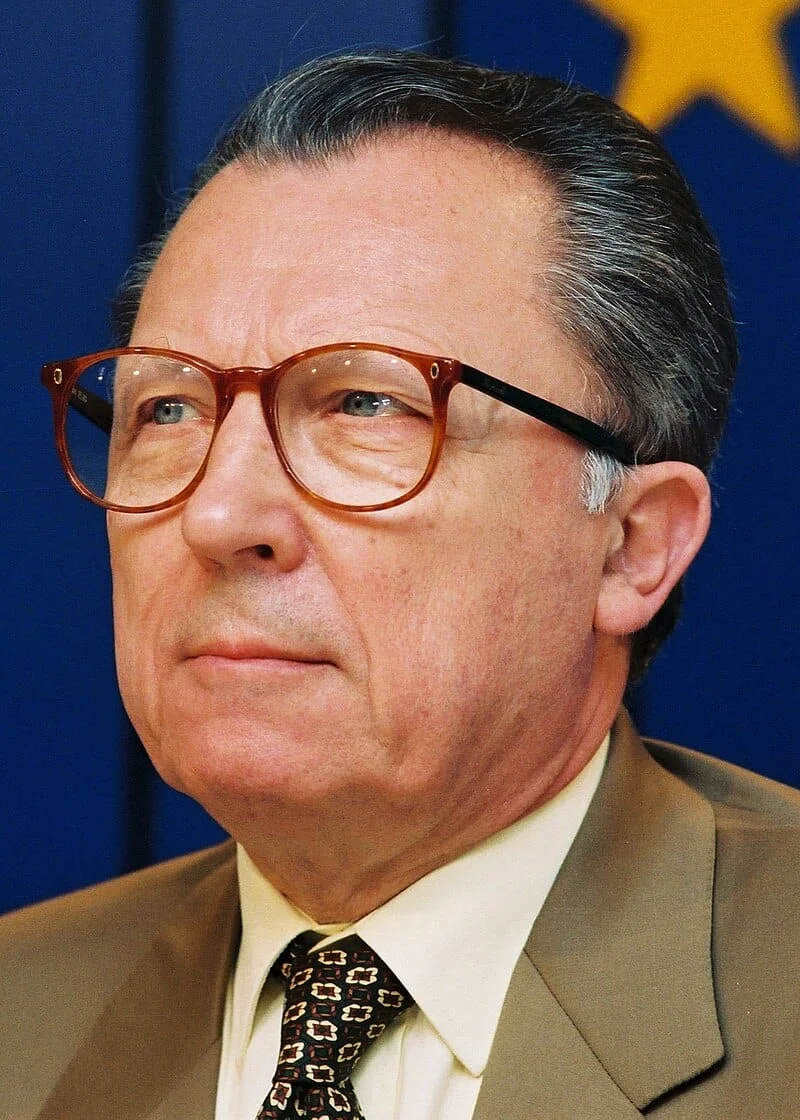
Jacques Delors
Born20 Jul, 1925
Died27 Dec, 2023
NationalityFrench
Age at time of death98
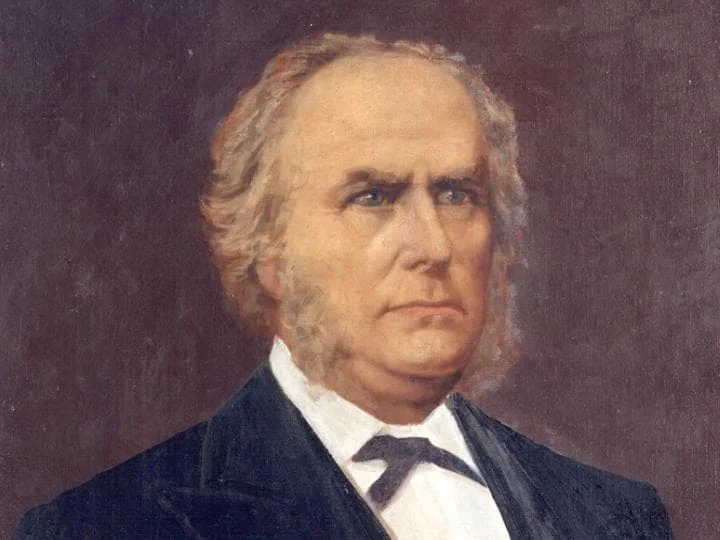
James Harrison
Born17 Apr, 1816
Died03 Sep, 1893
NationalityScottish,Australian
Age at time of death77
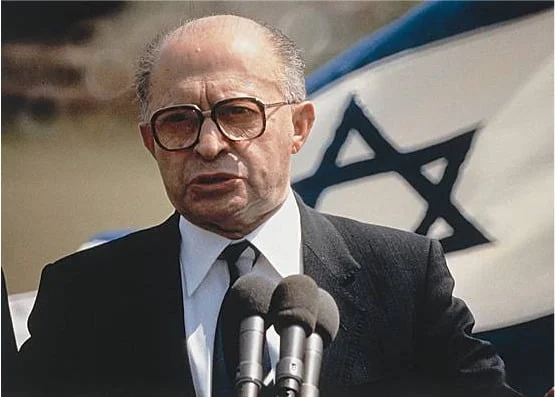
Menachem Begin
Born16 Aug, 1913
Died09 Mar, 1992
NationalityIsraeli
Age at time of death78
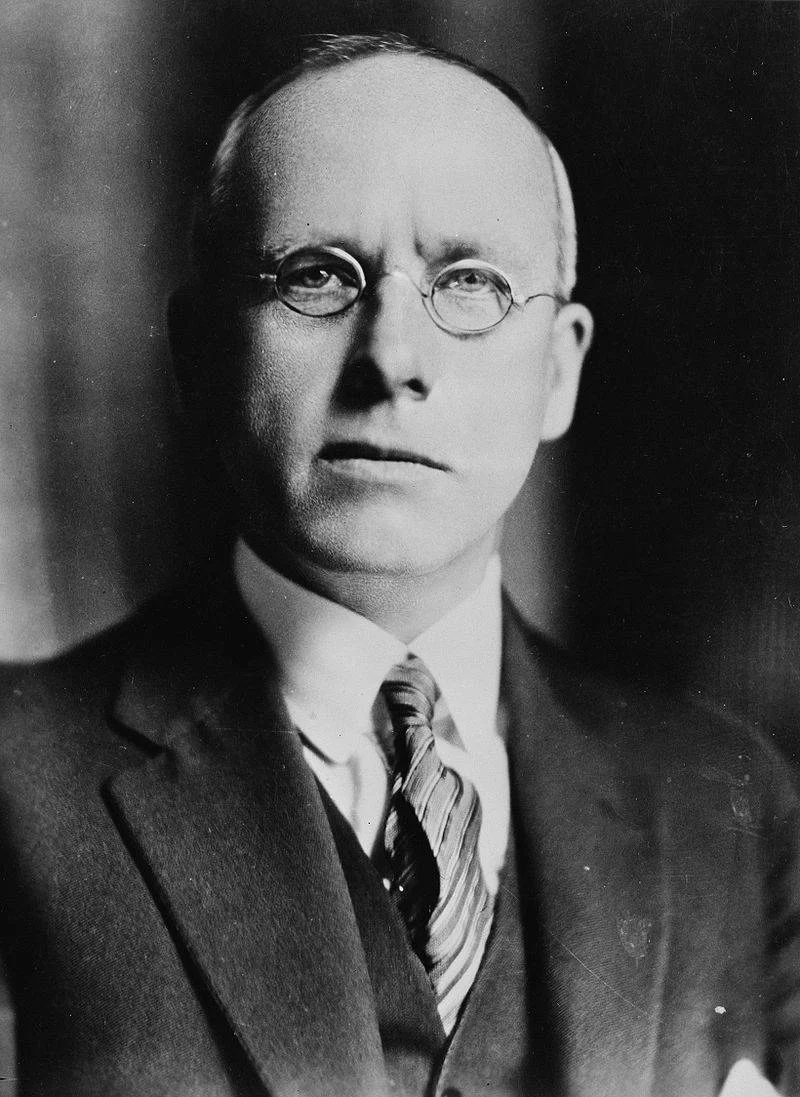
Peter Fraser
Born28 Aug, 1884
Died12 Dec, 1950
NationalityNew Zealand
Age at time of death66
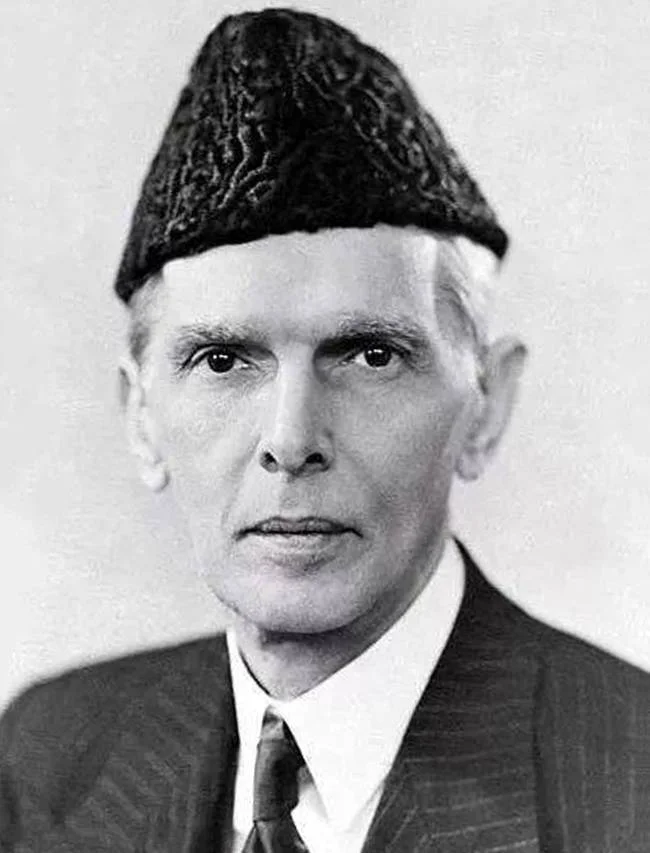
Muhammad Ali Jinnah
Born25 Dec, 1876
Died11 Sep, 1948
NationalityPakistani
Age at time of death71
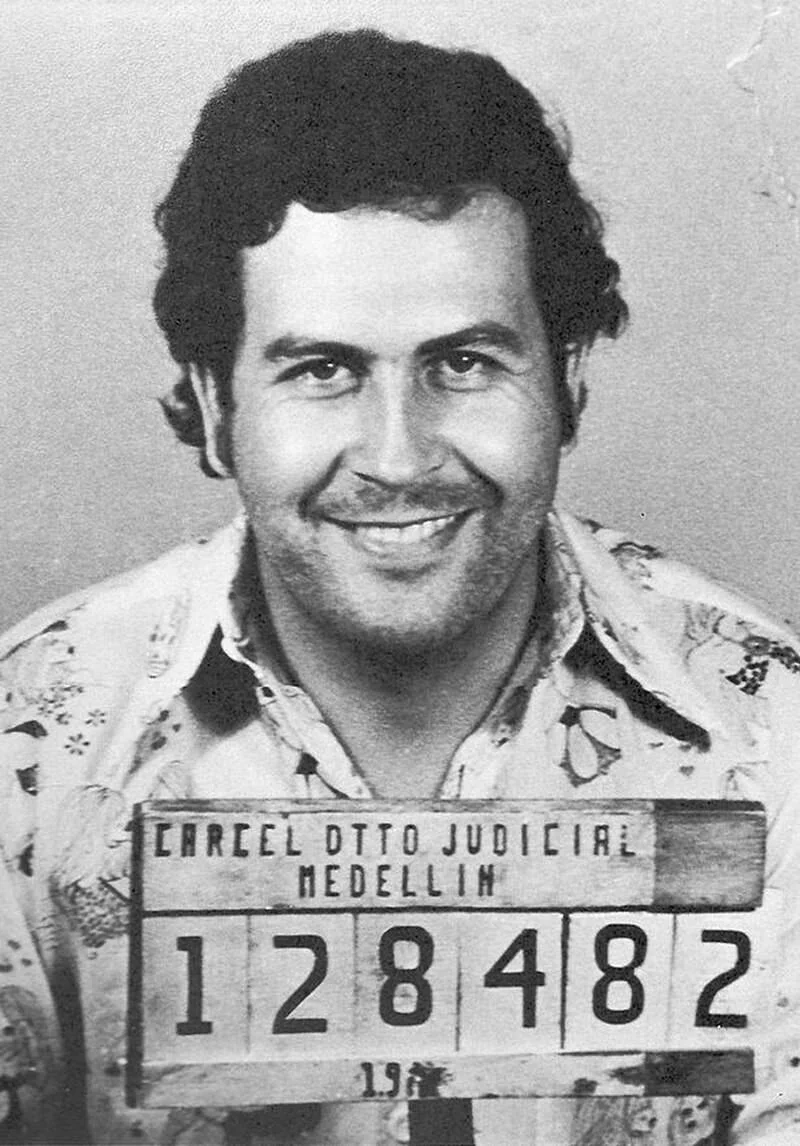
Pablo Escobar
Born01 Dec, 1949
Died02 Dec, 1993
NationalityColombian
Age at time of death44
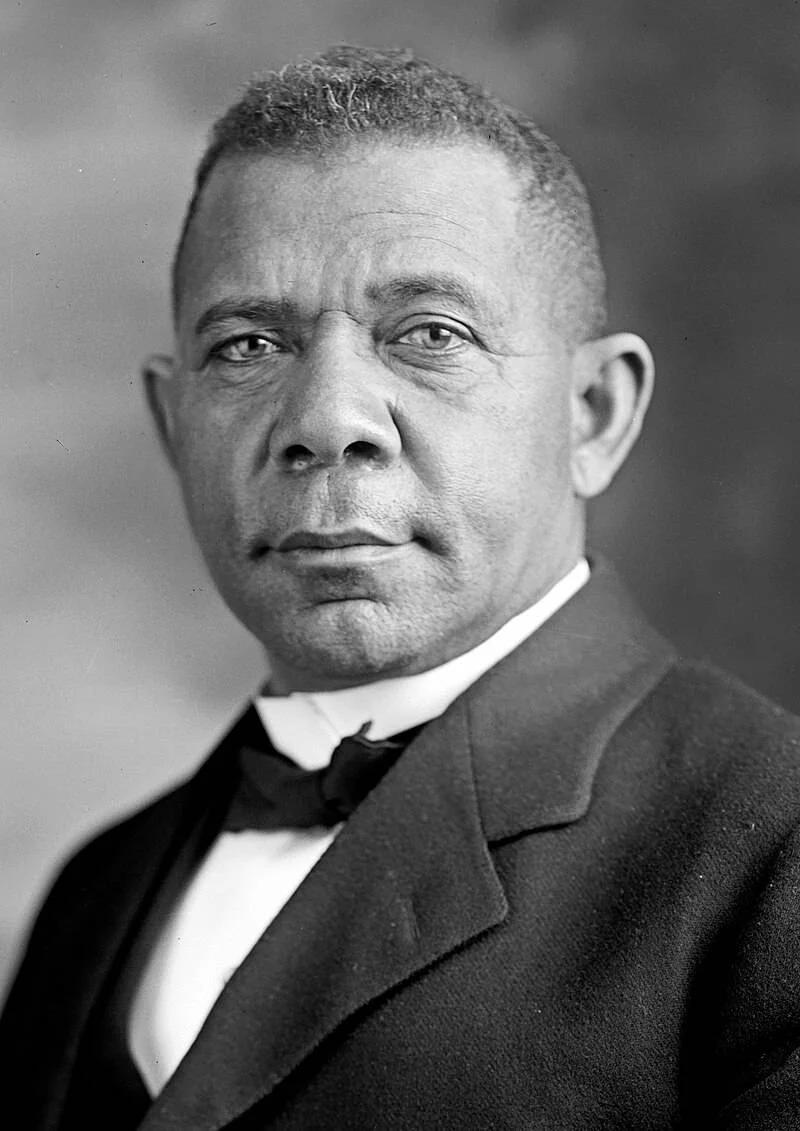
Booker T. Washington
Born05 Apr, 1856
Died14 Nov, 1915
NationalityAmerican
Age at time of death59
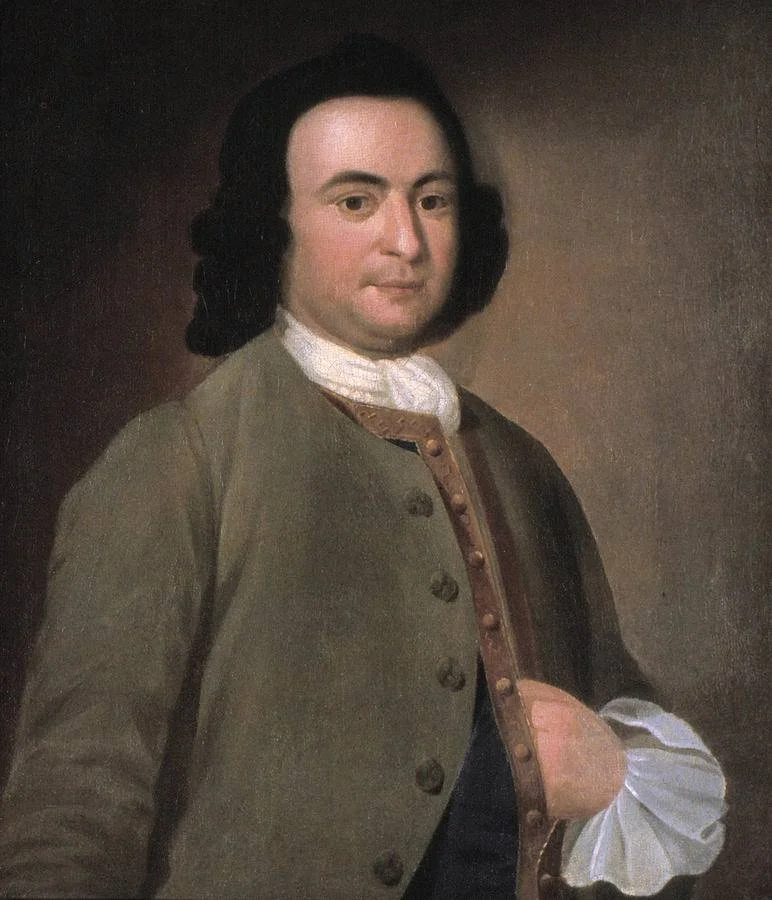
George Mason
Born11 Dec, 1725
Died07 Oct, 1792
NationalityAmerican, British
Age at time of death66
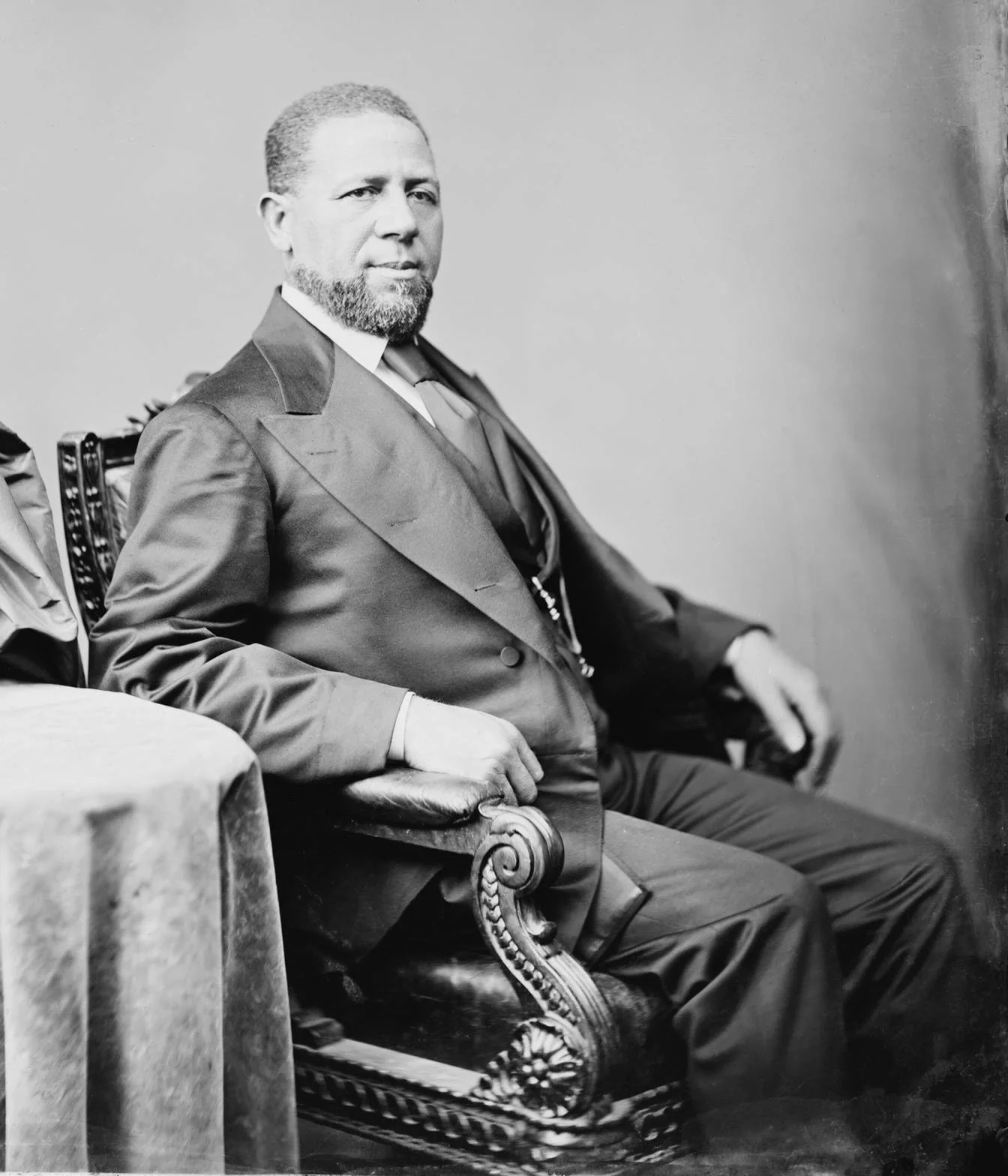
Hiram R. Revels
Born27 Sep, 1827
Died16 Jan, 1901
NationalityAmerican
Age at time of death73
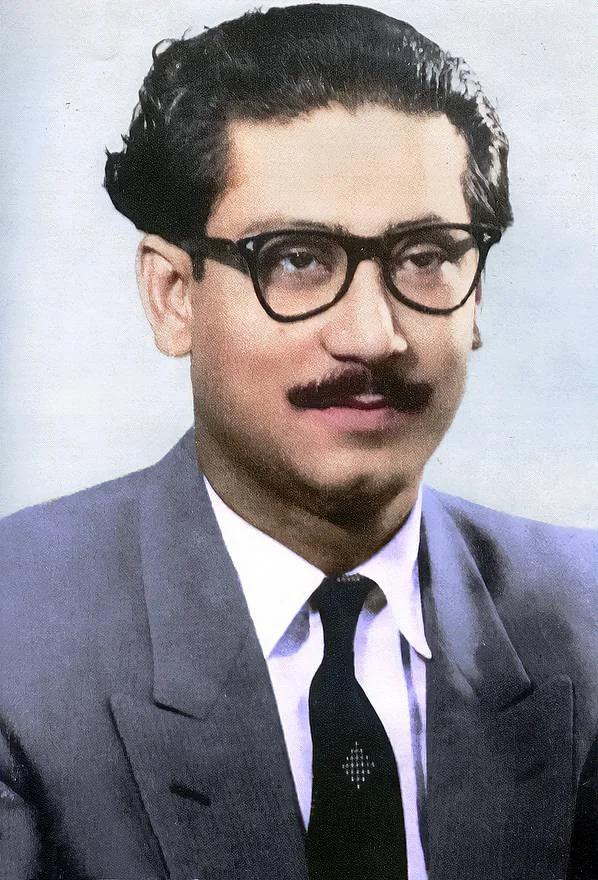
Sheikh Mujibur Rahman
Born17 Mar, 1920
Died15 Aug, 1975
NationalityIndian, Pakistani, Bangladeshi
Age at time of death55
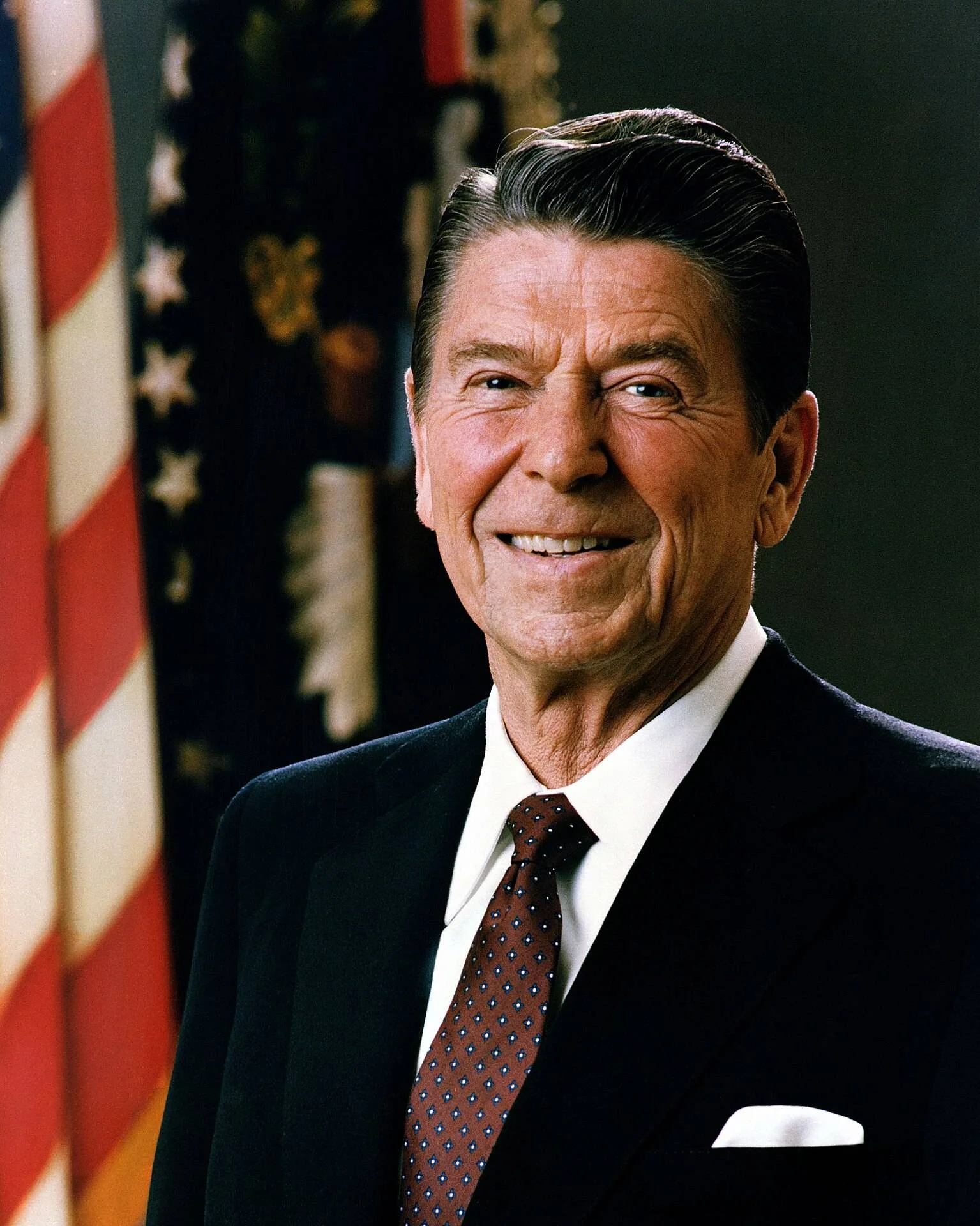
Ronald Reagan
Born06 Feb, 1911
Died05 Jun, 2004
NationalityAmerican
Age at time of death93
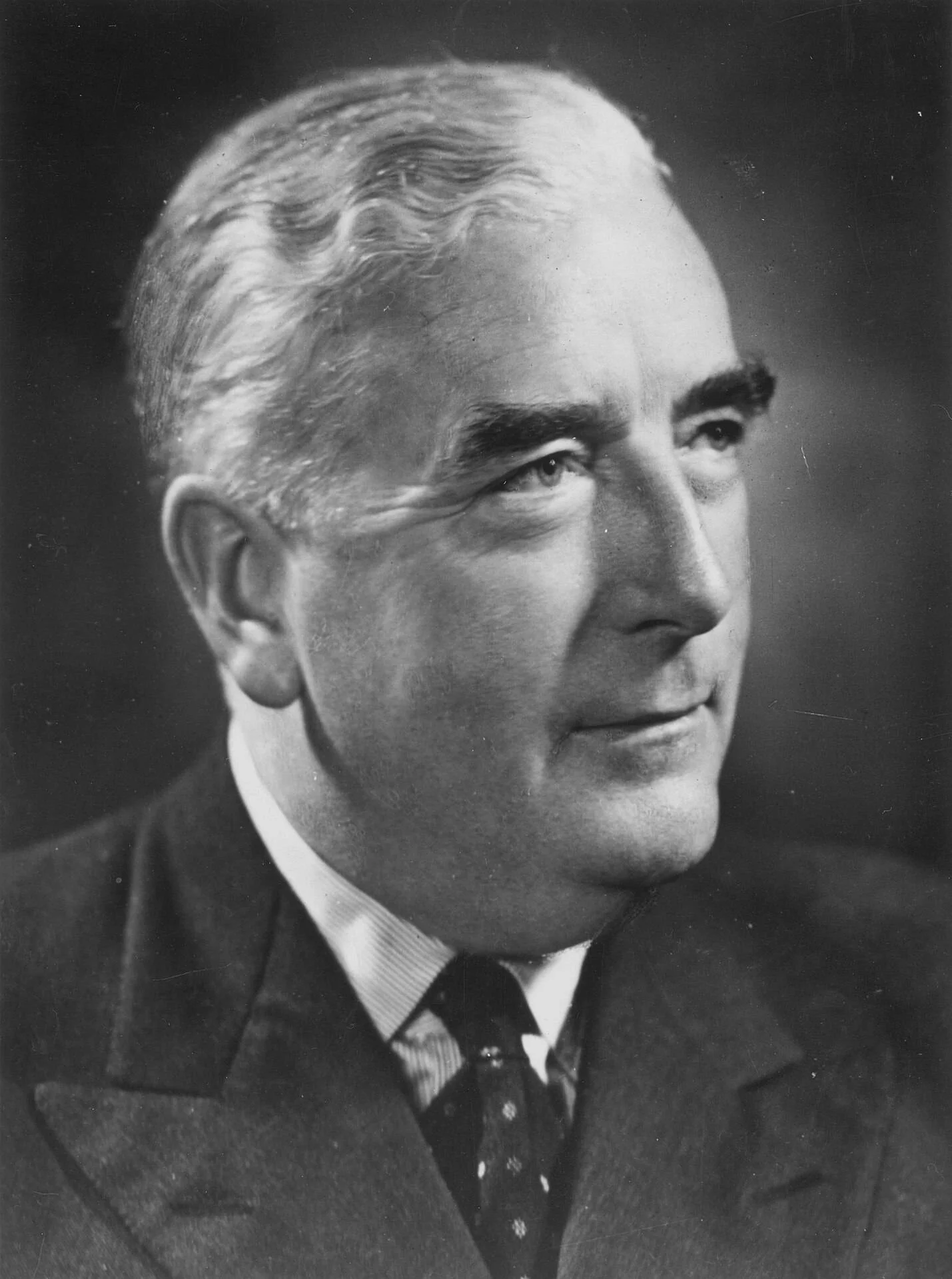
Robert Menzies
Born20 Dec, 1894
Died15 May, 1978
NationalityAustralian
Age at time of death83